Table of Contents
Grape Soda is a unique and highly sought-after cannabis strain renowned for its distinctive flavor profile, potent effects, and visually appealing characteristics. Below, we delve into a comprehensive analysis of the Grape Soda strain, including its lineage, characteristics, chemical profile, medical and recreational uses, and scientific insights.
Lineage and Genetics
Grape Soda is an indica-dominant hybrid strain with a strong genetic background. It is derived from the well-known Tahoe OG Kush strain, lending it a rich heritage of potency and flavor. Tahoe OG Kush, a member of the OG Kush family, is prized for its earthy, citrusy aroma and deeply relaxing effects. Grape Soda enhances these traits by introducing grape-like undertones and a fruity twist.
The strain typically features an indica to sativa ratio of around 70:30, making it predominantly relaxing and sedative in its effects. Its THC levels usually range between 18% and 22%, although some phenotypes can exhibit slightly higher concentrations. CBD levels are minimal, generally under 1%, which aligns with its primary appeal as a THC-rich strain.
Physical Characteristics
Grape Soda is visually striking, with dense, medium-sized buds that exhibit a deep purple hue interspersed with forest-green tones. The purple coloration is attributed to high concentrations of anthocyanins, a type of flavonoid that becomes more prominent when the plant is exposed to cooler temperatures during the flowering stage.
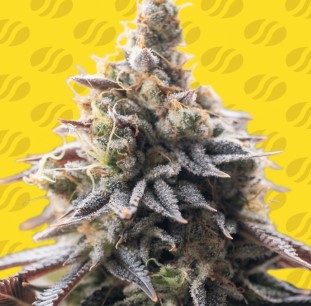
The buds are generously coated with a layer of trichomes, giving them a frosty, sparkling appearance. Bright orange pistils weave through the purple and green backdrop, creating an aesthetically pleasing contrast. The dense structure of the buds reflects its indica-dominant genetics.
Aroma and Flavor Profile
As the name suggests, Grape Soda is celebrated for its grape-like aroma and flavor. Breaking open the buds releases a sweet, fruity scent reminiscent of grape soda or candy, with subtle undertones of citrus and earthiness. Upon consumption, the flavor is smooth and sweet, with pronounced notes of grape and berry complemented by hints of pine and spice. Cannabis aficionados who value a tasty smoking or vaping experience love it for its wonderful flavor profile.
Cannabinoid and Terpene Profile
Grape Soda’s effects and flavor are largely determined by its unique cannabinoid and terpene profile:
Cannabinoids:
- THC: Ranges from 18% to 22%, delivering potent psychoactive effects.
- CBD: Typically below 1%, contributing minimally to the strain’s overall effects.
- CBG: Trace amounts of cannabigerol (CBG) may be present, offering potential anti-inflammatory benefits.
Terpenes:
- Myrcene: The dominant terpene, known for its sedative and relaxing properties, as well as its earthy, musky aroma.
- Limonene: Contributes citrusy notes and offers mood-enhancing and stress-relieving effects.
- Caryophyllene: Contributes a peppery, spicy scent and possible anti-inflammatory properties.
- Linalool: Imparts floral and lavender notes, promoting relaxation and stress relief.
- Pinene: Enhances focus and provides anti-inflammatory benefits.
Effects and Recreational Uses
Grape Soda’s effects are predominantly relaxing and euphoric, making it a popular choice for evening or nighttime use. Below are the primary recreational effects:
- Euphoria: The strain’s high THC content delivers a quick onset of euphoria, uplifting the user’s mood and promoting a sense of happiness and well-being.
- Relaxation: As an indica-dominant hybrid, Grape Soda induces deep physical relaxation, helping to ease tension and stress.
- Sedation: Higher doses can lead to a sedative effect, making it an excellent choice for relaxing or getting ready for bed after a long day.
- Creativity: While primarily relaxing, the strain’s sativa component can spark mild bursts of creativity and focus in some users.
Recreational users often enjoy Grape Soda for its ability to enhance social interactions, artistic pursuits, or simply provide a flavorful and calming smoking experience. It pairs well with activities like watching movies, listening to music, or engaging in light-hearted conversations.
Medical Uses
Grape Soda’s therapeutic potential extends to a variety of medical conditions. It is a flexible choice for treating issues related to both physical and mental health because of its well-rounded effects. Below are some of its key medical applications:
1. Pain Relief: The combination of high THC levels and the presence of myrcene and caryophyllene makes Grape Soda effective at alleviating chronic pain, muscle spasms, and inflammation. It is commonly used by individuals suffering from conditions such as arthritis, fibromyalgia, and migraines.
2. Stress and Anxiety: The calming and mood-enhancing effects of Grape Soda can help reduce symptoms of stress, anxiety, and depression. The presence of limonene and linalool contributes to its anxiolytic properties.
3. Insomnia: Due to its sedative effects, Grape Soda is an excellent choice for individuals struggling with insomnia or other sleep disorders. Its ability to promote deep relaxation makes it easier for users to fall and stay asleep.
4. Appetite Stimulation: Like many high-THC strains, Grape Soda can stimulate appetite, making it beneficial for people who are experiencing appetite loss as a result of illnesses or therapies like chemotherapy.
5. Nausea and Vomiting: The strain’s antiemetic properties can help alleviate nausea and vomiting, making it useful for patients undergoing treatments like chemotherapy or managing gastrointestinal disorders.
6. Neurological Conditions: While research is ongoing, the presence of trace cannabinoids and terpenes in Grape Soda may offer neuroprotective benefits, potentially aiding in the management of conditions like epilepsy, multiple sclerosis, and Parkinson’s disease.
Scientific Insights and Research
Grape Soda’s effects and benefits can be better understood through a scientific lens:
- Interaction with the Endocannabinoid System (ECS):
- THC, the primary cannabinoid in Grape Soda, binds to CB1 receptors in the brain, leading to its psychoactive effects. This interaction is responsible for the euphoria, relaxation, and pain relief experienced by users.
- Terpenes such as myrcene and limonene interact synergistically with cannabinoids through the “entourage effect,” enhancing the strain’s overall efficacy.
- Therapeutic Potential of Terpenes:
- Myrcene: Known for its sedative properties, it enhances THC’s ability to promote relaxation.
- Limonene: Exhibits anti-anxiety and mood-lifting effects, supported by studies showing its potential to modulate serotonin and dopamine levels.
- Caryophyllene: Unique among terpenes, it acts as a cannabinoid by binding to CB2 receptors, providing anti-inflammatory and analgesic effects.
- Role of Anthocyanins:
- The purple coloration in Grape Soda is due to anthocyanins, which are antioxidants that may provide other health advantages like lowering oxidative stress and inflammation.
- Potential Risks:
- High THC levels can cause side effects such as dry mouth, dry eyes, dizziness, or paranoia in some users. Individuals with a low tolerance to THC or a predisposition to anxiety should use Grape Soda with caution.
Scientific Approach to Cultivating Grape Soda
1. Genetic Stability and Seed Selection
- Phenotype Hunting: Since Grape Soda is a hybrid, growers should select seeds or clones from reputable breeders to ensure genetic consistency. A stable phenotype ensures uniform growth, flavor, and potency.
- Feminized vs. Regular Seeds: Feminized seeds are preferred for consistent female plants (producing buds), while regular seeds may require sexing to remove males (which can pollinate and reduce bud production).
2. Environmental Control
Maintaining an optimal environment is crucial for Grape Soda’s growth and cannabinoid-rich yield.
Temperature
- Vegetative Stage: Ideal temperature ranges between 70–85°F (21–29°C).
- Flowering Stage: Lower temperatures, around 65–80°F (18–26°C), enhance resin production and can intensify purple anthocyanin pigmentation.
- Cool Nights: Exposing plants to cooler night temperatures during the flowering stage (10–15°F lower than daytime) encourages the vibrant purple hues characteristic of Grape Soda.
Humidity
- Seedling Stage: High humidity (60–70%) supports early root development.
- Vegetative Stage: Moderate humidity (50–60%) helps plants absorb nutrients effectively.
- Flowering Stage: Lower humidity (40–50%) prevents mold and bud rot in the dense flowers.
Light Intensity
- Vegetative Phase: High-intensity lights (400–600 μmol/m²/s) for 18–24 hours daily promote vigorous growth.
- Flowering Phase: A 12-hour light cycle with increased light intensity (~700 μmol/m²/s) ensures optimal bud development. LED lights are preferred to reduce heat stress and maximize energy efficiency.
Air Circulation and CO₂
- Proper airflow prevents pest infestations and fungal growth. Oscillating fans and inline exhaust systems ensure even air distribution.
- Enriching the environment with CO₂ (800–1200 ppm) during the flowering stage enhances photosynthesis and yields.
3. Nutrient Management
Grape Soda requires precise feeding regimens tailored to its growth stages.
Nutrients by Growth Stage
- Seedling Stage: Low-strength nutrients (~300–400 ppm) rich in phosphorus promote root development.
- Vegetative Stage: High nitrogen levels support leafy growth, while potassium and micronutrients like magnesium and calcium are vital for cellular functions.
- Flowering Stage: Lower nitrogen but increased phosphorus and potassium encourage bud development. Bloom enhancers with sulfur and magnesium improve terpene and flavonoid production.
pH Levels
- Maintain a soil pH of 6.0–6.5 or a hydroponic pH of 5.5–6.0 to optimize nutrient uptake and avoid deficiencies.
4. Cultivation Mediums
The choice of growing medium influences nutrient delivery and plant health.
Soil
- Organic soil enriched with compost and microbial life supports natural terpene enhancement. Using soil with added bat guano, kelp meal, or worm castings benefits the flavor and potency.
Coco Coir
- Provides excellent drainage and root aeration. Requires regular feeding with nutrient solutions to maintain proper pH and nutrient levels.
Hydroponics
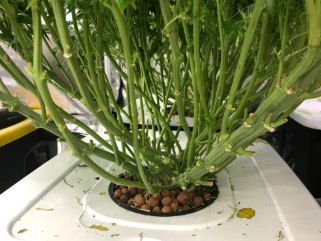
- In systems like deep water culture (DWC) or nutrient film technique (NFT), plants grow faster and yield more. However, growers must closely monitor pH, EC (electrical conductivity), and water temperature (~68°F/20°C).
5. Training Techniques
Training techniques are used to manipulate plant growth and maximize light exposure.
Low-Stress Training (LST):
- Bending and tying branches horizontally promotes even canopy growth, ensuring all buds receive equal light exposure.
Topping and FIMing:
- Cutting the main stem encourages the growth of multiple colas (bud sites), increasing yield potential.
Screen of Green (ScrOG):
- A net or screen spreads the canopy evenly, optimizing light penetration and airflow.
Defoliation:
- Removing excess fan leaves improves airflow and redirects energy to bud production, enhancing density and quality.
6. Anthocyanin Optimization
The deep purple coloration of Grape Soda buds is a result of anthocyanin expression. To enhance this feature:
- Temperature Drop: Cool night temperatures during late flowering encourage anthocyanin accumulation.
- Genetic Selection: Ensure seeds or clones are predisposed to purple phenotypes.
- UV-B Exposure: Controlled UV-B light exposure can boost anthocyanin levels and resin production.
7. Integrated Pest Management (IPM)
A successful harvest depends on preventing diseases and pests.
- Common Pests: Spider mites, aphids, and thrips are common threats.
- Use neem oil, insecticidal soaps, or beneficial insects (e.g., ladybugs) for control.
- Fungal Protection: Dense Grape Soda buds are prone to mold and powdery mildew. Maintain humidity below 50% and ensure proper airflow.
8. Harvesting and Curing
Proper harvesting and curing preserve Grape Soda terpene profile and enhance potency.
Harvest Timing:
- Monitor trichomes using a magnifying glass or microscope:
- Clear trichomes: Immature.
- Milky trichomes: Peak THC levels.
- Amber trichomes: More sedative effects.
- Harvest when 70–90% of trichomes are milky and a small percentage are amber.
Drying:
- Hang buds upside down in a dark, cool room (60–70°F, 50–60% humidity) for 7–10 days.
Curing:
- Place dried buds in airtight glass jars, opening daily for the first 1–2 weeks to release excess moisture.
- Proper curing enhances the strain flavor and smoothness while reducing harshness.
9. Yield Optimization
- By combining proper training techniques, nutrient management, and environmental control, growers can achieve yields of 14–18 ounces per square meter indoors or 16–20 ounces per plant outdoors.
10. Scientific Insights into Quality Control
Testing and monitoring ensure Grape Soda achieves its maximum potential:
- Cannabinoid Testing: Use chromatography to analyze THC, CBD, and other cannabinoids.
- Terpene Testing: Gas chromatography-mass spectrometry (GC-MS) evaluates terpene composition for flavor and therapeutic properties.
- Microbial Testing: Screen for mold, mildew, and contaminants to ensure safety.
Methods of Ingestion for Grape Soda Cannabis
The method of ingestion determines how cannabinoids and terpenes are absorbed, impacting the onset, duration, and overall experience. Below are the primary methods:
1. Smoking
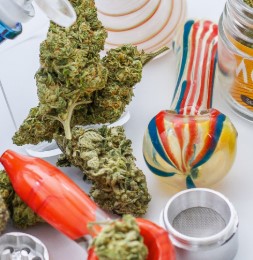
- Description: The traditional method involves combusting the flower and inhaling the smoke.
- Absorption: Cannabinoids are absorbed through the lungs, entering the bloodstream almost instantly.
- Onset: 1–3 minutes.
- Peak Effects: 10–30 minutes after ingestion.
- Duration: 1.5–3 hours.
- Advantages:
- Quick onset allows for easy dosage control.
- Preserves some terpenes, providing a flavorful experience.
- Disadvantages:
- Hazardous byproducts, such as carbon monoxide and tar, are produced during combustion.
- May irritate the throat or lungs.
- Best For:
- Immediate effects for recreational or medical purposes, such as pain relief or stress reduction.
2. Vaporization
- Description: Uses a vaporizer to heat cannabis to a temperature that activates cannabinoids and terpenes without combustion.
- Absorption: Similar to smoking, but cleaner due to the absence of harmful combustion byproducts.
- Onset: 1–3 minutes.
- Peak Effects: 10–30 minutes.
- Duration: 1.5–3 hours.
- Advantages:
- Preserves a higher percentage of terpenes and cannabinoids.
- Produces smoother vapor, reducing lung irritation.
- Disadvantages:
- Requires specific equipment.
- Initial cost of a vaporizer can be high.
- Best For:
- Users who want flavor-rich experiences with reduced lung impact.
3. Edibles
- Description: Cannabis is infused into food or drink, and cannabinoids are metabolized by the digestive system.
- Absorption: Delta-9-THC is converted to 11-hydroxy-THC by the liver, a more potent and long-lasting compound.
- Onset: 30–90 minutes (varies based on metabolism and whether consumed with food).
- Peak Effects: 2–4 hours after ingestion.
- Duration: 4–8 hours.
- Advantages:
- Discreet and convenient.
- Long-lasting effects make it suitable for chronic conditions.
- Disadvantages:
- The chance of overconsumption rises with delayed commencement.
- Dosage can be challenging to estimate without precise labeling.
- Best For:
- Patients managing chronic pain, insomnia, or prolonged stress.
4. Tinctures and Sublinguals
- Description: Liquid cannabis extracts administered under the tongue for direct absorption.
- Absorption: Cannabinoids enter the bloodstream via mucous membranes, bypassing the digestive system.
- Onset: 15–45 minutes.
- Peak Effects: 30–90 minutes.
- Duration: 2–6 hours.
- Advantages:
- Faster onset compared to edibles.
- Precise dosing with droppers.
- Disadvantages:
- Can have a strong herbal taste.
- Best For:
- Users seeking discreet, fast-acting relief without smoking.
5. Topicals
- Description: Patches, balms, or creams containing cannabis included that are applied topically.
- Absorption: Cannabinoids bind to CB2 receptors in the skin without entering the bloodstream.
- Onset: 15–30 minutes.
- Peak Effects: 30 minutes to 1 hour.
- Duration: 1–3 hours.
- Advantages:
- Non-psychoactive, as cannabinoids do not reach the bloodstream.
- Effective for localized pain, inflammation, and skin conditions.
- Disadvantages:
- Limited to topical applications.
- Best For:
- Users treating localized issues like arthritis or muscle soreness.
6. Capsules
- Description: Pre-measured cannabis oil or decarboxylated flower in pill form.
- Absorption: Similar to edibles, metabolized in the digestive system.
- Onset: 30–90 minutes.
- Peak Effects: 2–4 hours.
- Duration: 6–10 hours.
- Advantages:
- Precise dosing for medical users.
- Long-lasting and consistent effects.
- Disadvantages:
- Delayed onset similar to edibles.
- Best For:
- Medical users who require steady, prolonged relief.
7. Dabbing (Concentrates)
- Description: Inhaling vaporized cannabis concentrates like wax, shatter, or live resin.
- Absorption: Similar to smoking, but with much higher cannabinoid concentrations.
- Onset: 1–3 minutes.
- Peak Effects: 10–30 minutes.
- Duration: 1–3 hours.
- Advantages:
- Extremely potent and fast-acting.
- Concentrates often contain robust terpene profiles.
- Disadvantages:
- Requires specialized equipment (e.g., dab rigs or e-nails).
- Potency makes it unsuitable for novices.
- Best For:
- Experienced users seeking powerful effects or fast relief.
Factors Influencing Onset and Duration
Several variables influence how quickly effects are felt and how long they last:
- Dosage:
- Higher doses result in stronger and longer-lasting effects.
- Start low and go slow, especially with edibles and tinctures.
- Metabolism:
- Faster metabolism shortens onset time and duration.
- Individuals with slower metabolisms may experience prolonged effects.
- Tolerance:
- Frequent users may require higher doses for the same effects.
- New users should begin with small doses, especially with high-THC strains like Grape Soda.
- Consumption with Food:
- Consuming edibles or tinctures with fatty foods enhances cannabinoid absorption.
- Empty stomach ingestion often results in faster onset but more intense effects.
- Cannabinoid Profile:
- Grape Soda high THC content contributes to quick onset and potent psychoactive effects.
- Low CBD levels mean fewer balancing effects, which could lead to a more pronounced high.
- Terpene Synergy:
- Terpenes like myrcene (sedative), limonene (uplifting), and caryophyllene (anti-inflammatory) modulate the strain effects through the “entourage effect.”
Onset and Duration by Ingestion Method
| Method | Onset Time | Peak Effects | Duration |
|---|---|---|---|
| Smoking | 1–3 minutes | 10–30 minutes | 1.5–3 hours |
| Vaporization | 1–3 minutes | 10–30 minutes | 1.5–3 hours |
| Edibles | 30–90 minutes | 2–4 hours | 4–8 hours |
| Tinctures | 15–45 minutes | 30–90 minutes | 2–6 hours |
| Topicals | 15–30 minutes | 30 minutes to 1 hr | 1–3 hours |
| Capsules | 30–90 minutes | 2–4 hours | 6–10 hours |
| Dabbing | 1–3 minutes | 10–30 minutes | 1–3 hours |
Conclusion
Grape Soda is a remarkable cannabis strain that combines a delectable flavor profile with potent effects and versatile therapeutic potential. Its indica-dominant genetics, high THC content, and rich terpene profile make it a favorite among recreational and medical users alike. Whether you’re seeking relief from chronic pain, stress, or insomnia, or simply looking for a flavorful way to unwind, Grape Soda offers a well-rounded and enjoyable experience.
With its striking appearance, enticing aroma, and scientifically-backed benefits, Grape Soda continues to solidify its position in the cannabis community as a notable strain. As research into cannabis and its constituents evolves, strains like Grape Soda exemplify the diverse and multifaceted nature of this remarkable plant.
For a complete directory of cultivars, visit our Cannabis Strain Reviews.
