Table of Contents
Grape Skunk is a well-regarded hybrid cannabis strain, renowned for its fruity aroma, potent effects, and versatility. This strain derives its name from its distinct grape-like scent and the “skunky” undertone, which cannabis enthusiasts will recognize as a hallmark of high-quality strains. With a balanced combination of indica and sativa properties, Grape Skunk has become popular among both medical and recreational users for its wide range of benefits.
Lineage and Genetics
Grape Skunk is a descendant of three powerhouse strains: Blueberry, Super Skunk, and an unknown purple strain. These parent strains contribute to Grape Skunk’s rich terpene profile, vibrant purple hues, and potent effects. Blueberry provides the fruity sweetness, Super Skunk imparts the pungent aroma, and the purple lineage enhances its visual appeal and calming effects.
Appearance, Aroma, and Flavor
- Appearance: Grape Skunk features dense, resinous buds with deep purple hues and bright orange pistils. The trichome coating gives the buds a frosted appearance, indicating high potency.
- Aroma: The scent profile combines sweet, fruity grape notes with earthy and skunky undertones. Upon breaking the buds, a more intense skunky aroma is released.
- Flavor: The flavor mirrors its aroma, offering a sweet grape taste on the inhale and a slightly spicy, skunky finish on the exhale. Some users also note hints of berry and citrus.
Cannabinoid and Terpene Profile
Grape Skunk is a moderately potent strain with THC levels typically ranging between 16% and 24%. Some phenotypes may have a lower THC content, making it suitable for novice users, while others can be quite potent, appealing to experienced consumers.
- CBD Levels: Generally, Grape Skunk has low CBD levels (<1%), making it less suitable for conditions that require high CBD content.
- Terpenes: The dominant terpenes in Grape Skunk include:
- Myrcene: Responsible for the strain’s sedative and relaxing effects.
- Limonene: Adds a citrusy undertone and contributes to mood enhancement.
- Caryophyllene: Known for its anti-inflammatory and analgesic properties, it adds a spicy kick.
Effects and Uses
Grape Skunk’s balanced hybrid nature provides a blend of physical relaxation and mental stimulation. The effects typically onset quickly and can last for several hours, depending on dosage and individual tolerance.
Recreational Uses
- Mood Enhancement: Grape Skunk is celebrated for its euphoric effects, making it an excellent choice for social gatherings or creative activities.
- Relaxation: The strain’s indica side induces a soothing body high, perfect for unwinding after a long day.
- Focus and Creativity: At lower doses, the strain can enhance focus and inspire creative thinking, making it perfect for creative pursuits or brainstorming meetings.
- Evening Use: While it’s versatile enough for daytime use, Grape Skunk is particularly favored for evening sessions due to its calming effects.
Medical Applications
Grape Skunk’s cannabinoid and terpene profile make it a popular choice for addressing a variety of medical conditions:
- Chronic Pain:
- The high THC content and caryophyllene contribute to its analgesic properties.
- Beneficial for ailments like migraines, fibromyalgia, and arthritis.
- Anxiety and Stress:
- The calming effects of myrcene and limonene help reduce anxiety and stress levels.
- Ideal for individuals looking for relief without feeling overly sedated.
- Depression:
- The uplifting effects can improve mood and combat symptoms of depression.
- Encourages a positive outlook and motivation.
- Insomnia:
- In higher doses, Grape Skunk’s indica traits shine through, helping users fall asleep faster and enjoy a restful night.
- Appetite Stimulation:
- Known to induce the “munchies,” it’s beneficial for patients dealing with appetite loss due to chemotherapy, HIV/AIDS, or other conditions.
- Inflammation:
- Caryophyllene’s anti-inflammatory properties make it effective for conditions like Crohn’s disease and irritable bowel syndrome (IBS).
- Muscle Spasms and Cramps:
- The relaxing body high helps alleviate muscle tension and spasms, providing relief to individuals with conditions like multiple sclerosis.
Scientific Insights
- Cannabinoid Interaction:
- THC binds to CB1 receptors in the brain, resulting in psychoactive effects and pain relief.
- Caryophyllene interacts with CB2 receptors, providing anti-inflammatory benefits without psychoactivity.
- Terpene Synergy:
- The entourage effect enhances the strain’s therapeutic potential. For example, myrcene’s sedative effects are amplified when combined with THC.
- Tolerance and Dosing:
- Due to its variable THC levels, starting with a low dose is recommended for new users. Regular consumers may find that moderate doses provide the best balance of effects.
Cultivation Methods for Grape Skunk
Cultivating Grape Skunk cannabis involves understanding its genetic needs, environmental preferences, and nutrient requirements. Here’s a detailed guide with scientific insights:
1. Optimal Growing Conditions
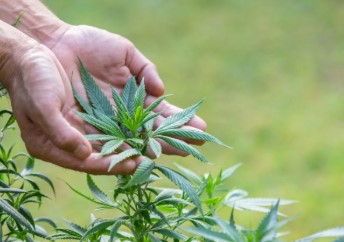
- Temperature: Grape Skunk thrives in a controlled environment with temperatures ranging from 70°F to 85°F (21°C to 29°C). Cooler temperatures during the flowering phase can enhance the purple coloration due to anthocyanin expression.
- Humidity: Relative humidity (RH) should be adjusted based on the plant’s growth stage:
- Vegetative stage: 55%-70% RH
- Flowering stage: 40%-50% RH to reduce the risk of mold and mildew on the dense buds.
- Light Cycle: As a photoperiod strain, Grape Skunk requires 18 hours of light during the vegetative stage and 12 hours of light during flowering to trigger bud production.
2. Growing Mediums
- Soil: Rich, organic soil with a pH of 6.0-7.0 is ideal. Amending the soil with compost or worm castings can improve nutrient availability and microbial activity.
- Hydroponics: Grape Skunk performs well in hydroponic systems, where nutrients are delivered directly to the roots. This method allows for faster growth and higher yields when conditions are optimized.
- Coco Coir: A coco coir medium can be used for its excellent water retention and aeration properties. This substrate supports healthy root development and reduces the risk of overwatering.
3. Nutrient Requirements
- Vegetative Stage:
- High levels of nitrogen (N) are crucial for robust foliage development.
- Phosphorus (P) and potassium (K) should be provided in moderate amounts to support root and stem strength.
- Flowering Stage:
- Reduce nitrogen levels while increasing phosphorus and potassium to promote bud development and resin production.
- Supplement with micronutrients like calcium (Ca), magnesium (Mg), and sulfur (S) for overall plant health.
- Feeding Schedule: Follow a balanced nutrient schedule, monitoring for deficiencies or toxicities. For example:
- Yellowing leaves during vegetative growth may indicate nitrogen deficiency.
- Burnt leaf tips can signal nutrient overfeeding.
4. Training Techniques
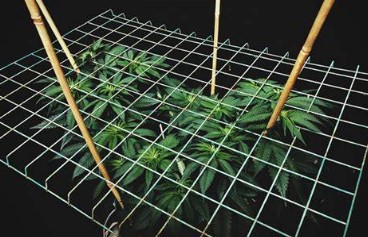
- Low-Stress Training (LST): Gently bend and tie down branches to increase light penetration and airflow to lower nodes, leading to more even bud production.
- Topping: Cutting the main stem encourages lateral growth and creates multiple colas for higher yields.
- Screen of Green (ScrOG): Use a net to train the plant horizontally, maximizing light exposure and space efficiency.
- Defoliation: Remove excess fan leaves to improve airflow and light penetration, reducing the risk of mold.
5. Pest and Disease Management
- Common Pests:
- Spider mites, aphids, and whiteflies are common in cannabis cultivation.
- Introduce beneficial insects like ladybugs and predatory mites for natural pest control.
- Disease Prevention:
- Use silica-based supplements to strengthen plant cell walls, making them more resistant to pathogens.
- Maintain proper airflow with oscillating fans and regularly prune to prevent powdery mildew and bud rot.
- Implement crop rotation and sterilize tools to minimize pathogen buildup.
6. Advanced Techniques
- Cloning:
- Grape Skunk can be propagated through cloning to preserve its genetic traits.
- Take healthy cuttings during the vegetative stage and place them in a rooting medium under 18 hours of light.
- CO₂ Enrichment:
- Supplementing with carbon dioxide (CO₂) during the flowering phase can boost photosynthesis, leading to increased yields. Maintain CO₂ levels between 1000-1500 ppm in a sealed grow room.
- Flushing:
- Flush plants with plain water or a flushing solution 1-2 weeks before harvest to remove excess nutrients and enhance the strain’s flavor and aroma.
7. Harvesting and Curing
- Harvest Timing:
- Monitor trichome color to determine harvest readiness:
- Clear trichomes: Immature buds.
- Milky trichomes: Peak THC levels.
- Amber trichomes: More sedative effects.
- Monitor trichome color to determine harvest readiness:
- Drying:
- Hang buds upside down in a dark room with a temperature of 60°F-70°F (15°C-21°C) and 50%-60% humidity for 7-14 days.
- Curing:
- For the first week, put the dried buds in sealed glass jars and open them every day. to release moisture. This process enhances the flavor and potency over time.
Potential Side Effects
Like all cannabis strains, Grape Skunk may cause some side effects, especially when consumed in high doses:
- Dry Mouth and Eyes:
- Staying hydrated and using eye drops can mitigate these common effects.
- Dizziness:
- Novice users or those sensitive to THC may experience mild dizziness.
- Paranoia:
- Rare but possible, particularly in individuals prone to anxiety or those who consume too much.
- Lethargy:
- At higher doses, the sedative effects may lead to excessive drowsiness.
Comparing Grape Skunk to Similar Strains
- Grape Ape:
- Both strains share a grape flavor, but Grape Ape leans more towards indica, offering stronger sedative effects.
- Purple Urkle:
- Similar in flavor and appearance, but Purple Urkle is more relaxing and less balanced in its effects.
- Super Skunk:
- Shares the skunky aroma but lacks the fruity sweetness and uplifting effects of Grape Skunk.
Grape Skunk’s Methods of Ingestion, Duration, and Onset
Grape Skunk, like other cannabis strains, offers various methods of ingestion, each with distinct effects, onset times, and durations. The method chosen can significantly influence the user experience based on personal preferences, medical needs, or recreational goals.
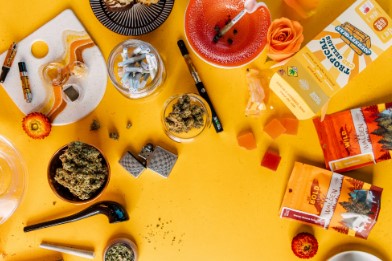
1. Smoking
Smoking is one of the most common methods for consuming Grape Skunk.
- Process: Buds are rolled into joints, smoked in pipes, or inhaled through bongs.
- Onset: Effects begin almost immediately, typically within 1-3 minutes of inhalation, as cannabinoids quickly enter the bloodstream through the lungs.
- Duration: The high lasts 1-3 hours, depending on tolerance and the amount consumed.
- Advantages:
- Rapid onset allows for precise dose control.
- Enhances Grape Skunk’s terpene profile, delivering its signature grape and skunky flavors.
- Disadvantages:
- Potential lung irritation from combustion byproducts.
- Shorter duration compared to other methods.
2. Vaping
Vaping involves heating cannabis to release cannabinoids and terpenes without combustion.
- Process: Grape Skunk is vaporized using dry herb vaporizers or vape pens with cannabis concentrates.
- Onset: Effects are noticeable within 1-5 minutes, similar to smoking, due to rapid absorption through the lungs.
- Duration: Effects last 2-4 hours, slightly longer than smoking.
- Advantages:
- Less damaging to the lungs than smoking.
- Preserves terpenes and cannabinoids better, offering a purer flavor and more controlled experience.
- Discreet and portable.
- Disadvantages:
- Requires specialized equipment.
- Initial cost of vaporizers can be high.
3. Edibles
Edibles are cannabis-infused foods or beverages.
- Process: Grape Skunk is decarboxylated (heated to activate THC) and infused into butter, oils, or other consumables.
- Onset: Effects are delayed, typically beginning 30 minutes to 2 hours after ingestion, as THC is converted by the liver into the more powerful molecule 11-hydroxy-THC.
- Duration: Effects last 6-8 hours or longer, depending on dose and individual metabolism.
- Advantages:
- Long-lasting effects are beneficial for chronic pain or insomnia.
- No impact on the lungs, making it suitable for non-smokers.
- Disadvantages:
- Delayed onset increases the risk of overconsumption by inexperienced users.
- Effects can be more intense due to the metabolite’s potency.
4. Sublingual (Tinctures and Oils)
Putting cannabis oils or tinctures under the tongue is known as sublingual administration.
- Process: Tinctures containing Grape Skunk cannabinoids and terpenes are absorbed through the sublingual glands.
- Onset: Effects are noticeable within 15-30 minutes, as cannabinoids bypass the digestive system and enter the bloodstream directly.
- Duration: Lasts 4-6 hours.
- Advantages:
- Rapid and consistent onset compared to edibles.
- Discreet and easy to dose accurately.
- Disadvantages:
- Some users may dislike the taste of cannabis tinctures.
- Effects may not be as long-lasting as edibles.
5. Topicals
Topicals are cannabis-infused creams, balms, or patches applied to the skin.
- Process: Grape Skunk-infused products are applied to specific areas for localized relief.
- Onset: Effects are typically felt within 15-30 minutes, depending on the product.
- Duration: Relief can last 4-6 hours, though transdermal patches may provide longer effects.
- Advantages:
- Non-psychoactive (except transdermal patches with THC).
- Perfect for skin issues, inflammation, or localized pain.
- Disadvantages:
- Limited to external applications, except for transdermal patches.
6. Dabbing
Dabbing involves vaporizing cannabis concentrates, such as wax, shatter, or resin.
- Process: Grape Skunk extracts are heated on a hot surface (nail) and inhaled through a dab rig.
- Onset: Effects are felt almost instantly (1-2 minutes) due to the high potency and rapid absorption.
- Duration: Effects last 2-4 hours, depending on the dose.
- Advantages:
- Extremely potent, providing immediate and intense relief.
- Concentrates offer a purer profile of Grape Skunk cannabinoids and terpenes.
- Disadvantages:
- Requires specialized equipment and expertise.
- For inexperienced users, potency could be too much.
7. Capsules and Pills
Cannabis capsules contain pre-measured doses of cannabinoids.
- Process: Swallowed like regular pills, the cannabinoids are absorbed through the digestive system.
- Onset: Similar to edibles, effects begin 30 minutes to 2 hours after ingestion.
- Duration: Effects last 6-8 hours or more.
- Advantages:
- Precise dosing for medical patients.
- Convenient and discreet.
- Disadvantages:
- Delayed onset may lead to overconsumption.
- Less variety in flavors or experiences compared to other methods.
8. Suppositories
Cannabis suppositories are absorbed through the rectal or vaginal walls.

- Process: Inserted directly, allowing cannabinoids to enter the bloodstream through mucosal absorption.
- Onset: Effects begin within 15-30 minutes, faster than edibles but slower than smoking or vaping.
- Duration: Lasts 4-8 hours, depending on the dose.
- Advantages:
- Avoids the digestive tract and lungs entirely, reducing potential side effects.
- Provides localized and systemic relief, making it suitable for pain or inflammation in the pelvic region.
- Disadvantages:
- Limited research and availability compared to other methods.
- May be uncomfortable for some users.
Factors Influencing Onset and Duration
- Metabolism: Faster metabolisms lead to quicker effects, particularly for edibles and capsules.
- Dosage: Higher doses intensify effects and may prolong duration.
- Tolerance: Regular cannabis users may experience shorter durations and reduced intensity.
- Delivery System: Methods like vaping and dabbing deliver cannabinoids directly to the bloodstream, while edibles require metabolism.
- Individual Physiology: Body fat, hydration, and overall health influence how cannabinoids are absorbed and processed.
- Conclusion: Each method of ingestion provides unique experiences, with varying onset times and durations. Choosing the right method for Grape Skunk depends on individual preferences, desired effects, and specific therapeutic or recreational goals.
Conclusion
Grape Skunk is a versatile hybrid that combines the best of its indica and sativa genetics. With its delightful flavor, potent effects, and wide-ranging medical applications, it has earned a reputation as a go-to strain for both recreational and therapeutic use. Whether you’re seeking relaxation, pain relief, or a mood boost, Grape Skunk offers something for everyone, making it a must-try for cannabis enthusiasts.
For a complete directory of cultivars, visit our Cannabis Strain Reviews.
