Table of Contents
The Grape OX cannabis strain is a unique hybrid that is often sought after for its rich terpene profile, potent effects, and distinctive characteristics. It is highly regarded for its relaxing yet euphoric high, which makes it an ideal choice for a variety of users, whether they are seeking therapeutic relief or recreational enjoyment. Below is a comprehensive and structured look at the Grape OX strain, with specific focus on its medical and recreational uses, as well as scientific insights.
Strain Background and Origins
The Grape OX strain is an indica-dominant hybrid, with a genetic makeup that typically consists of around 70% indica and 30% sativa. Its lineage can be traced back to two popular strains: Grape Ape and Oaxaca, both of which contribute to the unique characteristics of Grape OX.
- Grape Ape: Known for its deep purple hues, fruity aroma, and relaxing effects, Grape Ape brings a calming quality to the hybrid, providing users with a deep sense of relaxation and stress relief.
- Oaxaca: A sativa-dominant strain, Oaxaca contributes a touch of creativity and cerebral effects to the Grape OX, enhancing the overall experience with a euphoric and uplifting high.
As a result, Grape OX combines the best of both worlds: the relaxing body effects of an indica with a slightly euphoric and creative head high from the sativa influence.
Appearance and Flavor Profile
The Grape OX cannabis strain is visually appealing, with buds that are dense, compact, and often coated in trichomes that give it a frosty appearance. The nugs are typically a vibrant green with deep purple hues, reflecting the influence of the Grape Ape parent strain. Orange pistils can often be seen winding their way through the buds.
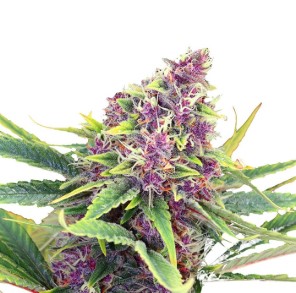
Terpene Profile: The flavor profile of Grape OX is one of its standout features. It has a sweet, fruity aroma that is reminiscent of ripe grapes, followed by earthy undertones. The flavor carries over into the smoke, which is smooth with notes of berry and grape, complemented by a subtle herbal flavor.
- Myrcene: The dominant terpene in Grape OX is myrcene, which imparts a musky, earthy scent it adds to the strain’s calming properties. Myrcene is also known for its sedative qualities, making it an excellent choice for those seeking relief from insomnia or anxiety.
- Limonene: Another prominent terpene in Grape OX is limonene, which gives the strain its citrusy, sweet aroma. Limonene is often linked to mood-enhancing and stress-relieving effects, providing a balance to the relaxation that myrcene brings.
- Pinene: With hints of pine, pinene is another terpene found in Grape OX. Pinene is known for its anti-inflammatory and bronchodilator effects, promoting easier breathing and reducing symptoms of asthma or bronchitis.
THC and CBD Content
Grape OX is considered a potent strain, with THC content typically ranging between 18% and 24%, though some phenotypes may fall outside this range. This makes it suitable for both seasoned users and those with a higher tolerance to THC. The CBD content, on the other hand, is typically low, usually under 1%, so the strain is not ideal for those seeking significant cannabidiol benefits.
Given its high THC content, Grape OX is well-suited for users who are looking for a strong, relaxing effect, although new users or those with a lower tolerance should approach it with caution.
Effects and High: Medical and Recreational Uses
Recreational Effects
For recreational users, Grape OX is ideal for unwinding after a long day. The high begins with a cerebral euphoria, characterized by a sense of happiness and uplifted mood. This euphoric head high is accompanied by a physical sense of relaxation that spreads throughout the body. While users often feel relaxed and at ease, they are not likely to become too sedated or couch-locked, making this strain versatile for both socializing and solo activities.

As the effects set in, some users report a heightened sense of creativity and focus, making it suitable for artistic activities or engaging in light physical exercise. The balance between cerebral stimulation and physical relaxation makes Grape OX a good option for daytime or evening use.
Medical Effects
The therapeutic benefits of Grape OX are diverse, making it a popular choice among medical marijuana patients. Here are some of the key medical uses:

- Stress and Anxiety Relief: The calming, relaxing effects of Grape OX are highly effective in reducing symptoms of stress and anxiety. The euphoric head high allows users to break free from negative thought patterns, while the physical relaxation helps relieve muscle tension and promote a sense of calm.
- Chronic Pain Relief: The strain’s body-relaxing effects can provide significant relief for individuals dealing with chronic pain conditions. Whether the pain is related to arthritis, fibromyalgia, or other musculoskeletal issues, Grape OX can help alleviate discomfort and improve overall quality of life.
- Insomnia and Sleep Disorders: Thanks to its myrcene content, Grape OX is an excellent choice for people with sleep difficulties, such as insomnia. The sedative effects help users wind down and enjoy a deep, restful sleep, without the drowsiness frequently linked to other sleep aids.
- Appetite Stimulation: Like many indica-dominant strains, Grape OX is known to stimulate appetite, which can be beneficial for individuals experiencing nausea or appetite loss due to chemotherapy, medications, or other medical conditions.
- Muscle Relaxation: Grape OX is also effective for relieving muscle spasms or tension. Its relaxing properties can be particularly helpful for individuals who experience physical stress or muscle soreness from activities such as intense workouts or physical labor.
Side Effects
Like any cannabis strain, Grape OX can cause side effects, especially when consumed in large amounts or by those who are sensitive to THC. Common side effects include:
- Dry Mouth and Eyes: This is a common effect of most cannabis strains, and Grape OX is no exception. Staying hydrated while consuming the strain can help alleviate this discomfort.
- Dizziness or Lightheadedness: Some users may experience dizziness, especially if they are not accustomed to high-THC strains. This effect can be mitigated by starting with small doses.
- Anxiety or Paranoia: Although Grape OX is generally considered to have calming and uplifting effects, in some cases, high doses or use by individuals with a low tolerance to THC may cause anxiety or paranoia.
Cultivation and Growing Tips
The cultivation of the Grape OX cannabis strain involves both basic and advanced techniques, with careful attention to environmental conditions, plant health, and nutrient requirements. Below is a deeper scientific look at how to cultivate Grape OX, including factors such as lighting, temperature, humidity, and soil composition.
Genetics and Phenotypic Variation
Grape OX is a hybrid strain, predominantly indica-dominant (70% indica, 30% sativa), which means it has characteristics that can vary based on its genetic inheritance. The genetic lineage, specifically from Grape Ape and Oaxaca, will influence traits such as flowering time, yield, and the plant’s overall structure.
- Indica Influence: Generally, indica strains tend to have a shorter, bushier structure, and Grape OX inherits this characteristic, often growing relatively compact with dense buds.
- Sativa Influence: While its indica dominance means it has more compact growth, the sativa influence in Grape OX often results in a slightly taller plant with some stretch during the vegetative phase. This is important to consider when planning space for cultivation.
Optimal Growing Conditions for Grape OX
Light Requirements
- Indoor Cultivation:
- Light Spectrum: For indoor growing, Grape OX benefits from a light spectrum that mimics natural sunlight. Using full-spectrum LED lights or high-pressure sodium (HPS) lamps is ideal. During the vegetative phase, blue light with a high color temperature (around 6500K) encourages strong root and stem development. During the flowering phase, a red spectrum (around 2700K) can enhance bud development.
- Light Duration: In the vegetative phase, Grape OX requires about 18 to 24 hours of light per day. During flowering, it should be switched to a 12/12 light cycle (12 hours of light and 12 hours of darkness), which helps trigger the plant’s flowering response.
- Outdoor Cultivation:
- Grape OX requires a sunny climate with plenty of direct light to thrive. It grows best in Mediterranean climates, where there is abundant sunlight during the growing season. If grown outdoors in regions with seasonal changes, it’s crucial to ensure the plants are exposed to enough light during the critical flowering period, especially around late summer and early fall.
Temperature and Humidity
- Temperature: Grape OX performs best at temperatures between 68°F to 77°F (20°C to 25°C) during the daytime. During the nighttime, it should not drop too low, ideally staying above 60°F (15°C). Temperatures that are too high (above 85°F or 29°C) can stunt growth and cause stress to the plant, while too low temperatures can lead to poor flowering or slowed growth.
- Humidity: Grape OX prefers moderate humidity levels, ranging from 40% to 60% during vegetative growth. As the plant enters the flowering stage, humidity should be lowered to about 40% to 50% to prevent mold growth and improve the quality of buds. Ensuring proper air circulation and using dehumidifiers in areas with high moisture content will help keep humidity levels in check.
Soil Composition and Nutrients
Grape OX is a relatively low-maintenance strain when it comes to soil, but providing the right growing medium can ensure maximum yield and quality.
- Soil Composition: Grape OX prefers well-draining, loamy soil that retains moisture but doesn’t stay waterlogged. A pH level between 6.0 to 7.0 is optimal, as cannabis plants generally prefer slightly acidic soil. You can mix soil with organic matter like compost, perlite, and vermiculite to improve aeration and drainage, ensuring the roots do not suffocate.
- Nutrients: The Grape OX strain, like most cannabis plants, requires different nutrients at different growth stages:
- Vegetative Stage: During this phase, plants require more nitrogen (N), as it promotes healthy leaf and stem growth. Phosphorus (P) and potassium (K) are still important, but nitrogen is the key nutrient.
- Flowering Stage: As the plant transitions into flowering, its need for phosphorus (P) and potassium (K) increases. These nutrients help develop strong buds and improve overall flower density. It is important to reduce nitrogen levels to avoid excessive vegetative growth at this stage.
Pruning and Training Techniques
To optimize the yield and quality of Grape OX, pruning and training techniques are essential, especially given the strain’s tendency to grow dense buds and bushy foliage.
Topping
Cutting off the plant’s main stem at the top is known as “topping,” because it encourages the development of multiple colas (main flowering sites). This helps to maximize the yield and can be particularly useful for indica-dominant hybrids like Grape OX, which tend to grow with a bushy appearance. Topping should be done in the vegetative stage before the plant begins to flower.
Low-Stress Training (LST)
Low-Stress Training is a technique used to gently bend and tie down the plant’s branches, encouraging horizontal growth rather than vertical growth. This technique allows for better light penetration to lower buds and helps the plant become more bushy, which can lead to higher yields. LST is particularly useful for Grape OX when grown indoors, where space might be limited.
Defoliation
Defoliation, or removing some of the leaves, can help increase airflow around the plant and improve light penetration to lower buds. However, it’s important to balance this with the plant’s natural need for leaves to produce energy through photosynthesis. Defoliating too much can stress the plant and reduce yields.
Screen of Green (SCROG)
The SCROG method involves using a net or screen to spread out the branches of the plant in a flat, even manner, which helps ensure that the plant’s energy is evenly distributed to all parts of the plant. This method can help Grape OX maximize bud sites and increase overall yields.
Harvesting and Post-Harvest Processing
Harvest Timing
Knowing when to harvest is crucial for ensuring the best flavor, potency, and yield. For Grape OX, the plant typically requires 8 to 10 weeks of flowering. When the trichomes (small, resin-producing glands) on the buds have turned from clear to cloudy or milky with some amber, this is typically the optimal time for harvest. The exact timing depends on whether the grower prefers more of a head high (harvest earlier when trichomes are mostly cloudy) or a more relaxing body effect (harvest when trichomes are more amber).
Drying and Curing
Once harvested, Grape OX needs to be dried and cured to maximize flavor and potency. The drying process should be done in a cool, dark area with low humidity (around 50% to 60%). After drying, curing in glass jars helps preserve the terpenes and cannabinoids. Over a period of 2 to 4 weeks, the buds should be opened daily to let excess moisture escape and allow fresh air to circulate.
Conclusion
In summary, the Grape OX cannabis strain offers a well-balanced experience with its blend of relaxation and euphoric effects. It is highly valued for its therapeutic potential, especially for individuals seeking relief from stress, anxiety, chronic pain, and sleep disorders. Its sweet, fruity flavor, combined with the soothing effects, makes it a popular choice among both medical and recreational users.
Whether you’re a patient seeking relief from physical or mental discomfort or someone looking to unwind and relax, Grape OX offers a versatile option with both medicinal and recreational benefits. Its ease of cultivation also makes it accessible for home growers, further contributing to its growing popularity in the cannabis community.
For a complete directory of cultivars, visit our Cannabis Strain Reviews.
