Table of Contents
Grape Krush is a highly regarded cannabis strain known for its unique flavor profile and balanced effects. It’s a hybrid strain that combines the best of both Indica and Sativa properties, making it versatile in both medical and recreational contexts. This strain is loved for its sweet, fruity aroma, reminiscent of ripe grapes, and its potent effects. Below is a comprehensive exploration of the Grape Krush strain, its medical and recreational uses, and a detailed breakdown of its scientific components.
Genetic Origins of Grape Krush
Grape Krush is a hybrid cannabis strain that typically falls into the category of a 50/50 Indica-to-Sativa ratio. This balance makes it an excellent choice for both beginners and seasoned users, providing a combination of uplifting and relaxing effects. The genetic lineage of Grape Krush can be traced back to two renowned strains:
- Purple Urkle: A classic Indica-dominant strain known for its deep purple color and sweet, berry-like aroma. Purple Urkle is often appreciated for its relaxing effects, which help ease stress and anxiety.
- Grape Ape: Another Indica-dominant strain, Grape Ape is famous for its grape-like aroma and potent relaxing effects. It often induces a sense of euphoria and deep relaxation.
The crossing of these two strains results in the Grape Krush hybrid, combining the relaxing properties of the Indica side with the uplifting and euphoric effects associated with Sativa genetics. This makes Grape Krush an excellent choice for individuals seeking a well-rounded experience that balances mental clarity with physical relaxation.
Appearance and Aroma
Grape Krush is visually appealing, with large, dense buds that are often a mix of deep greens and purples. These buds are typically coated in a layer of trichomes, which gives the plant a frosty appearance. The leaves often display hues of lavender or purple, which can be more pronounced in colder climates.
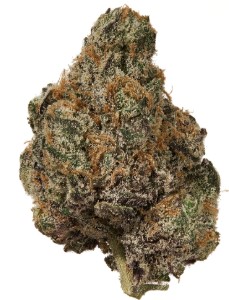
In terms of aroma, Grape Krush is true to its name. The strain has a distinctive grape-like scent, with notes of sweet, sugary fruit. There is also a subtle earthy undertone, adding complexity to the fragrance. When smoked, Grape Krush continues to emit a fruity, berry-like flavor, often complemented by a smooth, pleasant aftertaste. The fruity aroma and taste are one of the main reasons why this strain is so popular among cannabis enthusiasts.
Cannabinoid and Terpene Profile
Understanding the chemical composition of a cannabis strain is crucial for evaluating its effects. Grape Krush contains several key cannabinoids and terpenes that contribute to its unique experience.
Cannabinoid Profile:
- THC (Tetrahydrocannabinol): Grape Krush typically has a THC content of 18-22%, making it moderately potent. This allows it to offer an enjoyable high without overwhelming the user.
- CBD (Cannabidiol): The CBD content in Grape Krush is usually quite low, often less than 1%. This means that Grape Krush is primarily used for its psychoactive effects rather than its therapeutic benefits from CBD.
Terpene Profile:
- Myrcene: This terpene is commonly found in many cannabis strains and is known for its relaxing and sedative effects. Myrcene contributes to the earthy, musky aroma of Grape Krush and can enhance its relaxing qualities.
- Limonene: Limonene is a citrus-scented terpene often found in cannabis and citrus fruits. It is known for its mood-lifting and anti-anxiety effects, adding to the euphoric effects of Grape Krush.
- Caryophyllene: This terpene has a peppery, spicy aroma and is known for its anti-inflammatory and pain-relieving properties. It interacts with the body’s CB2 receptors and may contribute to the strain’s potential for easing pain and stress.
- Linalool: With a floral lavender aroma, linalool is known for its calming and sedative properties. It helps enhance Grape Krush’s ability to promote relaxation and stress relief.
Medical Uses of Grape Krush
Grape Krush offers a variety of medical benefits, making it a popular choice for patients seeking relief from various conditions. Its well-rounded effects, which combine both uplifting and relaxing properties, provide therapeutic benefits for both mental and physical health issues.
Mental Health Benefits

- Anxiety Relief: One of the most common reasons patients turn to Grape Krush is for its ability to alleviate anxiety. The mood-lifting effects of limonene and the calming properties of myrcene and linalool work together to help users feel at ease. The strain’s balance of relaxation without sedation makes it ideal for those dealing with generalized anxiety or situational stress.
- Depression: Grape Krush is also effective for managing symptoms of depression. The uplifting effects from its Sativa genetics can help lift mood and provide motivation, while its Indica side helps relax the body and mind, providing a sense of calm. This balance can be especially helpful for individuals who experience a combination of depression and physical tension.
- Insomnia: Due to its relaxing effects, Grape Krush is an excellent choice for people suffering from insomnia. The strain’s sedative qualities, particularly from myrcene, can help individuals unwind and fall asleep more easily, promoting restful sleep.
Physical Health Benefits
- Pain Relief: Grape Krush has moderate analgesic properties, making it a suitable option for individuals dealing with chronic pain, migraines, or general body aches. The anti-inflammatory effects of caryophyllene can help reduce swelling, while the overall relaxing nature of the strain can relieve tension in the muscles.
- Nausea: Some individuals use Grape Krush to help manage nausea, particularly nausea associated with chemotherapy or other medical treatments. Its calming effects and ability to stimulate appetite can help reduce the discomfort that often accompanies nausea.
- Appetite Stimulation: Like many cannabis strains, Grape Krush is known to increase appetite. This makes it useful for individuals who struggle with appetite loss due to medical conditions or treatments.
Recreational Uses of Grape Krush
Social Use
- Euphoria and Upliftment: The Sativa side of Grape Krush provides a sense of euphoria that can elevate mood and enhance social interactions. It’s a great choice for parties, gatherings, or simply enjoying time with friends.
- Creativity: Some users report an increase in creativity when using Grape Krush. Whether engaging in art, music, or problem-solving, the strain’s ability to enhance mental clarity and focus can make it an enjoyable companion for creative endeavors.

Relaxation and Recreation
- Evening Use: Grape Krush is often chosen for evening use due to its relaxing and calming effects. Whether winding down after a long day or simply enjoying a quiet night at home, Grape Krush provides a sense of relaxation without complete sedation, making it perfect for maintaining mental clarity while still achieving a relaxed state.
- Enjoyment of Music and Movies: Due to its mood-lifting and euphoric effects, Grape Krush can enhance the enjoyment of activities like listening to music or watching movies. The strain’s balanced effects can make everything feel more vivid and enjoyable.
Cultivation of Grape Krush
Genetic Characteristics of Grape Krush
As a hybrid strain with equal contributions from Indica and Sativa genetics, Grape Krush’s growth characteristics are influenced by both its parent strains. The Sativa genetics make it slightly taller and more lanky, while the Indica side contributes to a more compact structure. Cultivators need to account for this balance to manage plant height and overall growth shape effectively.
Optimal Growing Conditions
Light Requirements
- Indoor Cultivation: For indoor growers, Grape Krush benefits from at least 18 hours of light during the vegetative stage. As the plants begin flowering, light should be reduced to 12 hours per day to simulate the natural cycles of the sun.
- Outdoor Cultivation: When grown outdoors, Grape Krush thrives in regions with long, sunny days and a warm climate. It needs six hours or more of direct sunlight each day. The strain grows best in Mediterranean climates, with daytime temperatures between 70°F and 85°F (21°C to 29°C).
Temperature and Humidity
- Temperature: Grape Krush prefers moderate temperatures. While it can tolerate slightly warmer conditions, it is vital to avoid heat stress. Ideally, temperatures should range between 70°F and 85°F (21°C to 29°C) during the day. At night, a drop in temperature of around 10°F (5°C) can simulate natural conditions and promote healthy plant growth.
- Humidity: Cannabis plants are sensitive to humidity levels, and Grape Krush is no exception. During the vegetative phase, a humidity level of around 50-70% is ideal. However, during the flowering phase, the humidity should be reduced to about 40-50% to stop the growth of mold and mildew on the buds. Growers often use dehumidifiers in humid climates or during wet seasons to keep mold at bay.
Soil vs. Hydroponics
- Soil Cultivation: Growing Grape Krush in soil is a more natural method that allows the plants to absorb nutrients at a slower, more controlled rate. Soil cultivation enhances the natural flavor profile of the cannabis, and Grape Krush benefits from organic compost or rich, loamy soil. Organic soil provides a broader spectrum of nutrients and enhances the terpene profile, contributing to the strain’s distinct grape-like aroma.
- Hydroponics: For more advanced growers, hydroponics is a method that can lead to faster growth and higher yields. Hydroponic systems allow for more precise control over nutrients, pH levels, and water, leading to faster growth. While Grape Krush can be grown hydroponically, it requires more attention to detail and can be more difficult for inexperienced growers.
Nutrient Requirements
Macronutrients
- Nitrogen: During the vegetative phase, Grape Krush requires a high amount of nitrogen to support leaf and stem growth. Nitrogen promotes healthy foliage, which is essential for photosynthesis. However, too much nitrogen during flowering can lead to excessive vegetative growth and a reduced bud yield.
- Phosphorus: Phosphorus is crucial during the flowering phase for promoting healthy bud development. Grape Krush requires moderate amounts of phosphorus to enhance the formation of dense, resinous buds. It also plays a role in root development, which is vital for overall plant health.
- Potassium: Potassium is involved in various physiological processes in plants, such as water regulation, disease resistance, and bud quality. Grape Krush requires a steady supply of potassium, particularly during flowering, to help maintain plant health and optimize bud production.
Micronutrients
- Calcium and Magnesium: These two elements are crucial for maintaining healthy cell walls and promoting the transport of nutrients. A lack of calcium can lead to problems such as nutrient lockout, while magnesium deficiency can hinder photosynthesis and affect plant growth.
- Iron and Manganese: Iron and manganese play important roles in chlorophyll production and overall plant metabolism. Deficiency in these micronutrients can lead to yellowing leaves and stunted growth.
Training Techniques for Grape Krush
Topping
Topping is a common technique used to control the height of this strain plants and to promote the development of multiple main colas. By cutting off the top of the main stem, the plant redirects its energy to lateral branches, encouraging bushier growth. This technique is particularly useful for indoor growers, where space can be limited.
Low Stress Training (LST)
Low Stress Training (LST) is another effective technique for managing the growth of this strain. LST entails gently bending the branches of the plant to promote horizontal development. This increases light exposure to lower branches and can lead to more even bud production. LST is a great method for maximizing yields in indoor setups and for controlling the plant’s height in confined spaces.
Sea of Green (SOG)
The Sea of Green (SOG) method involves growing many smaller plants closely together to encourage rapid flowering. By cutting back vegetative growth and focusing on the buds, SOG cultivators maximize their yields within a limited space. This technique is particularly effective for it, as its hybrid nature can lead to numerous smaller buds, all of which benefit from the increased light and space in a SOG setup.
Flowering and Harvesting
Flowering Time
The flowering time for this strain is typically around 8-9 weeks, which is standard for many hybrid strains. During the flowering phase, it’s essential to ensure that the plants receive 12 hours of light and 12 hours of darkness to trigger the transition from vegetative growth to flowering. This light cycle imitates the natural cycle of the sun as it moves through the seasons.
- Cannabis Trichomes: As Grape Krush reaches its flowering peak, the trichomes on the buds will begin to mature. Growers often monitor the color of the trichomes (from clear to cloudy to amber) to determine the optimal harvest time. Harvesting when the trichomes are cloudy with some amber gives the best balance between potency and flavor.
Harvesting and Drying
Harvesting Grape Krush at the right time is crucial for maximizing potency and flavor. After harvesting, the buds should be dried slowly in a controlled environment with low humidity and proper air circulation. This curing process is key to preserving the terpene profile and ensuring smooth smoking experiences.
Pest and Disease Management
- Common Pests: Grape Krush can attract pests such as spider mites, aphids, and whiteflies. Regular inspections, the use of beneficial insects (such as ladybugs), and organic pest control methods can help keep pests in check.
- Mold and Mildew: Due to the strain’s relatively dense buds, growers must be diligent in controlling humidity levels to prevent mold and mildew growth. Proper airflow and the use of dehumidifiers can help reduce these risks.
Conclusion
Grape Krush is a well-balanced hybrid cannabis strain that offers both medical and recreational benefits. Its unique blend of fruity flavors, relaxing effects, and mood-enhancing properties makes it a versatile strain suitable for various occasions. Whether used to alleviate anxiety, improve sleep, manage pain, or simply enjoy a pleasant high, Grape Krush stands out as a popular choice among cannabis users. Its moderate potency, combined with a complex terpene profile, ensures that it remains a beloved strain in the cannabis community for years to come.
For a complete directory of cultivars, visit our Cannabis Strain Reviews.
