Table of Contents
Grape Inferno is an indica-dominant hybrid cannabis strain renowned for its flavorful profile, rich aroma, and therapeutic potential. Developed by TGA Subcool Seeds, this strain is a cross between the legendary Nepali OG and Querkle. With its high resin production and uniquely fruity terpene profile, Grape Inferno appeals to recreational users and medical patients alike. Below, we will explore the strain’s characteristics, specific medical and recreational uses, and scientific details to provide a detailed understanding of its properties.
Genetics and Cultivation
Grape Inferno owes its exceptional properties to its genetic lineage:
- Nepali OG: A landrace strain known for its resilience, earthy flavors, and potent calming effects. Nepali OG contributes to Grape Inferno’s soothing and relaxing characteristics.
- Querkle: A cross of Purple Urkle and Space Queen, Querkle brings a fruity, grape-forward aroma and a balanced indica-sativa hybrid profile, emphasizing euphoria and relaxation.
1. Ideal Growing Environment
Grape Inferno thrives under controlled conditions that mimic its natural indica-dominant characteristics. Here’s a detailed overview of its environmental preferences:
- Temperature: Optimal growth occurs between 70-80\u00b0F (21-27\u00b0C) during the day. During the flowering phase, nighttime temperatures should drop slightly to around 65\u00b0F (18\u00b0C) to encourage resin production and color expression (purple hues from Querkle lineage).
- Humidity:
- Vegetative Phase: Maintain a relative humidity (RH) of 50-60% to support vigorous growth.
- Flowering Phase: Reduce RH to 40-50% to prevent mold and mildew formation on dense buds.
- Light Requirements:
- Indoor Cultivation: Use high-intensity discharge (HID) lights or LED grow lights with a balanced spectrum for vegetation (blue light) and flowering (red light). Provide 18 hours of light per day during the vegetative stage and 12 hours during flowering.
- Outdoor Cultivation: Best grown in Mediterranean-like climates with abundant sunlight.
2. Soil and Nutrient Needs
Grape Inferno benefits from nutrient-rich mediums and precise feeding regimens:
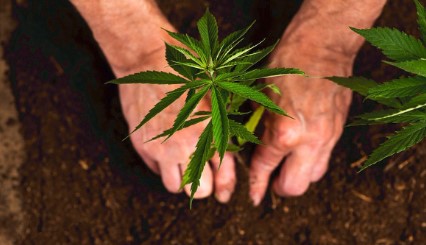
- Soil Type: Loamy soil with excellent drainage and aeration is ideal. Incorporate organic matter like compost or coco coir for nutrient retention and microbial health.
- pH Levels: Maintain soil pH between 6.0 and 6.5 to optimize nutrient uptake.
- Nutrient Requirements: Vegetative Phase: Focus on nitrogen (N) to support leafy growth. Recommended NPK ratio: 3-1-2.
- Flowering Phase: Transition to a phosphorus (P) and potassium (K)-dominant formula to enhance bud development and resin production.
- Recommended NPK ratio: 1-3-4. Supplement with calcium, magnesium, and micronutrients to prevent deficiencies and support overall health.
3. Training Techniques
Using advanced cultivation techniques can significantly improve yield and bud quality of Grape Inferno:
- (LST) Low Stress Training: To achieve a uniform canopy, gently bend and secure branches. This increases light exposure and improves airflow between buds.
- Screen of Green (ScrOG): Place a horizontal screen over the plants and weave branches through it to maximize light penetration and space efficiency in indoor setups.
- Defoliation: Remove excess fan leaves during flowering to improve light penetration to lower buds and reduce humidity around the plant.
- Topping and Pruning: Promote bushier growth by cutting the main stem’s top during the vegetative stage. Regular pruning prevents wasted energy on small, lower branches.
4. Watering Practices
Proper hydration is critical to avoid overwatering or underwatering, which can stress plants and reduce yields:
- Watering Frequency: Water Grape Inferno only when the top inch of soil feels dry. Overwatering can lead to root rot, especially in dense soils.
- Water Quality: Use filtered or distilled water with minimal dissolved solids. Adjust pH between 6.0 and 6.5.
- Irrigation Systems: Drip irrigation or automated systems can provide consistent moisture and reduce labor.
5. Pest and Disease Management
Grape Inferno, like all cannabis strains, is susceptible to specific pests and pathogens. Early identification and preventative actions are crucial:
- Common Pests:
- Spider Mites: Treat with neem oil or predator insects like ladybugs.
- Aphids: Use insecticidal soaps or organic sprays.
- Fungus Gnats: Avoid overwatering and use sticky traps.
- Disease Prevention: Ensure proper airflow with fans to reduce humidity-related issues like powdery mildew. Apply organic fungicides like sulfur or potassium bicarbonate as a preventive measure.
6. Flowering and Harvesting
Grape Inferno’s flowering phase is critical for maximizing its unique resinous and terpene-rich buds:
- Flowering Time: Typically, Grape Inferno flowers within 8-9 weeks indoors. Outdoor growers should prepare for harvest around mid-October, depending on climate.
- Trichome Monitoring: Use a magnifying loupe or digital microscope to monitor trichome color: Clear trichomes indicate premature harvest. Milky trichomes signify peak THC potency. Amber trichomes suggest a more sedative, body-focused effect.
- Harvesting: Cut Grape Inferno’s branches carefully to minimize damage. Handle buds gently to preserve trichomes and terpenes.
7. Curing and Storage
Post-harvest curing is essential to enhance flavor, potency, and shelf-life:
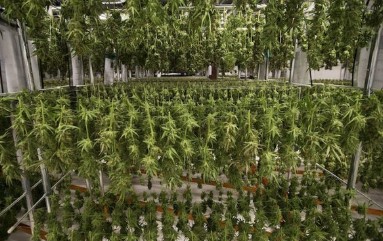
- Drying: Hang branches upside down in a dark room with temperatures around 60-70\u00b0F and humidity at 50-60%. Ensure proper airflow to prevent mold. Drying typically takes 7-10 days.
- Curing: Place dried buds in airtight glass jars, filling them about 75% to allow airflow. Open jars daily for the first two weeks to release moisture (burping). Curing for at least 3-4 weeks enhances Grape Inferno’s flavor and smoothness.
- Storage: Keep cured buds in a cool, dark, and dry environment. Use humidity packs to maintain optimal moisture levels around 55-62% RH.
8. Advanced Scientific Considerations
For professional growers aiming to maximize quality and potency, incorporating scientific techniques can be beneficial:
CO2 Enrichment: Increasing carbon dioxide levels to around 1200-1500 ppm during the vegetative and early flowering stages can increase yields and growth rates.
Light Spectrum Adjustments: Use full-spectrum LEDs with UV-B light exposure during late flowering. UV-B light has been shown to increase trichome and cannabinoid production.
Genetic Stability Testing: Perform tissue culture propagation to ensure genetic consistency across crops, minimizing variations in cannabinoid and terpene profiles.
Nutrient Testing and Adjustments: Regularly test soil or hydroponic solutions for nutrient imbalances. Use plant tissue analysis to adjust feeding regimens for peak growth.
Aroma, Flavor, and Appearance
- Aroma: The terpene profile of Grape Inferno is dominated by sweet, fruity notes of grape and berry, complemented by subtle undertones of earthy spice and musk.
- Flavor: Upon inhalation, users experience a rich, sweet grape flavor with hints of vanilla and herbs, followed by a mildly spicy exhale.
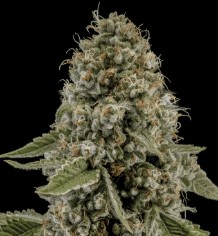
- Appearance: The buds are dense and sticky, with a frosty trichome coating. Shades of deep purple, bright green, and orange pistils add to its visual appeal.
Cannabinoid and Terpene Profile
Grape Inferno’s chemical composition significantly contributes to its effects and therapeutic value:
- THC Content: Ranges from 18% to 22%, offering moderate to strong psychoactive effects suitable for both novice and experienced users.
- CBD Content: Less than 1%, making it primarily a THC-dominant strain.
- Terpenes:
- Myrcene: Dominant terpene, contributing to its sedative and calming effects.
- Limonene: Adds citrusy, mood-enhancing properties.
- Caryophyllene: Offers anti-inflammatory benefits and a spicy kick.
- Linalool: Known for its relaxing and anti-anxiety effects.
Recreational Uses
Grape Inferno offers a unique recreational experience that appeals to users seeking relaxation and sensory stimulation. It is best used in the evening because to its indica-dominant effects.
- Euphoria and Stress Relief: The strain induces an initial cerebral uplift, providing a sense of euphoria and mental clarity. This makes it suitable for unwinding after a long day.
- Relaxation: As the high progresses, the indica effects dominate, leading to deep physical relaxation. This body high is perfect for lounging, watching movies, or engaging in creative activities.
- Social Settings: In moderate doses, Grape Inferno can enhance social interactions, reducing inhibitions and promoting a relaxed atmosphere during gatherings.
- Artistic Inspiration: Some users report heightened sensory perception and creativity, making it a favorite among artists and musicians.
Medical Uses
The therapeutic potential of Grape Inferno is vast, thanks to its potent cannabinoids and terpenes. It is particularly beneficial for managing chronic conditions and improving quality of life.
Chronic Pain Relief
- Conditions: Arthritis, migraines, fibromyalgia, and muscle spasms.
- Mechanism: The high THC content interacts with the endocannabinoid system, reducing pain perception and inflammation.
Stress and Anxiety Reduction
- Conditions: Generalized Anxiety Disorder (GAD), PTSD, and panic disorders.
- Mechanism: The calming effects of myrcene and linalool help reduce stress hormones and promote relaxation without excessive sedation.
Insomnia
- Mechanism: The sedative properties of myrcene and the body high induced by THC help users get to sleep more quickly and remain asleep for longer.
Appetite Stimulation
- Conditions: Cachexia, anorexia, and appetite loss due to chemotherapy or chronic illnesses.
- Mechanism: THC stimulates the appetite, making it easier for patients to maintain proper nutrition.
Depression Management
- Mechanism: The euphoric and mood-enhancing effects of limonene and THC can help alleviate symptoms of depression, offering short-term respite from pessimistic thinking.
Anti-inflammatory Properties
- Conditions: Crohn’s disease, ulcerative colitis, and other inflammatory conditions.
- Mechanism: Caryophyllene interacts with CB2 receptors to reduce inflammation.
Scientific Insights
Cannabis research has shed light on how strains like Grape Inferno achieve their effects:
- Endocannabinoid System (ECS) Interaction:
- THC binds to CB1 receptors in the brain, altering mood, perception, and pain sensation.
- Caryophyllene uniquely binds to CB2 receptors, providing anti-inflammatory benefits without psychoactivity.
- Terpene Synergy:
- The “entourage effect” suggests that the combination of terpenes and cannabinoids amplifies therapeutic benefits. For instance, myrcene’s sedative properties are enhanced when combined with THC.
- Neuroprotective Potential:
- Preliminary studies indicate that THC and CBD may protect against neurodegenerative diseases by reducing oxidative stress and inflammation.
- Pain Modulation:
- Grape Inferno’s high THC levels can modulate pain pathways in the central nervous system, making it effective for chronic pain management.
Potential Side Effects
While Grape Inferno is generally well-tolerated, users may experience:
- Dry Mouth and Eyes: Common side effects of cannabis consumption, manageable with hydration and eye drops.
- Dizziness: Occurs primarily in novice users or when consumed in large amounts.
- Paranoia: Rare but possible, especially in individuals prone to anxiety or consuming excessive doses.
- Couch Lock: The strain’s sedative effects can lead to heavy lethargy, particularly when overused.
Consumption Methods
1. Smoking (Combustion)
Mechanism:
- When cannabis is smoked, THC and other cannabinoids are combusted and rapidly absorbed through the alveoli in the lungs. They then pass across the blood-brain barrier and enter the bloodstream.
Onset:
- Effects are typically felt within 1-5 minutes of inhalation due to the fast absorption and distribution via the respiratory system.
Duration:
- The high lasts for 1-3 hours, depending on dosage and individual tolerance.
Advantages:
- Immediate relief for medical patients suffering from acute pain, anxiety, or nausea.
- Users can titrate their dose easily by adjusting the number of inhalations.
Drawbacks:
- Combustion can produce harmful byproducts (e.g., tar, carbon monoxide), posing potential risks to respiratory health.
2. Vaporization
Mechanism:
- Vaporization heats cannabis to a temperature that volatilizes cannabinoids and terpenes without combustion, preserving more active compounds and reducing harmful toxins.
Onset:
- Similar to smoking, effects are felt within 1-5 minutes, as the absorption pathway is the same.
Duration:
- Effects last about 1-3 hours, depending on dosage.
Advantages:
- Healthier than smoking due to the absence of combustion byproducts.
- Provides a cleaner flavor profile, enhancing Grape Inferno’s grape and berry notes.
- Efficient cannabinoid delivery, preserving terpenes like myrcene and limonene.
Drawbacks:
- Requires investment in a vaporizer device.
- May not provide as robust an experience for those accustomed to smoking.
3. Edibles
Mechanism:
- Cannabinoids are absorbed via the digestive system and metabolized in the liver. THC is converted into 11-hydroxy-THC, a more potent and longer-lasting metabolite.

Onset:
- Effects take 30 minutes to 2 hours to manifest, as absorption depends on digestion and liver metabolism.
Duration:
- Effects can last 4-8 hours, with some residual effects lingering up to 12 hours, depending on dosage.
Advantages:
- Long-lasting relief, making it ideal for conditions like chronic pain or insomnia.
- Discreet and portable, with no need for specialized equipment.
- Suitable for users who wish to avoid inhalation methods.
Drawbacks:
- Difficult to titrate dosage due to delayed onset, increasing the risk of overconsumption.
- Effects may vary significantly depending on metabolism and whether the user consumed food beforehand.
4. Tinctures and Sublingual Oils
Mechanism:
- Tinctures are absorbed sublingually (under the tongue), bypassing the digestive system and entering the bloodstream directly through oral mucosa.
Onset:
- Effects begin within 15-30 minutes, faster than edibles but slower than inhalation methods.
Duration:
- Effects last 3-6 hours, offering a balance between quick onset and prolonged relief.
Advantages:
- Precise dosing using a dropper, making it ideal for medical patients.
- Discreet and easy to use, with no preparation or equipment needed.
- Can be combined with food or beverages for added versatility.
Drawbacks:
- Taste may be unpalatable to some users.
- Slower onset compared to smoking or vaporization.
5. Topicals
Mechanism:
- Applied directly to the skin, cannabinoids are absorbed locally and interact with CB2 receptors in the skin and peripheral tissues. They do not typically enter the bloodstream, avoiding psychoactive effects.
Onset:
- Effects are felt within 15-30 minutes after application.
Duration:
- Relief lasts for 2-4 hours, depending on the product and application site.
Advantages:
- Perfect for skin issues, inflammation, or localized pain.
- Non-psychoactive, making it accessible to users who wish to avoid mental impairment.
- Effective for conditions like arthritis or muscle soreness.
Drawbacks:
- Limited to localized effects; not suitable for full-body relief or psychoactive experiences.
6. Dabbing (Concentrates)
Mechanism:
- Dabbing involves inhaling vaporized cannabis concentrates, which contain high levels of THC and terpenes. The process delivers a highly concentrated dose of cannabinoids directly to the lungs.
Onset:
- Effects are felt almost instantly (within 1-2 minutes).
Duration:
- Effects last 1-3 hours, similar to smoking or vaporizing.
Advantages:
- Extremely potent, making it ideal for experienced users or those with high tolerance.
- High terpene retention highlights Grape Inferno’s rich grape and berry flavor.
Drawbacks:
- Not suitable for novice users due to the intense effects.
- Requires specialized equipment (dab rig or e-nail) and proper handling of concentrates.
7. Capsules
Mechanism:
- Like edibles, capsules are ingested orally and processed through the digestive system, with cannabinoids metabolized in the liver.
Onset:
- Effects begin within 30 minutes to 2 hours, depending on digestion.
Duration:
- Effects last 4-8 hours, providing long-lasting relief.
Advantages:
- Precise dosing with consistent cannabinoid content per capsule.
- Discreet and easy to incorporate into daily routines.
Drawbacks:
- Delayed onset, making it less suitable for acute relief.
- Requires swallowing, which may be difficult for some individuals.
8. Suppositories
Mechanism:
- Suppositories are absorbed rectally or vaginally, bypassing first-pass liver metabolism. This allows cannabinoids to enter the bloodstream more directly.
Onset:
- Effects are felt within 15-30 minutes.
Duration:
- Effects last 4-6 hours, depending on the dose and formulation.
Advantages:
- High bioavailability of Grape Inferno due to bypassing digestive enzymes.
- Non-psychoactive options are available for localized treatment (e.g., pelvic pain, menstrual cramps).
- Effective for patients who cannot ingest or inhale cannabis.
Drawbacks:
- Limited acceptance and convenience due to the method of administration.
- Requires careful preparation and application.
Scientific Factors Affecting Onset and Duration
- Metabolism:
- Faster metabolisms process THC more quickly, reducing duration but hastening onset. Slower metabolisms prolong effects.
- Body Fat: THC is lipophilic (fat-soluble), meaning it can be stored in fat cells. Users with higher body fat may experience prolonged effects.
- Tolerance: Frequent cannabis users often develop tolerance, reducing both the intensity and duration of effects.
- Method of Preparation: Decarboxylation of THCA to THC is essential for psychoactive effects. Insufficient decarboxylation in edibles or tinctures can reduce potency.
- Terpene Interactions: Myrcene (dominant in Grape Inferno) may enhance THC psychoactive effects by increasing blood-brain barrier permeability. Limonene and linalool contribute to mood enhancement and relaxation, modulating the overall experience.
User Reviews and Testimonials
- Recreational Users:
- “The perfect strain for unwinding after a stressful day. The grape flavor is just amazing!”
- “Grape Inferno brings a calm and euphoric vibe. Great for creative projects.”
- Medical Patients:
- “This strain has been a lifesaver for my chronic back pain. It’s my go-to evening medicine.”
- “Helps me sleep through the night without the grogginess I’d get from other strains.”
Comparisons to Similar Strains
- Purple Punch: Shares similar grape flavors but is more sedative, making it better suited for sleep.
- Grape Ape: Offers comparable relaxation effects but with a stronger focus on physical sedation.
- Granddaddy Purple: Another grape-flavored indica with more pronounced euphoric effects.
Conclusion
Grape Inferno is a versatile and well-rounded cannabis strain that offers both recreational enjoyment and therapeutic relief. Its balanced effects, delightful flavor profile, and robust therapeutic potential make it a favorite among a wide range of users. Whether you are seeking to alleviate chronic pain, reduce stress, or simply relax after a long day, Grape Inferno’s unique properties are worth exploring.
As cannabis research continues to advance, strains like Grape Inferno highlight the importance of understanding cannabinoid and terpene interactions to maximize benefits. Always consult with a healthcare professional before using cannabis for medical purposes and enjoy responsibly.
For a complete directory of cultivars, visit our Cannabis Strain Reviews.
