Table of Contents
The Grape God cannabis strain is an enticing hybrid, renowned for its unique aroma and potent effects. This strain is a cross between two well-known strains: Grape Ape and God Bud, both of which contribute to the Grape God’s rich flavors, balanced effects, and versatility for both medical and recreational users. The strain is praised for its calming, euphoric properties, making it suitable for a variety of users, from those seeking relief from pain and stress to those looking for a relaxing, mood-boosting experience. In this detailed guide, we will explore the Grape God strain’s genetics, appearance, aroma, effects, and both its medical and recreational uses in depth.
1. Genetics and Lineage
As a hybrid, the Grape God cannabis strain carries the genetics of Grape Ape and God Bud, resulting in a balanced combination of both indica and sativa characteristics.
- Grape Ape is primarily an indica strain, known for its relaxing effects and sweet, fruity aroma. It is often sought after for its sedative qualities, which are perfect for unwinding after a long day.
- God Bud, on the other hand, is an indica-dominant hybrid with a strong, uplifting high, although still known for its relaxing qualities. It is well-regarded for its heavy resin production and its ability to deliver deep physical relaxation without making users feel completely couch-locked.
Together, these two strains create Grape God, which has a 70% indica and 30% sativa genetic makeup. The resulting strain combines a soothing, mellow high with a hint of cerebral clarity, making it ideal for relaxation without excessive sedation.
2. Appearance
Grape God cannabis buds have an inviting, dense, and compact structure, typical of indica strains. These buds are often thickly coated with vibrant, crystal-like trichomes that give them a frosty, almost sugary appearance. The deep green color of the buds is accented by rich purple hues, particularly when grown in cooler environments, which is characteristic of its Grape Ape parentage. The orange pistils (hairs) that protrude from the buds add a touch of color contrast and make the strain visually striking.
The resin coverage is high, making the strain suitable for making concentrates like hash or wax. The buds are often sticky to the touch, so a grinder is recommended for efficient preparation.
3. Aroma and Flavor Profile
Grape God is known for its distinctive aroma and flavor profile, which is an excellent reflection of its genetic heritage. When you first smell the buds, you’ll be met with a combination of sweet, fruity, and earthy scents. The grape aroma is particularly strong, reminiscent of grape soda or candy, which is a hallmark of its Grape Ape parent. There are also undertones of skunky and piney fragrances, which add an earthy complexity.
When smoked or vaporized, the flavor profile is equally impressive. The initial taste is often fruity and grape-like, followed by a sweet, berry-like finish with hints of earthiness and spice. The smoke is smooth, though it may cause some coughing due to the presence of terpenes like myrcene and caryophyllene.
4. THC and CBD Content
Grape God typically has a moderate to high THC content, ranging from 18% to 24% based on the particular phenotype and the growing environment. This potency is one reason the strain is popular for both recreational and medicinal use. While the THC content is substantial, it is not overwhelming, making Grape God a balanced choice for both novice and experienced cannabis users.
The CBD content of Grape God is generally low, typically under 1%, which means it is not considered a strain for those seeking CBD-specific therapeutic effects. However, the relatively high THC levels make it beneficial for users who are looking for strong relief from various ailments.
5. Effects: Medical and Recreational Uses
Recreational Effects
Grape God is popular among recreational cannabis users for its balanced effects that combine both relaxation and mental clarity. As a hybrid, the strain provides a perfect middle ground between full-body relaxation and mental stimulation.
- Euphoric Buzz: One of the most immediate effects of Grape God is a wave of euphoria that lifts the user’s mood, helping them feel uplifted and happy. It can also induce a sense of creativity and mental stimulation, making it a great choice for social gatherings or activities requiring light mental effort.
- Relaxation without Sedation: While it has calming qualities, Grape God does not induce heavy sedation, which is often a downside of many indica strains. This makes it ideal for users who want to unwind without becoming overly couch-locked or sleepy. It can be enjoyed throughout the day, as it won’t leave the user feeling sluggish or lethargic.
- Body High: As an indica-dominant strain, Grape God offers significant physical relaxation, helping users release tension in their muscles. This body high is not overpowering but provides just enough relief to relax after a long day or workout.
- Creativity and Socialization: Grape God can be ideal for creative tasks or socializing, as its subtle cerebral effects allow for enhanced focus and a clear-headed buzz.
Medical Effects
Grape God has a wide array of medical uses due to its potent combination of therapeutic effects. It can help with both physical and mental ailments, making it a popular choice for medical cannabis patients.
- Pain Relief: One of the primary reasons medical users turn to Grape God is for pain management. Its indica side offers significant muscle relaxation and pain relief, which can benefit those suffering from chronic pain conditions like arthritis, back pain, and fibromyalgia. The strain helps ease both deep, throbbing pain and localized aches.
- Stress and Anxiety: The relaxing and euphoric effects of Grape God can also help with stress and anxiety. Many users report feeling less anxious and more at ease after using this strain. Its ability to promote relaxation without causing sedation makes it an excellent option for those who need to manage stress without losing focus or productivity.
- Insomnia and Sleep Disorders: While Grape God is not as sedative as some other indica strains, its calming properties can still help people with insomnia or sleep disturbances. It can promote a more restful sleep by relaxing the body and calming the mind, making it easier for users to fall asleep without tossing and turning.
- Appetite Stimulation: Like many other cannabis strains, Grape God can cause the munchies, which can be helpful for those dealing with loss of appetite due to medical conditions like cancer, chemotherapy, or eating disorders.
- Depression: The uplifting effects of Grape God can provide some relief for individuals struggling with depression. While it is not a cure, the euphoric effects can help brighten one’s mood and provide temporary relief from the emotional weight of depression.
- Nausea and Vomiting: The strain’s ability to relax the body and stimulate the appetite makes it beneficial for those undergoing treatments that cause nausea, such as chemotherapy. It can help alleviate these symptoms and provide a sense of well-being.
6. Growing Grape God Cannabis
Cultivating the Grape God cannabis strain requires an understanding of its growth habits, preferred environmental conditions, and the optimal methods for achieving a high-quality yield. Below, we’ll dive into the more scientific aspects of growing Grape God, covering aspects like its growth cycle, climate preferences, soil requirements, nutrient needs, training techniques, and pest management.
Optimal Growing Environment
Climate and Temperature
Grape God, like many indica-dominant strains, thrives in warm, temperate climates. While it can be cultivated both indoors and outdoors, it is crucial to control environmental factors for optimal growth. The strain prefers temperatures between 70°F to 80°F (21°C to 27°C) during the day and slightly cooler nights around 60°F to 70°F (15°C to 21°C). These conditions replicate a Mediterranean climate, which Grape God naturally adapts to.
- Indoor Cultivation: For indoor cultivation, it is important to control the temperature and humidity levels. Keeping the humidity at around 50%-60% during the vegetative stage and lowering it to 40%-50% during flowering helps prevent mold or mildew and ensures healthy plant development. Indoor growers can use climate control systems like air conditioning and humidifiers to maintain the ideal environment.
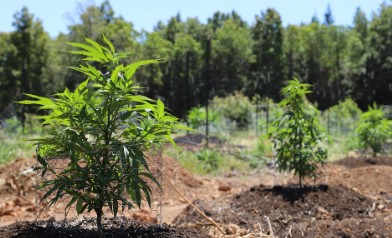
- Outdoor Cultivation: Outdoors, Grape God performs best in areas with warm summers and low humidity. If grown in a cooler climate, the strain may develop purple hues, which is often desirable for aesthetic and potency purposes, as these colors indicate a higher concentration of anthocyanins (antioxidants) and can affect the terpene profile.
Light Requirements
Grape God is a photoperiod strain, meaning it requires a shift from light to dark periods to trigger flowering. Typically, Grape God needs around 18 hours of light per day during the vegetative stage to promote healthy growth. Once the plant has reached the desired size, it requires 12 hours of darkness and 12 hours of light during the flowering phase, which signals the plant to begin producing buds.
- For indoor growers, grow lights are essential, and LED or HPS lights are commonly used for this purpose. LED lights are more energy-efficient and produce less heat, which is beneficial for maintaining optimal temperatures in an indoor grow setup.
Soil and Medium
Soil Composition
Grape God can grow well in both soil and hydroponic systems, but soil is often preferred for those looking for the best flavor profile. The strain does best in well-draining, nutrient-rich soils. A soil pH of 6.0 to 7.0 is ideal, as this range ensures that the plant can absorb essential nutrients efficiently. Soils rich in organic matter are also recommended for the production of high-quality buds.
- Soil Mixes: A mix of peat moss, perlite, and vermiculite is commonly used to create an ideal balance of water retention and drainage. Adding worm castings or compost can further enhance the soil’s nutritional profile.
Hydroponic Systems
While not the most common method for cultivating Grape God, hydroponic systems (such as Deep Water Culture or Nutrient Film Technique) can lead to faster growth and potentially higher yields. Hydroponics allows for more precise control over the nutrient solution and water levels. However, these systems require more technical knowledge and can be difficult for novice growers.
Nutrient Requirements
Grape God’s nutrient needs vary throughout its growth stages, and providing the correct amounts of macronutrients and micronutrients is key to achieving a healthy and high-yielding crop.
- Vegetative Stage: During the vegetative phase, Grape God needs a nutrient mix that is rich in nitrogen to support the growth of healthy leaves and stems. Growers often use fertilizers with a higher N-P-K (Nitrogen-Phosphorus-Potassium) ratio such as 3-1-2 or 4-2-3. Nitrogen aids in the development of robust vegetative growth, while phosphorus supports root development and potassium strengthens cell walls.
- Flowering Stage: As the plants enter the flowering stage, the nutrient requirements shift. Grape God benefits from a higher phosphorus and potassium ratio, such as 1-3-2 or 2-4-3. Phosphorus supports flower formation, while potassium is crucial for bud development and overall plant health. Nitrogen levels should be lowered to avoid excessive vegetative growth, which can result in small or underdeveloped buds.
- Micronutrients: Grape God requires several micronutrients for optimal growth. These include iron, manganese, boron, molybdenum, and zinc. These elements help in enzymatic processes, chlorophyll production, and overall plant health. Growers should ensure that these micronutrients are present in trace amounts in their fertilizer mix.
- Organic Nutrients: For organic growers, compost teas and organic fertilizers such as bat guano, fish emulsion, and seaweed extracts can provide a more natural alternative to synthetic fertilizers. These can help boost microbial activity in the soil, which in turn enhances nutrient uptake.
Training and Pruning Techniques
- Low-Stress Training (LST): This technique involves gently bending the stems of the plants to promote horizontal growth, allowing more light to reach the lower branches. This encourages the growth of more bud sites and results in a more even distribution of energy throughout the plant. LST is particularly effective for Grape God, as it helps to increase the yield by maximizing light exposure to all parts of the plant.
- High-Stress Training (HST): Techniques such as topping, fimming, or super cropping can be used to control the plant’s height and promote bushier growth. While these methods can stress the plant, they are effective in creating multiple main colas, which can result in a higher yield. However, HST methods should be used with caution to avoid over-stressing the plant.
- Screen of Green (SCROG): This method involves placing a screen or mesh above the plants and training the branches through the openings. It helps create an even canopy and increases light penetration, which promotes the development of more buds across the plant.
- Pruning: Pruning should be done regularly to remove dead or yellowing leaves, as well as any unwanted lower growth that does not receive adequate light. This ensures that the plant’s energy is directed toward the more productive upper branches, resulting in better-quality buds.
Pest Management
Grape God, like all cannabis strains, is susceptible to a range of pests and diseases, particularly when grown outdoors. Early detection and prevention are key to managing pests effectively.

- Spider Mites: One of the most common pests affecting Grape God is spider mites, which can cause yellowing leaves and webbing. These pests thrive in dry conditions, so maintaining proper humidity levels can help deter them. Organic insecticides like neem oil or diatomaceous earth are effective in controlling spider mites.
- Aphids: Aphids can also be problematic, feeding on plant sap and transmitting diseases. These can be controlled using insecticidal soaps or by introducing ladybugs into the growing area, which prey on aphids.
- Powdery Mildew: High humidity levels combined with poor air circulation can promote the growth of powdery mildew, a fungal disease that covers leaves with a white, powdery substance. Regular airflow, reduced humidity, and fungicides (such as sulfur or copper-based products) can prevent or treat mildew outbreaks.
- Root Rot: Overwatering or poorly drained soil can lead to root rot, which negatively affects the plant’s overall health. Good drainage and avoiding overwatering are essential in preventing this condition.
Harvesting and Yield
Harvest Time: Grape God typically reaches full maturity in 8 to 9 weeks during the flowering phase. Harvest timing is important to ensure the best possible quality and potency of the buds. Trichomes (the tiny, resin-producing glands on the buds) should be observed closely: when they turn from clear to milky white, it is usually the ideal time to harvest for the ideal ratio of other cannabinoids to THC.
- Indoor Yield: Grape God plants grown indoors typically yield around 450-550 grams per square meter when given proper care and attention. With the right environment, yield can be optimized with careful nutrient management and training techniques.
- Outdoor Yield: When grown outdoors, Grape God can produce yields of 600 grams per plant or more, depending on the climate, soil, and cultivation methods.
7. Conclusion
Grape God is a versatile and potent hybrid that combines the best traits of its parent strains, Grape Ape and God Bud. With its balanced effects, sweet grape aroma, and high resin production, it appeals to both recreational and medical cannabis users. Whether you’re seeking euphoria, relaxation, pain relief, or stress reduction, Grape God offers a variety of therapeutic benefits. Its relatively moderate THC content and low CBD levels make it an ideal choice for users looking for a soothing yet clear-headed experience. Additionally, its pleasant aroma and unique flavor make it a delight to smoke or vaporize.
Whether you’re a recreational user looking to enhance social activities or a medical patient seeking relief from various conditions, Grape God is a strain worth exploring.
For a complete directory of cultivars, visit our Cannabis Strain Reviews.
