Table of Contents
The last few decades have seen a significant evolution in cannabis culture. with breeders producing hundreds of new strains tailored to the needs and desires of consumers. Among these is the Grape Drink strain, a particularly intriguing hybrid known for its unique flavor, aroma, and effects. Whether you’re a recreational user or someone looking for medical benefits, understanding what Grape Drink brings to the table can help you make informed choices. This in-depth guide covers the strain’s genetics, appearance, flavor, impacts, therapeutic applications, gardening advice, and more.
Origin and Genetics
Grape Drink is a hybrid strain that leans toward the indica side of the spectrum. It’s a product of careful breeding and genetic selection to create a well-balanced strain that can be enjoyed both recreationally and medicinally. The strain’s lineage comes from two notable parent strains: Grape God and Kimbo Kush.
- Grape God: Known for its sweet, fruity flavors, Grape God is a hybrid that typically offers a balanced high with moderate indica effects. It’s a strain celebrated for its relaxing qualities without being overly sedative.
- Kimbo Kush: A heavy-hitting indica-dominant strain, Kimbo Kush is prized for its ability to induce deep relaxation and stress relief. It has a sweet, berry-like flavor profile and is favored for evening use or to combat insomnia.
The combination of these two parents gives Grape Drink a powerful and complex profile, blending the best of both worlds in terms of flavor, aroma, and effects. The strain tends to have a 60% indica and 40% sativa genetic makeup, although this can vary slightly depending on the specific phenotype.
Appearance
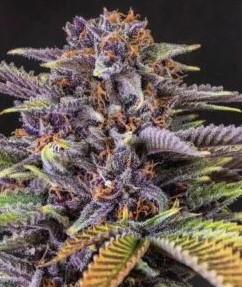
One of the most visually striking aspects of Grape Drink is its beautiful, dense buds. The nugs are typically medium-sized and very dense, covered a thick covering of trichomes that provide them with a frosted, almost crystalline appearance. This makes the buds sticky to the touch, a sign of their high resin content.
The colors of Grape Drink buds are often a mix of deep purples, vibrant greens, and hints of orange from the pistils (hairs) that weave throughout the flower. The purple hues, which are common in strains with “grape” genetics, are a result of anthocyanin pigments in the plant and are especially prominent when the plants are exposed to cooler nighttime temperatures during flowering.
Flavor and Aroma
Hence the name, Grape Drink is known for its distinct grape-like flavor. The taste is often described as being sweet, fruity, and reminiscent of grape candy or grape soda, which appeals to users who enjoy strains with strong, sweet flavor profiles. Upon exhale, some users note a slightly earthy or herbal undertone, but the sweetness is what dominates.
The aroma of Grape Drink is similarly enticing, with strong notes of grapes, berries, and candy. When you open a jar of the strain, the smell is unmistakable, filling the room with a sweet, fruity fragrance that is hard to resist. Some users also detect subtle hints of floral or citrus notes mixed in with the primary grape aroma.

Terpene Profile
The unique flavor and aroma of Grape Drink are largely attributed to its rich terpene profile. Terpenes are naturally occurring substances present in a wide variety of plants, including cannabis, and they are responsible for the strain’s distinct scent and taste. Some of the key terpenes found in Grape Drink include:
- Myrcene: A terpene commonly associated with a musky, earthy scent, Myrcene has a reputation for being calming and is frequently found in indica-dominant strains. It also contributes to the strain’s sedative properties, making it a good option for evening use.
- Limonene: This citrus-scented terpene adds a zesty, fresh aroma to Grape Drink and is known for its uplifting and mood-enhancing effects. Additionally, it’s believed that limonene has antidepressant and anti-anxiety properties.
- Pinene: As the name suggests, pinene carries a pine-like scent and is known for its anti-inflammatory properties. It’s also thought to improve focus and memory retention, counteracting some of the more sedative effects of indica strains.
- Caryophyllene: A spicy, peppery terpene, caryophyllene is known for its potential anti-inflammatory and analgesic effects. It may also interact with the body’s endocannabinoid system in a way that provides relief from pain and stress.
Effects
Grape Drink offers a well-rounded experience that starts with a gentle cerebral high, followed by deep physical relaxation. The high usually begins with a sense of euphoria and an uplifted mood, thanks to its sativa genetics. Users often report feeling more creative and focused during the initial stages of the high, making it a great strain for activities that require a touch of mental stimulation.
The indica effects take over as the high intensifies, bringing with them a deep sense of relaxation and calm to the body. This makes Grape Drink an excellent choice for unwinding following a strenuous day or easing physical pain. Despite its relaxing properties, Grape Drink typically doesn’t induce couch-lock, allowing users to remain functional while still enjoying its calming effects.
- Mental Effects: Users describe feeling happy, uplifted, and relaxed. The initial euphoric buzz can enhance creativity, focus, and sociability, making Grape Drink a good strain for social settings or creative projects.
- Physical Effects: The physical relaxation that follows the cerebral high can help soothe tension, reduce muscle pain, and promote an overall sense of well-being. It’s often used by people looking to relieve stress, anxiety, or chronic pain.
- Duration: The effects of Grape Drink can last for several hours, based on the dosage and each person’s tolerance. This strain is enjoyable all year long. day in moderate doses or in the evening when more relaxation is desired.

Medical Benefits
Grape Drink has a variety of potential medical applications due to its balanced effects and terpene profile. It’s commonly used to treat conditions such as:
- Chronic Pain: The combination of myrcene and caryophyllene gives Grape Drink its potential analgesic properties, making it a good choice for people dealing with chronic pain from conditions like arthritis, fibromyalgia, or migraines.
- Anxiety and Stress: The uplifting mental effects paired with physical relaxation make Grape Drink an effective strain for alleviating anxiety and stress. The presence of limonene, which has mood-boosting properties, can make users feel less stressed and more at ease by daily stressors.
- Depression: The euphoric and uplifting effects of Grape Drink can be beneficial for people suffering from depression. The strain’s ability to enhance mood and promote relaxation without being overly sedative makes it a good option for daytime use by those seeking relief from depressive symptoms.
- Insomnia: While not as sedative as some indica strains, Grape Drink’s relaxing effects can help promote restful sleep, especially in higher doses. People who struggle with insomnia or restless sleep may believe it to be beneficial for relaxing at night.
- Appetite Stimulation: Like many strains, Grape Drink may stimulate the appetite, making it useful for people dealing with conditions that cause a lack of appetite, such as cancer treatments or eating disorders.

Side Effects
As with any cannabis strain, Grape Drink does come with some potential side effects. Among the most often mentioned adverse effects are:
- Dry Mouth (Cottonmouth): A common issue with many cannabis strains, dry mouth can be alleviated by staying hydrated while consuming the strain.
- Dry Eyes: Over-the-counter eye drops can help users with dry or red eyes, which they might experience.
- Dizziness or Lightheadedness: In higher doses, some users may feel dizzy or lightheaded, especially if they’re not accustomed to the strain’s effects. beginning with a smaller dose and progressively increasing it can help mitigate this.
- Paranoia or Anxiety: Although Grape Drink is generally considered a calming strain, some users may experience heightened anxiety or paranoia, particularly if they’re sensitive to THC or consume too much, beginning with a smaller dose and progressively increasing it for new users.
Growing Grape Drink
For those interested in cultivating their own Grape Drink, the strain is relatively moderate in difficulty to grow, making it suitable for both beginners and more experienced growers. Here’s what you need to know:
- Climate: Grape Drink thrives in a warm, Mediterranean-like climate, with plenty of sunshine and moderate humidity. However, it can also be grown indoors, where growers have more control over the environment.
- Flowering Time: Grape Drink typically has a flowering time of 8 to 10 weeks when grown indoors. Depending on the local climate, outdoor growers can anticipate harvesting in late September or early October.
- Yield: When grown under optimal conditions, Grape Drink can produce a moderate to high yield. Growers indoors should anticipate 400–500 grams per square meter, while outdoor yields may be slightly higher.
- Growing Tips:
- Temperature and Humidity Control: preserving the ideal humidity and temperature levels is crucial for producing high-quality buds. Grape Drink prefers temperatures between 70-80°F (21-27°C) during the day and slightly cooler at night, particularly during the flowering stage to enhance the purple coloring.
- Pruning and Training: Frequent pruning as well as training methods like topping or low-stress training (LST) can help improve airflow and light penetration, resulting in healthier plants and better yields.
- Nutrient Requirements: Grape Drink is a moderate feeder, so providing a balanced mix of nutrients during its growth cycle is essential. During the vegetative stage, it will require higher levels of nitrogen, while phosphorus and potassium become more important during flowering.
- Pest and Mold Resistance: Grape Drink is generally resistant to common pests and mold, but growers should still monitor their plants for any signs of illness or infestation. Maintaining proper airflow and humidity levels can help prevent mold and mildew from developing, especially during the late flowering stages.

Final Thoughts
Because Grape Drink is a versatile cannabis strain it offers something for everyone. Its well-rounded effects make it a fantastic choice for both recreational and medical users, providing mental stimulation and physical relaxation without being too overwhelming. The sweet, fruity flavor and aroma make it a favorite among users who enjoy flavorful strains, while its potential medical benefits make it a valuable tool for those dealing with pain, anxiety, stress, or insomnia.
Whether your goal is to improve your creative process, relax after a long day, or manage chronic conditions, Grape Drink is a strain worth considering. And for growers, its relatively moderate difficulty level and high yields make it an attractive option for cultivating at home. With its unique combination of flavor, effects, and potential benefits, Grape Drink is a strain that’s sure to leave a lasting impression.
For a complete directory of cultivars, visit our Cannabis Strain Reviews.
