Table of Contents
Grape Cookies is a highly sought-after hybrid cannabis strain celebrated for its rich lineage, striking flavors, and versatile effects. Derived from two iconic strains, Grape Kush and Girl Scout Cookies (GSC), Grape Cookies has established itself as a favorite among both recreational and medical cannabis users. This detailed exploration will delve into the strain’s genetics, chemical composition, medical and recreational uses, cultivation requirements, and its cultural significance.
Lineage and Genetics
Grape Cookies is a well-balanced hybrid, although its effects often lean slightly toward the indica side. It inherits its parent strains’ best qualities:
- Grape Kush: Known for its fruity, grape-like aroma and relaxing properties, Grape Kush contributes to the strain’s signature taste and calming effects.
- Girl Scout Cookies (GSC): A world-famous hybrid recognized for its sweet and earthy flavor profile, GSC adds a layer of euphoria and mental clarity to Grape Cookies’ effects.
The combination of these genetics results in a strain with a THC content ranging from 18% to 25%, and CBD levels generally below 1%. These properties make Grape Cookies potent yet manageable for a wide range of users.
Appearance, Aroma, and Flavor Profile
- Appearance:
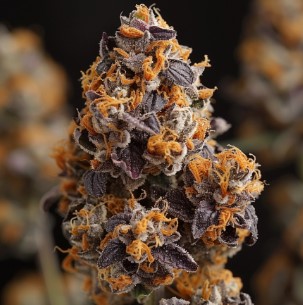
- Grape Cookies buds are visually striking, featuring dense, medium-sized nugs with deep purple hues.
- The buds are coated with a generous layer of trichomes, giving them a frosty appearance.
- Bright orange pistils wind through the purple and green tones, enhancing the strain’s aesthetic appeal.
- Aroma:
- As its name suggests, Grape Cookies emits a strong grape scent, complemented by notes of berries, earth, and sweet baked goods.
- The aroma intensifies when the buds are broken apart, releasing a terpene-rich bouquet.
- Flavor:
- The flavor profile is dominated by sweet grape and berry notes, with subtle undertones of vanilla, spice, and earthiness.
- Upon exhale, users often describe a creamy finish reminiscent of cookies.
Terpene Profile
The substances that give cannabis its flavor and scent are called terpenes. Grape Cookies is rich in several key terpenes:
- Myrcene:
- Known for its earthy and musky aroma, myrcene contributes to Grape Cookies’ relaxing effects.
- Common in indica-dominant strains, this terpene enhances sedative properties.
- Limonene:
- Provides a citrusy, uplifting aroma.
- Adds mood-enhancing and stress-relieving qualities to the strain.
- Caryophyllene:
- A spicy, peppery terpene with anti-inflammatory properties.
- Known to interact with CB2 receptors in the body, potentially aiding in pain relief.
- Pinene:
- Offers a fresh pine scent.
- Promotes alertness and may counteract some of the sedative effects.
Effects and Uses
Grape Cookies offers a balanced array of effects that make it suitable for various applications:
- Recreational Uses:
- Relaxation: The indica-leaning properties of Grape Cookies make it an excellent choice for unwinding after a long day.
- Euphoria: The strain’s GSC lineage provides an uplifting mental buzz, enhancing mood and creativity.
- Social Engagement: At moderate doses, Grape Cookies can encourage sociability and laughter, making it a great strain for small gatherings.
- Flavor Experience: Connoisseurs often enjoy the strain’s complex taste, making it a favorite for vaping and smoking.
- Medical Uses:
- Pain Relief: The high levels of myrcene and caryophyllene make Grape Cookies effective at alleviating chronic pain, migraines, and muscle spasms.
- Stress and Anxiety: The calming effects of limonene and myrcene help reduce stress and anxiety without inducing paranoia.
- Insomnia: Thanks to its sedative properties, Grape Cookies can help users fall asleep faster and enjoy a more restful night.
- Appetite Stimulation: Like many indica-dominant hybrids, Grape Cookies can help combat loss of appetite.
- Depression: The uplifting cerebral effects contribute to a temporary mood boost, which may benefit those with mild to moderate depression.
Scientific Analysis
- Cannabinoid Profile:
- THC: 18% – 25%
- Provides psychoactive effects, euphoria, and relaxation.
- CBD: <1%
- Minimal psychoactive properties but may contribute to anti-anxiety and anti-inflammatory effects.
- CBG: Trace amounts
- May have antibacterial and anti-inflammatory properties.
- THC: 18% – 25%
- Terpene Synergy:
- The entourage effect describes how terpenes and cannabinoids work together to enhance therapeutic effects. Grape Cookies exemplifies this phenomenon, as its terpenes amplify its relaxing and pain-relieving properties.
- Consumption Methods:
- Smoking and vaping allow users to experience the full flavor and immediate effects.
- Edibles and tinctures made with Grape Cookies provide a longer-lasting but delayed onset of effects.
- Topicals infused with Grape Cookies extract may help localize pain relief without psychoactive effects.
Grape Cookies Cultivation
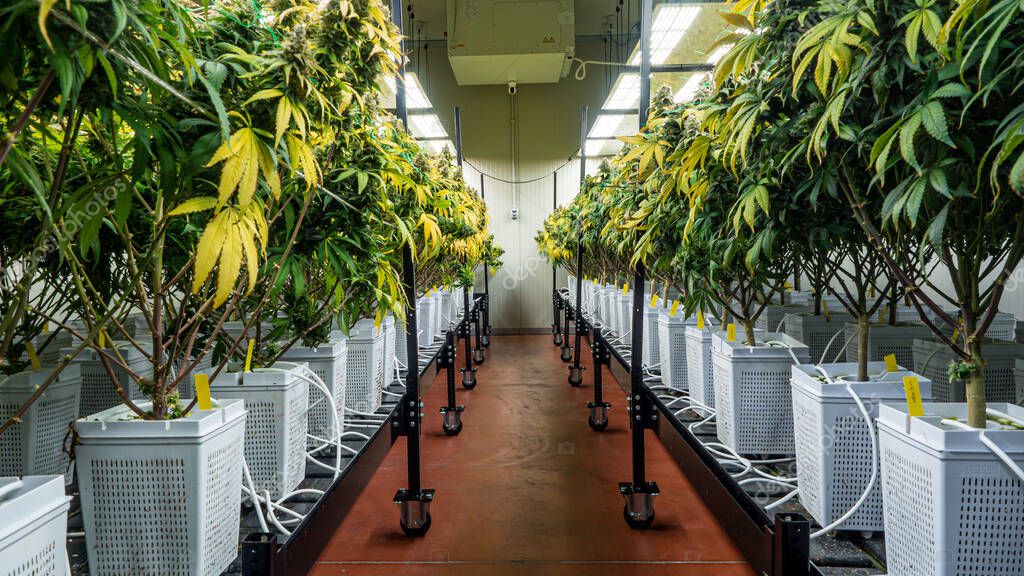
Cultivating Grape Cookies cannabis requires a thorough understanding of its growth patterns, environmental needs, and genetic potential. Here’s a detailed look into its cultivation methods, supported by scientific principles.
1. Growing Mediums
- Soil Cultivation:
- Use nutrient-rich soil with organic amendments like compost or bat guano to enhance terpene and cannabinoid production.
- pH range: 6.0–6.8 for optimal nutrient absorption.
- Hydroponics:
- Ideal for controlled nutrient delivery and faster growth.
- Use a soilless medium like coco coir or Rockwool to provide aeration and moisture retention.
2. Environmental Requirements
- Temperature:
- Optimal range: 70–80°F (21–27°C) during the vegetative stage.
- Reduce to 65–75°F (18–24°C) during flowering to promote purple pigmentation in the buds.
- Humidity:
- Vegetative stage: 50–60% relative humidity (RH).
- Flowering stage: Lower RH to 40–50% to prevent mold and mildew.
- Lighting:
- Use full-spectrum LED or high-pressure sodium (HPS) lights to mimic natural sunlight.
- Provide 18–20 hours of light during the vegetative stage and 12 hours during flowering.
3. Nutrient Management
- Macronutrients:
- Nitrogen (N): High levels during vegetative growth to support leaf and stem development.
- Phosphorus (P) and Potassium (K): Increase during flowering to boost bud development and resin production.
- Micronutrients:
- Magnesium (Mg) and Calcium (Ca) are critical for photosynthesis and structural integrity.
- Iron (Fe) aids in chlorophyll production.
- Feeding Schedule:
- Adjust nutrients based on growth stage. Use nitrogen-rich fertilizers early and phosphorus-potassium blends in later stages.
4. Pruning and Training
- Pruning:
- Remove lower, non-productive leaves and branches to improve airflow and light penetration.
- Training Techniques:
- Low-Stress Training (LST): Bending stems to increase light exposure to lower nodes.
- Screen of Green (ScrOG): Train plants through a horizontal screen to maximize canopy efficiency.
- Topping: Cutting the main stem encourages lateral growth, leading to more colas.
5. Watering Practices
- Use filtered water with a neutral pH (6.0–6.5) to avoid nutrient lockout.
- Watering frequency depends on the growing medium:
- Soil: When the top inch feels dry, water.
- Hydroponics: Maintain consistent nutrient solution levels.
6. Pest and Disease Management
- Common Pests:
- Spider mites, aphids, and fungus gnats are the most frequent issues.
- Prevention:
- Use neem oil or insecticidal soaps during the vegetative stage.
- For biological management, introduce beneficial insects such as predatory mites or ladybugs.
- Diseases:
- Powdery mildew and root rot can be prevented by maintaining proper humidity and ensuring adequate drainage.
7. Flowering and Harvesting
- Flowering Stage:
- Grape Cookies typically flowers in 8–10 weeks. Monitor trichomes for maturity: clear indicates immaturity, cloudy signals peak potency, and amber suggests sedative effects.
- Harvesting:
- Harvest when 70–90% of trichomes are cloudy for a balanced experience.
- Curing:
- Dry buds at 60°F (16°C) and 55% RH for 7–14 days.
- Cure in airtight jars, burping daily for the first week, then weekly for 4–6 weeks to enhance flavor and potency.
Cultural Significance
Grape Cookies has gained popularity in the cannabis community due to its unique flavor profile and balanced effects. It’s frequently featured in:
- Cannabis Competitions:
- Known for its terpene-rich profile, Grape Cookies often earns accolades for its aroma and taste.
- Artisan Products:
- Used in premium concentrates, edibles, and vape cartridges due to its distinct flavor and high THC content.
- Pop Culture:
- Frequently mentioned in online cannabis forums and review platforms, Grape Cookies has become a favorite among enthusiasts who value a strain that combines potency with flavor.
Methods of Ingestion

- Smoking
- Mechanism: Combustion of the flower allows for rapid absorption of cannabinoids through the lungs.
- Onset: Effects typically begin within 1–3 minutes as cannabinoids enter the bloodstream almost immediately via alveoli in the lungs.
- Duration: Peaks at around 30 minutes and lasts for 1–3 hours.
- Pros:
- Instant feedback allows users to adjust dosage quickly.
- Full terpene profile is experienced.
- Cons:
- Combustion can irritate the respiratory system.
- Less precise dosing compared to other methods.
- Vaporization
- Mechanism: Heat below combustion temperatures (e.g., ~350–400°F) releases cannabinoids and terpenes in vapor form without burning plant material.
- Onset: Similar to smoking, onset occurs within 1–3 minutes.
- Duration: Effects last 1–3 hours, peaking at ~30 minutes.
- Pros:
- Reduced respiratory irritation compared to smoking.
- Enhanced flavor and terpene preservation.
- Cons:
- Requires specialized equipment like vaporizers.
- Edibles
- Mechanism: Cannabinoids are metabolized by the liver after gastrointestinal absorption. The more potent metabolite 11-hydroxy-THC is produced from THC.
- Onset: Delayed, typically 30–90 minutes depending on metabolic rate, body weight, and whether food was consumed earlier.
- Duration: Effects last 4–8 hours, peaking around 2–4 hours.
- Pros:
- Discreet consumption with no odor.
- Longer-lasting effects suitable for chronic conditions.
- Cons:
- Harder to dose precisely, leading to potential overconsumption.
- Delayed onset may cause users to consume additional doses prematurely.
- Tinctures and Sublinguals
- Mechanism: Cannabinoids are absorbed directly into the bloodstream via the mucosal membrane under the tongue.
- Onset: Effects begin within 15–45 minutes.
- Duration: Lasts 2–4 hours, with a peak around 1–2 hours.
- Pros:
- Precise dosing via dropper.
- Rapid onset without smoking or vaping.
- Cons:
- May produce a strong taste depending on the formulation.
- Topicals
- Mechanism: Cannabinoids are absorbed through the skin but do not typically enter the bloodstream. These target localized cannabinoid receptors.
- Onset: Relief begins within 15–30 minutes.
- Duration: Effects last 2–4 hours.
- Pros:
- Non-psychoactive (does not produce a high).
- Ideal for localized pain, inflammation, and skin conditions.
- Cons:
- Limited to surface-level or localized effects.
- Capsules and Pills
- Mechanism: Ingested and metabolized similarly to edibles.
- Onset: Delayed, occurring within 30–90 minutes.
- Duration: Effects last 4–8 hours.
- Pros:
- Precise and consistent dosing.
- Odorless and easy to consume.
- Cons:
- Long onset time and potential for overconsumption without careful monitoring.
- Concentrates (Dabs)
- Mechanism: Highly potent cannabis extracts vaporized on a hot surface and inhaled.
- Onset: Immediate, within 1–3 minutes.
- Duration: Intense effects lasting 1–3 hours.
- Pros:
- Extremely potent; effective for experienced users or those with high tolerance.
- Terpene and cannabinoid-rich experience.
- Cons:
- Requires specialized equipment.
- Not suitable for beginners due to high THC content.
Factors Influencing Onset and Duration
- Bioavailability
- The method of ingestion directly impacts bioavailability (the proportion of cannabinoids that enter systemic circulation).
- Smoking/vaping: ~30%.
- Edibles: ~6–10% due to first-pass metabolism.
- Sublinguals: ~20–35% as they bypass the digestive system.
- The method of ingestion directly impacts bioavailability (the proportion of cannabinoids that enter systemic circulation).
- Metabolic Rate
- Faster metabolisms may process cannabinoids more quickly, shortening both onset and duration, especially for edibles.
- THC and Terpene Synergy
- Grape Cookies terpene profile (myrcene, limonene, and caryophyllene) influences both the speed and nature of effects.
- Myrcene enhances sedative and relaxing effects.
- Limonene quickens mood elevation and euphoria.
- Grape Cookies terpene profile (myrcene, limonene, and caryophyllene) influences both the speed and nature of effects.
- Individual Tolerance
- High-tolerance users may experience delayed onset and shorter duration due to reduced receptor sensitivity.
- Dosage
- Larger doses result in prolonged effects, especially for edibles and capsules.
Onset and Duration by Method (Summary)
| Method | Onset | Duration | Key Notes |
|---|---|---|---|
| Smoking | 1–3 minutes | 1–3 hours | Quick relief, full terpene experience |
| Vaping | 1–3 minutes | 1–3 hours | Less irritation, enhanced flavor |
| Edibles | 30–90 minutes | 4–8 hours | Potent, longer-lasting, slower onset |
| Sublinguals | 15–45 minutes | 2–4 hours | Rapid effects, precise dosing |
| Topicals | 15–30 minutes | 2–4 hours | Localized relief, non-psychoactive |
| Capsules | 30–90 minutes | 4–8 hours | Discreet and consistent dosing |
| Concentrates (Dabs) | 1–3 minutes | 1–3 hours | Highly potent, immediate effects |
Choosing the Right Method for Grape Cookies
- Recreational Users:
- Opt for smoking or vaping to enjoy Grape Cookies’ distinct grape and berry flavors and quick-acting euphoria.
- Edibles or concentrates are ideal for extended, intense sessions.
- Medical Users:
- Tinctures and capsules provide precise dosing for conditions like chronic pain, anxiety, and insomnia.
- Topicals work best for localized pain without psychoactive effects.
Potential Side Effects
While Grape Cookies is generally well-tolerated, some users may experience side effects:
- Dry Mouth and Eyes: Common with most cannabis strains, these effects are manageable with proper hydration.
- Dizziness: May happen to inexperienced users or those who are THC sensitive.
- Paranoia: High doses might induce mild paranoia, particularly in users prone to anxiety.
- Sedation: Overconsumption can lead to excessive drowsiness, making it unsuitable for daytime use in large amounts.
Conclusion
Grape Cookies is a versatile strain that offers the best of both worlds—a flavorful experience and a balanced mix of therapeutic and recreational benefits. Its rich genetic lineage, complex terpene profile, and wide-ranging effects make it a standout option for both medical and recreational cannabis consumers. Whether you’re seeking relaxation, pain relief, or a deliciously aromatic session, Grape Cookies delivers on all fronts, solidifying its place as a beloved strain in the cannabis community.
For a complete directory of cultivars, visit our Cannabis Strain Reviews.
