Table of Contents
The Grand Hindu cannabis strain is a hybrid that has been gaining popularity among cannabis enthusiasts due to its balanced effects, robust aroma, and medicinal benefits. This strain is known for being potent, while also offering a mix of uplifting and relaxing effects. Grand Hindu is typically bred from a combination of Hindu Kush and other hybrid or indica strains, giving it distinct characteristics. The following provides a detailed overview of Grand Hindu, including its medical and recreational uses, as well as the scientific background surrounding its composition and effects.
Genetics and Breeding of Grand Hindu Cannabis Strain
The Grand Hindu strain is a cross of the famous Hindu Kush and other hybrid strains, typically leaning more toward indica genetics. Hindu Kush, a landrace strain originating from the mountainous regions of Afghanistan and Pakistan, is renowned for its deep sedative effects and earthy aroma. Grand Hindu inherits many of the characteristics of its parent, such as the rich, spicy, and earthy scent profile. This blend of indica traits with hybrid vigor results in a versatile cannabis strain suitable for various users.
Indica-Dominant Hybrid
Grand Hindu is generally considered an indica-dominant hybrid, with a higher concentration of indica genetics. Typically, this strain’s composition includes around 60% indica and 40% sativa genetics, although this can vary slightly depending on the specific breeder. This balance allows the strain to offer both physical relaxation and mental stimulation, making it perfect for many circumstances.
Cannabinoid Profile
The cannabinoid profile of Grand Hindu is a critical factor in its popularity. It typically contains THC levels between 18% and 22%, making it a moderately potent strain. This THC content is sufficient for most users to experience its effects without being overwhelming. The strain is also known to contain low levels of CBD (usually less than 1%), which means it is less likely to produce the calming effects commonly associated with high-CBD strains.
Grand Hindu’s balanced cannabinoid profile enables it to offer a variety of therapeutic and recreational benefits. The presence of THC combined with other cannabinoids and terpenes contributes to the strain’s unique effects.
Terpene Profile
Terpenes are volatile compounds responsible for the distinctive smells, flavors, and therapeutic effects of cannabis strains. Grand Hindu features a complex terpene profile that contributes to its therapeutic effects and appealing aroma. Some of the most prominent terpenes in Grand Hindu include:
Myrcene
Myrcene is one of the most common terpenes found in cannabis and is often associated with sedative effects. It imparts a musky, earthy aroma with a hint of citrus and is believed to contribute to the calming and relaxing effects of the strain. Myrcene is also known for its potential anti-inflammatory, analgesic, and sedative properties, making it beneficial for those seeking relief from physical pain or insomnia.
Caryophyllene
Caryophyllene is a spicy, peppery terpene that is commonly found in cannabis, as well as in black pepper, cloves, and cinnamon. It is thought to have anti-inflammatory, antioxidant, and analgesic properties. What makes caryophyllene unique is its ability to bind to CB2 receptors in the body’s endocannabinoid system, making it potentially beneficial for reducing inflammation and promoting overall wellness. Caryophyllene adds to Grand Hindu’s calming effects, particularly for users dealing with chronic pain or anxiety.
Limonene
Limonene is a citrus-scented terpene commonly found in cannabis and citrus fruits. It is known for its mood-lifting, anti-anxiety, and anti-depressant effects, which is why it contributes to the euphoric, uplifting component of Grand Hindu. Limonene can also have anti-inflammatory and antioxidant properties, providing therapeutic effects for a range of medical conditions.
Pinene
Pinene is another terpene found in Grand Hindu, characterized by its pine-like aroma. It has potential anti-inflammatory, bronchodilator, and memory-enhancing effects. Pinene can counteract some of the short-term memory impairments commonly associated with THC, providing a more clear-headed experience for some users. This makes it beneficial for users who want the relaxing effects of cannabis without the cognitive fog.
Recreational Uses of Grand Hindu Cannabis
Grand Hindu’s balanced effects make it a versatile strain for various recreational purposes. Due to its moderate THC content and terpene profile, it is suitable for both novice and experienced users. Below are some common recreational uses for the Grand Hindu strain.
Stress and Relaxation
Many users turn to Grand Hindu for its ability to induce relaxation and help manage stress. Its combination of sedative terpenes (like myrcene and caryophyllene) and its moderate THC levels contribute to a calm, soothing experience. Grand Hindu is ideal for unwinding after a long day or when you need to get away from the stresses of everyday life.
Socializing and Creative Activities
Despite its indica-dominant genetics, Grand Hindu can still offer a mental lift, making it a excellent option for interacting with others or doing creative tasks. The uplifting effects, potentially enhanced by limonene, provide users with a clear head and mild euphoria, without making them feel overly sedated. This makes Grand Hindu suitable for casual hangouts with friends, artistic endeavors, or engaging in light outdoor activities.
Mood Enhancement and Euphoric Feelings
Grand Hindu can also be beneficial for enhancing mood and inducing feelings of happiness. The presence of limonene, which has mood-lifting properties, combined with the relaxing effects of myrcene, creates an overall sense of wellbeing. This can be particularly enjoyable for users seeking a peaceful, happy high without excessive sedation or anxiety.
Nighttime Use and Sleep Aid
While Grand Hindu can be used throughout the day, it is particularly well-suited for evening or nighttime use. Its relaxing and sedative qualities make it effective for promoting restful sleep, especially for those who suffer from sleep disorders such as sleeplessness. The strain’s ability to induce deep relaxation allows users to unwind and prepare for sleep without the racing thoughts often associated with anxiety or stress.
Medical Uses of Grand Hindu Cannabis
Grand Hindu is widely regarded for its therapeutic potential due to its balanced effects and diverse cannabinoid and terpene profile. Below are some of the most common medical uses for this strain.

Pain Relief
Due to its potent analgesic properties, Grand Hindu is often sought after for pain relief. The combination of myrcene, caryophyllene, and THC works synergistically to reduce pain and inflammation. This makes the strain effective for individuals dealing with chronic pain conditions, arthritis, muscle spasms, and headaches. Additionally, its sedative effects can help users manage pain without feeling mentally overwhelmed.
Stress and Anxiety Relief
One of the standout medical benefits of Grand Hindu is its ability to alleviate stress and anxiety. The strain’s calming and soothing effects, particularly from myrcene and caryophyllene, make it an excellent option for patients suffering from generalized anxiety disorder (GAD), social anxiety, or stress-related symptoms. It provides a sense of relief and calm, making it easier for users to manage their emotions and regain focus.
Sleep Disorders and Insomnia
As mentioned, Grand Hindu’s relaxing and sedative properties make it highly effective for treating sleep disorders, particularly insomnia. The calming effects, which stem from both the indica genetics and the presence of sleep-promoting terpenes like myrcene, can help users fall asleep faster and enjoy more restful sleep. Individuals suffering from insomnia, restless leg syndrome (RLS), or other sleep-related issues often benefit from Grand Hindu’s soothing effects.
Mood Disorders and Depression
Grand Hindu’s uplifting qualities, particularly from limonene, make it beneficial for individuals dealing with mood disorders such as depression. The strain’s balanced effects can help alleviate feelings of sadness or despair while promoting a more positive, clear-headed state. This makes it a good option for those looking to improve their mental health and overall sense of wellbeing.
Appetite Stimulation
Some users may experience an increase in appetite after using Grand Hindu. This effect can be beneficial for individuals suffering from anorexia, cachexia, or those undergoing treatments that suppress appetite, such as chemotherapy. The appetite-stimulating effects of cannabis can help users maintain or regain a healthy appetite.
Cultivation of Grand Hindu Cannabis Strain
The cultivation of the Grand Hindu cannabis strain, like other cannabis varieties, requires careful attention to several factors such as environmental conditions, soil composition, light cycles, and proper nutrient management. This strain, being an indica-dominant hybrid, is relatively hardy but does have specific needs to reach its full potential in terms of yield, quality, and potency. Below is a scientific overview of the cultivation methods that can optimize growth and maximize the benefits of Grand Hindu.
Climate and Environmental Conditions
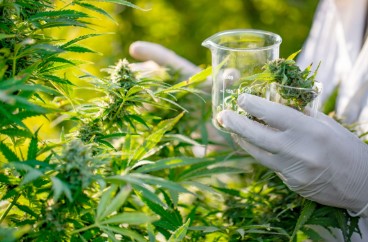
Grand Hindu thrives in environments that mimic the conditions of its native landrace, Hindu Kush, which comes from the arid, mountainous regions between Afghanistan and Pakistan. As a result, it is suited for growing in temperate to semi-arid climates. Below are the key environmental conditions for optimal growth:
Temperature
The ideal temperature range for cultivating Grand Hindu is between 65°F and 80°F (18°C to 27°C). Temperatures that consistently exceed 80°F (27°C) can lead to stress on the plant, which may reduce yield and potency. If grown indoors, it’s essential to maintain a stable environment, as sudden temperature fluctuations can negatively affect the plant’s growth.
Humidity
Grand Hindu prefers a low to moderate humidity environment, making it more suited for areas with dry climates. During the vegetative phase, relative humidity should be maintained between 50% and 70%. As the plants approach the flowering stage, humidity should be lowered to around 40% to 50% to reduce the risk of mold and mildew, which can thrive in higher humidity.
Light Requirements
As an indica-dominant hybrid, Grand Hindu does not require as much light intensity as sativa strains. However, it still needs a proper balance of light to grow efficiently. For outdoor cultivation, this strain requires at least 6 to 8 hours of direct sunlight each day in order to realize its maximum potential. If grown indoors, Grand Hindu benefits from a 12/12 light cycle during the flowering phase, which mimics the natural day-night cycle.
Air Circulation
Proper air circulation is vital for preventing mold and mildew, especially during the flowering phase. Ensure good airflow around the plant by using fans or other air circulation methods to keep the humidity levels under control. This also ensures healthy transpiration (the process by which moisture evaporates from the plant) and strengthens the plant’s stems.
Soil and Growing Medium
Soil
- Loamy soil is often recommended due to its good water retention capabilities while still providing proper drainage.
- Coco coir and perlite are also popular options for growing Grand Hindu, particularly for indoor growers, as they promote good aeration and moisture retention.
- Organic soil amendments, such as compost and worm castings, are beneficial for promoting soil health and providing slow-release nutrients to the plant.
Hydroponics
While Grand Hindu can be grown in soil, it can also thrive in hydroponic systems. Hydroponics allows for greater control over nutrients and water, leading to faster growth and potentially higher yields. Hydroponic systems such as deep water culture (DWC) or nutrient film technique (NFT) can be used to grow Grand Hindu effectively. However, hydroponics requires more expertise, as managing nutrient solutions and water pH can be more challenging than growing in soil.
Nutrient Requirements
Like most cannabis strains, Grand Hindu requires a balanced supply of macronutrients (nitrogen, phosphorus, and potassium) and micronutrients (such as calcium, magnesium, and sulfur) throughout its life cycle. Proper nutrient management can help ensure optimal growth, bud production, and overall health.
Vegetative Stage (Nitrogen Focus)
During the vegetative phase, Grand Hindu requires more nitrogen to promote robust stem and leaf growth. A high-nitrogen fertilizer with a ratio of 3:1:2 (N-P-K: Nitrogen-Phosphorus-Potassium) is typically recommended. The synthesis of chlorophyll, which is required for photosynthesis, depends on nitrogen. It is crucial not to over-fertilize during this stage, as excess nitrogen can stunt growth and increase the risk of nutrient burn.
Flowering Stage (Phosphorus and Potassium Focus)
As the plants transition into the flowering phase, the nutrient requirements shift. Grand Hindu will benefit from a fertilizer with a higher ratio of phosphorus (P) and potassium (K), such as a 1:3:2 or 1:4:3 ratio. Phosphorus is vital for flower development, while potassium supports overall plant health, helping the plant resist disease and stress.
Micronutrients and pH Management
Cannabis plants, including Grand Hindu, also require a variety of micronutrients like magnesium, calcium, sulfur, and iron. Deficiencies in these micronutrients can lead to various growth problems such as yellowing leaves or poor bud formation.
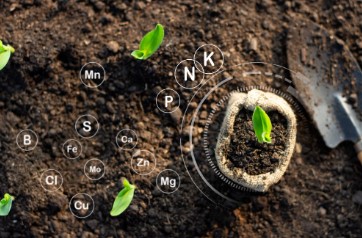
Maintaining the right pH balance is critical for nutrient uptake. For soil cultivation, a pH range of 6.0–7.0 is ideal, while hydroponic setups should maintain a slightly more acidic pH of around 5.5–6.5 to facilitate optimal nutrient absorption.
Pruning and Training Techniques
To maximize yield and control the plant’s shape, pruning and training techniques can be highly beneficial for Grand Hindu. Below are some common techniques:
Topping
Topping involves cutting off the top of the plant’s main stem, encouraging it to grow more lateral branches. This technique results in a bushier plant, with multiple colas (flowering sites) that can improve yield. Topping should be done early in the vegetative phase to allow the plant time to recover and grow strong side branches.
Low-Stress Training (LST)
Low-stress training (LST) is a technique where growers gently bend the plant’s branches to promote an even canopy and let more light into the bud sites. This technique helps increase light penetration and airflow to the lower branches, which results in improved yields.
Defoliation
Defoliation involves removing some of the plant’s leaves, especially the larger fan leaves, to allow more light to reach the lower parts of the plant. It’s important to avoid excessive defoliation, as leaves play a key role in photosynthesis, but strategically removing leaves can benefit the plant during the flowering phase.
Screen of Green (ScrOG)
The ScrOG (Screen of Green) technique involves placing a screen above the plant and weaving the branches through the screen as they grow. This technique creates an even canopy of buds and maximizes light exposure to the lower branches, leading to a more uniform and potentially higher yield.
Harvesting and Curing
Harvesting and curing are crucial steps in achieving the desired potency and flavor in Grand Hindu.
Harvest Timing
The timing of harvest is critical for achieving optimal potency and flavor. Cannabis plants are generally ready to harvest when the trichomes (small, glandular structures that produce THC) turn from clear to milky white, with some amber-colored trichomes appearing. This suggests that the amount of THC has peaked. Harvesting at the right time ensures a more potent and flavorful product.
Drying
Once harvested, Grand Hindu should be dried in a cool, dark place with good airflow. The drying process typically takes 7 to 14 days, depending on humidity levels. The key is to avoid drying too quickly, as this can degrade the terpene profile and overall quality of the buds.
Curing
Curing involves placing the dried buds in airtight containers for several weeks to allow the cannabinoids and terpenes to fully develop. Curing can improve the taste, smoothness, and aroma of the cannabis, resulting in a more enjoyable smoking experience. The curing process should be done in a dark, cool place, and jars should be opened daily during the first few weeks to allow fresh air exchange and prevent mold growth.
Potential Side Effects of Grand Hindu Cannabis
Like all cannabis strains, Grand Hindu may cause some unwanted side effects, particularly when consumed in high doses. These can include:
- Dry mouth (cottonmouth)
- Dry eyes
- Dizziness
- Paranoia (though rare with this strain)
- Mild headaches (in sensitive individuals)
Conclusion
Grand Hindu is a well-rounded cannabis strain that offers a balance of relaxing and uplifting effects. Its moderate THC content, combined with its beneficial terpene profile, makes it suitable for a variety of therapeutic and recreational applications. Whether you are looking to relax after a stressful day, alleviate chronic pain, or improve your sleep quality, Grand Hindu offers a comprehensive set of benefits. As with any strain, it is important to consult with a medical professional before using cannabis for therapeutic purposes, especially if you have pre-existing health conditions.
For a complete directory of cultivars, visit our Cannabis Strain Reviews.
