Table of Contents
Golden Ticket is a well-known cannabis strain celebrated for its balanced effects, citrusy flavor profile, and versatile applications. This hybrid strain, often classified as a slightly Sativa-dominant hybrid, has gained popularity among recreational and medical users alike due to its unique genetics and wide array of benefits. Below, we delve into every aspect of Golden Ticket, from its lineage and cultivation to its medical and recreational applications, as well as its scientific composition and potential therapeutic uses.
Genetics and Phenotypes
Golden Ticket is a cross of Golden Goat and Face Off OG. It is typically a 50/50 hybrid, though slight phenotype variations might result in leanings towards either sativa or indica. These phenotypes can influence the plant’s growth structure, flowering time, and cannabinoid profiles.
- Golden Goat parent strain contributes its robust sativa-leaning genetics, producing energetic growth and citrusy terpene profiles.
- Face Off OG parent strain introduces indica qualities, including denser bud structures and higher resin production.
Understanding these genetic influences allows growers to predict growth patterns and tailor their cultivation strategies.
Growing Environment Requirements
1. Indoor Cultivation
Golden Ticket thrives in controlled environments where growers can optimize factors like temperature, humidity, and light cycles.
- Temperature: Maintain day temperatures between 70–80°F (21–27°C) and slightly cooler nights. Excessive heat or cold stress can impair terpene production and reduce yields.
- Humidity: Ideal relative humidity (RH) levels range from:
- Vegetative stage: 55–70%
- Flowering stage: 40–50%
- Late flowering: 30–40% (to prevent mold and mildew in dense buds).
- Light Cycles:
- Vegetative phase: 18–24 hours of light.
- Flowering phase: Twelve hours of darkness and twelve hours of brightness.
2. Outdoor Cultivation
Golden Ticket can be grown outdoors in climates with temperate to warm conditions. This strain benefits from:
- Long sunny days: Encourages vigorous vegetative growth.
- Dry environments: Minimizes the risk of mold in the flowering stage.
Outdoor growers must ensure that the plant receives at least 6–8 hours of direct sunlight daily and is protected from excessive rain or wind.
Soil and Nutrient Requirements
Golden Ticket performs well in rich, well-aerated soil with ample organic matter.
- Soil Composition: Use a mix that retains water but drains well. A blend of loam, perlite, and organic compost is ideal.
- Nutrient Needs:
- Vegetative stage: High nitrogen (N) content to promote leafy growth.
- Flowering stage: Reduced nitrogen but increased phosphorus (P) and potassium (K) levels for robust bud formation.
Micronutrients like calcium, magnesium, and sulfur are critical for enzyme activity and cellular structure. Deficiencies in these can lead to leaf discoloration or stunted growth.
Hydroponic Cultivation
Golden Ticket is also suitable for hydroponic systems, where plants are grown in nutrient-rich water without soil.
- Advantages:
- Faster growth rates.
- Precise nutrient control.
- Reduced risk of soil-borne pathogens.
- Recommended Systems:
- Deep Water Culture (DWC): Roots are suspended in oxygenated nutrient solution.
- Drip Systems: Controlled nutrient delivery minimizes waste.
- Nutrient Solution: Maintain a pH range of 5.5–6.5 and monitor electrical conductivity (EC) to ensure optimal nutrient uptake.
Pruning and Training Techniques
Proper pruning and training enhance light penetration, air circulation, and overall yield.
- Topping: Cutting the main stem encourages lateral branching, leading to a bushier plant with multiple colas.
- Low-Stress Training (LST): Bending and tying down branches improve light exposure and reduce shading.
- Defoliation: Removing excess fan leaves during the flowering stage prevents overcrowding and improves airflow.
Flowering and Harvesting
Golden Ticket has a flowering time of 8–10 weeks when grown indoors. Outdoor plants typically reach maturity by late September to early October, depending on the climate.
- Signs of Maturity:
- Pistils (hairs) change from white to orange or brown.
- Trichomes shift from clear to cloudy, with some turning amber for a more relaxing effect.
Optimal Harvest Timing:
- For uplifting effects: Harvest when most trichomes are cloudy.
- For relaxing effects: Wait until 20–30% of trichomes have turned amber.
Integrated Pest Management (IPM)
Golden Ticket is moderately resistant to pests and diseases but can be susceptible to issues such as:
- Pests:
- Spider mites: Prevent with regular inspections and predatory insects like ladybugs.
- Aphids: Use neem oil or insecticidal soap for control.
- Fungus gnats: Maintain proper soil drainage and avoid overwatering.
- Diseases:
- Powdery mildew: Keep humidity low and ensure good airflow.
- Bud rot: Avoid excessive moisture during flowering.
Preventative Measures:
- Use sterilized tools.
- Rotate crops to reduce pathogen buildup.
- Implement companion planting (e.g., marigolds) to deter pests.
Lighting Technology
The quality and intensity of light are critical for Golden Ticket’s yield and terpene development.
- LED Lights:
- Energy-efficient with customizable spectrums.
- Red wavelengths promote flowering, while blue wavelengths support vegetative growth.
- High-Intensity Discharge (HID) Lights:
- For the vegetative stage, use Metal Halide (MH).
- Sodium under high pressure (HPS) during the flowering stage.
- Full-Spectrum Lighting: Mimics natural sunlight, providing a balanced spectrum for all growth stages.
Light Intensity:
- Maintain a PPFD (Photosynthetic Photon Flux Density) of 400–600 µmol/m²/s during vegetative growth and 600–900 µmol/m²/s during flowering for optimal photosynthesis.
Scientific Advances in Cultivation
- Genetic Testing:
- Enables growers to identify specific phenotypes with desired cannabinoid and terpene profiles.
- Facilitates early detection of genetic vulnerabilities to pests or environmental stressors.
- Tissue Culture Propagation:
- Produces genetically identical clones in sterile conditions.
- Reduces the risk of transferring pests or pathogens.
- Microbial Inoculants:
- Beneficial bacteria and fungi (e.g., mycorrhizal fungi) enhance nutrient uptake and root health.
- Trichoderma species help combat soil-borne pathogens.
- Environmental Control Systems:
- Automated systems monitor and adjust temperature, humidity, CO₂ levels, and light cycles.
- Data logging allows for precise optimization of growing conditions.
Cannabinoid and Terpene Optimization
Golden Ticket’s potency and flavor are influenced by cultivation techniques.
- Cannabinoids:
- THC levels typically range between 18–22%, with trace amounts of CBD.
- Controlled stress (e.g., slightly lower humidity) during late flowering can enhance THC production.
- Terpenes:
- Dominant terpenes include limonene, beta-caryophyllene, and myrcene.
- Terpene profiles are sensitive to light, temperature, and curing processes.
Curing and Storage
Proper curing is crucial for preserving the potency, flavor, and smoothness of Golden Ticket.
Use humidity packs to maintain an RH of 58–62%.o 40% Indica.
Drying:
Hang branches upside down in a dark room at 60–70°F (15–21°C) with 50–60% humidity.
Drying typically takes 7–10 days.
Curing:
Dried buds should be kept in airtight glass jars.
Open jars daily (burping) during the first 2 weeks to release excess moisture.
Cure for 4–6 weeks for optimal flavor and aroma.
Storage:
Keep cured buds in a cool, dark place away from direct light and heat.
Appearance
Golden Ticket plants are visually stunning, characterized by:
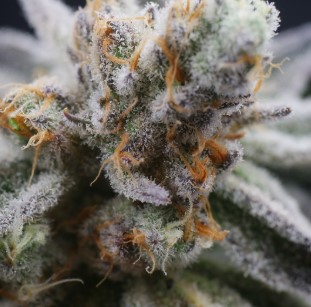
- Bud Structure: Dense, medium-sized buds that are often conical in shape.
- Coloration: A vibrant mix of lime green and deep purple hues, accentuated by bright orange pistils.
- Trichomes: A generous coating of frosty trichomes, giving the buds a shimmering, golden appearance that complements its name.
Flavor and Aroma
Golden Ticket boasts a complex and appealing sensory profile:
- Aroma: The strain’s aroma is a delightful blend of citrus, lemon zest, and sweet tropical fruit, underpinned by earthy and herbal notes.
- Flavor: On the palate, Golden Ticket delivers a burst of sweet and tangy lemon, with subtle hints of pine and a smooth, creamy finish.
Cannabinoid Profile
Golden Ticket typically features the following cannabinoid concentrations:
- THC: 18-24%, depending on cultivation methods and phenotypes. This moderate-to-high THC level makes it suitable for both novice and experienced users.
- CBD: Less than 1%, making it less ideal for those seeking high-CBD strains but effective for THC-dominant applications.
- Other Cannabinoids: Trace amounts of CBG, CBC, and THCV have been detected in some samples, contributing to the entourage effect.
Terpene Profile
Golden Ticket’s rich terpene profile enhances its effects and flavor. The dominant terpenes include:
- Limonene: Responsible for the strain’s citrusy aroma and uplifting effects.
- Myrcene: Adds earthy undertones and contributes to relaxation.
- Caryophyllene: Provides spicy, peppery notes and anti-inflammatory properties.
- Pinene: Offers piney aromas and promotes focus and alertness.
- Linalool: Adds floral and lavender-like notes, enhancing its calming effects.
Effects
Golden Ticket’s effects are often described as a perfect balance between mental stimulation and physical relaxation. Users report the following:
Recreational Effects:
- Euphoria: An immediate uplift in mood and a sense of happiness.
- Creativity: Enhanced creativity and mental clarity, making it ideal for artistic endeavors.
- Energy: A gentle boost of energy without overwhelming jitters, suitable for daytime use.
- Relaxation: A soothing body buzz that relieves tension without causing sedation.
Scientific Insights
Golden Ticket’s effects and therapeutic benefits can be understood through its interaction with the endocannabinoid system (ECS):
- CB1 Receptors: THC’s binding to CB1 receptors in the brain induces euphoria, mood enhancement, and pain relief.
- CB2 Receptors: Caryophyllene’s activity at CB2 receptors contributes to its anti-inflammatory and analgesic properties.
- Entourage Effect: The synergy between cannabinoids and terpenes enhances the strain’s therapeutic potential, offering a more comprehensive range of effects.
Medical Applications
Golden Ticket’s balanced profile makes it a versatile option for various medical conditions. Below are some specific uses:
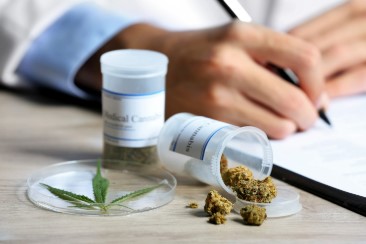
- Mental Health Disorders:
- Anxiety: Limonene and linalool’s calming effects help reduce anxiety symptoms.
- Depression: The uplifting nature of Golden Ticket combats depressive moods.
- PTSD: The strain’s relaxing yet energizing effects help mitigate symptoms of PTSD, including hypervigilance and emotional distress.
- Chronic Pain:
- Arthritis: Caryophyllene’s anti-inflammatory properties make it effective for joint pain.
- Neuropathy: Myrcene and THC work together to alleviate nerve pain.
- Gastrointestinal Issues:
- Nausea: Often recommended for patients undergoing chemotherapy or dealing with gastrointestinal disorders.
- Appetite Loss: Useful for conditions like cachexia and eating disorders.
- Sleep Disorders:
- While not typically sedative, Golden Ticket can promote restful sleep in lower doses due to its calming effects.
- Fatigue:
- Its energizing properties make it a good choice for combating fatigue in conditions like chronic fatigue syndrome or fibromyalgia.
Recreational Uses
Golden Ticket is equally beloved by recreational users for its enjoyable effects:
- Social Settings: Its uplifting and mood-boosting effects make it ideal for social gatherings.
- Creative Projects: Artists and creators appreciate the mental stimulation and focus it provides.
- Outdoor Activities: The strain’s energetic buzz pairs well with hiking, gardening, or other physical activities.
- Relaxation: A great choice for unwinding after work or during leisurely evenings.
1. Methods of Ingestion
The method of consumption significantly affects the bioavailability, onset, and duration of the effects of Golden Ticket.
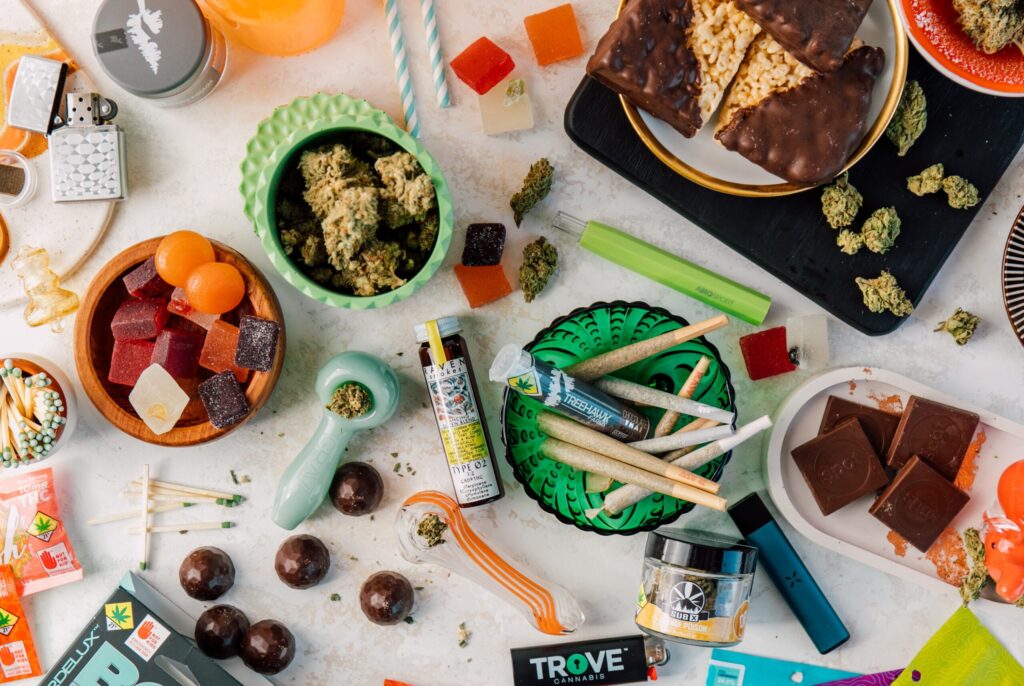
A. Smoking
- Mechanism: Combustion releases cannabinoids and terpenes, which are inhaled into the lungs.
- Onset: Immediate to 1–5 minutes.
- Duration: Effects last 1.5–3 hours.
- Absorption:
- Cannabinoids are absorbed through the alveoli in the lungs into the bloodstream.
- Bioavailability: Approximately 30% of THC is absorbed during smoking, though this depends on factors like inhalation depth and duration.
- Key Considerations:
- Offers the fastest onset.
- Terpenes are partially degraded during combustion, potentially reducing flavor intensity.
B. Vaping
- Mechanism: Vaporization heats cannabis or cannabis concentrates below the combustion point (typically 315–450°F or 157–232°C), releasing vaporized terpenes and cannabinoids.
- Onset: Immediate to 1–5 minutes.
- Duration: Effects last 1.5–3 hours.
- Absorption:
- Similar to smoking, but vaporizing retains more terpenes and cannabinoids, providing enhanced flavor and potency.
- Bioavailability is slightly higher than smoking, estimated at 35–40%.
- Key Considerations:
- Fewer harmful byproducts (e.g., tar, carbon monoxide) compared to smoking.
- Requires high-quality vape devices to prevent overheating and terpene degradation.
C. Edibles
- Mechanism: Cannabinoids are absorbed through the gastrointestinal (GI) tract and metabolized in the liver.
- Onset: 30 minutes to 2 hours, depending on metabolism, stomach contents, and individual factors.
- Duration: Effects last 6–8 hours, with residual effects potentially persisting up to 12 hours.
- Absorption:
- The liver transforms THC into 11-hydroxy-THC, which is stronger and more persistent than Δ9-THC.
- Bioavailability: Lower compared to inhalation methods, typically 4–20%, due to first-pass metabolism.
- Key Considerations:
- Longer-lasting and more intense effects due to 11-hydroxy-THC.
- Ideal for those seeking sustained relief (e.g., pain, anxiety).
- Delayed onset increases the risk of overconsumption for inexperienced users.
D. Sublingual Administration (Tinctures)
- Mechanism: Cannabinoids are absorbed directly into the bloodstream through the mucous membranes under the tongue.
- Onset: 15–30 minutes.
- Duration: Effects last 3–5 hours.
- Absorption:
- Bypasses the GI tract and liver, avoiding first-pass metabolism.
- Bioavailability is higher than edibles, estimated at 25–35%.
- Key Considerations:
- Allows precise dosing.
- Faster onset than edibles, making it suitable for medical users needing quick relief.
E. Topicals
- Mechanism: Cannabinoids are absorbed through the skin and interact with localized CB2 receptors in the endocannabinoid system.
- Onset: 15–30 minutes.
- Duration: Effects last 4–6 hours.
- Absorption:
- Limited to localized areas; cannabinoids do not typically enter the bloodstream.
- Ideal for treating localized pain, inflammation, or skin conditions.
- Key Considerations:
- Non-psychoactive as cannabinoids do not cross the blood-brain barrier.
- Requires formulations with penetration enhancers for deeper absorption.
F. Capsules and Pills
- Mechanism: Similar to edibles, cannabinoids are absorbed via the GI tract and processed by the liver.
- Onset: 30–90 minutes.
- Duration: Effects last 6–8 hours.
- Absorption:
- Bioavailability is low (4–20%).
- Effects are consistent and predictable, especially with pharmaceutical-grade formulations.
- Key Considerations:
- Easy to dose.
- Suitable for medical users requiring consistent effects.
G. Dabbing
- Mechanism: Involves vaporizing cannabis concentrates on a heated surface (e.g., quartz banger or e-nail) and inhaling the vapor.
- Onset: Immediate to 1–5 minutes.
- Duration: Effects last 1–3 hours.
- Absorption:
- Extremely high cannabinoid concentration leads to rapid and intense effects.
- Bioavailability: Estimated at 30–50%.
- Key Considerations:
- Requires specialized equipment.
- High potency makes it unsuitable for inexperienced users.
2. Onset, Duration, and Factors Influencing Effects
The onset and duration of effects from Golden Ticket depend on physiological and environmental factors:
A. Physiological Factors
- Metabolism:
- Faster metabolism leads to quicker onset but shorter duration, especially for edibles and capsules.
- Body Composition:
- Cannabinoids are lipophilic, meaning they bind to fat. Individuals with higher body fat may experience delayed onset and prolonged effects.
- Tolerance:
- Frequent cannabis use builds tolerance, reducing perceived potency and altering onset/duration.
- Endocannabinoid System (ECS) Sensitivity:
- Variations in ECS receptor density and function influence individual responses.
B. Product Factors
- Cannabinoid Content:
- High-THC products produce quicker and more intense psychoactive effects, while balanced THC:CBD ratios result in milder effects.
- Terpene Profile:
- Terpenes like limonene and myrcene modulate THC’s effects through the entourage effect, enhancing mood or relaxation.
- Formulation:
- Nanoemulsion-based edibles or tinctures provide faster onset due to improved water solubility and absorption.
C. Environmental Factors
- Stomach Contents:
- Consuming edibles on an empty stomach leads to quicker onset but may cause more intense effects.
- Concurrent Substance Use:
- Alcohol and other substances can enhance THC absorption, amplifying effects.
3. Comparative Onset and Duration
| Method | Onset Time | Duration | Bioavailability |
|---|---|---|---|
| Smoking | 1–5 minutes | 1.5–3 hours | ~30% |
| Vaping | 1–5 minutes | 1.5–3 hours | 35–40% |
| Edibles | 30–120 minutes | 6–8 hours | 4–20% |
| Sublingual | 15–30 minutes | 3–5 hours | 25–35% |
| Topicals | 15–30 minutes | 4–6 hours | Localized only |
| Capsules | 30–90 minutes | 6–8 hours | 4–20% |
| Dabbing | 1–5 minutes | 1–3 hours | 30–50% |
Potential Side Effects
Like all cannabis strains, Golden Ticket may cause some side effects, especially in higher doses:
- Dry Mouth: Common and can be alleviated by staying hydrated.
- Dry Eyes: Use lubricating eye drops if needed.
- Paranoia: Higher doses may trigger anxiety or paranoia in sensitive users.
- Dizziness: Rare but may occur in novice users or those with low THC tolerance.
Conclusion
Golden Ticket stands out as a versatile and well-rounded cannabis strain, offering a harmonious blend of calming bodily relaxation and elevating mental impacts. Its appealing flavor profile, coupled with its wide range of medical and recreational applications, makes it a favorite among cannabis enthusiasts. Whether you’re seeking relief from chronic pain, a boost in creativity, or simply a pleasurable experience, Golden Ticket delivers on all fronts. With proper cultivation and responsible use, this strain can be a golden ticket to wellness and enjoyment.
For a complete directory of cultivars, visit our Cannabis Strain Reviews.
