Table of Contents
Golden Pineapple is a hybrid cannabis strain that offers a perfect blend of both tropical and uplifting effects. It is renowned for its strong pineapple aroma and flavor profile, which is sweet, tangy, and fruity. Golden Pineapple is a cross between the famous Golden Goat and Pineapple Kush strains. While it’s primarily bred for recreational use, it has garnered attention in the medical cannabis community for its potential therapeutic benefits. In this article, we will explore the Golden Pineapple strain in-depth, covering its genetic lineage, appearance, effects, medical uses, and its popularity among cannabis enthusiasts.
Genetic Background
Golden Pineapple is a hybrid cannabis strain created by crossing two very popular strains: Golden Goat and Pineapple Kush.
- Golden Goat is a sativa-dominant hybrid known for its energizing effects and sweet, spicy flavors. It is widely appreciated for its euphoric and creative effects.
- Pineapple Kush is an indica-dominant hybrid, known for its pineapple-like aroma and calming, soothing effects.
The combination of these two parent strains results in a balanced hybrid that offers both uplifting and relaxing effects. Golden Pineapple tends to lean slightly towards the sativa side, but its effects are more balanced due to its indica heritage.
Appearance
Golden Pineapple has a visually appealing structure with medium to large-sized buds. The flowers are dense, with bright green leaves interspersed with orange pistils (hairs) and a thick coating of trichomes. The buds have a forest-green color with subtle hints of yellow and gold, which is where the strain gets its “Golden” name from.
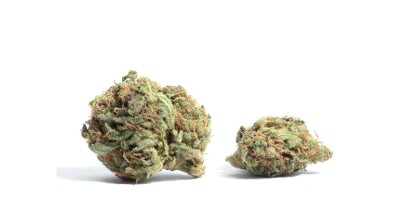
The trichome-covered surface gives it a frosty appearance, adding to its allure. Its compact bud structure is indicative of its hybrid genetic makeup, showcasing the best of both its parent strains.
Aroma and Flavor Profile
Golden Pineapple’s aroma is one of the standout features of the strain. Upon breaking open the buds, you’re immediately greeted by a tropical, sweet scent reminiscent of pineapple, citrus fruits, and hints of tropical flowers. The aroma is very fruity, with a slight earthy undertone, typical of the Pineapple Kush lineage.
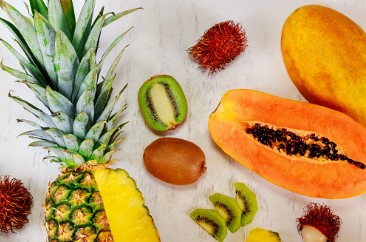
When smoked or vaporized, Golden Pineapple has a smooth, flavorful profile with a tropical and citrusy taste. The flavor is sweet, tangy, and juicy, just like a ripe pineapple. There are also notes of lemon, lime, and even a slight spiciness, adding complexity to the flavor profile. The fruity sweetness combined with a smooth finish makes Golden Pineapple an enjoyable strain for both inexperienced and seasoned cannabis users.
THC and CBD Content
Golden Pineapple is known for its relatively high THC content, which typically ranges from 18% to 22%, though this can vary depending on the growing conditions and cultivation techniques used. This makes it a moderately potent strain that can offer a strong euphoric effect without being overwhelmingly intense.
The CBD content in Golden Pineapple is relatively low, usually hovering around 0.1% to 0.3%. While this is not significant enough for CBD-specific therapeutic purposes, the high THC content plays a primary role in its overall effects.
Recreational Effects
Golden Pineapple is favored among recreational users for its uplifting and mood-enhancing effects. It is a versatile strain that can be enjoyed at various times throughout the day, though it is generally best used during the afternoon or evening due to its balanced nature.
- Euphoria: The strain produces a strong sense of happiness and euphoria, making it ideal for those seeking a mood boost.
- Uplifting: Golden Pineapple’s sativa-dominant genetics lead to a cerebral high that is uplifting and energizing. It’s an excellent strain for creativity and social interaction, making it a popular choice for social settings and group activities.
- Relaxation: Despite its sativa influence, Golden Pineapple has some indica effects that help relax the body without leading to heavy sedation. This makes it perfect for users who want to stay active and engaged without feeling overly tired.
- Increased Sociability: Users often report feeling more talkative and social, which makes Golden Pineapple an excellent choice for gatherings or parties.
- Mild to Moderate Dry Mouth: As with many cannabis strains, dry mouth (cottonmouth) can be a common side effect. It’s best to stay hydrated when consuming Golden Pineapple.
While Golden Pineapple is not typically known for inducing intense paranoia or anxiety, individuals who are prone to these issues should approach it cautiously, especially if they are sensitive to THC.
Medical Uses
Golden Pineapple is not only popular for recreational use but also for its potential therapeutic benefits. Medical cannabis patients use this strain to manage a variety of symptoms and conditions. While it is not as widely studied as some other strains, the anecdotal evidence from users and healthcare professionals points to the following potential medical applications:

Stress and Anxiety Relief
Golden Pineapple’s ability to uplift mood and induce euphoria makes it beneficial for those dealing with stress and anxiety. The strain can help users break free from negative thought cycles, promoting a sense of calm and relaxation. The sativa elements help enhance focus and clarity, but they do not typically lead to overstimulation, making it an ideal strain for those who struggle with everyday stress.
Depression
The mood-boosting properties of Golden Pineapple can also help alleviate symptoms of depression. Its euphoric effects can provide temporary relief from low moods, helping users feel more motivated and positive. The uplifting nature of the strain can encourage individuals to engage in activities they may have otherwise avoided due to feelings of sadness or apathy.
Chronic Pain Management
The strain’s mild relaxing effects and its ability to induce bodily relaxation make it a potential option for those suffering from chronic pain, especially pain related to muscle tension or inflammation. While it may not be as powerful as other pain-relieving strains, it can still provide moderate relief for conditions like back pain or headaches.
Nausea and Appetite Loss
Golden Pineapple’s ability to improve appetite is useful for individuals dealing with nausea and appetite loss. Patients undergoing chemotherapy or those with conditions like cachexia may find Golden Pineapple to be beneficial in stimulating hunger and reducing nausea, which is often experienced with certain medications or medical conditions.
Fatigue
Although Golden Pineapple has a calming effect, it is not overly sedating, making it a good option for individuals suffering from fatigue. The strain can help boost energy levels, promoting an active and productive mindset without causing an overwhelming rush of energy that might make it difficult to relax.
Headaches and Migraines
Due to its calming effects on the body and mind, Golden Pineapple may also be useful for individuals who experience headaches or migraines. The relaxation of the body can help alleviate tension and discomfort that may contribute to headaches, and the mood-enhancing effects can offer relief from the distress that often accompanies migraine pain.
Growing Golden Pineapple
Golden Pineapple is a hybrid cannabis strain that thrives under careful cultivation methods. Whether growing it indoors or outdoors, understanding its genetic traits, environmental requirements, and cultivation techniques can lead to successful harvests. Below are some scientifically-based methods of cultivation that ensure the optimal growth and high-quality yield of Golden Pineapple.
1. Genetic Considerations and Cultivar Characteristics
Golden Pineapple, as a hybrid of Golden Goat and Pineapple Kush, inherits a mix of sativa and indica genetics. This hybrid structure influences its growth habits and environmental needs. The strain is characterized by:
- Sativa-Dominant Traits: As a strain with sativa-dominant genetics, Golden Pineapple tends to grow tall with long internodal spacing. This means the plant requires space to allow light penetration and airflow through its dense foliage.
- Indica Influence: The Pineapple Kush parent brings some indica traits, such as a compact, bushy structure, making it more manageable for indoor growers. However, Golden Pineapple’s sativa traits are still dominant, requiring careful attention to manage its growth.
The plant can vary in its flowering time, yield, and resistance to diseases, depending on the specific cultivation practices employed.
2. Growing Environment
Golden Pineapple requires specific environmental conditions to maximize its potential. The climate, temperature, humidity, and light exposure all play a crucial role in its growth and yield.
2.1 Temperature and Humidity
- Ideal Temperature: Golden Pineapple grows best in temperatures between 70-85°F (21-29°C) during the vegetative phase and a slight drop to 65-80°F (18-26°C) during the flowering phase. A temperature drop at night mimics natural conditions and helps the plant transition to flowering, boosting overall bud development.
- Humidity: Maintaining 40-50% relative humidity during vegetative growth is ideal to prevent mold and mildew. During the flowering phase, reduce the humidity to around 30-40% to ensure optimal resin production and prevent moisture-related diseases.
2.2 Lighting
Golden Pineapple, being a hybrid strain, benefits from high-quality lighting during both the vegetative and flowering stages:
- Indoors: Growers should provide 18-24 hours of light per day during the vegetative phase to promote healthy growth. During the flowering phase, switch to 12 hours of light and 12 hours of darkness to trigger the plant’s reproductive cycle. High-output LEDs or full-spectrum HID lights are preferred for both vegetative and flowering phases, as these lights provide the spectrum required for photosynthesis and optimal bud formation.
- Outdoors: Golden Pineapple thrives in a sunny environment with long daylight hours, ideally in warm climates with at least 12 hours of sunlight per day during the growing season. Regions such as Southern California, Northern California, or areas with a Mediterranean climate are perfect for outdoor cultivation.
3. Soil and Nutrients
Golden Pineapple is sensitive to the nutrient balance in the soil, and its yield and health depend significantly on the type of soil and nutrients used. Proper soil composition and the addition of nutrients can boost its growth potential.
3.1 Soil Composition
Golden Pineapple thrives in well-draining, slightly acidic soil with a pH range of 6.0-7.0. The ideal soil should be rich in organic matter, with good aeration to support root growth. The roots of Golden Pineapple plants require oxygen to thrive, which means that waterlogged soil might impede growth and lead to root rot.
- Soil Mix: A combination of coco coir, perlite, and composted organic matter works well for this strain. Coco coir helps retain moisture, while perlite improves drainage, preventing water retention that could lead to root damage. Compost provides essential organic nutrients for healthy plant growth.
- Nutrient Requirements: Golden Pineapple requires macronutrients (nitrogen, phosphorus, potassium) and micronutrients (calcium, magnesium, sulfur, and trace elements) at different stages of growth:
- Vegetative Phase: High nitrogen levels promote leaf and stem growth, which is critical during early stages. A balanced NPK (nitrogen-phosphorus-potassium) ratio of 3:1:2 or 4:2:3 is recommended.
- Flowering Phase: During the flowering stage, phosphorus and potassium become more important for flower and bud development. A nutrient mix with a higher concentration of phosphorus and potassium like 1:2:3 or 1:3:4 is beneficial to promote robust bud growth and resin production.
3.2 Nutrient Deficiencies
Some common nutrient deficiencies to watch for include:
- Nitrogen Deficiency: Yellowing of leaves starting from the lower, older leaves is a sign of nitrogen deficiency. Address this by increasing the nitrogen content in the nutrient mix.
- Phosphorus Deficiency: If the leaves exhibit dark spots or a purple hue, particularly during the flowering phase, the plant may lack phosphorus.
- Calcium Deficiency: This can cause irregular leaf growth and curled leaves. A good quality calcium supplement should be used to remedy this.
It’s important to monitor the plants regularly and adjust nutrient levels accordingly to maintain optimal health.
4. Training Techniques
Due to Golden Pineapple’s tendency to grow tall and bushy, using training techniques will help optimize light exposure, airflow, and overall yield. Some popular training methods include:
4.1 Topping
Topping involves cutting off the top of the main stem to encourage the plant to produce two main branches instead of one. This is especially helpful for indoor growers who need to manage plant height and create a more even canopy. The process helps maximize the plant’s bud production, encouraging lateral growth and reducing the risk of light deprivation in lower parts of the plant.
4.2 Low Stress Training (LST)
Low Stress Training involves gently bending and securing the plant’s branches to create a horizontal structure. This method increases light exposure to the lower branches and encourages the plant to grow more horizontally, thus producing more buds. It is a gentler method compared to topping and can be combined with other techniques.
4.3 ScrOG (Screen of Green)
The ScrOG method uses a mesh screen placed above the plants to encourage even canopy development. As the plants grow, the stems are weaved through the screen, ensuring that the light is distributed evenly across the plant’s surface, leading to a more uniform and dense bud structure. ScrOG is effective for maximizing yields in limited space and works well for Golden Pineapple.
4.4 Defoliation
Defoliation involves removing some of the larger leaves that might be obstructing light from reaching lower buds. This is usually done during the vegetative phase to promote better airflow and light penetration. However, care should be taken not to remove too many leaves, as this can stress the plant and lessen its capacity for efficient photosynthetic processes.
5. Pest and Disease Management
Golden Pineapple is relatively resilient but is still susceptible to common pests and diseases. Integrated pest management (IPM) practices should be employed to prevent infestations. Typical pests to look out for include:
- Spider Mites: These tiny arachnids feed on the undersides of leaves and can cause yellowing and webbing. Regularly inspect plants and treat them with organic pesticides or neem oil to prevent an infestation.
- Powdery Mildew: On leaves, this fungal disease manifests as a white, powdery material. Ensure good airflow around the plants and reduce humidity during the flowering phase to prevent mildew.
Organic pesticides, beneficial insects (such as ladybugs for aphids), and proper sanitation techniques will help maintain a healthy growing environment.
6. Harvesting and Curing
Golden Pineapple typically flowers in about 8-9 weeks. Growers should watch for visual cues to determine the best time for harvest:
- Trichomes: Use a jeweler’s loupe to inspect the trichomes (small, crystal-like structures on the buds). For optimal potency, harvest when the trichomes are mostly milky with some amber trichomes. This ensures peak THC content.
- Pistil Color: The pistils (hairs) should turn a reddish-brown or orange color as an indicator that the plant is mature.
After harvesting, proper curing is essential to preserve the flavor, aroma, and potency of Golden Pineapple:
- Drying: Hang the branches upside down in a cool, dark, and well-ventilated area for 7-14 days. The drying process should be slow and gentle to prevent degradation of terpenes.
- Curing: After drying, place the buds in glass jars, burping them regularly (opening the jars to allow fresh air in) to avoid mold growth. Cure for at least 2-4 weeks to achieve the best flavor and aroma.
Conclusion
Golden Pineapple is a balanced hybrid cannabis strain known for its tropical aroma, mood-enhancing effects, and potential therapeutic uses. With a genetic background of Golden Goat and Pineapple Kush, it offers a fusion of sativa and indica traits that make it a versatile choice for both recreational and medical users. It can help manage stress, anxiety, depression, chronic pain, and other conditions, while also delivering an uplifting, euphoric high that encourages creativity and sociability.
Its relatively easy cultivation process, sweet pineapple flavor, and balanced effects make Golden Pineapple a popular choice for cannabis enthusiasts across the world. Whether you’re looking for a mood-boosting strain or seeking relief from medical conditions, Golden Pineapple provides a well-rounded experience with significant therapeutic potential.
For a complete directory of cultivars, visit our Cannabis Strain Reviews.
