Table of Contents
Lineage and Genetics
Goldberry is an Indica-dominant hybrid strain, believed to have been derived from the cross between Blueberry and Pot of Gold, two well-known strains with distinct and powerful effects. This parentage contributes to Goldberry’s calming, euphoric, and sometimes sedative qualities.
- Blueberry: A classic Indica strain known for its sweet berry flavor and calming body high.
- Pot of Gold: A potent Indica-dominant hybrid with Afghani heritage, known for its dense buds and deeply relaxing effects.
The genetic blend gives Goldberry its sedative yet euphoric character, balancing heady happiness with full-body relaxation, making it suitable for both therapeutic and casual use.
Morphological Traits and Cultivation
Morphology
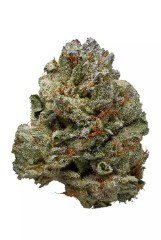
- Growth Pattern: Short to medium stature; bushy with broad leaves, Goldberry has classic Indica traits.
- Internodal Spacing: Tight, which allows for compact canopy formation but can lead to humidity pockets.
- Bud Formation: Dense and resin-heavy; ideal for high-yield extractions (rosin, hash).
- Trichome Density: High, which increases light reflectance and suggests strong cannabinoid/terpene production.
Developmental Phases
| Stage | Duration (Indoor) | Key Physiological Events |
|---|---|---|
| Germination | 2–7 days | Radicle emerges; early root formation |
| Vegetative | 4–6 weeks | Rapid growth, leaf and branch development, root expansion |
| Flowering | 8–9 weeks | Bud development, resin and terpene production |
| Ripening | Final 10–14 days | Trichomes mature; pistils darken, THC peaks |
Environmental Requirements
1. Temperature
- Vegetative Stage: 22–26°C (71–78°F)
- Flowering Stage: 20–24°C (68–75°F)
- Night Drop: Allow 4–5°C drop at night to enhance anthocyanin (purple pigment) production, inherited from Blueberry.
2. Relative Humidity (RH)
- Vegetative: 55–70%
- Flowering (Weeks 1–6): 45–55%
- Late Flowering (Weeks 6–9): 35–45% to prevent bud rot
3. Light Intensity & Spectrum
- Vegetative: 18/6 photoperiod, PAR range ~300–600 µmol/m²/s
- Flowering: 12/12 photoperiod, PAR range ~600–1000 µmol/m²/s
- UV-B Addition (final 2 weeks): Can increase trichome density and THC content via photostress signaling
Nutrient Regimen & Soil Chemistry
Macro and Micronutrients
| Stage | N-P-K Ratio Target | Micros Needed |
|---|---|---|
| Vegetative | 3-1-2 or 4-2-3 | Fe, Mn, Zn, Ca, Mg |
| Flowering | Start with 1-2-2, finish with 0-3-3 | B, S, Ca, Mg |
- Nitrogen drives foliage growth but should be reduced in flowering to avoid leafy buds in Goldberry.
- Phosphorus and Potassium are key for resin, terpene, and cannabinoid biosynthesis during flowering.
- Calcium and Magnesium help with cell wall strength and chlorophyll production—especially crucial in hydroponics.
pH Range
- Soil: 6.0–6.8
- Hydro/Coco: 5.6–6.2 Maintaining pH ensures micronutrient bioavailability and prevents lockout.
Mediums and Growing Systems
Soil
- Rich, well-aerated organic soil (compost + perlite + worm castings)
- Adds flavor depth due to microbial terpene interactions
Coco Coir
- Faster root development due to high oxygenation
- Requires more frequent feeding and tight EC/pH control
Hydroponics (DWC or NFT)
- Offers highest growth rate and yield potential of Goldberry
- Requires careful monitoring of EC (1.6–2.2) and daily reservoir maintenance
- Faster nutrient uptake, but less terpene complexity compared to soil
Training Techniques and Canopy Management
Goldberry responds very well to low-stress and moderate-stress training, due to its natural bushiness and phototropic vigor.
1. Topping & FIMing
- Performed during early veg to encourage lateral growth and more colas.
- Enhances canopy efficiency and yield.
2. Low-Stress Training (LST)
- Gently bending Goldberry branches outward improves light penetration to inner nodes.
- Reduces apical dominance to equalize bud size.
3. SCROG (Screen of Green)
- Ideal due to its horizontal growth style
- Helps maintain even canopy and light distribution
4. Defoliation
- Strategic Goldberry’s leaf removal around week 3 and 6 of flowering improves air circulation and light access.
- Prevents moisture buildup and mold on Goldberry’s dense buds.
Pest and Disease Management
Goldberry tends to be resistant to powdery mildew and mites, but growers should remain vigilant, especially due to its tight internodes.
Common Threats
- Fungus gnats in overwatered soil
- Bud rot in late flowering if RH is too high
- Spider mites in dry, dusty environments
Preventative Practices
- Beneficial insects (e.g., Phytoseiulus persimilis for mites)
- Neem oil or potassium bicarbonate foliar sprays (veg phase only)
- Adequate air movement: oscillating fans + exhaust systems
- Avoid overwatering and ensure good drainage
Flower Maturation and Harvest Timing
Signs of Peak Ripeness
- Trichome Color: Cloudy with ~20–30% amber for balanced effects
- Pistils: ~70–90% curled and browned
- Aroma: Rich berry-earth scent intensifies
Harvest Tips
- Early harvest: More cerebral, energetic
- Late harvest: More sedative, body-heavy (CBN levels increase from oxidized THC)
Post-Harvest Processing
Drying
- Environment: 60–65°F (15.5–18.5°C), 50–55% RH
- Duration: 7–14 days depending on bud density
- Goal: Slow dry to preserve terpenes and prevent chlorophyll “bite”
Curing
- Burped glass jars every day for two to three weeks
- Continued enzymatic breakdown enhances flavor and smoothness
- Terpenes stabilize, and cannabinoid profile matures
Cannabinoid and Terpene Optimization via Cultivation Techniques
- Low-stress conditions in early flowering boost terpene synthase expression
- UV-B exposure increases THC via the phenylpropanoid pathway
- Drought stress in final week (controlled water deprivation) can enhance resin production as a stress response
- Mycorrhizal fungi like Rhizophagus intraradices increase phosphorus uptake and root mass, improving yield and terpene expression
Yield Expectations and Optimization
| Growing Method | Yield per plant |
|---|---|
| Indoor (soil) | 350–500g/m² |
| Indoor (hydro) | 500–650g/m² |
| Outdoor | 600–800g/plant |
CO₂ enrichment during flowering (1000–1200 ppm) can increase yields by up to 20%, especially in sealed indoor environments.
Cannabinoid Profile
Goldberry usually contains a THC content ranging from 17% to 22%, although some phenotypes can push slightly higher. CBD levels are generally low (0.1–0.5%), meaning its effects are largely driven by THC and how it interacts with terpenes and other cannabinoids.
| Cannabinoid | Average % |
|---|---|
| THC | 17–22% |
| CBD | 0.1–0.5% |
| CBG | 0.5–1% |
| CBC | 0.2–0.6% |
| THCV | 0.1–0.3% |
Terpene Profile and Aroma Chemistry
Goldberry’s unique scent and therapeutic actions stem from its rich terpene profile, with dominant terpenes typically including:
Myrcene (0.4–1.0%)
- Musky, earthy scent with fruity undertones
- Sedative, muscle relaxant, analgesic properties
- Enhances THC uptake via the blood-brain barrier
Limonene (0.3–0.7%)
- Citrus aroma
- Uplifting, anxiolytic, mood-enhancing
- Enhances serotonin and dopamine activity
Caryophyllene (0.2–0.6%)
- Spicy, peppery profile
- Binds to CB2 receptors; anti-inflammatory, analgesic
- Terpene is the only known cannabinoid.
Pinene (0.1–0.3%)
- Pine aroma
- Bronchodilator, memory-enhancing, anti-inflammatory
Linalool (trace to 0.2%)
- Floral, lavender scent
- Sedative, anti-anxiety, anticonvulsant
These terpenes contribute to both flavor and pharmacological action, with synergistic effects enhancing Goldberry’s medical potential.
Mechanisms of Action: The Entourage Effect
Goldberry’s effects are primarily driven by THC, which acts on CB1 receptors in the brain to produce euphoria, altered perception, and pain relief. However, its complex effects are a result of entourage synergy:
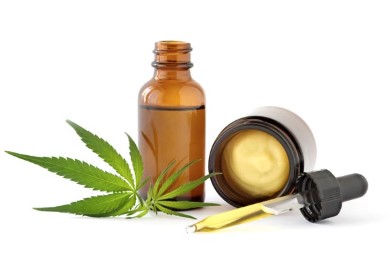
- Myrcene facilitates THC crossing the blood-brain barrier faster, intensifying and prolonging psychoactivity.
- Limonene and linalool counteract potential anxiety, making the high smoother.
- Caryophyllene engages CB2 receptors in the immune system, enhancing anti-inflammatory effects.
- CBG and CBC, minor cannabinoids, offer mood regulation and neuroprotective effects.
This synergy results in Goldberry’s unique mood-lifting yet body-melting experience, ideal for balancing mental and physical symptoms.
Medical Applications
Goldberry’s Indica-dominant hybrid nature, combined with a THC concentration of 17–22% and a complex terpene profile (dominated by myrcene, limonene, caryophyllene, and trace linalool and pinene), gives it a multifunctional therapeutic profile. Its potential spans neurological, psychiatric, gastrointestinal, inflammatory, and sleep-related disorders.

Pain Management
Conditions Treated
- Chronic pain (neuropathic and nociceptive)
- Fibromyalgia
- Migraines and cluster headaches
- Arthritis (osteo and rheumatoid)
- Muscular dystrophy
Mechanisms of Action
- THC activates CB1 receptors in the central nervous system (CNS), inhibiting nociceptive signaling in the dorsal horn of the spinal cord.
- Caryophyllene, acting as a CB2 agonist, reduces peripheral inflammation, especially in arthritic and autoimmune pain.
- Myrcene exhibits analgesic and muscle-relaxant properties, comparable to opiates in rodent models.
- Linalool may reduce pain sensitivity by modulating glutamate and NMDA receptors.
Scientific Insight: A 2020 review in Frontiers in Pharmacology found that whole-plant cannabis rich in myrcene and caryophyllene produced synergistic analgesic effects, outperforming isolated THC alone.
Anxiety, Stress, and Mood Disorders
Conditions Treated
- Generalized Anxiety Disorder (GAD)
- Social anxiety
- Mild to moderate depression
- PTSD
- Panic disorder
Mechanisms of Action
- Limonene has documented anxiolytic and antidepressant effects by elevating dopamine and serotonin levels in the prefrontal cortex and hippocampus.
- Linalool modulates GABA-A receptors, promoting relaxation and reducing excitatory neurotransmission.
- THC, in low to moderate doses, enhances mood and provides stress relief via CB1-mediated dopamine release in the nucleus accumbens.
- Myrcene may blunt hyperactive sympathetic nervous activity, reducing cortisol levels.
Clinical Correlate: A 2021 meta-analysis from Journal of Clinical Psychiatry found that limonene-rich cannabis chemotypes were effective in reducing anxiety symptoms by up to 40% without sedative dependency.
Caution: High-THC content in Goldberry may exacerbate anxiety in sensitive individuals or high doses, especially without sufficient counterbalancing terpenes.
Insomnia and Sleep Disorders
Conditions Treated
- Sleep-onset insomnia
- Maintenance insomnia
- Restless leg syndrome
- REM behavior disorder
- Stress-related insomnia
Mechanisms of Action
- THC reduces sleep latency (time to fall asleep) and REM density, which is beneficial in PTSD-related nightmares.
- Myrcene and linalool are both sedative terpenes. Myrcene increases GABAergic tone and acts as a muscle relaxant.
- Caryophyllene’s anti-inflammatory effect may reduce pain that interferes with sleep.
Scientific Insight: A 2019 study in Sleep Medicine Reviews confirmed THC-dominant strains rich in myrcene and linalool improve total sleep time and decrease sleep disturbances, particularly in chronic pain patients.
Appetite Stimulation & Gastrointestinal Disorders
Conditions Treated
- Chemotherapy-induced appetite loss
- Anorexia nervosa
- Cachexia (AIDS, cancer)
- IBS and IBD
- Functional nausea and vomiting
- GERD-related stress response
Mechanisms of Action
- THC increases ghrelin secretion, a hunger hormone that triggers appetite.
- CB1 activation in the hypothalamus stimulates feeding circuits and dopaminergic reward centers.
- Caryophyllene reduces gut inflammation through CB2 interaction, beneficial in IBD (Crohn’s, ulcerative colitis).
- Limonene shows gastroprotective and anti-nausea properties by modulating gut serotonin (5-HT3) receptors.
Scientific Insight: Research from Journal of Cannabis Research (2022) found that balanced Indica-dominant hybrids like Goldberry restored appetite in over 70% of patients undergoing chemotherapy or antiviral treatment.
Neurological and Psychiatric Disorders
Conditions Treated
- PTSD
- OCD
- Epileptic syndromes (adjunctive)
- Neuroinflammation
- Parkinson’s (symptom management)
- Multiple sclerosis (muscle spasms, neuropathy)
Mechanisms of Action
- CB1 and CB2 receptor modulation can reduce glutamate excitotoxicity and neuroinflammation.
- Linalool and myrcene contribute neuroprotective and anticonvulsant effects.
- Caryophyllene, by targeting CB2, can decrease neuroinflammatory cytokines (e.g., IL-1β, TNF-α).
- THC reduces hypervigilance, intrusive thoughts, and flashbacks in PTSD via amygdala and hippocampal desensitization.
Clinical Insight: A 2022 open-label study in Neuropsychopharmacology found that THC-rich cannabis with limonene and linalool reduced PTSD symptoms by over 50% in treatment-resistant cases.
Inflammatory and Autoimmune Disorders
Conditions Treated
- Rheumatoid arthritis
- Lupus (adjunctive symptom relief)
- Psoriasis
- Chronic inflammation and fatigue syndromes
- Neuropathic pain syndromes
Mechanisms of Action
- Caryophyllene is a non-psychoactive full CB2 agonist, suppressing immune overactivity without CNS side effects.
- THC reduces pro-inflammatory prostaglandins and cytokines (IL-6, TNF-α).
- Limonene and myrcene both exhibit systemic anti-inflammatory action, downregulating NF-kB and COX-2 pathways.
Scientific Insight: An Arthritis Foundation study (2021) found full-spectrum cannabis formulations rich in caryophyllene and THC reduced arthritis-related inflammation markers significantly in vivo.
VII. Menstrual and Hormonal Disorders
Conditions Treated
- Menstrual cramps
- Endometriosis
- Perimenopausal symptoms (mood swings, insomnia, hot flashes)
Mechanisms of Action
- Myrcene’s antispasmodic effects help relieve uterine muscle tension.
- THC and limonene balance mood by modulating serotonin and dopamine.
- Anti-inflammatory actions ease endometrial tissue irritation and pain.
Dosage Forms for Medical Use
| Form | Best For | Notes |
|---|---|---|
| Vaporized Flower | Quick onset, titratable | Ideal for anxiety, nausea, pain |
| Tincture/Oil | Precise dosing, long-lasting | Used for chronic pain, sleep, appetite, inflammation |
| Edibles | Strong and sustained effects | Best for insomnia, night pain, PTSD |
| Topicals | Localized inflammation, arthritis, cramps | Non-psychoactive |
Dosing Considerations
| Condition | Suggested THC Dose | Form | Comments |
|---|---|---|---|
| Chronic Pain | 10–25mg/day | Oil, flower | Split dose AM/PM for steady coverage |
| Anxiety/Depression | 2.5–10mg/day | Vapor, microdose | Limonene-rich microdoses preferable |
| Sleep Disorders | 10–30mg 1 hr before bed | Edible, tincture | Start low; titrate slowly |
| GI Disorders | 5–20mg/day | Oral or vape | Avoid sugars or irritants in edibles |
| Appetite Stimulation | 5–10mg before meals | Edible, tincture | Combine with protein intake |
Note: Due to Goldberry’s THC potency, new patients should start low (1–2.5mg THC) and increase slowly over days to avoid adverse reactions.
Safety and Contraindications
Who Should Use with Caution
- Patients with history of psychosis or schizophrenia
- Cardiac patients sensitive to THC-induced tachycardia
- Pregnant or lactating individuals
- Those on SSRIs, benzodiazepines, or other CNS depressants (due to additive effects)
Drug Interactions
- THC is metabolized by CYP2C9 and CYP3A4, so it can interact with warfarin, certain antiepileptics, and HIV antivirals.
- Limonene and pinene may inhibit or induce certain liver enzymes—monitor in polypharmacy.
Recreational Effects and Experience
Goldberry provides a multi-phase high that begins with a cerebral uplift and eases into full-body relaxation:
Initial Onset (0–15 minutes):
- Mental clarity, light euphoria, slight energy boost
- Sensory enhancement and mood elevation
Peak Effects (15–45 minutes):
- Euphoric body-mind harmony
- Reduction in muscle tension and stress
- Enhanced appreciation of music, flavor, or nature
Later Stage (45–120 minutes):
- Deep relaxation, couch-lock in high doses
- Sedative, dreamy state without mental fog
Social and Creative Contexts
- Great for low-key social events, solo introspection, or creative flow states
- Not recommended for high-stimulation or high-pressure environments
Side Effects and Tolerance
Like most high-THC strains, Goldberry can produce side effects in sensitive users or high doses:
Common Side Effects:
- Dry mouth and eyes
- Dizziness
- Mild paranoia (especially in THC-sensitive individuals)
- Increased appetite
Rare but Notable:
- Transient anxiety in high doses
- Sedation that may interfere with productivity
Tolerance builds over extended use. For medical patients, a titrated dosing regimen and tolerance breaks can help maintain efficacy.
Ideal Usage Scenarios
| Use Case | Time of Day | Form | Dose Guidance |
|---|---|---|---|
| Chronic pain relief | Evening | Vape or tincture | Low to moderate dose; monitor onset |
| Anxiety/depression | Day or night | Low-temp vape or edible | Low dose of 5–10mg THC |
| Insomnia | 1 hour before bed | Flower or edible | Higher dose; avoid early day use |
| Appetite stimulation | Mealtime | Edible or smoke | Moderate dose before meals |
| Recreational unwinding | Late afternoon/evening | Joint or dry herb vape | Personalized dose based on tolerance |
Popular Forms and Consumption Trends
Goldberry is primarily available as:
- Flower (most common)
- Concentrates (shatter, live resin)
- Vape cartridges
- Edibles and tinctures
Due to its balanced yet potent effects, it’s a favorite in rosin production and infused products for nighttime use.
Breeding and Genetic Potential
Given its stable lineage and terpene richness, Goldberry is increasingly used in hybrid breeding:
Desirable Traits for Crossbreeding:
- High resin production
- Strong berry terpene profile
- Consistent Indica morphology
- Disease and mold resistance
It pairs well with Sativas or hybrid males to create cultivars that blend sedation with creativity, or with other Indicas to amplify couch-lock and therapeutic depth.
Scientific and Clinical Research Correlates
While Goldberry itself has limited direct clinical studies, its parent compounds and terpenes are well-researched:
- THC and sleep: Proven in multiple studies to increase slow-wave and total sleep time
- Myrcene: Validated for analgesia and muscle relaxation in rodent models
- Caryophyllene: Shown to reduce inflammation via CB2 receptor pathways
- Limonene: Demonstrated antidepressant and anxiolytic activity via serotonin modulation
Emerging studies also highlight full-spectrum cannabis preparations, like Goldberry, as more effective than isolated compounds due to the entourage effect.
Summary Table
| Feature | Goldberry |
|---|---|
| Type | Indica-dominant hybrid |
| THC | 17–22% |
| CBD | <0.5% |
| Terpenes | Myrcene, limonene, caryophyllene, pinene, linalool |
| Effects | Relaxing, euphoric, pain-relieving, sedative |
| Medical Uses | Pain, insomnia, anxiety, depression, appetite loss |
| Recreational Appeal | Balanced head-body high, flavor, creativity, relaxation |
| Grow Difficulty | Moderate |
| Yield | Medium to high |
| Flowering Time | 8–9 weeks |
Conclusion
Goldberry is a therapeutically rich and recreationally satisfying Indica-leaning hybrid. Its blend of moderate-high THC, diverse terpenes, and balanced effects make it suitable for both novice and experienced users. Whether for managing pain, soothing anxiety, or elevating a calm evening, Goldberry stands out as a potent example of how plant chemistry can be harnessed for well-being and pleasure.
For a complete directory of cultivars, visit our Cannabis Strain Reviews.
