Table of Contents
Gold Leaf is a hybrid cannabis strain that is known for its balanced effects, rich flavor profile, and high-quality genetics. It combines the best traits of both indica and sativa strains, offering a versatile experience for both recreational and medicinal users. In this detailed breakdown, we will explore the Gold Leaf cannabis strain from multiple angles, including its genetics, growing characteristics, THC and CBD content, recreational effects, medicinal benefits, and scientific insights.
1. Genetics and Lineage
Gold Leaf is a hybrid strain, which means it is a cross between an indica and a sativa, though it tends to lean slightly more toward the indica side. It is primarily bred from the following strains:
- Shining Silver Haze (Sativa-dominant): This parent strain contributes to the uplifting and energetic effects that Gold Leaf can provide. Shining Silver Haze is a sativa with a complex flavor profile, marked by earthy, citrus, and herbal notes.
- Northern Lights (Indica-dominant): Known for its calming and sedative properties, Northern Lights brings relaxation and body high effects to Gold Leaf. This indica influence also gives the strain its dense buds and high resin production.
- Other hybrids (specifically Skunk and Haze varieties): These additional genetic contributions further enhance Gold Leaf’s overall effects and flavor complexity.
Gold Leaf’s hybrid nature is responsible for its diverse effects. It offers a blend of both physical relaxation and cerebral stimulation, making it popular among users who enjoy a balance between mental clarity and body ease.
2. Physical Appearance
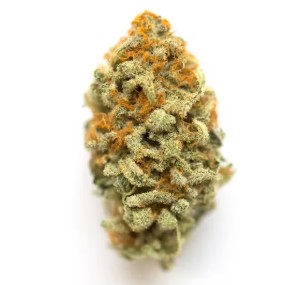
Gold Leaf’s buds are often large, dense, and sticky due to the high resin content. The strain’s name comes from the golden-green hues that appear in the buds, sometimes with hints of orange pistils running through them. These buds are covered with a frosty layer of trichomes, signaling their potency and high THC content. When properly cured, Gold Leaf has a visually appealing appearance that makes it attractive to both growers and users alike.
3. Aroma and Flavor Profile
Gold Leaf offers a unique combination of earthy, sweet, and citrusy aromas. Upon breaking open the buds, users are often greeted with a blend of earthy, woody notes, followed by sweet citrus undertones. The flavor profile upon consumption follows suit, with the earthy and piney tastes being complemented by sweet, citrusy and sometimes even slightly floral notes. This complex flavor profile makes Gold Leaf a delightful strain for those who appreciate nuanced tastes in their cannabis.
4. THC and CBD Content
Gold Leaf is a potent strain, with THC levels typically ranging between 18% and 24%. This makes it a fairly strong strain that may not be suitable for novice users, as it can induce powerful effects. The CBD content of Gold Leaf is relatively low, usually around 0.1% to 0.3%. Therefore, it’s more suited for those looking for the psychoactive effects of THC, rather than medicinal benefits derived from CBD.
5. Growing Gold Leaf: Cultivation Characteristics
Genetics and Phenotype Variation
Gold Leaf cannabis plants are hybrids with a significant genetic base that allows them to thrive under various cultivation conditions. These plants inherit traits from both sativa and indica parents, resulting in genetic diversity in the phenotype expression. This means that Gold Leaf plants may show slight variations in height, leaf structure, and bud formation depending on the specific genetics that dominate in the individual plant.
- Indica-dominant characteristics: The Northern Lights parent contributes to dense bud formation, shorter and bushier growth patterns, and high resin production.
- Sativa-dominant characteristics: The Shining Silver Haze parent provides a taller growth structure, slightly elongated leaves, and slightly longer flowering periods.
Cannabis Growth Stages
Gold Leaf, like all cannabis plants, goes through several growth stages that require careful attention to light, water, nutrients, and temperature. These stages include:
- Germination: The process where the seed sprouts and the root begins to emerge. During germination, a temperature of around 70–80°F (21–27°C) is ideal, and humidity levels should be relatively high to encourage root development.
- Vegetative Stage: The plant concentrates on growing leaves and stems during this period. It’s important to provide an optimal light cycle (typically 18 hours of light and 6 hours of darkness) during this phase. Vegetative growth usually lasts between 4 to 6 weeks. Plants in this phase benefit from higher nitrogen levels in fertilizers, which promotes leaf and stem growth.
- Flowering Stage: Once the plant is sexually mature, the flowering cycle begins. Gold Leaf typically takes around 8–9 weeks to flower, which is average for many hybrid strains. It is recommended that the light cycle be shortened to 12 hours of light and 12 hours of darkness to encourage the plant to flower. During this time, phosphorus and potassium levels in the soil or hydroponic medium should be increased to support bud development.
Optimal Environmental Conditions
Gold Leaf thrives when it is grown in an environment that mimics its natural climate. Here’s a breakdown of the most important environmental factors for successful cultivation:
- Light Requirements: Gold Leaf, like most cannabis strains, requires a significant amount of light for photosynthesis. Indoor growers should aim to provide at least 18 hours of light per day during the vegetative stage, and 12 hours of light per day during the flowering stage. High-intensity discharge (HID) lights, such as Metal Halide (MH) and High Pressure Sodium (HPS), or modern LED lights are ideal for maximizing growth.
- Temperature: The ideal temperature for Gold Leaf is between 70–85°F (21–29°C) during the daytime, with a slight drop in temperature at night. Temperatures that are too high can cause stress, slowing growth and reducing yield. Additionally, drastic temperature fluctuations can lead to hermaphroditic plants (which produce both male and female flowers) and other issues.
- Humidity: During the vegetative stage, Gold Leaf plants prefer higher humidity levels (around 60-70%). However, as the plants enter the flowering stage, the humidity should be reduced to prevent mold and mildew growth. Humidity levels of 40-50% are optimal during flowering.
- CO₂ Levels: Cannabis plants, including Gold Leaf, require a steady supply of carbon dioxide (CO₂) for photosynthesis. CO₂ supplementation is particularly beneficial for indoor growing setups, especially when growing in sealed rooms with optimized lighting. Increasing CO₂ levels can increase growth rates and yields when used in conjunction with proper light and temperature control.
Soil vs. Hydroponic Growing
Gold Leaf can be grown both in soil and hydroponically, but the growth characteristics and the final product may vary depending on the method:
- Soil Growing: Soil is the traditional medium for growing cannabis, and it provides a slower release of nutrients, which can lead to a more balanced growth cycle. Soil also contains beneficial microbes that help with nutrient uptake and root health. If growing Gold Leaf in soil, ensure that the soil is rich in organic matter and has a good balance of nutrients, especially nitrogen, phosphorus, and potassium during different growth stages.
- Hydroponics: Hydroponic cultivation involves growing cannabis in a nutrient-rich water solution instead of soil. This method provides faster growth and larger yields because the plant roots have direct access to nutrients. However, hydroponic systems can be more difficult to maintain, requiring precise control over pH levels, water temperature, and nutrient concentration.
Training and Pruning Techniques
Gold Leaf plants can be trained to maximize light exposure, airflow, and bud development. These training techniques include:
- Topping and FIMing: Both topping (cutting off the top of the plant) and FIMing (an alternative method of topping that involves cutting a part of the top node) are effective ways to encourage branching and increase the number of colas (main flowering sites) on the plant.
- Low Stress Training (LST): LST involves bending and securing branches to create an even canopy. This allows the plant to spread out and ensures that each bud site receives optimal light. LST is particularly useful for Gold Leaf’s tendency to grow tall, as it helps manage the plant’s height while maximizing yield.
- Defoliation: Light defoliation during the early stages of flowering can help improve light penetration to the lower branches, encouraging more bud sites and improving airflow, which reduces the risk of mold.
- Screen of Green (SCROG): This method involves placing a mesh screen above the plant to guide the plant’s branches through the holes. This ensures that the plant remains low while maximizing the number of bud sites that can be exposed to light.
Pest and Disease Management
Gold Leaf is relatively resistant to pests and diseases, but like all cannabis plants, it is susceptible to certain issues, particularly if grown in humid or poorly ventilated conditions. Here are some common pests and diseases to watch for:
- Spider Mites: These tiny pests can wreak havoc on cannabis plants by sucking the sap from leaves. Gold Leaf is no exception, so regular inspection and the use of organic pest control methods (such as neem oil or insecticidal soap) can help prevent infestations.
- Powdery Mildew: This fungal infection appears as white, powdery spots on the leaves and stems. Proper humidity control and good air circulation can reduce the risk of powdery mildew.
- Botrytis (Bud Rot): Botrytis is a fungal infection that thrives in wet conditions. It can cause the buds to turn brown and mushy. To avoid bud rot, ensure that the plant has proper airflow, and avoid overwatering.
- Root Rot: This condition occurs when the roots are exposed to too much moisture or stagnant water. Proper watering techniques and ensuring good drainage are key to preventing root rot.
Nutrient Requirements
Gold Leaf requires a balanced nutrient regimen throughout its lifecycle. Here’s a breakdown of the key nutrients at different stages:
- Vegetative Stage: During this phase, plants need high levels of nitrogen (N) for robust growth. Nitrogen promotes leaf and stem development, which helps the plant develop a solid structure for supporting the future buds. Additionally, some phosphorus (P) and potassium (K) should be included to prepare the plant for flowering.
- Flowering Stage: In the flowering phase, Gold Leaf will need more phosphorus (P) to support healthy bud development. Potassium (K) is also important at this stage to encourage resin production and overall bud formation. The nitrogen levels should be reduced slightly to prevent excessive leaf growth, which could interfere with bud production.
- Micronutrients: Gold Leaf, like all cannabis plants, requires a range of micronutrients, including calcium, magnesium, sulfur, and trace minerals. Calcium is essential for cell wall development and overall plant health, while magnesium supports photosynthesis.
Harvesting and Curing
Gold Leaf plants typically reach full maturity around 8–9 weeks into the flowering stage. Harvesting at the right time is crucial to obtaining the best possible yield and quality.
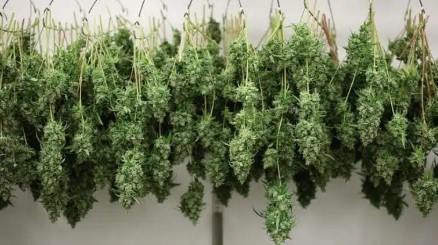
- Trichome Development: The most reliable method to determine when Gold Leaf is ready for harvest is by examining the trichomes (the small resin glands on the buds). When most trichomes are milky white with some amber-colored ones, it’s time to harvest. Trichomes that are clear show that the plant is not yet mature.
- Curing: After harvesting, Gold Leaf buds should be properly dried and cured to preserve cannabinoids and terpenes. This process typically involves hanging the branches upside down in a cool, dark space with good airflow for about 7-14 days. After drying, the buds should be placed in airtight jars and opened periodically to let the moisture out to stop the growth of mold. The finished product’s flavor, aroma, and potency are all improved by proper curing.
6. Recreational Uses of Gold Leaf
Gold Leaf is a popular choice for recreational users due to its versatile effects. Because it is a hybrid, it combines both the energizing and uplifting effects typical of sativa strains with the deeply relaxing and body-centered effects commonly associated with indica strains.
- Mental and Physical Balance: Gold Leaf is known for providing a balanced high that doesn’t overly sedate users but also doesn’t leave them feeling overly stimulated. This makes it a good option for individuals who want to enjoy the benefits of cannabis without feeling overwhelmed or tired.
- Euphoria and Upliftment: The sativa genetics in Gold Leaf offer uplifting and euphoric effects, which can boost mood and foster creativity. It is often used by those looking for an uplifting high that can enhance social activities or creative endeavors.
- Relaxation and Stress Relief: The indica genetics contribute to physical relaxation, easing tension in the body. This makes Gold Leaf a great strain for users looking to unwind after a long day or alleviate stress without experiencing heavy sedation.
- Social Use: Many users report feeling talkative, social, and more relaxed with Gold Leaf, making it a great strain for social gatherings or group activities.
- Duration: The effects of Gold Leaf typically last between 2 to 3 hours, depending on the user’s mode of consumption and tolerance level.
7. Medicinal Uses of Gold Leaf
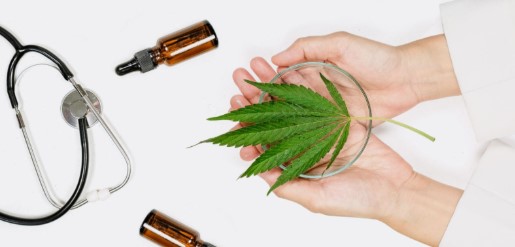
While Gold Leaf is primarily known as a recreational strain, its balanced effects make it a suitable option for medicinal users as well. Below are some of the most common medical uses of Gold Leaf:
- Pain Management: Gold Leaf’s relaxing properties make it effective for alleviating chronic pain, including conditions like arthritis, muscle spasms, and back pain. Its calming body high can ease tension in muscles and joints, providing relief without causing excessive drowsiness.
- Stress and Anxiety Relief: The euphoric and uplifting effects of Gold Leaf help reduce feelings of stress and anxiety, making it a valuable tool for individuals who struggle with mental health issues. The balanced effects allow users to feel calm and grounded, without experiencing the intense highs or lows that can come with other strains.
- Insomnia: While not a heavy sedative, Gold Leaf can still help promote better sleep for users dealing with insomnia. The calming, relaxing nature of the strain helps individuals wind down and prepare for a good night’s rest, especially if consumed closer to bedtime.
- Appetite Stimulation: Like many cannabis strains, Gold Leaf has been known to increase appetite. This makes it useful for those dealing with appetite loss due to medical treatments like chemotherapy or conditions like anorexia.
- Mood Disorders: Gold Leaf can be an excellent strain for those struggling with mood disorders, including depression. Its mood-lifting effects can help stabilize emotions and foster a sense of well-being, especially when combined with its ability to reduce anxiety.
8. Scientific Insights: Terpenes and Cannabinoids
The effects of Gold Leaf, like all cannabis strains, are largely determined by its terpene and cannabinoid profile. Here’s a breakdown of the key compounds in Gold Leaf:
- THC (Tetrahydrocannabinol): As the main psychoactive cannabinoid in cannabis, THC is responsible for the euphoric and psychoactive effects that Gold Leaf offers. THC binds to CB1 receptors in the brain, triggering the release of dopamine, which contributes to feelings of pleasure, relaxation, and euphoria.
- CBD (Cannabidiol): Though Gold Leaf has a low CBD content, this non-psychoactive cannabinoid still plays a role in balancing the effects of THC. CBD may mitigate some of the more intense effects of THC, preventing feelings of anxiety or paranoia in sensitive users.
- Terpenes: Terpenes are aromatic compounds found in cannabis that contribute to the strain’s smell and taste while also influencing its effects. Gold Leaf contains a variety of terpenes, including:
- Myrcene: Known for its earthy and musky scent, myrcene has relaxing, sedative properties and contributes to Gold Leaf’s calming effects.
- Caryophyllene: This terpene adds a spicy, peppery aroma to Gold Leaf and is known for its anti-inflammatory properties, which can enhance the strain’s pain-relieving qualities.
- Limonene: With its citrus scent, limonene is thought to have mood-elevating properties and may help reduce stress and anxiety, contributing to the strain’s uplifting effects.
- Pinene: Known for its piney aroma, pinene has anti-inflammatory and broncho dilatory effects, which may help with respiratory issues and support overall well-being.
9. Conclusion
Gold Leaf is a well-rounded hybrid strain with a rich genetic background and a balanced effect profile. Whether for recreational enjoyment or medicinal relief, Gold Leaf is appreciated for its ability to provide both mental clarity and physical relaxation. With moderate THC content and a complex blend of terpenes, it appeals to a wide range of users, from those seeking stress relief and pain management to those looking for a socially uplifting high. Whether grown for personal use or shared among friends, Gold Leaf is a strain that consistently delivers a satisfying experience.
For a complete directory of cultivars, visit our Cannabis Strain Reviews.
