Table of Contents
God’s Treat is a hybrid cannabis strain that has garnered significant attention among medical and recreational users for its balanced effects and unique flavor profile. This strain is a cross between two legendary parent strains: God Bud and Dutch Treat. Its genetic lineage provides a harmonious blend of indica and sativa characteristics, making it a versatile option for various uses. Known for its moderate THC levels and therapeutic properties, God’s Treat is a well-rounded strain suitable for both novice and seasoned cannabis enthusiasts.
Appearance, Aroma, and Flavor
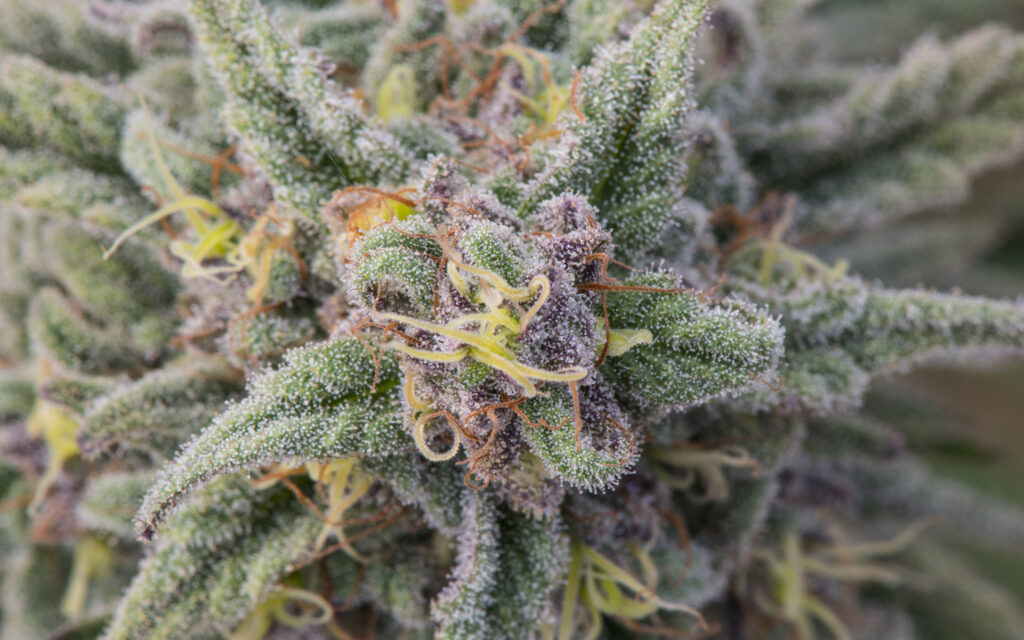
- Appearance: God’s Treat features medium-sized, dense buds that are dark green with shades of purple, a characteristic inherited from its God Bud lineage. The buds are coated with a thick layer of trichomes, giving them a frosty, crystalline appearance. Orange pistils weave through the buds, adding a vibrant contrast.
- Aroma: This strain boasts a unique aroma that combines the earthy, piney scent of Dutch Treat with the sweet, floral undertones of God Bud. When the buds are broken apart, hints of citrus and herbal spice become more pronounced.
- Flavor: The flavor profile mirrors its aroma, offering a sweet and earthy base with subtle notes of fruit and spice. Upon exhalation, users often detect a creamy, smooth finish with a hint of pine.
Genetic Composition and Cannabinoid Profile
God’s Treat is a 50/50 hybrid, perfectly balancing the indica and sativa effects. Its THC content typically ranges between 16-22%, depending on the cultivation method. The strain also contains trace amounts of CBD, usually around 0.5-1%, which contributes to its therapeutic effects.
Terpene Profile
The terpene composition of God’s Treat plays a significant role in its effects and flavor. Key terpenes include:
- Myrcene: Contributes to the strain’s relaxing and sedative effects while providing an earthy aroma.
- Pinene: Adds a refreshing pine scent and promotes mental clarity and focus.
- Limonene: Imparts citrusy notes and elevates mood.
- Caryophyllene: Offers a spicy kick and potential anti-inflammatory benefits.
Medical Uses
God’s Treat has a variety of medical applications due to its balanced effects and therapeutic properties. Its combination of cannabinoids and terpenes makes it effective for addressing both physical and mental health conditions.

1. Chronic Pain Management
The strain’s moderate THC levels, combined with its myrcene and caryophyllene content, provide effective pain relief. It is commonly used to manage conditions such as:
- Arthritis
- Fibromyalgia
- Migraines
- Muscle spasms
2. Stress and Anxiety Relief
God’s Treat’s balanced hybrid nature helps alleviate stress and anxiety without causing excessive sedation or stimulation. The presence of limonene and pinene contributes to a calming yet uplifting effect, making it suitable for daytime use.
3. Depression
The uplifting effects of limonene and the mood-enhancing properties of the strain make it a popular choice for individuals suffering from depression. Users report a noticeable improvement in mood and motivation.
4. Sleep Disorders
For individuals struggling with insomnia, the relaxing indica effects of God’s Treat can promote restful sleep. Its myrcene content is particularly effective in inducing drowsiness and improving sleep quality.
5. Appetite Stimulation
Like many cannabis strains, God’s Treat can help stimulate appetite, making it beneficial for patients undergoing chemotherapy or dealing with eating disorders such as anorexia.
6. Inflammation
The anti-inflammatory properties of caryophyllene make God’s Treat an excellent choice for conditions like Crohn’s illness, inflammatory conditions, and irritable bowel syndrome (IBS).
Recreational Uses
God’s Treat is a versatile strain that offers a well-rounded experience for recreational users. It is appropriate for a range of social situations and activities due to its well-balanced effects.
1. Relaxation
The calming indica effects provide a perfect way to unwind after a long day. Whether it’s reading a book, watching a movie, or meditating, God’s Treat enhances the overall experience.
2. Creativity and Focus
Thanks to its sativa lineage, this strain can boost creativity and mental clarity. Artists, writers, and musicians often use it to overcome creative blocks.
3. Socializing
The balanced effects make God’s Treat ideal for social gatherings. It promotes a relaxed and friendly vibe without causing overwhelming sedation or hyperactivity.
4. Outdoor Activities
The uplifting and energizing properties make it a great companion for light outdoor activities like hiking, gardening, or taking a leisurely walk.
Potential Side Effects
While God’s Treat is generally well-tolerated, some users may experience side effects, especially when consumed in large quantities. These may include:
- Dry Mouth and Eyes: These effects, which are typical of most cannabis strains, might be lessened by staying hydrated and using eye drops.
- Dizziness: May occur in individuals with low tolerance.
- Paranoia or Anxiety: Rare but possible in those prone to anxiety or when consumed in excess.
Optimal Growing Conditions
- Environmental Factors:
- Temperature: God’s Treat thrives in temperatures ranging between 70-80°F (21-27°C) during the vegetative stage. During flowering, temperatures should slightly decrease, with nighttime temperatures dropping by about 10°F for optimal bud development.
- Humidity: During the vegetative stage, a relative humidity (RH) of 55-65% is ideal. In the flowering stage, reducing RH to 40-50% minimizes the risk of mold and mildew on the dense buds.
- Light: The strain performs well under high-intensity lighting, such as LED or HPS systems. During the vegetative stage, a light cycle of 18 hours on and 6 hours off promotes growth, while a 12/12 cycle triggers flowering.
- Soil vs. Hydroponics:
- Soil Cultivation: Growing God’s Treat in soil allows for the expression of its full terpene profile, enhancing its flavor and aroma. A well-aerated soil rich in organic matter and nutrients (e.g., nitrogen, phosphorus, potassium, and micronutrients) is essential.
- Hydroponic Systems: Hydroponics can accelerate growth and increase yield by delivering nutrients directly to the roots. However, precise pH control (5.5-6.5) and regular monitoring of nutrient levels (measured in parts per million, or ppm) are critical.
Genetic Considerations
God’s Treat is a hybrid derived from two robust parent strains: God Bud and Dutch Treat. This lineage contributes to its balanced Indica-Sativa characteristics, medium growth height, and relatively short flowering time. These traits should guide cultivation decisions:
- Growth Pattern: The strain has a compact structure with dense, resinous buds, making it ideal for indoor cultivation.
- Flowering Time: God’s Treat typically flowers in 7-8 weeks, allowing for multiple harvests per year if conditions are controlled.
Nutrient Management
- Macronutrients:
- Nitrogen (N): Essential during the vegetative stage for robust foliage development. Over-fertilization should be avoided as it may cause nutrient burn.
- Phosphorus (P) and Potassium (K): Crucial during the flowering stage to support bud formation and resin production. Phosphorus enhances root development, while potassium aids in overall plant health and stress resistance.
- Micronutrients:
- Calcium (Ca) and Magnesium (Mg): Required for cell wall development and chlorophyll synthesis, respectively.
- Iron (Fe), Zinc (Zn), and Manganese (Mn): These trace elements support enzymatic functions and metabolic processes.
- Feeding Schedule:
- A tailored feeding schedule should align with the plant’s growth stage. A typical schedule involves higher nitrogen during early growth and increased phosphorus and potassium during flowering.
Cultivation Techniques
- Topping and Training:
- Topping: Removing the main growth tip encourages lateral branching, increasing yield.
- Low-Stress Training (LST): Gently bending stems helps spread the canopy evenly, improving light penetration and air circulation.
- Pruning:
- Removing lower leaves and small branches (lollipopping) enhances airflow and redirects energy to the main colas.
- Screen of Green (ScrOG):
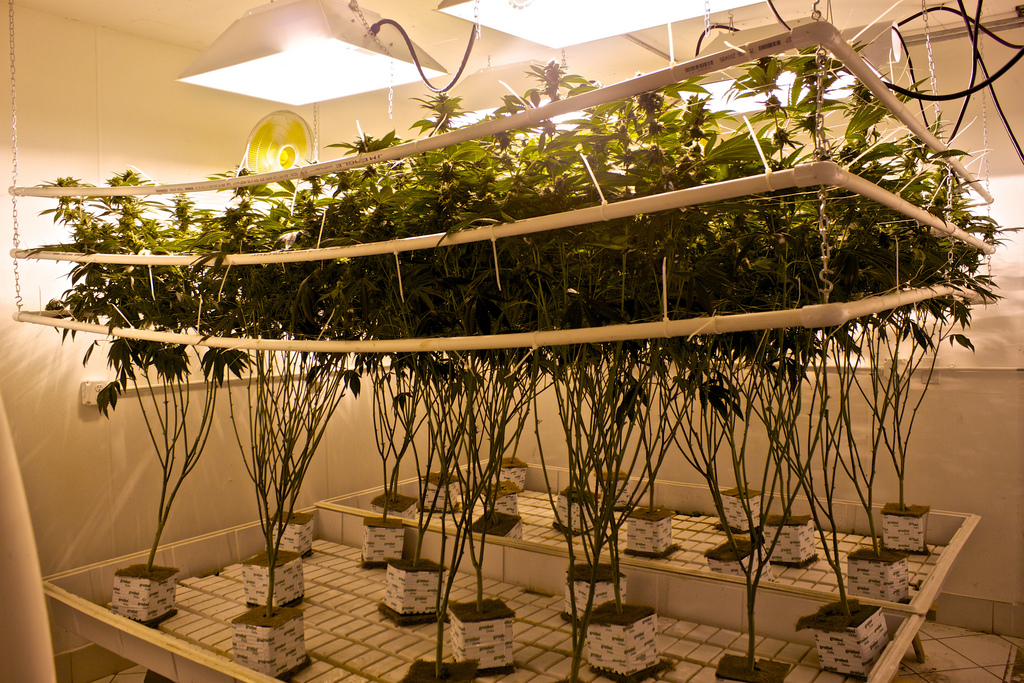
- This technique involves using a horizontal screen to train plants, maximizing light distribution and yield in indoor setups.
Pest and Disease Management
God’s Treat is relatively resilient but may still encounter common cannabis pests and diseases:
- Pests:
- Spider Mites: Prevented through regular inspection and maintaining humidity.
- Aphids and Fungus Gnats: Managed with biological controls (e.g., predatory insects like ladybugs) or organic insecticides.
- Diseases:
- Powdery Mildew: Prevented by reducing humidity and ensuring good airflow.
- Root Rot: Avoided by ensuring proper drainage and not overwatering.
- Integrated Pest Management (IPM):
- Combining cultural practices, biological controls, and selective chemical interventions minimizes pest impact while protecting plant health.
Environmental Controls
- Air Circulation:
- Oscillating fans and exhaust systems maintain airflow, reducing the risk of mold and mildew.
- CO₂ Enrichment:
- Supplementing carbon dioxide during the vegetative and early flowering stages can boost photosynthesis and yield.
- Light Spectrum:
- Full-spectrum LED lights enhance cannabinoid and terpene profiles. Blue light (400-500 nm) supports vegetative growth, while red light (600-700 nm) promotes flowering.
Post-Harvest Considerations
- Harvest Timing:
- Trichome color is the best indicator. Harvesting when trichomes are mostly milky with some amber ensures peak potency and flavor.
- Drying and Curing:
- Drying: Buds should be hung upside down in a dark, ventilated room at 60°F (15°C) and 60% RH for 7-10 days.
- Curing: Storing dried buds in airtight jars and “burping” them daily for the first 2 weeks ensures even moisture distribution and terpene preservation.
- Storage:
- Proper storage in a cool, dark place maintains the strain’s quality over time. UV light and excessive heat degrade cannabinoids and terpenes.
Scientific Advancements in Cultivation
- Tissue Culture Propagation:
- Micropropagation techniques allow for the cloning of disease-free, genetically identical plants.
- Genomic Breeding:
- Advanced genetic mapping can identify desirable traits, enhancing the strain’s potency, flavor, and resistance to environmental stressors.
- Automation and Monitoring:
- Smart systems using IoT (Internet of Things) devices and AI enable real-time monitoring of environmental factors and automated adjustments for optimal growth.
- Organic Practices:
- Incorporating living soil, compost teas, and organic amendments fosters a sustainable cultivation ecosystem.
Scientific Insights
Cannabis research has increasingly focused on the therapeutic potential of cannabinoids and terpenes. God’s Treat’s balanced cannabinoid profile and diverse terpene composition align with findings that suggest synergistic effects between these compounds, commonly referred to as the “entourage effect.”
1. THC and CBD Interaction
The moderate THC content provides psychoactive effects, while the trace amounts of CBD help mitigate potential side effects like anxiety or paranoia. Studies have shown that this combination enhances pain relief and relaxation.
2. Terpene Benefits
- Myrcene: Known for its sedative properties and potential to enhance cannabinoid absorption.
- Pinene: Exhibits anti-inflammatory and bronchodilatory properties.
- Limonene: Demonstrates anti-anxiety and anti-depressant effects.
- Caryophyllene: The only terpene known to directly interact with CB2 receptors, providing anti-inflammatory and analgesic benefits.
3. Neuroprotective Properties
Preliminary research suggests that strains like God’s Treat, which contain both THC and CBD, may offer neuroprotective benefits. These effects are being explored for conditions such as Alzheimer’s disease and multiple sclerosis.
User Reviews and Testimonials
Users of God’s Treat often highlight its ability to provide a balanced experience that caters to both recreational and medical needs. Commonly reported benefits include improved mood, pain relief, and a sense of relaxation without excessive sedation. Many users also appreciate its unique flavor and aroma.
Methods of Ingestion
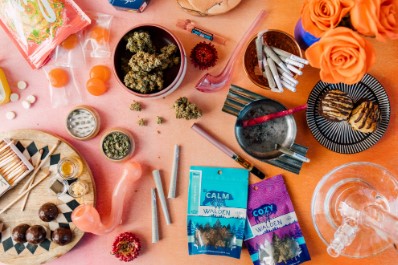
The onset, duration, and severity of effects are strongly influenced by the way of consumption. Here are the primary methods:
1. Smoking
- Description: Smoking involves burning the flower and inhaling the smoke.
- Onset: Typically within 1–5 minutes.
- Duration: Effects last 1.5–3 hours.
- Bioavailability: Around 10–30%.
- Smoking provides rapid absorption through the alveoli in the lungs, leading to an almost immediate effect.
- Advantages: Quick onset makes it easier to control dosing.
- Disadvantages: Associated with respiratory irritation due to combustion byproducts.
2. Vaping
- Description: Vaporizing heats the cannabis flower or concentrate to release cannabinoids and terpenes without combustion.
- Onset: 1–5 minutes.
- Duration: Effects last 1.5–3 hours.
- Bioavailability: Slightly higher than smoking (10–35%).
- Advantages: Reduced exposure to harmful byproducts compared to smoking, better flavor preservation, and more controlled temperature settings.
- Disadvantages: Requires specialized equipment, and some users report irritation from high-concentration vapors.
3. Edibles
- Description: Cannabis-infused foods or beverages.
- Onset: 30–120 minutes (varies depending on metabolism and stomach contents).
- Duration: 4–8 hours (sometimes longer for sensitive individuals or large doses).
- Bioavailability: Lower (4–20%) due to first-pass metabolism in the liver.
- Key Mechanism: THC is metabolized into 11-hydroxy-THC, a more potent and long-lasting metabolite.
- Advantages: Discreet, no odor, and long-lasting effects.
- Disadvantages: Delayed onset makes dosing tricky, and overconsumption can lead to intense and prolonged effects.
4. Sublingual (Tinctures, Sprays)
- Description: Administering cannabis oil or tincture under the tongue.
- Onset: 15–45 minutes.
- Duration: 2–6 hours.
- Bioavailability: Higher than edibles (up to 35%) because cannabinoids bypass the digestive system.
- Advantages: Faster onset compared to edibles, precise dosing.
- Disadvantages: Some users dislike the taste or mouthfeel of tinctures.
5. Topicals
- Description: Transdermal patches, balms, or creams containing cannabis that are used topically.
- Onset: 15–60 minutes for localized effects.
- Duration: 2–4 hours for standard topicals; transdermal patches can last up to 12 hours.
- Bioavailability: Minimal systemic absorption unless using transdermal patches, which allow cannabinoids to enter the bloodstream.
- Advantages: Effective for localized pain or inflammation without psychoactive effects (unless transdermal).
- Disadvantages: Limited to surface-level relief unless specifically designed for systemic effects.
6. Dabbing
- Description: Inhaling vaporized cannabis concentrates.
- Onset: Almost immediate (1–3 minutes).
- Duration: 1–3 hours.
- Bioavailability: High (30–50%) due to concentrated cannabinoid content.
- Advantages: Rapid onset and potent effects.
- Disadvantages: Requires specialized equipment (dab rigs), and high potency increases the risk of overconsumption.
Onset of Effects
The onset of effects varies depending on the method of ingestion and individual factors such as metabolism, tolerance, and body weight.
- Inhalation (Smoking/Vaping/Dabbing): The fastest method due to direct absorption into the bloodstream via the lungs. Effects are typically felt within minutes, making it ideal for acute symptom relief (e.g., sudden pain or anxiety).
- Oral (Edibles): Slow onset due to the digestive process and liver metabolism. This method is best for sustained relief but is unsuitable for situations requiring immediate effects.
- Sublingual: Faster than edibles but slower than inhalation. This method is often used for precise dosing, especially in medical contexts.
- Topical: Onset varies depending on the product type. Standard topicals offer localized relief without psychoactivity, while transdermal patches deliver systemic effects.
Duration of Effects
Duration also depends on the ingestion method and individual physiology:
- Smoking/Vaping/Dabbing: Short duration of 1.5–3 hours. Ideal for users who want to avoid prolonged psychoactive effects.
- Edibles: Long-lasting effects (4–8 hours) make them suitable for chronic symptom management or extended recreational use.
- Sublingual: Intermediate duration (2–6 hours), providing a balance between rapid onset and sustained relief.
- Topical: Duration varies widely. Standard creams and balms last 2–4 hours, while transdermal patches can provide effects for up to 12 hours.
Pharmacokinetics
The pharmacokinetics of God’s Treat are similar to other cannabis strains but can be influenced by its specific cannabinoid and terpene profile.
- Absorption:
- THC: Rapidly absorbed via inhalation; slower with oral or sublingual methods.
- CBD: Absorption rates are generally lower but are improved with fatty foods or carrier oils.
- Metabolism:
- THC is metabolized in the liver into 11-hydroxy-THC (more potent and long-lasting).
- CBD undergoes similar hepatic metabolism but does not produce psychoactive effects.
- Distribution:
- Cannabinoids are lipophilic, meaning they distribute readily into fatty tissues, including the brain and liver.
- Distribution impacts the duration of effects, as stored cannabinoids are released slowly.
- Elimination:
- Half-life varies by method of ingestion:
- Inhalation: 1.5–4 hours.
- Oral: 4–9 hours.
- Excretion occurs via urine and feces, with metabolites detectable for days or weeks, depending on usage frequency.
- Half-life varies by method of ingestion:
Safety and Side Effects
Long-term heavy use can lead to tolerance and dependence, highlighting the importance of moderation.
Dizziness, dry eyes, and dry mouth are typical adverse effects.
Higher doses or inexperienced users may experience anxiety or paranoia due to THC.
Conclusion
God’s Treat is a versatile cannabis strain that offers a perfect blend of indica and sativa effects. Its balanced nature makes it suitable for a wide range of medical and recreational uses, from managing chronic pain and anxiety to enhancing creativity and social experiences. With its unique flavor, moderate THC levels, and therapeutic properties, God’s Treat stands out as a well-rounded option for cannabis enthusiasts of all levels.
For a complete directory of cultivars, visit our Cannabis Strain Reviews.
