Table of Contents
God’s Green Crack is a hybrid cannabis strain that has gained significant popularity among recreational users and medical cannabis patients alike. Known for its unique blend of uplifting and relaxing effects, this strain is a well-balanced hybrid, typically boasting a near-equal split between its indica and sativa genetics. Originating from the cross between the energetic Green Crack and the soothing God Bud, God’s Green Crack offers the best of both worlds, delivering a versatile experience that caters to a broad spectrum of users.
Genetic Lineage and Composition
Parent Strains:
- Green Crack: Renowned for its energetic and invigorating properties, Green Crack is a sativa-dominant strain that enhances focus and creativity. Its lineage traces back to Skunk #1, with some phenotypes potentially influenced by Afghani landrace strains.
- God Bud: A potent indica-dominant strain, God Bud is celebrated for its deeply relaxing and sedative effects. This strain often contains genetics from Hawaiian landrace strains, Purple Skunk, and other indica varieties.
Cannabinoid Profile:
God’s Green Crack typically features THC levels ranging from 18% to 25%, making it a potent option for experienced users. CBD content is generally low, often less than 1%, but some phenotypes may exhibit slightly higher CBD levels, enhancing their therapeutic potential.
Terpene Profile:
- Myrcene: Dominant in this strain, myrcene contributes to its earthy, musky aroma and sedative properties.
- Pinene: Adds a fresh pine scent and offers potential anti-inflammatory and cognitive clarity benefits.
- Caryophyllene: Known for its spicy, peppery notes and potential anti-inflammatory properties.
- Limonene: Provides citrus undertones and contributes to the uplifting effects of the strain.
Appearance, Aroma, and Flavor
Appearance:
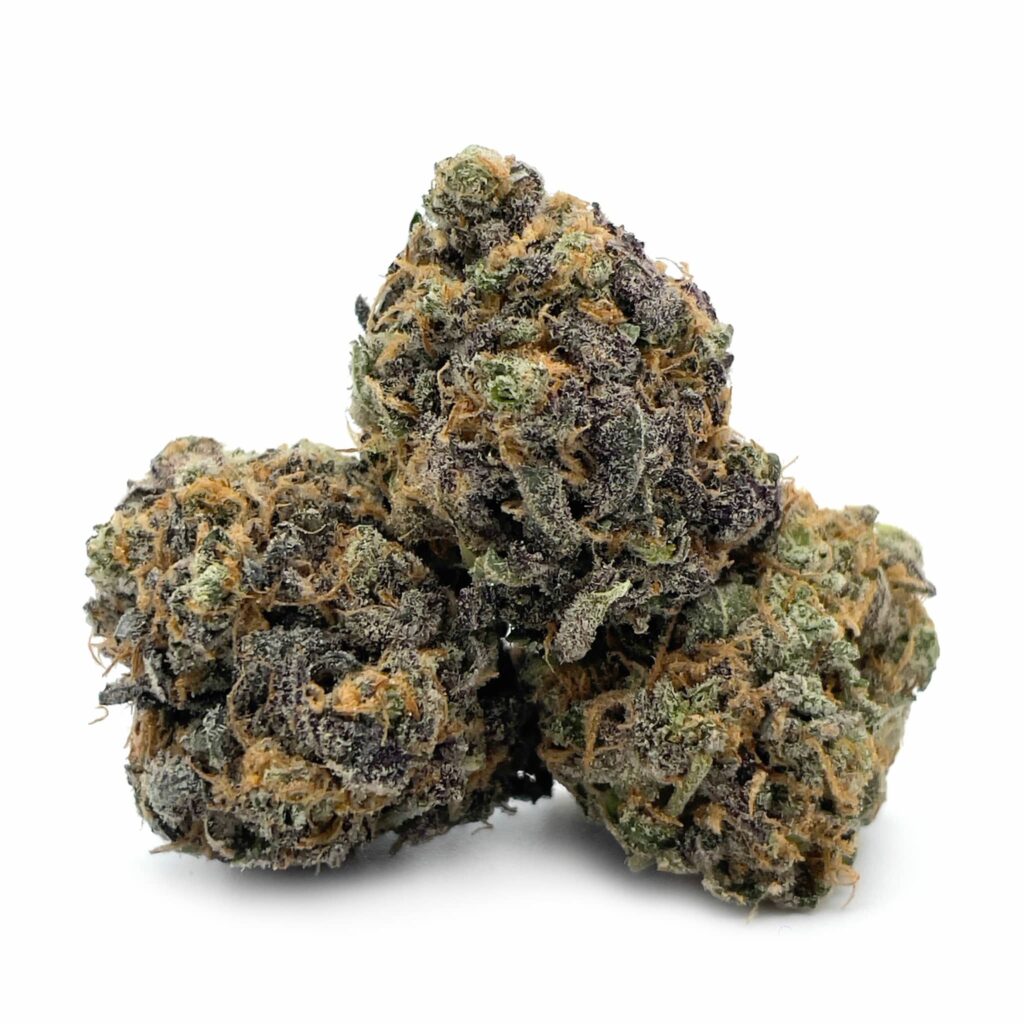
God’s Green Crack buds are visually striking, showcasing dense, medium-sized flowers with deep green hues complemented by vibrant purple undertones. The buds are often coated in a generous layer of trichomes, giving them a frosty and resinous appearance. Bright orange pistils weave through the flowers, adding a touch of visual contrast.
Aroma:
The aroma of God’s Green Crack is a delightful blend of earthy, herbal notes with sweet and citrusy undertones. Upon breaking the buds, users often detect hints of pine, skunk, and subtle floral elements.
Flavor:
The flavor profile mirrors its aroma, offering a complex combination of sweet, earthy, and citrus notes. On the inhale, users may notice a sweet and fruity taste, while the exhale often reveals earthy and spicy undertones.
Recreational Uses
God’s Green Crack is celebrated for its versatility, making it a favorite among recreational users seeking a balanced experience. Below are some of its most notable recreational applications:
- Enhanced Creativity and Focus:
- The sativa influence from Green Crack promotes a clear-headed and focused high, making it ideal for artistic endeavors, problem-solving, or brainstorming sessions.
- Social Engagement:
- Many users report feeling more talkative, sociable, and relaxed in group settings, making it a great choice for social gatherings or casual hangouts.
- Physical Relaxation:
- The indica genetics from God Bud provide a soothing body high, making it suitable for unwinding after a long day or enhancing leisurely activities.
- Balanced Energy:
- Unlike some strains that lean heavily toward either sedation or stimulation, God’s Green Crack offers a harmonious balance, allowing users to feel energized without being overly jittery.
Medical Applications
God’s Green Crack’s diverse effects make it a valuable strain for managing a wide range of medical conditions. Below are its primary medical uses:
- Pain Management:
- The combination of THC and caryophyllene offers potent analgesic effects, making it effective for chronic pain conditions such as arthritis, fibromyalgia, and migraines.
- Stress and Anxiety Relief:
- The calming effects of myrcene and the uplifting properties of limonene can help alleviate stress, anxiety, and symptoms of depression.
- Insomnia:
- While not as sedative as some indica strains, God’s Green Crack’s relaxing properties can help users transition into a restful sleep, especially when consumed in higher doses.
- Appetite Stimulation:
- The strain’s ability to enhance appetite makes it beneficial for patients dealing with appetite loss due to chemotherapy, eating disorders, or other medical conditions.
- Nausea and Digestive Issues:
- Its antiemetic properties may provide relief for nausea, making it a suitable choice for patients undergoing treatments like chemotherapy.
- Mood Disorders:
- The uplifting effects of God’s Green Crack can help combat symptoms of depression and mood swings, offering a sense of euphoria and well-being.
Scientific Insights and Mechanisms of Action
THC Interaction with the Endocannabinoid System:
The high THC content in God’s Green Crack interacts with the CB1 receptors in the brain, leading to the euphoric, mood-enhancing, and analgesic effects experienced by users. THC’s activation of these receptors is also responsible for the strain’s ability to alleviate pain and stimulate appetite.
Role of Terpenes:
- Myrcene: Enhances the sedative and muscle-relaxing effects, contributing to the strain’s ability to ease tension and promote relaxation.
- Caryophyllene: Uniquely interacts with CB2 receptors, potentially offering anti-inflammatory benefits and reducing chronic pain.
- Pinene: Counteracts some of the cognitive impairments associated with high-THC strains, helping to maintain focus and mental clarity.
- Limonene: Elevates mood and combats stress by influencing serotonin and dopamine levels in the brain.
Synergistic Effects (The Entourage Effect):
The combination of cannabinoids and terpenes in God’s Green Crack contributes to the “entourage effect,” where these compounds work synergistically to enhance the overall therapeutic and recreational benefits of the strain.
Consumption Methods
1. Smoking
Method:
Inhaling combusted cannabis flower using joints, pipes, or bongs.
Onset:
- 2-5 minutes: THC rapidly enters the bloodstream through the lungs, delivering nearly immediate effects.
Peak Effects:
- Occur within 15-30 minutes after inhalation.
Duration:
- Effects last for 1-3 hours, with residual effects potentially persisting for a few more hours depending on tolerance and dosage.
Pros:
- Rapid onset makes it ideal for users seeking quick relief from pain, stress, or nausea.
- Allows for easy titration of dose—users can pause as desired.
Cons:
- Combustion produces harmful byproducts (e.g., tar and carbon monoxide).
- Strong odor may be off-putting or inconvenient in certain environments.
Scientific Considerations:
- Combustion temperatures (often exceeding 900°F) can degrade some terpenes and cannabinoids, reducing the entourage effect compared to other methods.
2. Vaporization
Method:
Heating cannabis flower or concentrates (e.g., oils, waxes) to a temperature sufficient to release cannabinoids and terpenes as vapor, without combustion.
Onset:
- Similar to smoking: 2-5 minutes.
Peak Effects:
- Within 15-30 minutes.
Duration:
- Lasts 1-3 hours, with milder after-effects compared to smoking.
Pros:
- Healthier than smoking due to the absence of combustion byproducts.
- Retains a greater proportion of terpenes and cannabinoids due to lower temperatures (typically 315°F to 450°F).
Cons:
- Requires investment in a vaporizer device.
- Maintenance of equipment is necessary to ensure consistent performance.
Scientific Considerations:
- Precise temperature control allows for customized experiences:
- Low temps (315–350°F): Emphasize terpenes like limonene and myrcene for flavor and subtle effects.
- Higher temps (375–450°F): Vaporize more cannabinoids, producing stronger effects.
3. Edibles
Method:
Consuming cannabis-infused food, beverages, or capsules.
Onset:
- 30 minutes to 2 hours: Edibles must be digested and metabolized in the liver before THC enters the bloodstream.
Peak Effects:
- Typically reached after 2-4 hours.
Duration:
- Effects can last 6-8 hours or longer in some cases.
Pros:
- Long-lasting relief, making it suitable for chronic conditions such as pain or insomnia.
- Discreet and odorless consumption method.
Cons:
- Difficult to titrate dose due to delayed onset; overconsumption is a common concern.
- May cause stronger psychoactive effects due to liver metabolism converting THC into 11-hydroxy-THC, a more potent metabolite.
Scientific Considerations:
- Liver conversion significantly amplifies psychoactive effects, making edibles potentially overwhelming for novice users.
- Fat-rich meals can enhance absorption since cannabinoids are lipophilic (bind to fats).
4. Sublingual (Tinctures and Sprays)
Method:
Placing cannabis-infused tinctures or sprays under the tongue for absorption through oral mucosa.
Onset:
- 15-30 minutes: Direct absorption into the bloodstream bypasses digestion.
Peak Effects:
- 45 minutes to 1 hour.
Duration:
- Effects typically last 4-6 hours.
Pros:
- Faster onset than edibles.
- Allows for precise dosing, especially with measured droppers.
- Odorless and discreet.
Cons:
- Some users may find the taste of cannabis tinctures unpleasant.
- Unlike edibles, effects could not last as long.
Scientific Considerations:
- Absorption through mucous membranes avoids first-pass metabolism, preserving THC and other cannabinoids in their active forms.
- Alcohol-based tinctures enhance cannabinoid solubility, improving bioavailability.
5. Topicals
Method:
Applying cannabis-infused creams, balms, or transdermal patches directly to the skin.
Onset:
- 15-30 minutes: Localized absorption into skin layers.
Peak Effects:
- Can vary depending on the product and site of application.
Duration:
- Typically lasts 2-4 hours, but transdermal patches may provide extended relief (up to 12 hours).
Pros:
- Non-psychoactive when applied to the skin, making it ideal for localized pain, inflammation, or skin conditions.
- Transdermal patches can deliver cannabinoids into the bloodstream for systemic effects.
Cons:
- Limited efficacy for deep tissue or systemic conditions unless using transdermal formulations.
- May require frequent reapplication for sustained relief.
Scientific Considerations:
- Lipid-based formulations (e.g., creams and balms) improve cannabinoid penetration into the skin.
- Transdermal patches use enhancers like oleic acid to bypass the skin barrier and achieve systemic delivery.
6. Dabbing (Concentrates)
Method:
Inhaling vapor from high-potency cannabis concentrates like wax, shatter, or live resin using a dab rig.
Onset:
- Immediate: Effects are felt within 1-2 minutes due to high THC concentrations and direct lung absorption.
Peak Effects:
- 5-15 minutes post-consumption.
Duration:
- Effects last 2-4 hours.
Pros:
- Extremely potent, making it suitable for users with high tolerance or those needing immediate, intense relief.
- Concentrates retain a robust terpene profile, enhancing flavor and aroma.
Cons:
- Not recommended for novice users due to the high potency.
- Specialized equipment (dab rigs, torches, or e-nails) can be intimidating for beginners.
- Overconsumption risk is higher due to potency.
Scientific Considerations:
- Concentrates can exceed 70-90% THC, necessitating caution with dosage.
- Flash vaporization temperatures should ideally remain below 600°F to prevent terpene degradation and harsh vapor.
7. Capsules and Pills
Method:
Ingesting pre-measured cannabis oil capsules.
Onset:
- Similar to edibles: 30 minutes to 2 hours.
Peak Effects:
- 2-4 hours post-ingestion.
Duration:
- Effects last 6-8 hours.
Pros:
- Precise dosing eliminates guesswork.
- Odorless and discreet consumption method.
- Long-lasting effects make it suitable for chronic conditions.
Cons:
- Delayed onset may not suit users seeking immediate relief.
- Less customization of dose compared to tinctures or vaporizers.
Scientific Considerations:
- Formulations often include MCT oil or other lipids to improve cannabinoid absorption and bioavailability.
8. Suppositories
Method:
Rectal or vaginal insertion of cannabis-infused suppositories.
Onset:
- 15-30 minutes: Cannabinoids are absorbed through mucosal membranes.
Peak Effects:
- 30-60 minutes.
Duration:
- Typically lasts 4-8 hours.
Pros:
- Provides localized or systemic relief without psychoactive effects (depending on THC absorption into the bloodstream).
- Beneficial for patients unable to ingest or inhale cannabis due to medical conditions.
Cons:
- May be uncomfortable for some users.
- Limited availability compared to other products.
Comparison of Methods at a Glance:
| Method | Onset | Peak Effects | Duration | Best For |
|---|---|---|---|---|
| Smoking | 2-5 minutes | 15-30 minutes | 1-3 hours | Quick relief for stress, pain, or social settings. |
| Vaporizing | 2-5 minutes | 15-30 minutes | 1-3 hours | Healthier inhalation, flavor preservation, and rapid effects. |
| Edibles | 30 min – 2 hrs | 2-4 hours | 6-8 hours | Long-lasting relief, chronic pain, and sleep aid. |
| Sublingual | 15-30 minutes | 45 min – 1 hour | 4-6 hours | Precise dosing and rapid onset without smoking. |
| Topicals | 15-30 minutes | Variable | 2-4 hours | Localized pain relief, skin conditions, and inflammation. |
| Dabbing | Immediate | 5-15 minutes | 2-4 hours | High-potency relief for severe symptoms or experienced users. |
| Capsules | 30 min – 2 hrs | 2-4 hours | 6-8 hours | Discreet, measured, and long-lasting effects. |
| Suppositories | 15-30 minutes | 30-60 minutes | 4-8 hours | Localized or systemic relief, especially for gastrointestinal conditions. |
Growing Information
1. Climate and Environment
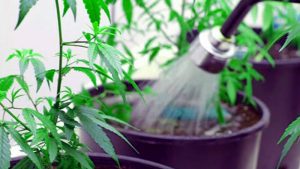
God’s Green Crack thrives in specific environmental conditions, influenced by its hybrid genetics.
- Temperature:
- Optimal range: 70-80°F (21-27°C) during the day and slightly cooler at night. Extreme heat or cold can stress the plant, reducing yield and potency.
- Use climate control systems (air conditioners, heaters, and humidifiers) in indoor grows to maintain stability.
- Humidity Levels:
- During vegetative stage: 50-70% relative humidity.
- During flowering stage: 40-50% relative humidity to prevent mold or bud rot.
- Deploy hygrometers and dehumidifiers to monitor and control moisture levels.
- Lighting:
- Indoor grows: Use full-spectrum LED or HID lights (400–700nm) to mimic natural sunlight.
- Recommended photoperiods:
- Vegetative stage: 18-24 hours of light.
- Flowering stage: 12 hours light / 12 hours dark to trigger flowering.
- Outdoor grows: Position plants in areas with at least 6-8 hours of direct sunlight daily.
2. Soil and Growing Medium
- Soil Characteristics:
- Use a well-aerated, nutrient-rich soil with pH levels of 6.0-7.0. Soil should retain moisture while offering adequate drainage.
- Enrich with organic matter such as compost, worm castings, or bat guano to boost microbial activity.
- Soilless Media:
- Options like coco coir, perlite, or hydroponics offer greater control over nutrient delivery. Ensure proper pH management, as coco coir tends to accumulate salts.
- Hydroponics:
- Growing God’s Green Crack hydroponically can accelerate growth and boost yields. Use a recirculating system (e.g., Deep Water Culture or NFT) to ensure consistent nutrient delivery.
- Monitor water pH (5.5-6.5) and EC (Electrical Conductivity) to prevent overfeeding or nutrient lockout.
3. Nutrient Management
God’s Green Crack requires a balanced macronutrient and micronutrient regimen to support vigorous growth and resin production.
- Vegetative Stage:
- High levels of nitrogen (N) for leaf and stem growth.
- Balanced phosphorus (P) and potassium (K) to support root development.
- Flowering Stage:
- Shift focus to phosphorus and potassium to support flower development and enhance terpene/cannabinoid synthesis.
- Reduce nitrogen to prevent leafy growth and focus energy on bud production.
- Micronutrients:
- Essential elements like calcium, magnesium, and sulfur are crucial for enzyme function and chlorophyll production.
- Chelated forms of iron, manganese, and zinc can address deficiencies in nutrient-poor substrates.
- Feeding Techniques:
- Use a schedule like “feed-water-feed” to prevent nutrient buildup.
- Regularly flush plants with pH-balanced water to eliminate salt buildup in soil or media.
4. Training Techniques
Training methods maximize light exposure, airflow, and canopy uniformity, critical for God’s Green Crack due to its hybrid growth tendencies.
- Low-Stress Training (LST):
- Tying down and bending branches to produce a uniform canopy. This enhances light penetration and prevents overshadowing by taller branches.
- Topping and Fimming:
- Pinching or cutting the top growth tip encourages lateral growth, producing multiple colas for higher yields.
- Screen of Green (ScrOG):
- Use a trellis or net to train branches horizontally, ensuring even light distribution and optimal space utilization in indoor setups.
- Defoliation:
- Remove excessive fan leaves to improve airflow and direct energy toward bud sites. Avoid over-defoliating as it can stress the plant.
5. Pest and Disease Management
God’s Green Crack, like all cannabis strains, is susceptible to pests and diseases if not properly monitored.
- Common Pests:
- Spider mites, aphids, whiteflies, and fungus gnats are frequent issues.
- Use integrated pest management (IPM) techniques such as introducing beneficial insects (e.g., ladybugs or predatory mites) and applying organic sprays (e.g., neem oil).
- Fungal Diseases:
- Powdery mildew and bud rot are common concerns in humid environments.
- Ensure proper air circulation with oscillating fans and maintain ideal humidity levels to mitigate risks.
- Root Issues:
- Root rot may result from excessive irrigation or inadequate drainage. Use aerated pots (e.g., fabric pots) and avoid waterlogging.
- Preventive Measures:
- Regularly inspect plants for early signs of infestations or disease.
- Apply microbial inoculants containing Trichoderma or Bacillus subtilis to boost plant immunity.
6. Flowering and Harvesting
- Flowering Stage Duration:
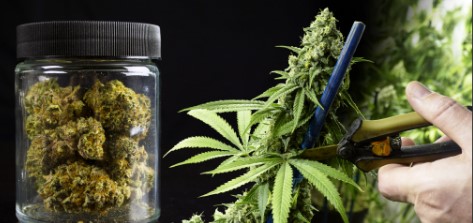
- God’s Green Crack typically flowers in 7-9 weeks indoors. Outdoor grows are ready for harvest by late September to early October, depending on local climate conditions.
- Signs of Maturity:
- Monitor trichomes with a jeweler’s loupe or microscope:
- Clear trichomes indicate immaturity.
- Milky trichomes suggest peak THC levels.
- Amber trichomes indicate more sedative effects due to THC degrading into CBN.
- Monitor trichomes with a jeweler’s loupe or microscope:
- Harvest Timing:
- For a balanced high, harvest when the majority of trichomes are milky with a few amber heads.
7. Post-Harvest Processing
Proper curing and drying are crucial for preserving cannabinoids, terpenes, and flavor.
- Drying:
- Hang trimmed branches upside down in a dark, cool environment with 50-60% humidity and temperatures around 65-75°F (18-24°C).
- Allow 7-10 days for drying until stems snap rather than bend.
- Curing:
- Dried buds should be kept in a cold, dark location in sealed jars.
- For the first week, open the jars every day to let out extra moisture (burping).
- Continue curing for 2-4 weeks to enhance flavor, potency, and smoothness.
Conclusion
God’s Green Crack is a versatile and well-balanced cannabis strain that appeals to both recreational users and medical patients. Its unique genetic lineage combines the best qualities of Green Crack and God Bud, resulting in a strain that offers uplifting mental stimulation alongside soothing physical relaxation. Whether used to enhance creativity, manage chronic pain, or simply unwind, God’s Green Crack delivers a multifaceted experience that has earned it a loyal following in the cannabis community.
From its robust terpene profile to its wide range of medical applications, God’s Green Crack exemplifies the therapeutic potential of cannabis when cultivated and consumed responsibly. As research on cannabis continues to evolve, strains like God’s Green Crack highlight the importance of understanding cannabinoid and terpene interactions to optimize both recreational and medical benefits.
For a complete directory of cultivars, visit our Cannabis Strain Reviews.
