Table of Contents
God’s Gift is a popular and well-regarded cannabis strain that has gained widespread acclaim for its potent effects, distinctive flavor profile, and medicinal benefits. A hybrid strain known for its ability to induce relaxation, alleviate pain, and promote an overall sense of euphoria, God’s Gift has carved out a notable presence in both recreational and medical cannabis markets. This strain is highly favored for its soothing properties and is often chosen by users looking for relief from a range of physical and psychological conditions.
1. Origins and Genetic Composition of God’s Gift
God’s Gift is an indica-dominant hybrid that is the result of crossbreeding two well-known strains: Granddaddy Purple (GDP) and OG Kush. Each of these parent strains brings its own unique qualities to the table, contributing to the well-rounded effects and traits of God’s Gift.
- Granddaddy Purple (GDP): Known for its rich purple hues, GDP is a famous indica strain that is celebrated for its calming and relaxing effects. It is often used by users seeking relief from insomnia and chronic pain, thanks to its sedative properties. Additionally, Granddaddy Purple offers a delightful berry and grape flavor, adding a sweet and fruity element to the taste profile of God’s Gift.
- OG Kush: A beloved strain in the cannabis world, OG Kush is a hybrid that has earned a reputation for its potency and versatility. It is known for its euphoric and mood-boosting effects, as well as its pungent and earthy aroma. OG Kush contributes to God’s Gift’s ability to offer both cerebral effects and physical relaxation.
2. Physical Characteristics of God’s Gift
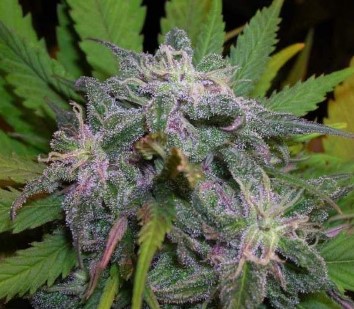
- Color: The buds of God’s Gift typically feature a blend of deep green hues with purple undertones, a feature inherited from its Granddaddy Purple parent. The purple shades become more pronounced when the plant is exposed to cooler temperatures during the flowering phase.
- Aroma and Flavor: God’s Gift has a sweet, earthy aroma with notes of citrus, pine, and a slight hint of berry. The flavor profile is similarly sweet and fruity, with hints of grape, making it a pleasant strain for both new and seasoned users. The taste is smooth, with the earthy undertones balanced by the sweetness inherited from Granddaddy Purple.
- Trichomes and Resin: The buds are covered in a heavy coating of trichomes, giving them a frosty appearance. This contributes to the strain’s potency, as trichomes are rich in cannabinoids such as THC, which are responsible for the effects that users experience. The resin produced by God’s Gift also makes it a desirable strain for concentrates and extracts.
3. THC and CBD Content
One of the key factors that set God’s Gift apart from other cannabis strains is its high THC content. On average, God’s Gift contains between 18% and 22% THC, though the percentage can vary slightly depending on cultivation methods and environmental conditions. This makes God’s Gift a potent strain, which is suitable for users who are looking for powerful effects.
In terms of CBD content, God’s Gift typically has low levels of CBD, usually around 1% or lower. This means that the strain’s effects are primarily driven by THC, with the euphoria and relaxation associated with higher THC levels taking center stage.
While God’s Gift may not be the best choice for those seeking CBD-rich strains for medical purposes, its THC potency can offer a wide range of therapeutic effects.
4. Effects of God’s Gift Cannabis Strain
God’s Gift is known for delivering a well-balanced high that encompasses both physical and mental effects. Its indica dominance makes it an excellent strain for relaxation and stress relief, but it also has some uplifting and euphoric effects that contribute to its popularity.
Recreational Effects
- Mental Relaxation and Euphoria: When consumed, God’s Gift induces an uplifting and euphoric mental state, leaving users feeling happy, content, and sometimes giggly. The high tends to be calming without being overly sedative, making it perfect for unwinding after a long day.
- Physical Relaxation: The strain’s indica nature provides deep physical relaxation, which helps ease muscle tension and stress. Users often experience a soothing “body high,” making God’s Gift a great option for those who enjoy winding down with a mellow, laid-back buzz.
- Creativity and Focus: While God’s Gift is typically associated with relaxation, some users report a burst of creativity and mental clarity that can enhance artistic endeavors or focus on tasks that require a gentle yet present state of mind.
- Sedation (In Higher Doses): In higher doses, God’s Gift can induce deep sedation and couch-lock, making it ideal for evening use or before bedtime. This quality is especially beneficial for those who struggle with sleep-related issues, including insomnia.
Medical Effects
God’s Gift has a wide range of therapeutic benefits that make it a popular choice among medical cannabis users. Due to its potent THC content and its combination of both sedative and mood-enhancing effects, it is commonly used to manage a variety of medical conditions.

- Pain Relief: One of the most sought-after uses of God’s Gift is for its ability to alleviate chronic pain. Its strong physical relaxation properties make it effective for treating conditions such as arthritis, muscle spasms, back pain, and general body aches. The strain’s sedative effects further enhance its ability to provide pain relief, helping users feel more comfortable in both the short and long term.
- Stress and Anxiety Reduction: God’s Gift is often used by those suffering from stress and anxiety, as it induces a calming, euphoric mental state. The relaxing effects of the strain can help soothe nervous energy and calm racing thoughts, providing relief for individuals with anxiety disorders or those experiencing periods of high stress.
- Sleep Aid: As an indica-dominant hybrid, God’s Gift is highly effective for promoting sleep. The strain’s sedative effects can help individuals suffering from insomnia or other sleep-related conditions, more readily go to sleep and remain asleep all night.
- Appetite Stimulation: Like many cannabis strains, God’s Gift has the potential to stimulate appetite, making it a helpful tool for individuals undergoing chemotherapy or those suffering from eating disorders. The combination of euphoria and relaxation can enhance the enjoyment of food while encouraging a healthy appetite.
- Mood Elevation and Depression Relief: The uplifting, euphoric effects of God’s Gift can help alleviate symptoms of depression. By improving mood and promoting a sense of happiness, the strain can provide temporary relief from the emotional weight of depression.
5. Cultivation and Harvesting of God’s Gift
When it comes to the cultivation of God’s Gift, several scientific factors play a crucial role in ensuring that the plant flourishes and produces high-quality buds. Let’s dive into the more scientific aspects of its growth, including optimal growing conditions, light cycles, nutrients, pest management, and overall growth stages.
Growth Stages and Flowering Cycle
Like all cannabis plants, God’s Gift undergoes a series of growth stages: germination, vegetative, flowering, and harvesting. Understanding these stages helps optimize the cultivation process, ensuring that the strain produces a high yield with quality buds.
Germination
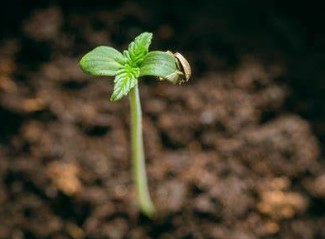
- Temperature: The germination process typically begins at a temperature range of 70°F to 80°F (21°C to 27°C). Keeping the seeds at this temperature range promotes rapid germination and early root development.
- Medium: Starting the seeds in a sterile medium like rockwool or a well-aerated seed starter soil helps ensure that there is sufficient oxygen around the roots. Seeds generally sprout within 3-7 days, depending on the environmental conditions.
Vegetative Stage
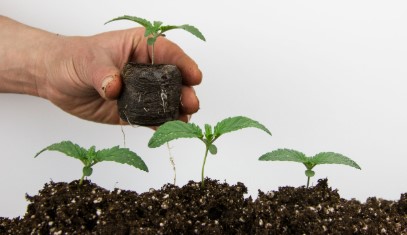
- Light Requirements: During the vegetative phase, God’s Gift needs around 18-24 hours of light per day if grown indoors. For outdoor growing, this phase will naturally last from spring to early summer, where the long days and abundant sunlight promote strong, healthy vegetative growth.
- Temperature: The optimal temperature range during the vegetative stage is 70°F to 80°F (21°C to 27°C). Cooler temperatures below 65°F (18°C) can stunt growth, while excessive heat can lead to nutrient deficiencies and stress.
- Nutrients: During the vegetative phase, God’s Gift needs a balanced mix of nitrogen, phosphorus, and potassium (NPK). Nitrogen is essential for promoting lush, green vegetative growth, while the plant also needs moderate levels of phosphorus to develop robust roots and potassium for overall plant health.Fertilizers with a higher nitrogen concentration, typically around 3-1-2 NPK, are often used during this phase to promote rapid, vigorous growth.
Flowering Stage
- Light Cycle: When transitioning to the flowering stage, God’s Gift requires a 12/12 light cycle the plant is signaled to begin flowering by 12 hours of light and 12 hours of darkness. This is crucial for inducing the plant’s natural reproductive process, where the buds begin to form.
- Temperature: During flowering, the optimal temperature range is between 65°F to 80°F (18°C to 27°C). The plant is more sensitive to extreme temperatures at this stage, and excessive heat can result in stressed plants with reduced yields or lower potency.
- Nutrients: During flowering, the plant’s need for nitrogen decreases, and it requires more phosphorus and potassium to support the production of flowers. A balanced bloom nutrient formula with an NPK ratio like 1-3-2 or 2-4-4 is typically used.Additionally, plants in the flowering stage require micronutrients like calcium, magnesium, and sulfur to ensure proper bud development and resin production.
Harvesting Stage
- Trichome Color: The key indicator for harvesting God’s Gift is the color of the trichomes. Most growers use a magnifying glass or jeweler’s loupe to observe trichomes on the buds. When trichomes are mostly milky white with some amber, it indicates the plant is at peak potency for harvest. Harvesting too early can result in a less potent strain, while waiting too long can lead to overripe buds with diminished effects.
- Timing: The flowering phase for God’s Gift typically lasts between 8 and 9 weeks. It’s important to time the harvest carefully to avoid losing the plant’s maximum cannabinoid potential.
Ideal Growing Conditions for God’s Gift
Light Spectrum and Photoperiod
For God’s Gift, light plays a vital role in the plant’s overall growth. This strain thrives in an environment where it receives both blue and red light in appropriate ratios:
- Blue Light: During the vegetative phase, blue light (around 450-470 nm wavelength) is most beneficial, as it promotes compact, bushy growth and strong root systems.
- Red Light: In the flowering phase, red light (around 620-660 nm wavelength) becomes more important. Red light stimulates flower production, leading to larger buds.
If growing indoors, using specialized full-spectrum LED lights or high-pressure sodium (HPS) lights can help replicate natural sunlight and optimize the plant’s growth and flowering processes. The photoperiod, which is the duration of light exposure, must also be carefully controlled to mimic nature. For God’s Gift, 18 hours of light during vegetative growth, followed by 12 hours of light and 12 hours of darkness during flowering, ensures maximum yields.
Humidity and Airflow
- Humidity: During the vegetative stage, God’s Gift prefers higher humidity levels around 60% to 70%. This helps keep the plant hydrated and encourages strong growth. However, during flowering, humidity should be reduced to 40-50% to prevent mold or mildew formation on the buds, as these conditions can negatively impact the yield and quality of the harvest.
- Air Circulation: Proper airflow is essential for preventing moisture buildup and promoting healthy growth. Fans or air circulation systems should be used to keep the air moving, ensuring that the plants receive enough fresh air while preventing conditions that could lead to mold or pests.
Soil vs. Hydroponics
- Soil: God’s Gift can thrive in soil, which is the most common medium for growers. Soil offers natural nutrients and buffers against pH swings, making it easier for novice growers to manage. Organic soil is particularly beneficial as it provides beneficial microbes that help the plant absorb nutrients.
- Hydroponics: Growing God’s Gift hydroponically allows for faster growth, as nutrients are delivered directly to the plant roots. However, it requires more careful monitoring of nutrient levels, pH, and water quality. Hydroponic growing systems such as Deep Water Culture (DWC) or Nutrient Film Technique (NFT) can boost yields but require more technical expertise.
Common Challenges in Cultivation
Despite being relatively easy to grow, God’s Gift does face some challenges that cultivators need to be aware of. Addressing these issues early can prevent crop failure and ensure healthy, productive plants.
Pests and Disease Management
- Common Pests: Cannabis plants, including God’s Gift, can be susceptible to pests like spider mites, aphids, whiteflies, and thrips. These pests can damage the plant and reduce yield. Using integrated pest management (IPM) techniques, such as introducing natural predators (ladybugs, predatory mites), can help control pests without relying on harsh chemicals.
- Mold and Mildew: Humidity levels above 50% during flowering can encourage the growth of mold and mildew, which can ruin buds. To prevent this, it’s essential to maintain proper airflow and humidity control. Fungal diseases like powdery mildew and bud rot can be minimized by keeping the environment clean and monitoring plant health.
Nutrient Deficiencies and Toxicities
- Nitrogen Deficiency: A lack of nitrogen during the vegetative stage can lead to yellowing leaves (chlorosis) and stunted growth. Ensuring proper fertilization with the right NPK ratios will prevent this issue.
- Phosphorus Deficiency: Inadequate phosphorus can result in poor flower development, with buds appearing smaller and less resinous. During the flowering stage, ensuring the plant receives enough phosphorus is crucial for maximizing yield.
- Nutrient Burn: Over-fertilizing God’s Gift can lead to nutrient burn, especially in the flowering stage when the plant is more sensitive to high nutrient levels. This can result in browning tips of the leaves and lower quality buds.
pH Levels
Cannabis plants require specific pH levels to efficiently absorb nutrients from the soil or water. For God’s Gift, the optimal pH range is:
- Soil: 6.0-7.0
- Hydroponics: 5.5-6.5
Regularly testing the pH and adjusting it with pH-up or pH-down solutions is essential to ensure the plants are absorbing nutrients correctly.
Harvesting and Curing
After the plant has matured and the trichomes have reached their peak, it’s time to harvest. Cutting down the plants and removing any extra leaves is known as harvesting. The buds are then dried and cured to preserve their potency and flavor. Drying should occur in a cool, dark, and well-ventilated space with low humidity (around 50%).
The curing process involves placing the dried buds in airtight containers and periodically opening the jars to release moisture. Curing for at least 2 weeks improves the flavor and aroma of the buds, while also enhancing the effects.
6. Conclusion
God’s Gift is a highly versatile strain that offers both recreational and medicinal benefits, making it a sought-after choice among cannabis users. Its combination of relaxing physical effects and uplifting mental euphoria makes it ideal for stress relief, pain management, and promoting sleep. The strain’s soothing properties are complemented by its sweet, berry-like flavor, making it a pleasure to consume.
For medical users, God’s Gift is particularly beneficial for those dealing with chronic pain, anxiety, insomnia, and appetite loss. Its THC-rich content ensures that it provides powerful relief, making it one of the most popular indica-dominant hybrids in both medical and recreational cannabis markets.
Whether you’re looking for a relaxing end to your day or seeking relief from chronic conditions, God’s Gift offers a robust profile that can address a variety of needs.
For a complete directory of cultivars, visit our Cannabis Strain Reviews.
