Table of Contents
The Godberry cannabis strain is a hybrid that combines the powerful genetics of its parent strains to deliver a uniquely balanced high and a variety of benefits for both recreational and medical users. This strain has garnered attention due to its high THC content, robust terpene profile, and diverse therapeutic effects. Below is a detailed breakdown of the Godberry cannabis strain, including its origins, physical characteristics, recreational and medical uses, and scientific information.
1. Origins and Genetics of the Godberry Cannabis Strain
Godberry is a hybrid strain, meaning it has a blend of both indica and sativa genetics. The strain was created by crossing the well-known God Bud with Blueberry, two strains renowned for their potency, flavors, and effects.
- God Bud is an indica-dominant hybrid that originates from a cross between Hawaiian and Purple Skunk. This parent contributes the deep relaxing effects, soothing body high, and earthy aroma typical of indica-dominant strains.
- Blueberry, a classic strain, is renowned for its fruity flavor and relaxing effects. It was developed by DJ Short in the 1970s and is a cross between Indica Afghani and Thai Sativa. Blueberry is famous for its uplifting, mood-boosting properties and its distinct berry flavor.
The genetic fusion of these two strains results in a hybrid that offers a potent combination of both relaxing body effects and euphoric cerebral stimulation.
2. Appearance and Aroma
The Godberry strain inherits the physical traits of its parents in both appearance and aroma, with a few distinctive features.
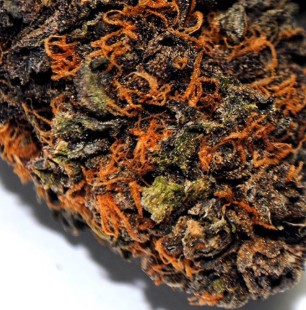
- Appearance: The buds of Godberry are typically dense and chunky, showcasing vibrant shades of green. The leaves are often coated with a thick layer of frosty trichomes, giving the buds a sticky and resinous appearance. Hues of purple, blue, and orange can also be visible, especially in well-cured plants, contributing to its aesthetic appeal.
- Aroma: The scent of Godberry is a complex blend of its parent strains. It has a prominent sweet, fruity aroma, dominated by blueberry and berry undertones. Earthy and piney notes, reminiscent of its God Bud heritage, also contribute to the fragrance, creating a well-rounded olfactory profile. When smoked or vaporized, Godberry often releases a smooth, berry-flavored smoke with a slightly spicy, herbal aftertaste.
3. Cannabinoid and Terpene Profile
- Cannabinoid Content: Godberry has a THC content that generally ranges between 18% to 22%, making it a potent strain for both recreational and medical users. The CBD content tends to be quite low, typically around 0.1% to 0.3%, making it more suitable for individuals seeking the effects of THC rather than CBD.
- Terpene Profile: Terpenes are essential oils found in cannabis plants that contribute to the aroma, flavor, and therapeutic effects. The primary terpenes found in Godberry include:
- Myrcene: A musky, earthy scent with herbal undertones. Myrcene is known for its relaxing effects, promoting a sedative body high, and contributing to the calming effects of Godberry.
- Limonene: A citrus-scented terpene that has mood-enhancing and stress-relieving properties. Limonene is responsible for the uplifting effects of the strain.
- Pinene: This terpene has a piney, fresh aroma and is known for its potential anti-inflammatory and bronchodilator effects, which could enhance respiratory function and aid in physical relaxation.
- Caryophyllene: A spicy, peppery terpene that has anti-inflammatory effects. Caryophyllene can also interact with the body’s CB2 receptors, which may contribute to Godberry’s potential analgesic (pain-relieving) effects.
4. Recreational Effects and Uses
Godberry’s balanced hybrid genetics offer a unique experience that is enjoyable for recreational users, whether they are looking to relax or be energized. Here’s a breakdown of its recreational effects:
- Initial Effects: The onset of Godberry is often described as euphoric and uplifting, as the sativa genetics provide a burst of mental clarity and cerebral stimulation. Users typically experience an immediate sense of happiness and creativity. This makes Godberry an excellent strain for social situations or activities that require mental engagement.
- Body High: After the initial euphoria, Godberry’s indica properties start to take effect, bringing a relaxing, soothing body high. The strain’s effects are not overwhelming, but they gradually melt away physical tension, making it a great choice for unwinding after a long day. The body high is not sedative enough to cause couch-lock, but it’s calming enough to alleviate minor aches and discomfort.
- Duration: The high from Godberry typically lasts between 2 to 3 hours, with the effects gradually tapering off as the body adjusts. This makes it a good strain for a few hours of relaxation without leaving users feeling overly sluggish or burnt out afterward.
Ideal for:
- Social gatherings and creative activities
- Enjoying nature or light outdoor activities
- Music and art sessions
- Relaxing without intense sedation
5. Medical Benefits and Therapeutic Uses
Godberry’s balanced effects, including both uplifting cerebral stimulation and relaxing body effects, make it a versatile strain for medical users. Below are the specific medical uses for Godberry:
- Stress and Anxiety: The euphoric and mood-enhancing effects of Godberry help relieve anxiety and elevate mood, making it an excellent strain for managing stress and general anxiety. The uplifting high from the sativa genes helps users feel more optimistic and relaxed without inducing paranoia.
- Chronic Pain Relief: The indica-dominant genetics of Godberry help manage chronic pain, especially mild to moderate pain. The body high provides muscle relaxation, which can be helpful for individuals dealing with conditions like fibromyalgia, arthritis, or general muscular tension. The anti-inflammatory properties of Godberry, driven by terpenes like myrcene and caryophyllene, also contribute to pain relief.
- Depression: The mood-boosting properties of Godberry make it useful for combating symptoms of depression. Its uplifting effects provide temporary relief from feelings of sadness and hopelessness, promoting a more positive outlook.
- Sleep Aid: Although Godberry’s effects are not as sedative as other indica strains, its relaxing body effects can help individuals suffering from insomnia or difficulty falling asleep. The strain can help unwind both mentally and physically, promoting restful sleep without the risk of intense sedation or grogginess the following day.
- Appetite Stimulation: Like many cannabis strains, Godberry may also stimulate appetite, which can be useful for people with eating issues or those receiving chemotherapy. The strain’s ability to elevate mood can help improve the experience of eating, while its physical relaxation effects may make eating more enjoyable.
- Nausea Relief: Godberry’s potential anti-nausea effects, combined with its ability to stimulate appetite, make it beneficial for those suffering from nausea due to illness, chemotherapy, or other medical treatments.
6. Side Effects
While Godberry is known for its moderate potency, it is essential to be aware of the potential side effects of consuming this strain:
- Dry Mouth and Eyes: Like many cannabis strains, Godberry can cause cottonmouth (dry mouth) and dry eyes. It is advisable to stay hydrated before and after consumption.
- Dizziness or Paranoia: In higher doses, the cerebral effects of Godberry may lead to dizziness, lightheadedness, or, in rare cases, paranoia. Starting with a small dose is recommended for new users or those with low tolerance to gauge how their body reacts.
- Increased Heart Rate: Some individuals may experience an increased heart rate, especially in sensitive individuals or those consuming large quantities. If you experience an unusually fast heart rate or palpitations, it’s important to stop using the strain and seek medical attention if needed.
7. Cultivation and Growing Godberry
The cultivation of Godberry cannabis requires careful attention to environmental conditions, plant care, and an understanding of the plant’s genetics to achieve optimal growth and yield. Below is a more in-depth look at the scientific methods and considerations involved in growing Godberry.
Genotype and Phenotype of Godberry
Understanding the genetic makeup of Godberry, which is a hybrid of God Bud and Blueberry, is crucial for determining how the plant will react to environmental stressors and how to manipulate growing conditions for optimal yields.
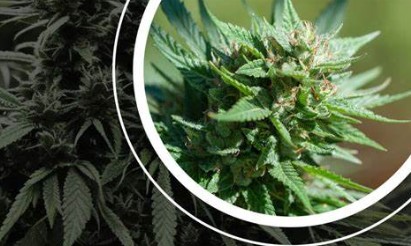
- Genotype: As a hybrid, Godberry will display traits from both its parent strains—primarily indica-dominant with sativa influences. The plant’s growth pattern tends to favor an indica structure (bushy, compact) but can have traits that allow for better branching and lateral growth due to its sativa parent.
- Phenotype: The phenotype is influenced by environmental factors like light, temperature, humidity, and nutrients. Variations in the phenotype can result in plants that may show different levels of trichome production, resin density, or bud structure, depending on the growing conditions. Generally, Godberry will show vibrant colors, such as purples and greens, depending on the temperature and light intensity.
Growth Environment and Light Requirements
Cannabis plants, including Godberry, are highly responsive to the type and intensity of light they receive. The quality of light directly affects photosynthesis and overall plant health.
- Indoor Cultivation:
- Light Cycles: When grown indoors, Godberry plants typically follow a 12/12 light cycle to trigger flowering. This entails supplying 12 hours of darkness and 12 hours of light every day.
- Lighting Spectrum: During the vegetative phase, blue spectrum lights (such as metal halide or LED lights) are recommended, as they promote healthy leaf and stem growth. In the flowering stage, the plant benefits from a red spectrum (such as high-pressure sodium or specific LED lights) that supports bud development and overall yield.
- Light Intensity: Godberry requires moderate to high light intensity to thrive, with LED or HID lights positioned 18 to 24 inches from the canopy. Proper light intensity will stimulate robust growth and high-quality buds, while insufficient light can cause spindly, underdeveloped plants.
- Outdoor Cultivation:
- Climate: Godberry prefers a temperate climate, ideally with warm days and cooler nights. It thrives in regions where temperatures range from 70 to 85°F (21 to 29°C). For optimal growth, the plant needs a consistent light cycle, throughout the growing season, receive 12 hours of direct sunlight each day.
- Seasonality: Outdoors, Godberry is typically planted in the spring and harvested in late September to early October, depending on local climate conditions. Outdoor cultivation relies on natural light cycles, so the grower must ensure the environment does not experience early frosts that could damage the plants.
Soil and Nutrient Management
Godberry cannabis thrives in well-drained, slightly acidic soil, but cultivators can choose from several methods for soil management, such as hydroponics, soil-based growing, or coco coir. Each method impacts the uptake of nutrients and water differently.
- Soil Requirements:
- pH Level: Godberry prefers a slightly acidic soil environment with a pH range between 6.0 and 6.5. This pH range optimizes nutrient absorption, allowing the plant to uptake essential elements like nitrogen, phosphorus, potassium, and trace minerals efficiently.
- Soil Composition: The best soil for Godberry should be rich in organic matter, with good drainage capabilities to prevent root rot. A mix of loamy soil with perlite or vermiculite is ideal to promote oxygenation to the roots.
- Nutrient Requirements:
- During the vegetative phase, Godberry requires higher levels of nitrogen to promote leaf and stem growth. Nitrogen is essential for chlorophyll production and healthy photosynthesis.
- During the flowering phase, the plant needs more phosphorus and potassium to support bud development. Phosphorus encourages strong root growth and flower formation, while potassium strengthens the plant’s cellular structure and resilience.
- Micronutrients such as magnesium, calcium, and sulfur are also important for overall plant health, aiding in chlorophyll production and enzyme functions.
Watering and Irrigation
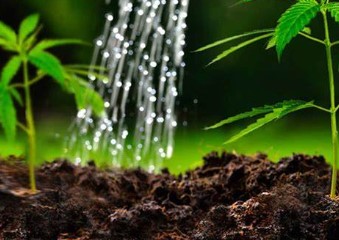
Watering is one of the most critical aspects of growing Godberry cannabis, as over-watering or plant stress and growth retardation might result from underwatering.
- Watering Needs:
- The plant requires regular but moderate watering. Over-watering can lead to root rot and fungal diseases, while under-watering can cause dehydration and nutrient lockout.
- Water the plants when the top 1 to 2 inches of soil are dry to the touch, avoiding the saturation of the root zone.
- Drainage is key—ensure that containers or soil beds are well-draining to prevent water from pooling around the roots.
- Hydroponics: If grown hydroponically, Godberry thrives in a well-oxygenated nutrient solution with a pH range between 5.8 and 6.3. The water’s EC (electrical conductivity) should be monitored to ensure the plant receives the correct nutrient concentration.
Temperature and Humidity Control
Godberry cannabis, like all cannabis strains, is sensitive to extreme temperatures and humidity levels. Maintaining ideal conditions is crucial for maximizing growth and yield.
- Temperature:
- Daytime temperatures should be kept between 70 to 85°F (21 to 29°C) for optimal growth. At night, temperatures can drop slightly to between 60 to 70°F (15 to 21°C) to mimic natural diurnal patterns.
- High temperatures can stress the plant, causing leaf burn and decreased resin production. Conversely, cold temperatures below 50°F (10°C) can slow growth and cause the plant to enter premature dormancy.
- Humidity:
- During the vegetative stage, Godberry prefers higher humidity levels, around 50% to 70%, to support vigorous leaf and root development.
- During the flowering stage, humidity should be reduced to 40% to 50% to prevent mold and preventing mildew from growing on the buds.
- Humidity control is particularly important when growing indoors, where environmental factors are more easily managed. Managing moisture levels can be aided by the use of a humidifier or dehumidifier.
Pruning, Training, and Harvesting
Pruning and training are essential techniques for cultivating healthy Godberry plants and ensuring high yields.
- Pruning:
- Regular pruning helps improve airflow and light penetration to the lower branches, allowing the plant to direct energy to its more productive upper areas.
- Pruning away dead or damaged leaves, as well as any excess lower branches that won’t produce significant buds, will allow the plant to focus its energy on healthy growth.
- Training:
- Low-Stress Training (LST) involves gently bending the plant’s stems to encourage horizontal growth, which helps to expose more of the plant to light and increases overall bud production.
- Screen of Green (SCROG) or Sea of Green (SOG) techniques are also commonly used to maximize yields by controlling plant height and improving light distribution.
- Harvesting:
- Godberry flowers in 8 to 9 weeks when grown indoors. The best time to harvest is when the trichomes are milky white with amber-colored tips, indicating peak THC potency.
- For outdoor growers, harvest should be done in late September to early October, depending on the local climate and environmental conditions.
Pest and Disease Management
While Godberry is relatively resilient to pests and diseases, growers should be proactive in preventing infestations.
- Common Pests: Cannabis plants can fall victim to pests like aphids, spider mites, and whiteflies. Introducing helpful insects or employing natural pest control techniques like neem oil (like ladybugs) can help manage these threats.
- Fungal Infections: Godberry is susceptible to fungal diseases like powdery mildew and bud rot, especially in humid environments. Ensuring proper airflow, reducing humidity during flowering, and using fungicides (organic or synthetic) can help mitigate these issues.
8. Conclusion
The Godberry cannabis strain is a hybrid that brings together the best qualities of its parent strains, combining the fruity flavors of Blueberry with the calming effects of God Bud. With its well-rounded effects, it is suitable for both recreational and medical use. Whether you are looking for stress relief, pain management, or just an enjoyable high, Godberry has the potential to meet a wide range of needs. Its moderate THC levels and balanced effects make it a versatile choice for various experiences, whether you want to unwind after a busy day, engage in creative pursuits, or alleviate physical or mental discomfort.
For a complete directory of cultivars, visit our Cannabis Strain Reviews.
