Table of Contents
The God Bud cannabis strain is a hybrid that has earned a reputation for its potent effects and versatile therapeutic applications. Known for its high THC content and unique genetics, God Bud has become a staple in both medical and recreational cannabis markets. This strain offers a balanced blend of indica and sativa effects, making it ideal for a range of users. This comprehensive guide will explore the God Bud cannabis strain in detail, covering its background, effects, medical uses, and recreational uses, as well as the science behind its potency.
Origins and Genetics of God Bud
God Bud is a hybrid strain that combines indica and sativa genetics, making it a well-rounded option for users who desire a balanced experience. Its lineage is somewhat mysterious, with a few different versions of the strain being bred over the years. The most widely accepted origin of God Bud can be traced to a cross between a Hawaiian sativa and a purplish strain from British Columbia, Canada.
God Bud is known for its consistency in potency and effects. While it is often considered an indica-dominant hybrid, its sativa parentage adds some uplifting and cerebral effects to the mix. The strain has been popularized for its dense buds and potent effects that provide both relaxation and mild euphoria.
Appearance and Aroma of God Bud
God Bud is visually striking, with its dense, compact buds covered in a thick layer of resin. These buds typically have a dark green color, accented by purple hues that develop when the plant reaches full maturity. The orange pistils add an extra pop of color, making the plant visually appealing to growers and consumers alike.
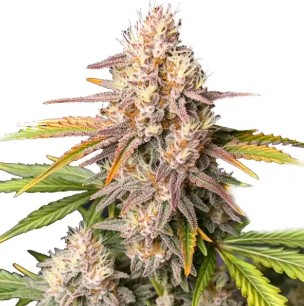
The aroma of God Bud is complex and pungent. It has a sweet, earthy scent with notes of tropical fruits, pine, and floral undertones. The strain’s fragrance is often described as having a slightly spicy or peppery edge. When smoked or vaporized, God Bud releases a smooth smoke that is rich in flavor, with hints of berry, pine, and a slight skunkiness that is typical of its indica genetics.
THC and CBD Content
One of the key reasons for the popularity of God Bud is its high THC content. On average, God Bud contains between 18% and 25% THC, although some phenotypes can reach even higher levels. This makes it a potent strain, especially for those who have a high tolerance to THC. The CBD content of God Bud is relatively low, usually around 0.1% to 0.5%, which means it is not the ideal choice for those seeking a high-CBD strain for medical use. However, its THC potency is what makes it particularly appealing to both recreational users and individuals looking for cures for a variety of illnesses.
Effects and Potency
Recreational Effects
God Bud’s effects are often described as a combination of both mental and physical sensations, making it a balanced hybrid. Upon smoking or vaporizing God Bud, users typically experience a rush of euphoria and creativity, especially during the onset of the high. This mental stimulation is often accompanied by a profound sense of relaxation, with many users feeling physically sedated after a short time.
As the high progresses, users may experience a shift toward more indica-like effects, including deep body relaxation and a sense of couch-lock. These relaxing effects can be ideal for users who are looking to unwind at the end of the day or those who want to kick back and watch a movie. Despite its relaxing nature, God Bud does not typically induce heavy sedation, making it suitable for evening use without necessarily leading to sleep.
In addition to the euphoric high, God Bud is also known for promoting heightened sensory experiences. Music, food, and movies can feel more vivid, making it a good choice for social gatherings or solo leisure activities. For creative individuals, God Bud can provide a spark of inspiration, allowing users to engage in artistic or introspective pursuits.
Medical Effects
God Bud’s high THC content and well-balanced effects make it an excellent choice for a variety of medical conditions. While it is primarily used for its relaxing properties, God Bud has therapeutic benefits that span across multiple ailments. Below are some of the most common medical uses for this strain:
1. Stress and Anxiety Relief: God Bud’s calming effects can help reduce feelings of stress and anxiety. The initial euphoric onset of the high can alleviate negative emotions, while the body high promotes relaxation and muscle tension relief. For individuals dealing with daily stress or generalized anxiety, God Bud can provide much-needed relief.
2. Pain Management: Due to its relaxing, analgesic effects, God Bud is often used to treat chronic pain conditions, including back pain, arthritis, and fibromyalgia. The strain’s ability to numb physical discomfort and induce deep relaxation makes it effective for pain relief, especially for those suffering from conditions that cause muscle tension and inflammation.
3. Insomnia: The sedative qualities of God Bud make it a popular choice for individuals dealing with insomnia or other sleep disorders. The strain’s calming effects can help users unwind and fall asleep more easily. While not as heavy-hitting as some other sedative strains, God Bud provides a gentle and efficient strategy to encourage sound sleep.
4. Appetite Stimulation: Like many cannabis strains, God Bud has been noted for stimulating appetite. The increase in appetite, often referred to as “the munchies,” can be beneficial for patients undergoing chemotherapy or those with conditions like anorexia or cachexia, where maintaining a healthy appetite is difficult.
5. Muscle Spasms and Tension: Because of its ability to relax the body and reduce tension, God Bud is frequently used to treat muscle spasms and cramps. The strain’s physical relaxation effects make it ideal for individuals who experience muscle tightness due to conditions like multiple sclerosis or post-workout soreness.
Growing God Bud
God Bud cannabis is a relatively easy-to-grow strain, but like all cannabis plants, it requires certain conditions to thrive and produce the best yields. Understanding the scientific principles behind the cultivation of God Bud can help growers maximize their harvest while maintaining the quality of the buds. Below is a detailed breakdown of the methods used to cultivate God Bud, including the factors that influence its growth and the techniques that enhance its potential.
1. Environmental Requirements
To cultivate God Bud successfully, it’s important to control various environmental factors, including temperature, humidity, and light. These elements play a crucial role in the plant’s overall health and bud development.
Temperature
- Ideal Range: The optimal temperature for growing God Bud falls between 70°F to 80°F (21°C to 27°C) during the day. At night, the temperature can drop slightly, but it should not go below 60°F (15°C).
- Temperature Control: Keeping the temperature within this range is crucial because too high a temperature can cause stress and affect the plant’s growth, while too low can slow its development. For example, excessive heat can lead to the evaporation of essential nutrients, causing nutrient imbalances. Conversely, cooler temperatures can stress the plant, causing slow growth and poor flower formation.
Humidity
- Ideal Humidity: During the vegetative stage, God Bud prefers a humidity level of around 60% to 70%. During flowering, humidity should be reduced to about 40% to 50% to prevent mold growth and mildew, which can affect the buds.
- Humidity Control: Maintaining the right humidity levels helps avoid excessive moisture around the buds, which can lead to mold and mildew, especially in dense buds. It is crucial during the flowering stage when the buds start to develop thick resin layers, trapping moisture inside. Excess moisture can cause rotting.
Light
- Light Cycle for Vegetative Stage: God Bud, like other cannabis strains, requires 18 hours of light and 6 hours of darkness to enter its vegetative growth phase. The plant needs this extended light period to build healthy stems, branches, and leaves.
- Light Cycle for Flowering Stage: Once the plant enters the flowering phase, it requires 12 hours of light and 12 hours of darkness. Light during the night period should be kept absolutely dark, as even small amounts of light can disrupt the flowering process.
- Light Intensity: High-intensity lighting is necessary for growing God Bud indoors. Options like LED grow lights and high-pressure sodium (HPS) lights are commonly used. These lights ensure that the plant receives adequate light for photosynthesis, which is essential for both the flowering and vegetative phases of growth.
2. Soil vs. Hydroponics
The cultivation method can greatly influence the growth and overall quality of God Bud. Growers have two primary options: soil and hydroponics.
Soil Cultivation
Growing God Bud in soil is the more traditional method, and it offers a range of benefits. Soil cultivation allows the plant to develop a natural root system, promoting robust growth. The microbial life in the soil also aids in nutrient cycling, which helps the plant absorb essential minerals.
- Soil Type: God Bud prefers well-draining, slightly acidic soil with a pH range of 6.0 to 6.5. This allows for optimal nutrient uptake and ensures that the roots can grow efficiently. Using a mix of coco coir, perlite, and organic matter like compost or worm castings is ideal to achieve the right soil balance.
- Nutrient Management: While growing in soil, God Bud does not require overly high amounts of nutrients. Organic soil amendments or slow-release fertilizers work well, as they provide steady nutrient availability without overwhelming the plant. Regular monitoring is necessary to avoid nutrient burn.
Hydroponics Cultivation
Hydroponics is a more advanced method of cultivation where plants are grown in a nutrient-rich water solution without soil. This method can significantly increase growth speed and yield because the plant’s roots have direct access to water and nutrients.
- Hydroponic Systems: Common hydroponic systems include Deep Water Culture (DWC), Nutrient Film Technique (NFT), and aeroponics. Each system delivers water and nutrients directly to the plant’s roots, promoting faster growth and more consistent yields.
- Nutrient Solution: In hydroponics, growers need to carefully manage the nutrient solution. For God Bud, the solution should include macro-nutrients (nitrogen, phosphorus, potassium) and micro-nutrients (iron, magnesium, calcium) at balanced concentrations. Regularly adjusting the pH of the solution (targeting around 5.5 to 6.0) is critical for ensuring nutrient absorption.
- Water Oxygenation: In hydroponic setups, oxygenating the water is crucial. Systems like DWC use air stones to oxygenate the water, ensuring that the plant roots receive the oxygen needed to grow.
3. Pruning and Training Techniques
Pruning and training techniques are essential for maximizing the yield of God Bud plants and promoting optimal growth. These methods help direct the plant’s energy to producing healthy buds, especially in the flowering stage.
Pruning
Pruning involves removing excess foliage and branches to allow for better air circulation and light penetration. This helps prevent mold growth and promotes even bud development. Key pruning techniques for God Bud include:
- Topping: Topping involves cutting off the top of the main stem, which encourages the plant to grow two new main stems. This can create a bushier plant and increase the number of colas (main flowering sites), thereby boosting yield.
- Fimming: Fimming is similar to topping, but instead of cutting off the entire top of the plant, only a portion is removed. This can encourage the plant to branch out further.
- Removal of Lower Growth: Lower branches that receive minimal light can be removed during the vegetative phase to allow the plant to focus its energy on the top colas that will receive better light exposure.
Training
Training techniques manipulate the plant’s growth pattern to create an even canopy, ensuring that all parts of the plant receive adequate light. Popular training techniques for God Bud include:
- Low Stress Training (LST): In LST, the branches are gently bent and tied down to promote horizontal growth. This allows for a more even canopy and improves light distribution to all parts of the plant.
- Screen of Green (SCROG): SCROG uses a net or screen placed above the plant to train it into an even, flat canopy. As the plant grows, branches are woven through the screen, ensuring that the plant grows wide rather than tall. This method helps maximize yields in limited vertical space, making it ideal for indoor growers.
4. Harvesting God Bud
The timing of the harvest is crucial for ensuring that God Bud reaches its full potential in terms of potency, flavor, and yield.
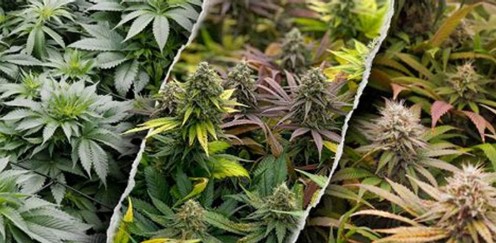
Harvesting Process: Once the plant has been harvested, it is important to dry and cure the buds correctly to maintain their flavor and strength.. The drying process should be done slowly, ideally in a cool, dark room with proper ventilation. Once dried, curing in glass jars for a few weeks can enhance the flavor and smoothness of the final product.
Harvest Window: God Bud typically has a flowering period of 8 to 9 weeks. During the last couple of weeks, growers should monitor the trichomes closely using a magnifying glass. When most trichomes are cloudy with a few amber trichomes, the plant is typically ready for harvest.
Side Effects
While God Bud is generally well-tolerated, it can produce some common side effects associated with high-THC strains. These include:
- Dry Mouth: A common side effect of most cannabis strains, dry mouth (or “cottonmouth”) can be mitigated by staying hydrated and drinking water throughout the experience.
- Dry Eyes: Some users may experience dry or red eyes, although this can often be relieved by using over-the-counter eye drops.
- Paranoia or Anxiety: Although God Bud is often used to treat anxiety, high doses of THC can lead to paranoia or heightened anxiety in some users, especially those who are sensitive to THC.
- Dizziness: In some cases, especially for novice users, God Bud may cause dizziness or lightheadedness. It is advised to start with a small dose to gauge tolerance.
Conclusion
The God Bud cannabis strain offers a unique combination of relaxation and mental stimulation, making it a appropriate for both recreational and medical use. With its high THC content and balanced effects, it provides relief from a range of medical conditions, including stress, pain, insomnia, and muscle tension. Its rich aroma and potent effects make it a favorite among cannabis enthusiasts, while its ease of cultivation makes it an attractive option for growers.
Whether you’re seeking to unwind after a long day, manage chronic pain, or simply enjoy a euphoric and relaxing high, God Bud is a versatile strain with something to offer. While its high THC content may not be suitable for all users, those who enjoy potent strains will find that God Bud delivers a well-rounded and satisfying experience.
For a complete directory of cultivars, visit our Cannabis Strain Reviews.
