Table of Contents
Goatlato is an emerging cannabis strain that has captured the interest of both recreational users and medical patients. This hybrid strain, bred from an exceptional lineage, offers a unique combination of flavors, effects, and therapeutic benefits. Below, we delve into the detailed aspects of Goatlato, covering its origins, chemical composition, medical and recreational uses, and the scientific underpinnings of its effects.
Origins and Genetics
Goatlato is a hybrid cannabis strain derived from a cross between the famed Gelato and Animal Mints strains. Both parent strains are well-known in the cannabis community for their potent effects and complex flavor profiles:
- Gelato: Renowned for its dessert-like sweetness, Gelato is a balanced hybrid strain with genetics from Sunset Sherbet and Thin Mint GSC. It is celebrated for its euphoric and relaxing effects.
- Animal Mints: Known for its high THC content and robust minty flavor, Animal Mints is an indica-dominant strain derived from Animal Cookies and Mint GSC. Its effects are deeply relaxing and sedative.
By combining these genetics, Goatlato inherits the best traits from its parent strains, resulting in a unique hybrid with a balanced mix of indica and sativa effects.
Appearance, Aroma, and Flavor
Appearance: Goatlato’s buds are dense and compact, with a strikingly vibrant appearance. The flowers are characterized by their bright green hues, interspersed with purple undertones and fiery orange pistils. The buds have a frosty, crystalline appearance due to a thick layer of trichomes, which is a sign of significant resin production.
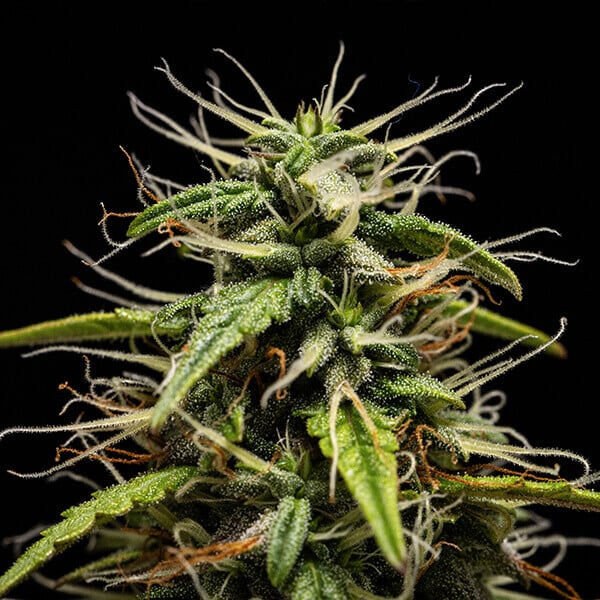

Aroma: The strain emits a complex and enticing aroma that blends sweet, creamy, and earthy notes with subtle hints of mint and citrus. Upon breaking apart the buds, a sharp, herbal undertone becomes evident, reflecting its Animal Mints heritage.
Flavor: When smoked or vaporized, Goatlato delivers a rich and creamy flavor profile. Users often describe a mix of sweet, dessert-like notes complemented by a minty freshness and earthy undertones. The smoke is smooth and leaves a pleasant aftertaste, making it a favorite among connoisseurs.
Chemical Composition
The therapeutic and recreational effects of Goatlato are driven by its unique chemical profile. Below is a summary of its main elements:
Cannabinoids
- THC (Tetrahydrocannabinol): Goatlato typically has a high THC content, ranging from 20% to 28%, making it a potent strain. THC is responsible for the psychoactive effects and is known to produce euphoria, relaxation, and altered sensory perception.
- CBD (Cannabidiol): Goatlato contains minimal CBD levels, usually less than 1%. While its CBD content is low, the presence of other cannabinoids contributes to the entourage effect.
- Minor Cannabinoids:
- CBG (Cannabigerol): Renowned for its neuroprotective and anti-inflammatory qualities.
- CBC (Cannabichromene): Believed to enhance mood and provide analgesic effects.
Terpenes
Terpenes play a crucial role in defining Goatlato’s aroma, flavor, and effects. The dominant terpenes in Goatlato include:
- Limonene: Responsible for citrusy notes, limonene has uplifting and stress-relieving properties.
- Caryophyllene: This spicy terpene has anti-inflammatory and analgesic effects, making it beneficial for pain management.
- Linalool: Known for its floral and lavender-like aroma, linalool offers calming and sedative properties.
- Myrcene: A common terpene in cannabis, myrcene contributes to the strain’s earthy undertones and promotes relaxation.
Methods of Ingestion
The method of consuming Goatlato can significantly influence the onset, intensity, and duration of its effects. These are the most widely used techniques:
1. Inhalation (Smoking or Vaporizing)
- Smoking:
- Traditional methods involve rolling the flower into a joint or using a pipe/bong.
- Combustion releases cannabinoids and terpenes instantly, providing rapid effects.
- Vaporizing:
- A healthier alternative to smoking, as it avoids combustion by heating the flower or concentrate to a temperature that causes terpenes and cannabinoids to evaporate.
- Preferred temperature range: 315°F – 400°F, targeting terpenes like limonene and linalool for their unique therapeutic benefits.
Onset: Effects are felt within 1-5 minutes after inhalation due to rapid absorption through the lungs and subsequent entry into the bloodstream.
Duration: Effects last between 1-3 hours, with peak intensity at approximately 30-60 minutes.
Pros:
- Quick onset of effects.
- High bioavailability (up to 56% for THC).
- Allows users to titrate doses easily.
Cons:
- Shorter duration compared to other methods.
- Potential respiratory irritation from smoke.
2. Oral Ingestion (Edibles and Capsules)
- Edibles:
- Goatlato can be infused into oils, butter, or other food products.
- Common forms include gummies, chocolates, and baked goods.
- Capsules:
- Precise dosing and easier for medical use.
Onset: Delayed onset, typically 30 minutes to 2 hours, as THC and other cannabinoids must first be metabolized by the liver (via first-pass metabolism).
Duration: Effects last 4-8 hours, with a gradual decline.
Scientific Insight:
- Ingested THC is converted into 11-hydroxy-THC in the liver, a more potent metabolite with stronger psychoactive effects and longer-lasting results.
Pros:
- Long-lasting effects, ideal for chronic conditions.
- Discreet and smoke-free.
Cons:
- Harder to titrate doses due to delayed onset.
- Risk of overconsumption by inexperienced users.
3. Sublingual Administration (Tinctures and Oils)
- Cannabinoid-infused tinctures or oils can be placed under the tongue for absorption through the sublingual mucosa.
- Avoids first-pass metabolism, allowing quicker systemic absorption.
Onset: Effects begin within 15-30 minutes, faster than edibles but slower than inhalation.
Duration: Effects last 3-6 hours.
Pros:
- Faster onset compared to edibles.
- Easier to dose precisely using droppers.
- Discreet and portable.
Cons:
- Effects not as immediate as inhalation.
- Taste may be unpalatable for some users.
4. Topical Application
- Goatlato can be infused into creams, balms, or transdermal patches for localized relief.
- Primarily used for pain, inflammation, or skin conditions.
Onset: Localized relief within 15-30 minutes for non-transdermal products. Transdermal patches may take longer but allow cannabinoids to enter the bloodstream.
Duration: Effects last 4-12 hours, depending on the product.
Scientific Insight:
- Non-transdermal topicals do not penetrate the bloodstream; they act on CB2 receptors in the skin.
- Transdermal patches are formulated to deliver cannabinoids systemically.
Pros:
- Non-psychoactive (unless transdermal).
- Effective for localized symptoms like joint pain or inflammation.
Cons:
- Limited to specific use cases.
- Transdermal patches may be expensive.
Effects by Method: Onset and duration
The following table summarizes the onset and duration for different ingestion methods:
| Method | Onset | Peak | Duration | Bioavailability |
|---|---|---|---|---|
| Smoking/Vaping | 1-5 minutes | 30-60 minutes | 1-3 hours | 25%-56% |
| Edibles | 30 minutes-2 hrs | 2-3 hours | 4-8 hours | 4%-20% (due to metabolism) |
| Sublingual | 15-30 minutes | 30-60 minutes | 3-6 hours | ~20%-35% |
| Topical (localized) | 15-30 minutes | N/A (localized) | 4-12 hours | N/A |
| Transdermal Patch | 1-2 hours | 3-4 hours | Up to 12 hours | ~50% |
Factors Influencing Onset, Intensity, and Duration
- Metabolism:
- Individuals with faster metabolisms experience quicker onset but shorter effects, particularly with edibles.
- Liver function significantly influences the potency of 11-hydroxy-THC during oral ingestion.
- Tolerance:
- Regular users may require higher doses to achieve similar effects due to desensitization of CB1 receptors.
- Dose:
- Higher doses increase intensity and duration, particularly for edibles.
- Start low and go slow is recommended, especially for inexperienced users.
- Body Composition:
- THC attaches to fat because it is lipophilic. Higher body fat percentages may have long-lasting impacts.
- Terpene Profile:
- Terpenes like myrcene may enhance the sedative effects of THC, while limonene may promote uplifting effects.
- Consumption Context:
- Consuming Goatlato on an empty stomach may lead to quicker onset for edibles but also more intense effects.
- Concurrent use with alcohol or other substances may amplify or alter effects.
Effects and Recreational Uses
Goatlato’s balanced hybrid nature provides a versatile range of effects suitable for various recreational contexts:

Immediate Effects
- Euphoria and Happiness: The strain’s high THC content produces an almost immediate uplift in mood, characterized by feelings of euphoria and happiness.
- Creativity and Focus: During the initial phase of the high, users often experience enhanced creativity and mental clarity, making it a suitable choice for artistic or problem-solving activities.
Gradual Onset of Relaxation
As the effects progress, Goatlato induces a deep sense of relaxation and calmness. This makes it ideal for unwinding after a long day or socializing in a relaxed setting. The indica-leaning traits from Animal Mints become more pronounced, leading to a soothing body high.
Enhanced Sensory Perception
Goatlato is known to heighten sensory perception, making activities like listening to music, watching movies, or enjoying nature more immersive.
Recreational Contexts
- Social Gatherings: The strain’s uplifting and mood-enhancing effects make it a popular choice for social events.
- Creative Endeavors: Writers, artists, and musicians often use Goatlato to boost inspiration and creative thinking.
- Evening Relaxation: Its calming effects are perfect for winding down and preparing for restful sleep.
Medical Applications
Goatlato’s unique chemical composition and therapeutic properties make it valuable for medical cannabis users. Below are some of its key medical applications:

Chronic Pain Management
The combination of high THC levels and caryophyllene’s analgesic properties makes Goatlato effective for managing chronic pain conditions such as:
- Arthritis
- Fibromyalgia
- Neuropathy
Stress and Anxiety Relief
Limonene and linalool contribute to Goatlato’s ability to alleviate stress and anxiety. The strain’s euphoric effects can uplift mood, while its calming properties help reduce feelings of tension and worry.
Insomnia Treatment
The sedative effects of linalool and the strain’s indica-leaning characteristics make it a suitable choice for individuals struggling with insomnia or disrupted sleep patterns.
Appetite Stimulation
Like many high-THC strains, Goatlato can stimulate appetite, making it beneficial for patients undergoing chemotherapy or those with appetite loss due to medical conditions.
Nausea and Vomiting
Goatlato’s antiemetic properties can help manage nausea and vomiting, often associated with treatments like chemotherapy or conditions like gastrointestinal disorders.
Mood Disorders
Patients with mood disorders such as depression or PTSD may benefit from Goatlato’s mood-enhancing and stress-relieving effects.
Scientific Insights
Entourage Effect
The synergy between cannabinoids and terpenes in Goatlato is an excellent example of the entourage effect. This phenomenon suggests that the combined action of cannabis compounds produces more significant therapeutic benefits than individual components. For instance, the interplay between THC and caryophyllene enhances analgesic effects, while linalool and myrcene contribute to relaxation and stress relief.
Pharmacokinetics
When consumed, THC binds to CB1 receptors in the brain’s endocannabinoid system, resulting in psychoactive effects. Meanwhile, terpenes like limonene and caryophyllene modulate the effects of THC, enhancing therapeutic outcomes and reducing potential adverse effects.
Safety Profile
While Goatlato is generally well-tolerated, its high THC content requires cautious dosing, especially for novice users. Common side effects include dry mouth, dry eyes, dizziness, and, in some cases, mild paranoia. Consuming the strain in a controlled and moderate manner minimizes these risks.
Scientific Insights into Goatlato Cultivation
1. Plant Morphology
Goatlato exhibits a hybrid growth structure, with traits inherited from its Gelato and Animal Mints lineage:
- Height: Typically medium in height, making it manageable for indoor setups.
- Leaf Structure: Broad fan leaves with a mix of indica-dominant and sativa-like features.
- Flowering Characteristics: Dense, resin-coated buds that develop vibrant colors like purple, green, and orange pistils under optimal conditions.
2. Preferred Growing Environment
Goatlato requires specific environmental conditions to reach its full potential:
- Temperature: Ideal temperature ranges between 70°F to 85°F. Excessive heat can stress the plant, reducing trichome production and terpene profiles.
- Humidity:
- Vegetative Stage: Maintain relative humidity (RH) of 55%-65%.
- Flowering Stage: Reduce RH to 40%-50% to prevent mold and mildew development, especially given Goatlato’s dense bud structure.
- Light Requirements:
- Indoors: Requires 18-24 hours of light during the vegetative phase and 12 hours of light during flowering.
- Outdoors: Best cultivated in regions with consistent sunlight and minimal temperature fluctuations.
3. Soil and Nutrient Requirements
Goatlato’s growth benefits from a carefully balanced nutrient regimen:
- Soil Type: Well-aerated, nutrient-rich soil with a slightly acidic pH (6.0–6.5).
- Macronutrients:
- Nitrogen (N): Essential during the vegetative phase for robust foliage growth.
- Phosphorus (P) and Potassium (K): Critical during flowering for bud development and resin production.
- Micronutrients: Calcium, magnesium, and sulfur enhance terpene synthesis and cell wall strength.
- Organic Amendments: Worm castings, bat guano, or compost tea can improve microbial activity and enhance nutrient uptake.
4. Advanced Cultivation Techniques
To maximize yield and quality, experienced growers often use these techniques:
- Low-Stress Training (LST):
- Bend and tie branches to expose more nodes to light, promoting even canopy growth and increasing bud production.
- Topping:
- Removing the apical bud (main growth tip) encourages lateral growth and multiple colas, boosting overall yield.
- Screen of Green (ScrOG):
- Use a mesh screen to guide plant growth horizontally, optimizing light distribution across all buds.
- Defoliation:
- Remove excess fan leaves during flowering to improve airflow and light penetration, reducing the risk of mold.
- Supercropping:
- Gentle bending of stems during the vegetative phase triggers stress responses, encouraging stronger stems and higher resin production.
5. Hydroponic Cultivation
Goatlato responds exceptionally well to hydroponic systems, which can accelerate growth and enhance terpene profiles:
- System Types:
- Deep Water Culture (DWC)
- Nutrient Film Technique (NFT)
- Drip Irrigation
- Advantages:
- Faster nutrient uptake due to direct root exposure.
- Precise control over pH, nutrients, and water levels.
- Challenges:
- Higher initial setup costs.
- Requires regular monitoring to prevent nutrient burn or root rot.
6. Flowering and Trichome Development
- Flowering Time: Goatlato typically flowers in 8–10 weeks indoors.
- Trichome Maturation:
- Monitor trichome color with a magnifying glass or microscope.
- Harvest when trichomes turn cloudy or amber, depending on desired effects (cloudy for energetic effects, amber for relaxation).
- Terpene Enhancement:
- Lower night temperatures during the last weeks of flowering (e.g., 65°F) can boost anthocyanin production, enhancing purple hues and terpene profiles.
7. Pest and Disease Management
Given Goatlato’s dense buds, it is susceptible to pests and mold if not properly managed:
- Common Pests:
- Spider Mites: Use neem oil or predatory mites (e.g., Phytoseiulus persimilis) for control.
- Aphids and Thrips: Beneficial insects like ladybugs or insecticidal soaps work effectively.
- Mold and Mildew:
- Use proper ventilation and dehumidifiers in indoor setups.
- Apply organic fungicides like potassium bicarbonate during early vegetative growth.
- Preventative Measures:
- Maintain a clean growing environment.
- Rotate crops or sanitize between harvests to avoid persistent pathogens.
8. Harvesting and Post-Harvest Processing
- Harvest Timing:
- Check pistil color (70%-90% orange-brown) and trichome development for optimal potency.
- Drying:
- Hang buds upside down in a dark room with temperatures of 60–70°F and RH of 45%-55%.
- Curing:
- Store buds in airtight jars, burping them daily for the first two weeks to release moisture and enhance flavor.
- Storage:
- Keep cured buds in a cool, dark place to preserve potency and terpene profiles.
Consumer Insights and Popularity
Goatlato has rapidly gained popularity among cannabis enthusiasts for its exceptional flavor, potent effects, and versatility. It is particularly favored in regions where high-quality hybrid strains dominate the market. Dispensaries often recommend it for both medical and recreational purposes, and its reputation continues to grow as more consumers discover its unique attributes.
Final Thoughts
Goatlato is a standout cannabis strain that perfectly balances the best traits of its Gelato and Animal Mints lineage. Its complex flavor profile, potent effects, and wide range of medical applications make it a valuable addition to the cannabis market. Whether you’re seeking relaxation, creativity, or relief from medical symptoms, Goatlato offers a versatile and enjoyable experience.
However, as with any cannabis product, responsible use is essential. New users should start with a low dose to assess their tolerance, while medical patients should consult a healthcare professional to ensure appropriate use for their specific conditions. With its remarkable attributes, Goatlato is poised to remain a favorite among cannabis enthusiasts for years to come.
For a complete directory of cultivars, visit our Cannabis Strain Reviews.
