Table of Contents
Go Time is an energizing and uplifting hybrid cannabis strain, widely appreciated for its stimulating effects that provide both recreational and medical benefits. Known for its powerful cerebral high and positive effects, it has earned popularity in both medical marijuana and recreational cannabis communities. This detailed guide will break down it’s characteristics, origin, effects, potential medical applications, and scientific information on its chemical profile.
Strain Overview
- Type: Hybrid
- THC Content: 20-25%
- CBD Content: Low (typically under 1%)
- Aroma: Sweet, citrusy, floral with earthy undertones
- Flavor: Lemon, pine, and diesel with a slight sweetness
- Effects: Uplifting, creative, focused, energizing, mood-enhancing
- Terpene Profile: Limonene, caryophyllene, myrcene
Go Time is a balanced hybrid strain, combining the stimulating properties of sativa with the relaxing effects of indica. It typically carries a moderate THC level, making it accessible to both novice and seasoned users, depending on their tolerance levels.
Genetic Lineage and Origin
It is a cross between two well-known cannabis strains, Gorilla Glue #4 (GG4) and Timewreck. These parent strains are highly regarded for their potency and effects.
- Gorilla Glue #4: Famous for its powerful body-high effects and strong resin production, GG4 is an indica-dominant hybrid. Its strong, sedative qualities are balanced by euphoric and creative mental stimulation.
- Timewreck: A hybrid of Trainwreck and the highly sought-after Timebandit, Timewreck provides a balance of physical relaxation and heady euphoria.
Together, these two strains create it, which blends the best of both worlds: a potent mental lift combined with a manageable and pleasant body high.
Terpene Profile
Terpenes are aromatic compounds found in cannabis plants that contribute to the strain’s unique smell, taste, and effects. Go Time has a distinct terpene profile that influences its overall experience.
- Limonene (Citrusy, lemon-like aroma): Known for its mood-lifting and anti-anxiety effects, limonene is a common terpene in Go Time and contributes to its energizing properties. It’s often found in strains that offer mental clarity and upliftment.
- Caryophyllene (Peppery, spicy): This terpene is known for its anti-inflammatory and analgesic properties. It has a unique ability to bind to CB2 receptors, making it beneficial for reducing pain and inflammation.
- Myrcene (Earthy, musky, with hints of cloves): While typically associated with relaxing strains, myrcene in Go Time helps with its grounding effects, balancing the strain’s mental stimulation with slight bodily relaxation.
Recreational Uses of Go Time
Go Time is known for its recreational benefits, providing a balanced high that appeals to many users who are looking for a strain that can enhance various activities. Here’s how Go Time can enhance different aspects of recreational use:

- Increased Energy and Motivation
- Focus and Productivity: One of the primary effects of Go Time is its ability to increase energy levels and motivation. Users report feeling more productive, which makes this strain an excellent choice for activities like brainstorming, creative work, or tackling chores. It promotes a mental clarity that encourages focus without leading to mental fatigue.
- Social Interactions: The uplifting effects of Go Time make it a popular choice for social occasions. Whether it’s a gathering with friends, a casual night out, or attending events, Go Time helps in engaging conversations and light-hearted interactions.
- Outdoor Activities: If you enjoy going for walks, hikes, or cycling, Go Time’s energizing effects can make these activities feel more enjoyable and stimulating. Its cerebral high enhances the appreciation of nature, while the slight relaxation prevents the strain from becoming overwhelming.
- Creativity and Mental Clarity
- Enhanced Creativity: Many users report heightened creativity when consuming Go Time. Artists, musicians, writers, and other creative individuals often use it to overcome blocks and ignite inspiration. Its uplifting and energetic effects provide the mental stimulation necessary for artistic flow.
- Clear Thinking and Mental Focus: Despite its energizing properties, Go Time maintains a clear-headed high that allows users to stay mentally sharp, making it an ideal choice for those who want to remain lucid while experiencing an intense rush of energy.
- Mood Enhancement and Stress Relief
- Euphoria: A primary recreational benefit of Go Time is the profound sense of euphoria it brings. Users typically experience a positive mental state, with an uplifted mood and an overall sense of well-being.
- Stress Relief: Go Time has a reputation for relieving stress and anxiety due to its mood-enhancing effects. It can help users break free from negative thought patterns or worries and experience a sense of happiness and joy.
Medical Uses of Go Time
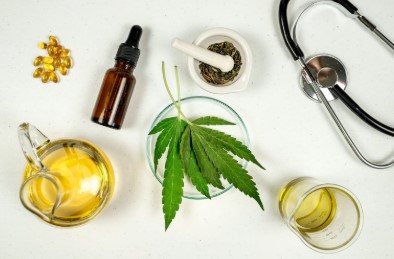
While Go Time is most famous for its recreational use, it also has numerous medical benefits. Below are some of the key therapeutic effects associated with Go Time, along with how it can help manage various conditions:
- Mental Health Benefits
- Mood Disorders: Go Time’s euphoric and uplifting effects can provide relief for individuals suffering from depression or anxiety. The strain’s ability to increase mental clarity, improve mood, and reduce negative thinking can be a valuable tool in managing such conditions. It may also reduce feelings of lethargy or apathy, which can be common in individuals with depressive symptoms.
- Stress and Anxiety Relief: The energizing and mood-lifting effects of Go Time make it ideal for relieving both chronic and situational stress. Unlike some other strains that induce paranoia, Go Time’s effects are more uplifting and calming, making it suitable for individuals with anxiety disorders.
- Pain and Inflammation Relief
- Chronic Pain: Thanks to its caryophyllene content, Go Time has anti-inflammatory properties that make it effective for managing pain. It is beneficial for people suffering from chronic pain conditions, such as arthritis, fibromyalgia, or back pain, providing relief without causing intense sedation.
- Muscle Tension: People dealing with muscle spasms, tension, or general soreness often find Go Time to be helpful in relieving tight muscles, especially in the context of a long day of physical activity or work.
- Fatigue and Low Energy
- Chronic Fatigue Syndrome: Go Time is often used by individuals with chronic fatigue syndrome or those dealing with persistent tiredness due to its energizing properties. The strain provides a mental and physical boost, helping users feel more alert and active throughout the day.
- Post-Workout Recovery: After intense physical exercise, Go Time can help revitalize the body and mind, reducing fatigue and increasing motivation to continue with regular physical activity.
- Nausea and Appetite Stimulation
- Appetite Stimulation: For people undergoing treatments such as chemotherapy or those with conditions that reduce appetite, Go Time can help stimulate hunger. The strain’s mild body effects can reduce nausea, making it easier to eat.
- Nausea Relief: Like many cannabis strains, Go Time’s relaxing properties can help reduce nausea. This makes it useful for individuals dealing with nausea due to illness, treatment, or digestive issues.
Scientific Research and Chemical Profile
Go Time is rich in cannabinoids and terpenes, which work together to produce its characteristic effects. While research on Go Time itself is limited, we can examine the chemical components that make it effective.
- Cannabinoids:
- THC: The high THC content in Go Time (ranging from 20% to 25%) is responsible for its potent effects. THC predominantly binds to CB1 receptors in order to engage with the body’s endocannabinoid system in the brain, leading to the psychoactive effects (euphoria, creativity, and focus).
- CBD: Although Go Time contains only trace amounts of CBD (less than 1%), it’s important to note that CBD can work synergistically with THC, enhancing its therapeutic effects, particularly in areas like pain relief and anxiety reduction.
- Terpenes:
- Limonene: Studies have suggested that limonene may have anti-anxiety and antidepressant properties, contributing to Go Time’s ability to improve mood and alleviate stress.
- Caryophyllene: As a unique terpene that binds to CB2 receptors, caryophyllene has been researched for its potential anti-inflammatory and pain-relieving properties. This contributes to Go Time’s ability to help with conditions like chronic pain, muscle soreness, and inflammation.
- Myrcene: Known for its sedative effects in high doses, myrcene in Go Time balances the strain’s stimulating properties with a mild relaxation that prevents overstimulation.
Cultivation of Go Time
The cultivation of Go Time is an interesting and intricate process, requiring attention to detail, knowledge of cannabis growth cycles, and a proper understanding of the plant’s genetic traits. As a hybrid strain, Go Time inherits qualities from both its parent strains—Gorilla Glue #4 (GG4) and Timewreck—which influence its growth characteristics, yield potential, and optimal growing conditions.
Here’s a detailed look at the methods of cultivation for Go Time, including growth patterns, environmental needs, and cultivation techniques:
1. Growth Patterns and Morphology
Go Time tends to have a balanced hybrid structure, taking traits from both its sativa and indica parentage. Here’s a closer look at the plant’s physical characteristics:
- Height and Structure: Go Time plants can range in height from medium to tall, depending on the growing environment and training techniques used. When grown outdoors, the strain may reach a height of 6–8 feet, while indoor plants tend to stay more compact, reaching around 4–5 feet. The plant structure is bushy, with dense foliage and thick branches that need to be supported to prevent them from snapping under the weight of the buds.
- Leaf Shape and Color: The leaves of Go Time are broad, typical of indica-dominant hybrids, and are a rich, vibrant green. As the plant matures, the leaves may show varying shades of purple, especially when exposed to lower temperatures in the final stages of flowering.
- Flowering Time: Go Time has a relatively moderate flowering time of around 8–9 weeks, which is typical for hybrids. The strain is suitable for growers who are looking for a moderate harvest window and want to avoid the long wait that some sativa strains require.
2. Environmental Needs and Conditions
- Temperature: Go Time thrives in moderate temperatures, ideally between 65–80°F (18–26°C). Like many cannabis strains, it does best when the temperature stays consistent during the growing season. Temperatures above 85°F (29°C) can cause stress on the plant and affect the quality of the buds. If the plants are grown outdoors, growers may need to monitor temperature fluctuations carefully and consider harvesting early if the weather turns too hot or cold.
- Humidity: Go Time requires moderate humidity, typically around 40–50%. Too much humidity can encourage mold or mildew, especially in the dense buds, so it’s essential to monitor and control humidity levels in indoor grows. For outdoor growers, controlling humidity can be more challenging, and careful attention is needed during the flowering phase, especially if rain is frequent.
- Light Requirements: Go Time plants require full sunlight when grown outdoors. When cultivated indoors, they require 12–16 hours of light per day, depending on the stage of growth. The strain is photoperiod-sensitive, meaning it requires a specific light cycle to trigger flowering. In an indoor setting, growers typically switch the light schedule to 12/12 hours of light/darkness to induce the flowering phase.
3. Soil and Nutrient Needs
Like many cannabis strains, Go Time thrives in nutrient-rich, well-draining soil. Growers often use a mix of organic soil with added perlite or vermiculite to ensure proper aeration of the roots.
- Soil Type: Go Time prefers loamy soil that is slightly acidic, with a pH of 6.0–6.5. This pH range allows the roots to absorb essential nutrients efficiently. Using soil that is too alkaline can impede the plant’s nutrient uptake, leading to deficiencies.
- Nutrients: During the vegetative phase, Go Time requires a nitrogen-rich fertilizer to promote healthy leaf growth and stem development. As the plant enters the flowering phase, it requires more phosphorus and potassium to support bud development. It is also important to provide micronutrients like calcium and magnesium, which are vital for overall plant health.
- Organic vs. Synthetic Fertilizers: Many growers prefer to use organic fertilizers when cultivating Go Time, as organic methods tend to enhance the flavor and aroma profile of the cannabis. Organic compost, worm castings, and seaweed-based fertilizers can be beneficial. However, synthetic fertilizers can also be used, but care must be taken not to overfeed the plant, as this can lead to nutrient burn and reduce the quality of the final product.
4. Training and Pruning Techniques
To achieve the best yields and bud quality, many cultivators employ various training techniques to shape the plant and optimize its growth. Here are a few popular techniques:
- Topping: Topping is a technique where the top portion of the plant is removed, encouraging the growth of two main stems. This promotes a bushier, more robust plant with more potential bud sites, ultimately increasing yields. Topping is often done during the vegetative phase to allow the plant time to recover and branch out before flowering.
- Low-Stress Training (LST): LST involves gently bending the plant’s branches and securing them with ties to encourage horizontal growth. This method helps to expose more bud sites to light and air, which can result in better airflow and larger, more potent buds.
- Screen of Green (ScrOG): The ScrOG technique uses a screen or net to guide the plant’s branches in a horizontal direction. By doing so, growers can create an even canopy, allowing the plant to spread out and grow more uniformly. This method maximizes light penetration to the lower parts of the plant, improving overall yields.
- Pruning: Regular pruning is essential to remove dead or excess foliage, especially during the early stages of growth. Pruning helps improve airflow, reduce the risk of pests, and promote better light penetration to the lower parts of the plant. It is also beneficial during the flowering stage, as removing lower, less productive branches ensures that the plant’s energy is directed toward the most productive buds.
5. Harvesting and Yield
Go Time produces moderate to high yields, depending on the growing conditions and techniques used. Here’s what growers can expect:
- Indoor Yields: Indoor growers can expect to yield approximately 1–1.5 ounces per square foot. This is a relatively good yield for a hybrid strain, especially when using advanced cultivation methods like LST or ScrOG.
- Outdoor Yields: When grown outdoors, Go Time has the potential to produce up to 12–16 ounces per plant, assuming optimal conditions. Outdoor yields are highly dependent on the climate and the skill of the grower.
- Harvest Time: Go Time typically takes around 8–9 weeks to flower indoors, and outdoor harvest time is typically in mid-to-late October. It’s essential to monitor trichome development closely to determine the ideal harvest time. For maximum potency and flavor, many growers prefer to harvest when the trichomes are about 80% milky and 20% amber.
6. Pest and Disease Resistance
Go Time is a relatively resilient strain, but like all cannabis plants, it is susceptible to certain pests and diseases. Here are some common challenges that growers may face:
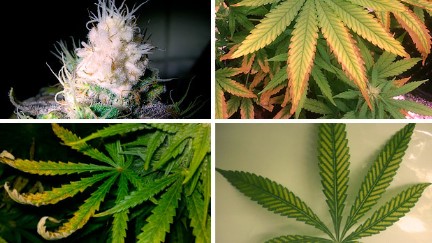
- Common Pests: Cannabis plants can be prone to infestations from pests like aphids, spider mites, thrips, and whiteflies. Go Time’s dense buds and foliage can make it susceptible to mold and mildew in humid conditions, so pest management strategies like neem oil, insecticidal soap, or beneficial insects (such as ladybugs) are recommended.
- Mold and Mildew: Due to its dense buds, Go Time is somewhat susceptible to bud rot (Botrytis) and powdery mildew, especially in high humidity environments. Ensuring adequate airflow and reducing humidity during the flowering phase can help mitigate these issues.
- Fungal Infections: Go Time can also be susceptible to various fungal infections, particularly during the flowering phase. To prevent fungal growth, growers often use organic fungicides or preventative sprays.
Conclusion
Go Time is a versatile cannabis strain known for its energizing, uplifting effects and potential medical benefits. As a hybrid with an impressive THC content and a diverse terpene profile, Go Time offers a balanced experience suitable for both recreational and medical use. It is highly favored for its ability to boost mood, energy, creativity, and focus while also providing therapeutic relief from stress, pain, anxiety, and fatigue.
Whether you’re seeking to enhance your recreational experiences or manage specific medical conditions, Go Time is a strain that offers both the mental stimulation and physical relaxation needed to help you reach your “go time.”
For a complete directory of cultivars, visit our Cannabis Strain Reviews.
