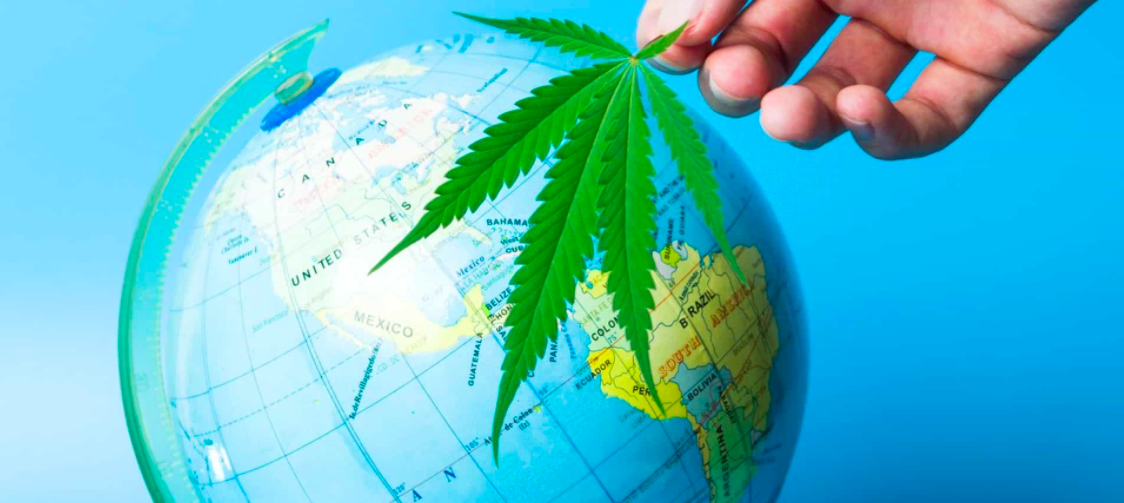
Global Evolution of Medical Cannabis Laws: A Comprehensive Overview
The landscape of medical cannabis laws has undergone significant transformations globally, with a growing number of countries recognizing the therapeutic potential of cannabis for various medical conditions. While recreational cannabis laws remain divisive and inconsistent across borders, the medical application of cannabis has seen steady and relatively more accepted legal evolution. This comprehensive analysis explores the history, progression, and contemporary state of medical cannabis laws worldwide, with a specific emphasis on the medical use of cannabis, excluding any recreational use and consumption methods.
Early History of Medical Cannabis Use and Regulation
Cannabis has been used for thousands of years for medicinal purposes, with evidence of its application dating back to ancient civilizations such as China, India, and Egypt. However, the legal status of cannabis began to shift during the early 20th century, when global attitudes toward the plant became more restrictive, driven largely by the influence of international treaties and drug control policies.
- Ancient and Pre-Modern Use of Cannabis: In ancient China, the emperor Shen Nong is believed to have used cannabis in 2737 BCE for treating various ailments, including pain and inflammation. In India, cannabis was integrated into Ayurvedic medicine, utilized for conditions like anxiety and digestive issues. In the Middle East and Africa, cannabis found applications in treating a variety of medical complaints, further emphasizing its therapeutic use.
- The Early 20th Century: Prohibition Begins: The 1920s and 1930s witnessed the global shift towards cannabis prohibition. The International Opium Convention (1925) and the subsequent Single Convention on Narcotic Drugs (1961) classified cannabis as a dangerous substance, placing it under stringent controls. These actions were rooted in the growing concerns over drug misuse, ignoring the plant’s therapeutic history. As a result, legislation banning the use of cannabis for either recreational or medicinal purposes was enacted in several nations throughout the world.
The Late 20th Century: The Resurgence of Medical Cannabis Advocacy
The latter half of the 20th century marked the beginnings of a resurgence in the recognition of cannabis as a medical treatment, driven primarily by patient advocacy, scientific research, and political movements challenging the harsh prohibitionist stance.
- 1970s: Early Advocacy in the United States: In the United States, medical cannabis advocacy gained momentum during the 1970s, with cancer patients and those suffering from glaucoma seeking cannabis as a treatment to alleviate chemotherapy-induced nausea or reduce intraocular pressure. While the Controlled Substances Act (1970) in the U.S. classified cannabis as a Schedule I drug (indicating no accepted medical use), grassroots activism from patients played a pivotal role in changing public perception.
- 1980s and 1990s: Compassionate Use Programs and Scientific Studies: During the 1980s, the U.S. federal government initiated the Compassionate Investigational New Drug (IND) Program, allowing a small number of patients to access medical cannabis. While this program was eventually shut down due to overwhelming demand, it marked an important legal exception. Parallel to this, countries like the Netherlands began to explore alternative policies toward cannabis use. In 1996, California became the first state in the U.S. to legalize medical cannabis with the passage of Proposition 215, sparking a wave of reform across other states.
- 1990s: Canada’s First Steps: Canada’s journey with medical cannabis began in the 1990s when patients began to lobby the government for access to cannabis. In 1999, Canada’s Supreme Court granted permission to some patients to use cannabis for medical purposes, laying the groundwork for the country’s future leadership in medical cannabis regulation.
Early 21st Century: Legalization Trends in Medical Cannabis
The early 2000s saw rapid developments in medical cannabis laws as more countries initiated formal legal frameworks to regulate its medical use. This period is characterized by both international and regional reforms, particularly in Europe and the Americas.
- Canada’s Pioneering Role: Canada was one of the first nations to establish a national medical cannabis program. In 2001, Canada implemented the Marihuana Medical Access Regulations (MMAR), which allowed patients with specific medical conditions to access cannabis through licensed producers or home cultivation. The MMAR was the foundation for Canada’s broader cannabis regulatory framework and was followed by successive reforms, including the Marihuana for Medical Purposes Regulations (MMPR) in 2014 and the Access to Cannabis for Medical Purposes Regulations (ACMPR) in 2016. These frameworks allowed licensed producers to cultivate and distribute medical cannabis under strict governmental oversight, ensuring patients had legal access to cannabis-based treatments.
- The European Union and Medical Cannabis: In Europe, the medical cannabis movement also began to gain traction during the early 2000s. Countries like the Netherlands and Germany were among the first to implement medical cannabis programs. The Netherlands, known for its liberal approach to cannabis, formalized a system for medical cannabis in 2003, allowing patients to obtain cannabis from pharmacies. Germany took a significant step in 2017 by passing legislation that enabled patients with serious medical conditions to access medical cannabis through prescriptions covered by health insurance.
- United States: State-Level Reforms and Federal Tension: In the United States, despite the federal prohibition, a growing number of states continued to implement medical cannabis programs. By 2024, over 37 states had enacted laws allowing the use of medical cannabis for conditions such as epilepsy, cancer, multiple sclerosis, and chronic pain. These laws varied widely in terms of qualifying conditions, possession limits, and patient access mechanisms. Federally, cannabis remained illegal, creating significant tension between state and federal policies, particularly regarding banking and interstate commerce related to medical cannabis.
- Latin America’s Changing Landscape: Latin America began to see reforms in the mid-2010s, with countries like Chile, Colombia, and Uruguay taking progressive steps toward medical cannabis legalization. Colombia, for example, implemented its medical cannabis framework in 2016, enabling regulated cultivation, production, and distribution. Uruguay, which is often recognized for its groundbreaking move to legalize recreational cannabis in 2013, also established provisions for medical cannabis, allowing licensed pharmacies to dispense cannabis to patients with medical prescriptions.
Contemporary Global Medical Cannabis Laws
As of 2024, the landscape of medical cannabis laws continues to evolve globally. Countries have approached the regulation of medical cannabis through various legal frameworks, each shaped by cultural, political, and scientific factors.
- Europe: In the European Union, medical cannabis laws are diverse and vary significantly by country. Germany, which has one of the biggest markets in Europe, is still at the forefront of the medical cannabis industry. Patients can access cannabis through prescriptions covered by insurance, a model followed by countries like the Czech Republic, Poland, and Portugal. In 2021, Luxembourg became the first European country to announce plans to fully legalize cannabis, including medical use, reflecting a broader trend toward progressive cannabis policies in Europe.
The UK also made a notable move in 2018 by legalizing medical cannabis, albeit under strict guidelines. Only a limited number of patients have access, often requiring special licenses for treatments. This change did, however, indicate that the UK is now receptive to using cannabis-based medicines to treat ailments like chronic pain and epilepsy. - Australia and New Zealand: Australia implemented its medical cannabis framework in 2016, allowing patients to access cannabis products through a prescription. Each state and territory within Australia has its own regulations, but the overarching system ensures that patients with serious medical conditions can obtain cannabis through pharmacies. New Zealand followed suit in 2020 with the passing of the Medical Cannabis Scheme, enabling patients to access quality-controlled cannabis products through licensed pharmacies.
- Asia: A Gradual Shift: Historically, Asia has maintained some of the most stringent cannabis laws globally. However, a few countries have begun to embrace medical cannabis in limited capacities. In 2018, Thailand became the first country in Southeast Asia to legalize medical marijuana, a landmark decision in a region notorious for its strict drug regulations. In 2022, Thailand went a step further by delisting cannabis as a narcotic, allowing for the cultivation and use of cannabis for medical and research purposes.
- Africa: Early Stages of Legalization: Africa’s approach to medical cannabis is still in its early stages, but countries like South Africa, Lesotho, and Zimbabwe have begun to explore medical cannabis cultivation and exportation. South Africa’s 2018 Constitutional Court ruling allowed personal cultivation and use of cannabis for adults, though the medical cannabis framework is still developing. Lesotho was the first African nation to issue licenses for medical cannabis cultivation, positioning itself as a leader in the continent’s cannabis industry.
The Role of International Organizations
The conversation over medicinal cannabis has been shaped globally in large part by international organizations. In light of cannabis’ possible medical benefits, the World Health Organization (WHO) has recommended that the drug be rescheduled under international treaties. The 1961 Single Convention on Narcotic Drugs included cannabis in Schedule IV, where it was categorized with medications having little to no therapeutic value. In 2020, the United Nations Commission on Narcotic Drugs (CND) decided to remove cannabis from this list. This historic vote signaled a shift in global perspectives on cannabis and opened the door for further medical cannabis research and regulation.
Current Challenges in Medical Cannabis Regulation
Despite the growing acceptance of medical cannabis worldwide, numerous challenges remain:
- Regulatory Hurdles: The regulatory frameworks governing medical cannabis vary widely between countries, making it difficult to establish uniform standards for production, quality control, and patient access. In many countries, medical cannabis is still subject to stringent regulations that limit patient access or create financial barriers.
- Stigma and Cultural Barriers: The stigma associated with cannabis, particularly due to its association with recreational use, continues to hinder the full acceptance of medical cannabis in many parts of the world. In conservative regions, cultural and religious beliefs may pose obstacles to the implementation of medical cannabis programs.
- Research Limitations: While significant strides have been made in cannabis research, further clinical studies are necessary to fully understand the plant’s therapeutic potential. Due to cannabis’s historical prohibition, research has often been limited, and many countries still restrict cannabis-related studies.
- Patient Access and Affordability: In countries where medical cannabis is legal, patient access can still be an issue. High costs, limited insurance coverage, and bureaucratic hurdles can make it difficult for patients to obtain the treatment they need. Furthermore, rural and low-income populations may face disproportionate barriers to access.
Restrictions on Using Cannabis in the Medical Field as a Last Resort
In the medical field, cannabis is often considered a treatment of last resort when conventional therapies fail to provide relief. Regulatory frameworks in many countries impose strict guidelines for its medical use, ensuring it is prescribed only when necessary. Physicians are required to exhaust all other options before recommending cannabis, especially for conditions such as chronic pain, epilepsy, or multiple sclerosis. In many jurisdictions, patients must obtain a special prescription, undergo thorough medical assessments, and meet stringent criteria to access cannabis.
Monitoring THC Levels to Prevent Psychoactive Effects
To prevent unwanted psychoactive effects, especially for vulnerable populations like seniors or children, careful monitoring of THC levels in cannabis-based medications is critical. Medical formulations typically contain low THC levels or are primarily derived from CBD-dominant strains to minimize psychoactivity. In many countries, regulations specify permissible THC levels in medical cannabis products, ensuring that they are safe for use without inducing significant psychoactive effects. Monitoring THC content through laboratory testing is mandatory, ensuring consistent potency and safety across medical cannabis products. This helps maintain therapeutic benefits while minimizing risks to patients.
Conclusion: The Global Evolution of Medical Cannabis Laws and Regulatory Challenges
The evolution of medical cannabis laws worldwide marks a significant shift from the early 20th-century blanket prohibition to the increasing recognition of cannabis as a legitimate therapeutic tool. This transformation has been driven by patient advocacy, emerging scientific evidence, and the acknowledgment that cannabis can provide relief for various medical conditions where conventional treatments have failed.
From the ancient use of cannabis for therapeutic purposes to its criminalization during the early 1900s, cannabis’ legal status has always been subject to the cultural, political, and economic climates of the time. Early civilizations like the Chinese, Egyptians, and Indians used cannabis in medicine to treat pain, inflammation, anxiety, and digestive disorders. However, the introduction of international drug control treaties like the Single Convention on Narcotic Drugs (1961) led to the widespread criminalization of cannabis use, including for medical purposes, as part of a broader war on drugs.
The late 20th century witnessed the resurgence of medical cannabis advocacy, sparked by individual patient needs and the failure of conventional medicine to provide adequate relief. The United States, for instance, saw patient-driven movements that highlighted cannabis’s potential to alleviate chemotherapy-induced nausea and reduce intraocular pressure in glaucoma patients. Similarly, in Canada and parts of Europe, a small number of patients were granted access to medical cannabis under tightly controlled programs, laying the foundation for the broader legalization movements that followed.
Countries like Canada have since taken the lead in medical cannabis reform, developing comprehensive regulatory frameworks to govern the production, distribution, and use of medical cannabis. The introduction of the Marihuana Medical Access Regulations (2001) in Canada was a pioneering step, enabling patients with certain medical conditions to access cannabis under medical supervision. This regulatory progress has been echoed across various parts of Europe, Latin America, and Australia, as countries recognize the need for regulated medical cannabis frameworks.
In Europe, countries like Germany, the Netherlands, and the United Kingdom have set up systems to ensure patients can access medical cannabis through pharmacies, with Germany emerging as a leader in Europe’s medical cannabis market. Likewise, Australia and New Zealand have implemented similar frameworks, while Thailand’s groundbreaking legalization of medical cannabis in 2018 set the pace for Southeast Asia, where drug laws are traditionally stringent.
Despite these advancements, the path to fully integrating medical cannabis into mainstream healthcare remains fraught with challenges. One of the key issues is the variability in regulations between countries, with no consistent global standards for production, quality control, and patient access. While some nations have adopted more liberal approaches, allowing patients easy access through licensed producers and pharmacies, others continue to impose rigid restrictions that limit patient access to medical cannabis.
A major concern in the medical use of cannabis is the psychoactive effects of THC, which can affect patients, particularly vulnerable groups like children or the elderly. To mitigate these effects, many countries and regulatory bodies mandate the monitoring of THC levels in cannabis-based medications. Low-THC or CBD-dominant products are typically preferred for medical purposes, ensuring that patients receive the therapeutic benefits without experiencing significant psychoactivity. These regulations often require thorough laboratory testing and strict potency controls to ensure consistency and safety in medical cannabis products.
In many jurisdictions, medical cannabis is still considered a treatment of last resort. This reflects the cautious approach of governments and medical institutions, which require physicians to explore all other conventional treatment options before prescribing cannabis. In countries like the United States, medical cannabis laws at the state level sometimes conflict with federal law, creating a complex legal landscape that complicates patient access. However, major efforts have been undertaken by international bodies like the United Nations Commission on Narcotic Drugs (CND) and the World Health Organization (WHO) to reschedule cannabis and recognize its medicinal value, which has led to a wider acceptance of cannabis-based treatments.
The growing body of scientific research, which increasingly supports the efficacy of cannabis in treating conditions like chronic pain, epilepsy, and multiple sclerosis, is slowly changing perspectives. The United Nations’ vote in 2020 to remove cannabis from Schedule IV of the 1961 Convention, a classification reserved for substances with no therapeutic value, was a landmark moment in cannabis reform. It signaled the global community’s recognition of cannabis’ medical benefits and the need for continued research.
However, barriers remain, especially in terms of stigma, cultural resistance, and access issues. In many parts of the world, particularly in conservative regions, the association of cannabis with recreational drug use continues to slow the adoption of medical cannabis programs. Additionally, high costs, regulatory delays, and limited insurance coverage prevent many patients from accessing the treatments they need.
Looking forward, the global legal landscape for medical cannabis will likely continue evolving, with more countries establishing formal medical cannabis frameworks. The focus will be on harmonizing regulations, improving patient access, ensuring quality control, and furthering clinical research. For patients worldwide, these developments offer hope for better treatments and relief from conditions that conventional medicine struggles to address. As more nations recognize the medical value of cannabis, it is expected that the stigma surrounding its use will diminish, paving the way for its wider acceptance as a therapeutic tool.
In conclusion, while the global evolution of medical cannabis laws has been uneven and complex, the trend is clear: medical cannabis is becoming a recognized and valuable component of modern healthcare. The challenges of regulation, access, and THC monitoring will continue to shape the discourse around medical cannabis, but with ongoing research and patient advocacy, it is likely that medical cannabis will become increasingly integrated into mainstream treatment options, offering patients a viable and effective alternative for managing a wide range of medical conditions.
