Table of Contents
Glass Slipper is a hybrid cannabis strain celebrated for its enchanting effects and intriguing lineage. Known for a balanced mix of uplifting and relaxing properties, this strain has gained appeal to both medical patients and recreational users. Derived from illustrious parent strains, Glass Slipper boasts a unique profile of cannabinoids and terpenes, contributing to its versatile applications and sensory experience. This document delves into the origins, characteristics, medical and recreational uses, and scientific underpinnings of the Glass Slipper cannabis strain.
Genetic Lineage and Origins
Glass Slipper is the offspring of two renowned strains:
- Cinderella 99 – A sativa-dominant hybrid known for its euphoric effects and fruity aroma.
- The Pineapple – An indica-dominant hybrid characterized by its sweet, tropical flavor and relaxing properties.
By combining these two parent strains, breeders have created a hybrid that encapsulates the best traits of both. Glass Slipper often leans slightly sativa-dominant, making it suitable for a wide range of applications.
Appearance, Aroma, and Flavor
Appearance: Glass Slipper’s buds are typically medium to large in size, featuring dense, tightly-packed nugs. The strain is adorned with vibrant green hues, occasional purple undertones, and a generous coating of trichomes that give it a frosty, glass-like appearance. Bright orange pistils add to its visual appeal.
Aroma: The scent of Glass Slipper is a delightful combination of fruity and floral notes with hints of pine and earth. A subtle sweetness reminiscent of pineapple or citrus lingers in the background, contributing to its aromatic complexity.
Flavor: When consumed, Glass Slipper offers a smooth, flavorful experience. The taste mirrors its aroma, with prominent fruity and citrusy notes complemented by a slight spiciness and a creamy finish.
Cannabinoid Profile
Glass Slipper typically contains the following cannabinoids:
- THC: 18-24% – This relatively high THC concentration accounts for its potent psychoactive effects and therapeutic potential.
- CBD: <1% – While low in CBD, the presence of other cannabinoids contributes to the entourage effect.
- CBG: ~1% – Cannabigerol (CBG) may enhance anti-inflammatory and neuroprotective properties.
Terpene Profile
The terpene profile of Glass Slipper is diverse, contributing to its unique effects and sensory characteristics:
- Myrcene – Promotes relaxation and sedation; common in strains with earthy, musky aromas.
- Limonene – Uplifting and mood-enhancing; provides citrusy scents.
- Pinene – Offers anti-inflammatory and memory-enhancing properties; imparts a piney aroma.
- Caryophyllene – Known for its anti-inflammatory and pain-relieving effects; adds a spicy, peppery note.
- Linalool – Contributes to stress relief and relaxation; provides floral undertones.
Effects and Uses
Recreational Uses:

- Euphoria and Mood Enhancement: Glass Slipper’s sativa-leaning effects make it an excellent choice for users seeking a mood boost or a sense of euphoria. It is often consumed during social gatherings or creative activities to enhance enjoyment and focus.
- Energy and Creativity: The strain’s uplifting properties can stimulate creativity and productivity, making it ideal for artistic endeavors or brainstorming sessions.
- Relaxation: Despite its energizing effects, Glass Slipper also offers a soothing body high that balances its cerebral stimulation, allowing for a well-rounded recreational experience.
Medical Uses:
- Stress and Anxiety Relief: The combination of uplifting and calming effects makes Glass Slipper effective in alleviating symptoms of stress, anxiety, and depression. Its high limonene content may play a significant role in mood regulation.
- Pain Management: The anti-inflammatory and analgesic properties of its terpenes, especially caryophyllene, can provide relief from chronic pain, migraines, and muscle soreness.
- Insomnia: While not sedative, the strain’s relaxing effects may help users unwind and prepare for restful sleep, particularly for those struggling with mild insomnia.
- Appetite Stimulation: Glass Slipper may also stimulate appetite, benefiting individuals dealing with appetite loss due to illnesses or therapies such as chemotherapy.
- Nausea Reduction: Its antiemetic properties can alleviate nausea, making it a viable option for patients undergoing treatments that cause gastrointestinal distress.
Scientific Insights and Research
- Cannabinoid Synergy: Glass Slipper’s effects are a result of the synergistic interaction between its cannabinoids is this phenomenon is called the entourage effect, and it involves terpenes. This enhances its therapeutic potential beyond what isolated compounds can achieve.
- Terpene Research: Studies suggest that limonene and myrcene’s combination contributes to both the strain’s mood-enhancing and relaxing properties. Limonene has demonstrated anxiolytic effects in preclinical models, while myrcene’s sedative qualities are well-documented.
- THC-Predominance: With THC levels ranging from 18-24%, Glass Slipper provides significant psychoactive effects. Research indicates that high-THC strains may modulate pain perception and mood, though users with low tolerance should approach with caution.
- Potential Neuroprotective Effects: Preliminary research on cannabinoids like CBG suggests potential neuroprotective benefits, aligning with anecdotal reports of improved mental clarity and focus when using Glass Slipper.
Cultivation for Glass Slipper

Environmental Factors
- Optimal Temperature:
- Glass Slipper thrives in temperatures between 70-85\u00b0F (21-29\u00b0C) during the day.
- Nighttime temperatures should ideally remain above 60\u00b0F (16\u00b0C) to avoid stress and encourage healthy growth.
- Avoid significant temperature fluctuations, as these can lead to stunted growth or reduced yield.
- Humidity Levels:
- Vegetative Stage: Maintain humidity levels at 50-60% to promote vigorous leaf development.
- Flowering Stage: Lower humidity to 40-50% to prevent mold and mildew, particularly given the dense structure of Glass Slipper buds.
- Light Requirements:
- Indoor Growing: Glass Slipper performs well under High-Intensity Discharge (HID) lights, such as High-Pressure Sodium (HPS) for blooming and Metal Halide (MH) for vegetative development. LED lights can also be used to save energy and control spectral output.
- Outdoor Growing: This strain requires 12-14 hours of sunlight during its vegetative phase. Ensure it’s grown in a location with consistent sunlight exposure.
Soil and Mediums
- Soil:
- A nutrient-rich, well-aerated soil with a pH level between 6.0 and 6.5 is ideal.
- Use organic compost or amendments like bat guano and worm castings to enhance microbial activity and nutrient availability.
- Soilless Mediums:
- Glass Slipper also adapts well to hydroponic systems or coco coir, which offer precise nutrient control and faster growth cycles.
- In hydroponic setups, maintain a nutrient solution pH of 5.5-6.0 for optimal absorption.
Nutrient Management
- Macronutrients:
- Nitrogen (N): Essential during the vegetative stage for robust leaf and stem development.
- Phosphorus (P): Crucial during the flowering stage to promote bud formation and resin production.
- Potassium (K): Supports overall plant health, water regulation, and stress resistance.
- Micronutrients:
- Zinc, manganese, and iron are important in smaller amounts to support enzyme activity and photosynthesis.
- Monitor micronutrient levels to prevent deficiencies, especially in hydroponic systems.
- Feeding Schedule:
- Gradually increase nutrient concentrations as the plant matures, but reduce nitrogen levels in late flowering to avoid harshness in the final product.
- Flush the plants with plain water 1-2 weeks before harvest to remove excess nutrients and improve flavor.
Pruning and Training Techniques
- Pruning:
- Reduce the risk of mold and mildew by routinely pruning lower branches and leaves to increase airflow and light penetration.
- Remove dead or yellowing foliage promptly to prevent energy waste.
- Training:
- Low-Stress Training (LST): Tie down branches gently to encourage horizontal growth and maximize light exposure.
- Screen of Green (ScrOG): Use a mesh screen to train plants horizontally, ensuring even canopy development and higher yields.
- Topping:
- Cutting the main stem during the vegetative phase encourages the plant to produce multiple colas, increasing overall yield.
Pest and Disease Management
- Common Pests:
- Spider Mites: Can be controlled with neem oil or insecticidal soaps.
- Fungus Gnats: Use sticky traps and maintain proper watering practices to avoid over-saturation.
- Aphids: Introduce natural predators like ladybugs or apply horticultural oils.
- Disease Prevention:
- Powdery mildew and bud rot are potential concerns due to Glass Slipper dense buds. Control humidity and ensure adequate airflow using oscillating fans.
- Sterilize tools and grow spaces to minimize contamination risks.
Harvesting and Post-Harvest
- Harvest Timing:
- Use a microscope or magnifying glass to keep an eye on trichomes. Harvest when most trichomes are milky white with some turning amber, as this indicates peak potency and flavor.
- Drying and Curing:
- Drying: Hang buds upside down in a dark, ventilated space with a temperature of 60-70\u00b0F (15-21\u00b0C) and humidity around 50-60% for 7-10 days.
- Curing: Store dried buds in airtight glass jars, opening them daily for the first two weeks to release excess moisture and maintain freshness. Curing improves potency, flavor, and fragrance.
Advanced Techniques
- CO2 Enrichment:
- Supplementing CO2 levels to 1,200-1,500 ppm in the grow room can significantly increase photosynthesis and yield. This is especially effective in indoor setups.
- UV-B Light Exposure:
- Introducing UV-B light during the flowering stage can boost trichome production, enhancing resin and terpene output.
- Organic vs. Synthetic Nutrients:
- Organic cultivation emphasizes soil health and flavor, while synthetic nutrients offer faster absorption and precise control. Glass Slipper can thrive under either regimen depending on the grower goals.
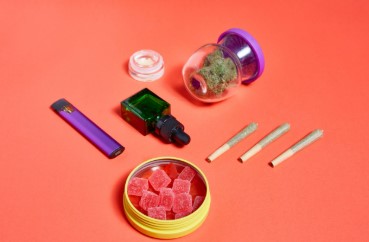
Methods of Ingestion, Onset, and Duration for Glass Slipper
1. Smoking
Description:
- Smoking involves combusting the flower in a joint, pipe, or bong and inhaling the smoke into the lungs, where cannabinoids are absorbed into the bloodstream.
Onset of Effects:
- 2-5 minutes after inhalation.
- Rapid absorption through the alveoli in the lungs ensures cannabinoids enter the bloodstream almost immediately.
Duration of Effects:
- Lasts between 1.5 to 3 hours, depending on dosage and individual metabolism.
Advantages:
- Fast onset makes it ideal for immediate relief from symptoms like pain, nausea, or stress.
- Allows users to titrate their dose in real-time, as effects are felt quickly.
Disadvantages:
- Combustion can produce harmful byproducts, such as tar and carbon monoxide, which may irritate the respiratory system.
2. Vaporization
Description:
- Involves raising the temperature of cannabis flowers or concentrates to a point where terpenes and cannabinoids are released as vapor without combustion (typically between 315\u00b0F and 430\u00b0F).
Onset of Effects:
- Similar to smoking, effects begin within 2-5 minutes of inhalation.
Duration of Effects:
- Lasts between 1.5 to 3 hours.
Advantages:
- Healthier alternative to smoking, as it minimizes exposure to harmful combustion byproducts.
- Enhances the flavor and aroma due to better terpene preservation.
Disadvantages:
- Requires specialized equipment like vaporizers or vape pens, which may have an upfront cost.
3. Edibles
Description:
- Ingesting Glass Slipper through cannabis-infused foods, beverages, or capsules. Cannabinoids are processed by the liver, converting delta-9 THC to the more potent 11-hydroxy-THC.
Onset of Effects:
- 30 minutes to 2 hours, depending on individual metabolism, stomach contents, and method of preparation.
Duration of Effects:
- Effects can last 6 to 8 hours, with a peak between 2-4 hours post-consumption.
Advantages:
- Long-lasting effects make edibles ideal for prolonged symptom relief, such as chronic pain or insomnia.
- Discreet and easy to consume.
Disadvantages:
- Inexperienced users may overconsume due to delayed onset.
- Effects are harder to titrate compared to inhalation methods.
4. Sublingual (Tinctures and Sprays)
Description:
- Cannabinoid-infused tinctures or sprays are applied under the tongue, where they are absorbed through the mucosal membranes into the bloodstream.
Onset of Effects:
- 15-30 minutes, faster than edibles due to bypassing the digestive system.
Duration of Effects:
- Effects typically last 4-6 hours.
Advantages:
- Precise dosing and rapid onset compared to edibles.
- Suitable for users seeking discreet and non-smokable methods.
Disadvantages:
- The taste of tinctures may not be to everyone’s taste.
5. Topicals
Description:
- Cannabis-infused creams, balms, or transdermal patches applied directly to the skin for localized relief. Cannabinoids interact with endocannabinoid receptors in the skin but do not typically enter the bloodstream (except in the case of transdermal patches).
Onset of Effects:
- 5-15 minutes for localized relief from inflammation or pain.
Duration of Effects:
- Effects last 2-4 hours for most topicals.
- Transdermal patches may provide extended relief for up to 8-12 hours.
Advantages:
- Non-intoxicating (except for transdermal applications), making it suitable for daytime use.
- Targeted relief for conditions like arthritis or muscle soreness.
Disadvantages:
- Limited to localized relief and does not provide psychoactive effects unless using a transdermal patch.
6. Dabbing (Concentrates)
Description:
- Involves vaporizing highly concentrated cannabis extracts (e.g., shatter, wax, or live resin) using a dab rig or e-nail.
Onset of Effects:
- Almost instantaneous, within 1-3 minutes.
Duration of Effects:
- Effects last 1-3 hours, depending on tolerance and dosage.
Advantages:
- Extremely potent and fast-acting, ideal for experienced users or those needing immediate, intense relief.
- Enhanced terpene and cannabinoid profile in high-quality concentrates.
Disadvantages:
- Requires specialized equipment and may be overwhelming for novice users.
- Higher risk of overconsumption due to potency.
Scientific Insights into Onset and Duration
- Lipid Solubility of Cannabinoids:
- Cannabinoids like THC and CBD are lipophilic, meaning they dissolve in fats and are stored in fatty tissues. This explains the delayed onset and prolonged effects of edibles, as they must first be metabolized in the liver.
- First-Pass Metabolism:
- When ingested, THC undergoes first-pass metabolism in the liver, converting it into 11-hydroxy-THC. This metabolite is more potent and has a longer half-life, contributing to the stronger, longer-lasting effects of edibles.
- Bioavailability:
- Smoking and vaporization provide higher bioavailability (15-30%) compared to edibles (4-20%), as the latter undergo significant breakdown in the digestive system.
- Sublingual methods offer intermediate bioavailability, avoiding the digestive tract but not as direct as inhalation.
- Individual Factors Influencing Onset and Duration:
- Metabolism: Faster metabolisms result in quicker onset for edibles but may shorten the duration.
- Body Fat: Cannabinoids stored in fat cells may prolong effects, particularly in chronic users.
- Tolerance: Regular users may experience reduced effects due to desensitization of CB1 receptors in the brain.
Conclusion
Glass Slipper is a versatile hybrid cannabis strain with a rich genetic heritage and a well-rounded profile of effects. Whether for recreational use to enhance mood and creativity or for medical purposes to alleviate pain, stress, or nausea, this strain offers something for everyone. Its balanced cannabinoid and terpene profile underscores the importance of whole-plant synergy in cannabis therapy. As research into cannabinoids and terpenes continues to evolve, Glass Slipper remains a prime example of cannabis’ potential to bridge recreational enjoyment and medical efficacy.
For a complete directory of cultivars, visit our Cannabis Strain Reviews.
