Table of Contents
Glass Apple is a relatively rare hybrid strain, combining the best characteristics of both indica and sativa genetics. The strain has an impressive THC content that typically ranges from 18% to 24%, making it a potent choice for both recreational and medicinal users. Glass Apple’s effects are often described as uplifting yet calming, making it suitable for a variety of activities.
This strain is often sought out by users for its ability to produce a balanced high. It has been reported to provide both mental stimulation and physical relaxation, which can be beneficial for those looking for stress relief, pain management, or creative inspiration.
Genetics and Origins
Glass Apple is believed to be the result of crossing two potent parent strains, likely including Apple Fritter and Glass Slipper. The exact genetic makeup is still somewhat unclear, but these parent strains are known for their high THC content and balanced effects, which have been passed down to the offspring. The result is a hybrid that can offer a balanced experience, neither too overpowering nor too mellow.
Aroma, Flavor, and Appearance
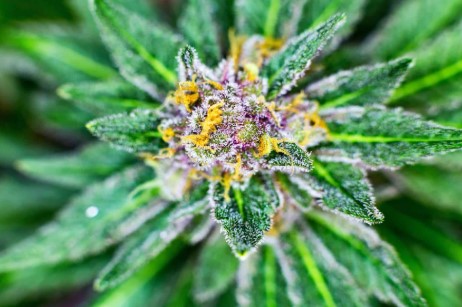
The Glass Apple strain has a distinctive and complex aroma and flavor profile that sets it apart from other cannabis strains. Users often report a sweet and fruity fragrance, with hints of apple, citrus, and tropical fruit. This fruity scent is balanced by earthy undertones, providing a fresh, almost crisp smell that is both inviting and refreshing.
The flavor of Glass Apple is similarly sweet and fruity, with noticeable notes of apples, citrus, and sometimes even hints of melon. These sweet flavors are complemented by a slight herbal and earthy taste, creating a satisfying and well-rounded vaping or smoking experience.
In terms of appearance, Glass Apple buds are typically dense and compact, often covered in a frosty layer of trichomes that give them a shimmering, almost glassy appearance. The nugs are often bright green with orange pistils that add to their overall aesthetic appeal.
Cannabinoid Profile
The potency of the Glass Apple strain is one of its defining features. Its cannabinoid profile typically includes a high THC content, ranging from 18% to 24%. This makes it a potent strain, capable of delivering strong effects that can be felt quickly and last for a significant amount of time.
- THC Content: 18% – 24%
- CBD Content: Typically low, around 0.1% – 0.3%
While the THC content is high, the strain is often considered to be well-balanced, offering both a cerebral high and physical relaxation without causing overwhelming feelings of anxiety or paranoia. Its low CBD content means that Glass Apple is not particularly suited for users looking for the anti-inflammatory and calming effects that CBD can provide. However, for those seeking a euphoric, mood-enhancing experience, Glass Apple is often a great choice.
Effects of Glass Apple
Glass Apple’s effects are often described as well-rounded and balanced, offering both mental stimulation and physical relaxation. The strain is typically associated with the following effects:
Cerebral Effects:
- Euphoria: Glass Apple is known for inducing a powerful sense of euphoria, which can uplift the mood and make users feel happy and content.
- Creativity Boost: Many users report feeling more creative and imaginative after consuming Glass Apple, making it a well-liked option for creative endeavors or brainstorming meetings.
- Focus: Some users find that Glass Apple can help enhance focus and concentration, although this can vary from person to person.
Physical Effects:
- Relaxation: While the strain is not overly sedative, Glass Apple has a noticeable relaxing effect on the body, which can help alleviate tension and stress.
- Pain Relief: The strain’s calming physical effects make it suitable for mild to moderate pain relief, especially when combined with its cerebral effects.
- Mild Body High: Some users report feeling a pleasant body buzz that enhances relaxation without being overpowering.
Medical Uses and Benefits
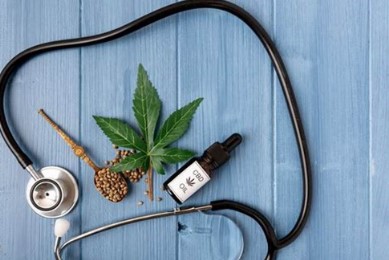
Glass Apple is used by many medical cannabis patients for its wide range of therapeutic effects. Here are some of the primary medical benefits of the strain:
1. Stress and Anxiety Relief
One of the most common reasons patients choose Glass Apple is for its ability to alleviate stress and anxiety. The euphoric and uplifting effects of the strain can help combat negative thought patterns and provide relief from feelings of stress. This makes it an ideal choice for those dealing with daily anxiety or general stress.
- Clinical Use: Used for generalized anxiety disorder (GAD), social anxiety, and situational stress. Its uplifting nature can help clear the mind of overwhelming thoughts.
2. Depression Management
Due to its mood-enhancing and euphoric effects, Glass Apple is often recommended for individuals suffering from depression. It can help improve mood, increase motivation, and provide a temporary respite from the symptoms of depression.
- Clinical Use: Used for managing symptoms of depression, especially when other treatments have not been effective.
3. Pain Relief
The mild body relaxation induced by Glass Apple can be helpful for managing chronic pain conditions, including headaches, back pain, and muscle aches. While it may not be as potent as some other strains specifically designed for pain relief, Glass Apple’s calming effects can still provide relief for mild to moderate pain.
- Clinical Use: Suitable for managing tension headaches, migraines, joint pain, and muscle spasms.
4. Insomnia and Sleep Disorders
The strain’s ability to induce relaxation and mild sedation can also be beneficial for individuals suffering from insomnia or other sleep-related issues. While Glass Apple is not typically known for heavy sedation, it can still help users wind down at night and promote restful sleep.
- Clinical Use: May assist in falling asleep for individuals who have difficulty with sleep onset.
5. Appetite Stimulation
Like many cannabis strains, Glass Apple can also stimulate appetite, which may be beneficial for patients undergoing treatments like chemotherapy or individuals with conditions that cause a reduced appetite.
- Clinical Use: Helpful for patients with appetite loss, including those undergoing cancer treatment or suffering from eating disorders.
Recreational Uses
In addition to its medicinal properties, Glass Apple is a popular strain among recreational users. The balanced effects of Glass Apple make it a versatile choice for various recreational activities. Here are some of the most common uses:
1. Socializing
The uplifting, euphoric effects of Glass Apple make it a great strain for social settings. Many users report feeling more talkative and sociable after consuming Glass Apple, which can enhance social interactions and group activities.
2. Creative Activities
With its potential to spark creativity and provide mental clarity, Glass Apple is often favored by artists, writers, and musicians who are looking for inspiration. It can help open up the mind to new ideas and enhance focus on creative tasks.
3. Outdoor Activities
For those who enjoy outdoor activities like hiking, walking, or simply being in nature, Glass Apple can provide a sense of well-being and physical relaxation. It can help users feel more in tune with their surroundings and improve their overall experience.
4. Entertainment
When it comes to the scientific methods of cultivating Glass Apple cannabis, there are several key factors to consider ensuring successful growth, including the genetics of the strain, environmental requirements, cultivation techniques, and post-harvest processing. Here is a closer look at these elements:
1. Genetics and Plant Characteristics
Glass Apple is a hybrid strain, which means it has a combination of both sativa and indica genetics. Understanding these genetics is important because the cultivation methods will be influenced by the parent strains. For example:
- Sativa Characteristics: Sativa strains tend to grow tall and thin with long internodal spacing. They also require a longer flowering time (typically 9 to 12 weeks).
- Indica Characteristics: Indicas are shorter, bushier plants with dense buds. They typically have a shorter flowering period and require more nutrients during their growth phase.
Glass Apple is a medium-sized plant, so it may have a balance of these characteristics. It tends to grow more compact like an indica, with dense buds but may show some sativa traits in its flowering time and bud structure.
2. Optimal Growing Environment
A. Indoor Cultivation
For optimal growth, most cannabis cultivators grow Glass Apple indoors, as it allows for better control over environmental variables. Key factors include:
- Temperature: Glass Apple plants thrive in a controlled environment, with a recommended range of daytime temperatures range from 70 to 80°F (21-27°C), while nighttime temperatures are a little lower.
- Humidity: During the vegetative stage, the relative humidity should be kept between 60-70%, and during flowering, it should be reduced to 40-50% to prevent mold and mildew.
- Lighting: A full-spectrum grow light is essential for producing healthy plants. For indoor cultivation, cultivators often use LED grow lights or high-pressure sodium (HPS) lights, as these provide the necessary light spectrum for optimal photosynthesis and bud development. During the flowering phase, plants require 12 hours of light and 12 hours of darkness to induce flowering.
B. Outdoor Cultivation
When grown outdoors, Glass Apple plants perform best in regions that have long, hot summers, and a stable climate. It’s important to consider the following:
- Climate: Glass Apple requires warm temperatures, so areas with temperatures between 70-85°F (21-29°C) are ideal.
- Soil: Cannabis plants generally thrive in well-draining, loamy soil. Soil pH should be maintained between 6.0 and 7.0 for optimal nutrient uptake.
- Light: If growing outdoors, the plants will need at least 6-8 hours of direct sunlight per day to grow properly.
3. Cultivation Techniques
A. Training Methods
Training techniques are used to optimize the plant’s growth, especially for hybrid strains like Glass Apple that may benefit from a more controlled structure. Some common techniques include:
- Topping: This involves cutting off the top of the plant during the vegetative stage to encourage lateral growth and create a bushier plant. This can help increase the number of colas and improve the overall yield.
- Low-Stress Training (LST): LST is a gentle method of bending and tying the plant’s branches to encourage a more even canopy and better light distribution. This method is especially useful in controlling plant height and improving airflow around the buds.
- Screen of Green (SCROG): This involves using a mesh or screen placed over the plant to spread out the branches evenly. The goal is to maximize light exposure and bud production while maintaining even growth across the plant.
- Defoliation: Removing excess leaves that block light from reaching the lower parts of the plant can help increase yields. However, this should be done carefully to avoid stressing the plant.
B. Nutrient Requirements
- Vegetative Stage: During the vegetative phase, Glass Apple plants require high nitrogen (N) levels to support strong stem and leaf development. Nitrogen helps with cell division and leaf growth.
- Flowering Stage: Once the plant enters the flowering phase, the nitrogen levels should be reduced, and phosphorus (P) and potassium (K) should be increased. These nutrients support the development of healthy buds and improve overall yield.
- Micronutrients: Elements like calcium, magnesium, and sulfur are essential for maintaining plant health and optimizing photosynthesis and nutrient uptake.
4. Flowering and Harvesting
A. Flowering Time
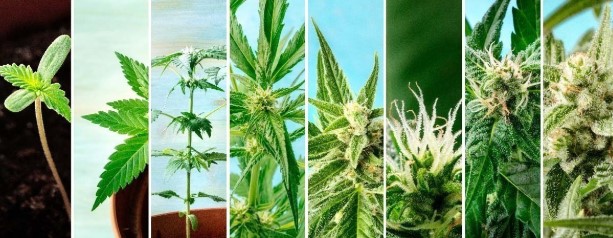
Glass Apple typically takes between 8 to 9 weeks to flower, which is relatively standard for hybrid strains. Sativa-dominant strains usually take longer, so the quicker flowering time can be seen as a benefit for growers.
- Trichome Development: Monitoring trichome development is crucial for determining the optimal harvest time. Trichomes should be milky white to amber in color for peak potency. Some cultivators prefer to wait until more amber trichomes are visible for a more relaxing, sedative effect, while others harvest earlier for a more energetic effect.
B. Harvesting and Curing
- Harvesting: At the right time, buds should be carefully harvested by cutting the plant at the base. Trimming should be done carefully, removing excess leaves that do not contain significant amounts of cannabinoids or terpenes.
- Curing: After harvest, buds must be dried and cured for optimal flavor and potency. The drying process should be done in a cool, dark environment with good airflow to prevent mold growth. After drying, the buds are placed in glass jars for the curing process, which should last at least 2-4 weeks. Proper curing enhances the flavor, potency, and smoothness of the smoke.
5. Pests and Disease Management
Cannabis plants are susceptible to various pests and diseases, including spider mites, aphids, powdery mildew, and bud rot. Managing pests and diseases requires a proactive approach:
- Pest Management: Regularly inspect the plants for signs of pests. Organic methods, such as introducing beneficial insects (ladybugs, predatory mites), using neem oil, or applying insecticidal soaps, can help prevent and treat infestations.
- Fungus and Mold: Ensure proper airflow and humidity control to prevent fungal growth. In case of mold or mildew, some cultivators use fungicides that are safe for cannabis or choose organic treatments such as hydrogen peroxide or baking soda solutions.
6. Scientific Approach to Yield Optimization
To maximize yield and potency, growers often employ scientific techniques like:
- CO2 Enrichment: In indoor grow environments, increasing CO2 levels can improve photosynthesis, leading to faster growth and higher yields. Optimal CO2 levels are typically around 1000-1500 ppm during the day.
- pH and EC Monitoring: Regularly measuring the pH and electrical conductivity (EC) of the water and nutrient solution ensures that the plants are receiving the right nutrients in the right amounts. Maintaining the proper pH (6.0 to 7.0 for soil, 5.5 to 6.5 for hydroponics) helps prevent nutrient lockout.
- Hydroponics: While not necessary for Glass Apple, some growers use hydroponic systems to grow cannabis more efficiently. Hydroponics can offer faster growth and larger yields, but it requires careful monitoring of nutrient levels and water pH.
7. Environmental Impact
Given the growing interest in sustainable agriculture, some cannabis cultivators are focusing on environmentally friendly practices. This can include using organic fertilizers, employing renewable energy sources, and minimizing water usage. This can include using organic fertilizers, employing renewable energy sources, and minimizing water usage.
Possible Side Effects
While Glass Apple is known for its relatively smooth and balanced effects, there are still a few possible adverse effects people should be mindful of. These can include:
- Dry Mouth: A common side effect of many cannabis strains, dry mouth can be alleviated by consuming hydrated drinks, such as water.
- Dry Eyes: Like dry mouth, dry eyes can be a minor issue, but it can be managed with over-the-counter eye drops.
- Anxiety: Although rare, some users may experience heightened anxiety or paranoia, particularly with higher doses or in those sensitive to THC.
- Dizziness: A small percentage of users may experience dizziness, especially if they are new to cannabis or consume too much.
Conclusion
Glass Apple is a unique and versatile cannabis strain that offers both medical and recreational benefits. With its balanced effects, it can provide relief for various conditions like anxiety, depression, pain, and insomnia. At the same time, its euphoric, creative, and social effects make it a favorite among recreational users. Whether you’re seeking therapeutic relief or simply looking to enhance a social event, Glass Apple is a strain worth considering.
For a complete directory of cultivars, visit our Cannabis Strain Reviews.
