Table of Contents
The Ginger Ale cannabis strain has become an increasingly popular hybrid due to its remarkable balance of effects, flavor, and aroma. This strain combines the uplifting mental clarity associated with sativa strains and the relaxing, body-soothing properties of indicas, offering a multifaceted experience. A thorough understanding of its background, genetics, cannabinoid and terpene profile, effects, and potential medical uses provides insight into why this strain has been embraced by both recreational and medical users. This extended exploration will delve into these aspects with more depth, while incorporating scientific principles behind the effects of the strain.
Genetic Background and Hybridization
Ginger Ale is a hybrid cannabis strain that showcases a blend of sativa and indica genetics. Its lineage is composed of two well-known parent strains, Tangie and Clementine. Both of these parents are citrus-forward, energizing strains that introduce dominant terpenes and cannabinoids contributing to the strain’s overall profile.
Tangie (California Orange x Skunk)
Tangie is renowned for its bright, citrus aroma, which results from its high concentrations. One terpene that is well-known for elevating and improving mood is limonene. Tangie is a descendant of the original California Orange and a Skunk hybrid, providing a balanced combination of effects suitable for daytime use. Its effects are predominantly sativa, offering clear-headedness and a mental high conducive to creativity, socialization, and focus. The energetic nature of Tangie is passed down to Ginger Ale, with an added layer of relaxation due to the indica influence.
Clementine (Tangie x Lemon Skunk)
Clementine, another citrus-heavy hybrid, adds to Ginger Ale’s energizing properties with its balanced sativa genetics. The Lemon Skunk parent contributes to the zesty, refreshing aroma of Clementine, which is inherited by Ginger Ale. As a hybrid, Clementine promotes both mental clarity and physical relaxation, making it a fitting precursor to the Ginger Ale strain. The combination of limonene and myrcene in Clementine further amplifies the strain’s therapeutic potential, resulting in a strain that balances upliftment with mild sedative effects.
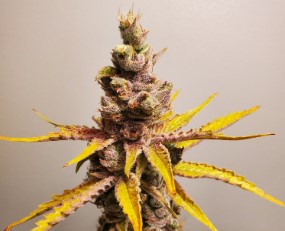
Together, Tangie and Clementine create a strain that remains mentally stimulating yet physically relaxing, making Ginger Ale an excellent strain for those seeking relief without the drowsiness or couch-lock often associated with heavily indica-dominant hybrids.
2. Cannabinoid Profile and Mechanisms of Action
Cannabinoids are the active compounds in cannabis responsible for the strain’s psychoactive and medicinal effects. Ginger Ale contains a moderate to high concentration of tetrahydrocannabinol (THC), typically ranging from 18% to 22%. THC is the primary psychoactive compound in cannabis, responsible for the “high” sensation experienced by users. In addition to THC, Ginger Ale contains other cannabinoids such as cannabidiol (CBD), though in much lower concentrations, typically under 1%.
THC (Δ9-THC)
The THC in Ginger Ale binds to cannabinoid receptors in the brain and nervous system, particularly the CB1 receptors found in the central nervous system. The interaction between THC and CB1 receptors leads to a variety of effects, most notably euphoria, altered perception, and cognitive enhancement. This is responsible for the energetic, uplifting qualities associated with the strain.
In addition to its effects on the brain, THC also binds to CB2 receptors, which are more abundant in peripheral tissues and immune cells. This interaction is responsible for some of the anti-inflammatory effects that contribute to Ginger Ale’s potential medical benefits, particularly for pain and inflammation.
CBD (Cannabidiol)
While present in small amounts, CBD also contributes to Ginger Ale’s overall effects. CBD has been shown to counteract some of the negative side effects of THC, such as paranoia or anxiety, by moderating the activation of the CB1 receptors. Moreover, CBD has its own therapeutic properties, including anxiolytic (anxiety-reducing), anti-inflammatory, and anti-seizure effects, though these properties are less pronounced in Ginger Ale due to the strain’s lower CBD content.
Minor Cannabinoids
Apart from THC and CBD, Ginger Ale may contain cannabigerol (CBG), cannabinol (CBN), and tetrahydrocannabivarin (THCV), all of which contribute to the nuanced effects of the strain. CBG is often referred to as the “stem cell” cannabinoid because it serves as the precursor to other cannabinoids. It has been shown to have antimicrobial and anti-inflammatory properties, which could enhance Ginger Ale’s medicinal benefits. THCV, which is more prominent in certain cannabis strains, is known to have appetite-suppressing and anti-anxiety effects.
3. Terpene Profile and Influence on Effects
Terpenes are aromatic compounds found in cannabis plants that contribute not only to the strain’s distinctive smell and flavor but also to its effects. The entourage effect is the name given to the relationship between terpenes and cannabinoids, where the combination of these compounds produces enhanced or modulated therapeutic effects.
Limonene
The most dominant terpene in Ginger Ale is limonene, contributing to its citrus aroma. Limonene is widely researched for its potential mood-enhancing properties, primarily due to its ability to help raise the brain’s levels of dopamine and serotonin. This helps explain the euphoric, uplifting effects often associated with Ginger Ale. Limonene also exhibits anti-inflammatory, antioxidant, and anti-anxiety properties, further enhancing the strain’s potential for stress relief and overall well-being.
Myrcene
Another significant terpene in Ginger Ale is myrcene, which imparts earthy, musky, and herbal notes. Myrcene is the most common terpene found in cannabis, and it is known for its sedative and anti-inflammatory effects. When present in higher concentrations, myrcene can induce a relaxing body high. In Ginger Ale, myrcene tempers the strain’s stimulating effects, providing a more balanced experience, as it relaxes the body without causing complete sedation.
Caryophyllene
The presence of caryophyllene, which is also found in black pepper, cloves, and cinnamon, gives Ginger Ale a spicy, peppery aroma. Caryophyllene is a unique terpene because it interacts directly with the body’s CB2 receptors, a key part of the endocannabinoid system that plays a role in immune response and inflammation. This interaction contributes to the strain’s anti-inflammatory and analgesic effects, making Ginger Ale beneficial for people looking to reduce inflammation or pain.
Pinene
Pinene, the terpene responsible for a piney, fresh scent, is also present in Ginger Ale. Pinene has been shown to have bronchodilator effects, which may help in opening up the airways. This makes it useful for individuals with asthma or other respiratory issues. Additionally, pinene is believed to enhance memory retention, which can help offset the memory-impairing effects of THC.
4. Therapeutic Uses of Ginger Ale
Mental Health Applications
The combination of limonene and myrcene provides Ginger Ale with its mood-enhancing and calming properties, which can be beneficial for individuals dealing with anxiety, stress, and depression. Limonene’s anxiolytic effects, coupled with the strain’s uplifting properties, make it an excellent choice for those seeking a mood boost during difficult times.
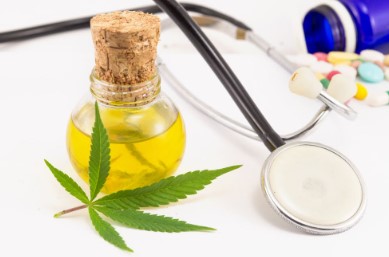
For individuals with generalized anxiety disorder (GAD) or those who experience occasional anxiety, Ginger Ale offers a way to relieve tension without the overwhelming sedation of some other strains. The balanced effects of the strain can promote relaxation while also avoiding excessive drowsiness, making it suitable for daytime use.
Pain and Inflammation
The anti-inflammatory effects of caryophyllene and myrcene, along with the analgesic properties of THC, make Ginger Ale a potent strain for managing chronic pain. For individuals suffering from conditions like arthritis, fibromyalgia, or muscle spasms, Ginger Ale provides mild pain relief while maintaining cognitive clarity.
Furthermore, the strain’s potential to increase blood circulation through the body, alongside the anti-inflammatory properties of its terpenes, can help alleviate the discomfort associated with these conditions.
Fatigue and Motivation
For patients with chronic conditions like chronic fatigue syndrome (CFS), Ginger Ale may help reduce feelings of fatigue while boosting motivation. The uplifting, cerebral effects of THC combined with the stimulating properties of limonene can promote alertness and focus, which may be beneficial for individuals who struggle to find energy throughout the day.
Appetite Stimulation
Although Ginger Ale is not typically considered an appetite-stimulating strain in the same way as others, its mild relaxation and euphoric effects may help those undergoing treatments such as chemotherapy. The calming, stress-relieving properties could help reduce nausea and encourage a healthy appetite.
5. Cultivation Considerations
Cultivating the Ginger Ale cannabis strain requires careful attention to environmental factors, genetic traits, and overall plant care. This strain is relatively easy to grow, but optimizing the cultivation process to ensure high yields and quality buds requires an understanding of its specific growth needs. Below, we dive into more scientific details about its cultivation methods, focusing on the factors that influence the plant’s growth cycle, health, and eventual harvest.
1. Genetics and Growth Habits
The Ginger Ale strain is a hybrid with sativa-dominant genetics, meaning it retains a variety of traits commonly associated with sativa plants. These include faster growth cycles and longer flowering periods, as well as the ability to adapt to various growing environments. However, due to its indica genetics, Ginger Ale exhibits a more compact structure compared to some other sativa-dominant strains, which helps reduce the risk of stretching and allows for a more manageable grow. This balanced genetic mix allows for medium to tall plants depending on the growing environment.
2. Optimal Growing Environment
Ginger Ale thrives under specific environmental conditions. While it can be grown in both indoor and outdoor settings, maintaining a controlled environment allows for greater consistency and yield optimization.
Indoor Growing Environment:
When growing Ginger Ale indoors, the environment should mimic the strain’s preferred conditions for optimal health and production. Indoor growers can benefit from the ability to control the temperature, humidity, and lighting, all of which can influence the growth cycle.
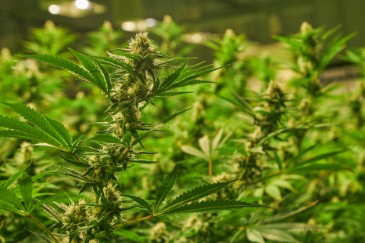
- Temperature: The optimal temperature range for Ginger Ale indoors is between 65°F and 80°F (18°C to 27°C). Temperatures exceeding this range can cause stress on the plant, leading to reduced growth and potential heat stress, which can manifest as leaf curl or discoloration. Temperatures below this range may slow down metabolism and cause stunted growth.
- Humidity: A humidity level of around 40% to 60% is ideal for indoor cultivation. High humidity (above 60%) can encourage mold growth and create an environment conducive to mildew, especially during the flowering phase. Conversely, too low humidity (below 40%) can lead to dryness, negatively affecting the plants’ ability to transpire and causing nutrient deficiencies.
- Light Cycles: Like most cannabis strains, Ginger Ale requires specific light cycles to trigger flowering. During the vegetative stage, 18-24 hours of light per day should be provided. Once the plant is ready to flower, a light cycle of 12 hours on/12 hours off will encourage the plant to enter the blooming phase. Many indoor growers opt for high-pressure sodium (HPS) or LED lights due to their high efficiency and ability to penetrate deep into the canopy.
- Ventilation: Proper airflow and ventilation are critical for preventing issues such as heat buildup and stagnant air, which can lead to issues with mold or mildew. Use of oscillating fans, carbon filters, and extraction fans can help maintain air circulation and improve the overall health of the plants.
Outdoor Growing Environment:
When cultivating Ginger Ale outdoors, the strain requires a warm, temperate climate with plenty of sunlight. Because Ginger Ale is relatively resistant to environmental stresses, it can tolerate a variety of climates, but certain conditions still maximize its growth.
- Climate: Ginger Ale thrives in regions with a Mediterranean climate, characterized by hot, dry summers and mild winters. This makes areas with ample sunlight and moderate rainfall ideal. The optimal growing season for Ginger Ale outdoors is typically from spring to fall, with harvesting occurring in late September to early October, depending on local climate conditions.
- Soil Type: Well-draining, slightly acidic to neutral soil (pH 6.0–7.0) is ideal. Ginger Ale benefits from rich, loamy soils with a healthy amount of organic matter to ensure proper nutrient absorption. Using compost or organic fertilizers can enhance soil fertility and promote healthy plant development. Adding perlite or vermiculite to the soil can further improve drainage and prevent root rot in areas with high rainfall or poor drainage.
- Watering: Outdoor plants need consistent watering, but overwatering can cause root rot. It is important to maintain a watering schedule that ensures the soil is moist but not waterlogged. Drip irrigation systems or soaker hoses can be helpful in maintaining consistent soil moisture.
- Sunlight: Ginger Ale requires full sun (at least 6-8 hours of direct sunlight per day) for optimal growth. Ensure the plants are positioned in an area that receives consistent sunlight during the growing season. Outdoor growers should monitor the plant’s exposure to sunlight and adjust their planting sites accordingly.
3. Growth Stages and Cultivation Timeline
Understanding the growth stages of Ginger Ale is crucial for providing appropriate care at each phase. The cultivation cycle typically spans several months, from seedling to harvest.
Seedling Phase:
- Duration: 2-3 weeks.
- Characteristics: During this phase, the plant focuses on developing its root system and establishing a healthy framework of leaves and branches. The seedling will remain small and fragile, requiring careful attention to light, temperature, and humidity levels.
- Light: Young plants should be exposed to 18-24 hours of light per day. Avoid placing seedlings too close to strong lights, as they can become stressed by the intensity.
- Watering and Feeding: Seedlings should be watered with a light hand, as overwatering can lead to rot. Nutrients are generally not needed during this stage.
Vegetative Phase:
- Duration: 4-6 weeks.
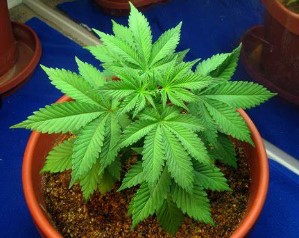
- Characteristics: The plant enters its vegetative growth phase, where it focuses on branching and foliage development. This is when the plant’s structure begins to fill out, creating a stronger framework that will later support its flowers. During this phase, Ginger Ale can develop robust lateral branching, creating a bushy appearance.
- Light: 18-24 hours of light per day are needed. Increasing light intensity can help the plant grow quickly and reach the desired size for flowering.
- Watering and Feeding: During the vegetative phase, the plant requires higher nutrient levels, particularly nitrogen, which supports leaf and stem growth. Regular feedings of balanced fertilizers should be used.
Flowering Phase:
- Duration: 8-10 weeks.
- Characteristics: After about 4-6 weeks of vegetative growth, the plant will transition into its flowering phase. During this stage, Ginger Ale’s genetics will begin to show, as the plant will develop its characteristic dense, frosty buds. Flowering requires a shift to 12/12 light cycle to induce the production of flowers.
- Light: The plant requires 12 hours of light and 12 hours of darkness each day. Light cycles should be strictly controlled to avoid stress and light leakage, which can cause flowering delays or hermaphroditic tendencies.
- Watering and Feeding: The plant requires additional phosphorus and potassium during flowering to support bud production and overall growth. Watering should be more focused on the roots, with increased care taken to avoid any moisture buildup on the buds, which could lead to mold or mildew.
Harvesting:
- Timing: Ginger Ale’s flowering cycle lasts around 8-10 weeks, depending on environmental conditions. Harvesting should occur when the trichomes on the buds have reached their optimal maturity, often indicated by cloudy or amber trichomes.
- Method: Harvesting involves carefully cutting the mature buds from the plant, followed by drying and curing to preserve their potency, aroma, and flavor. Drying should take place in a cool, dark, and well-ventilated area, while curing requires storing the buds in airtight containers for a period of 1-2 weeks to allow them to cure properly.
4. Pruning and Training Techniques
To optimize yields and ensure an even canopy, pruning and training are crucial. These techniques help maximize light penetration to the lower branches and promote more robust bud growth.
- Low-Stress Training (LST): This technique involves gently bending the plant’s branches to expose lower bud sites to more light. It encourages lateral growth and can help prevent the plant from becoming too tall and difficult to manage.
- Topping: Topping involves cutting the top of the plant to encourage the growth of multiple main colas (branches). This promotes a bushier plant structure and can significantly increase the yield in both indoor and outdoor environments.
- Defoliation: In some cases, carefully removing some leaves that block light from reaching lower bud sites can improve airflow and light penetration, leading to better overall plant health and higher yields.
5. Common Pests and Plant Health
Like all cannabis plants, Ginger Ale is susceptible to pests and diseases, particularly during the flowering phase. Common pests that affect cannabis include spider mites, aphids, whiteflies, and fungus gnats. Regular inspection of the plant and maintaining cleanliness in the grow area can help prevent these pests. If pests are detected, natural remedies like neem oil or insecticidal soap can be used.
Additionally, fungal diseases such as powdery mildew or botrytis (bud rot) can pose a significant threat to Ginger Ale, particularly when humidity levels are high. Maintaining proper airflow, humidity, and temperature control can prevent the onset of such diseases.
For a complete directory of cultivars, visit our Cannabis Strain Reviews.
