Table of Contents
Gigabud is a hybrid cannabis strain that has gained popularity due to its potent effects and unique characteristics. This strain is a cross between the infamous Big Bud and Northern Lights strains, which are both known for their high yield, relaxing effects, and distinct aroma. Gigabud inherits these traits and has become a favorite for both recreational and medicinal users. Its strong body high and soothing effects make it particularly attractive to those seeking relief from various medical conditions.
This guide will explore the Gigabud cannabis strain in detail, focusing on its background, appearance, aroma, flavor, effects, medical benefits, and scientific research related to its composition.
1. Origin and Genetics
Gigabud is a hybrid strain created by crossing Big Bud with Northern Lights. Both parent strains have a storied history in cannabis cultivation and are known for their heavy yields, high potency, and relaxing effects.
- Big Bud: Originally bred in the 1980s, Big Bud is known for its incredibly large and dense buds, as well as its potent effects. It is an indica-dominant strain (75% indica and 25% sativa) that has been bred to deliver a heavy body high and relaxing effects.
- Northern Lights: One of the most famous and widely-used indica strains in the world, Northern Lights is renowned for its calming effects, pleasant aroma, and resilience in various growing environments. It is typically 90% indica and 10% sativa, making it highly sedative and ideal for nighttime use.
By combining these two powerhouses, Gigabud offers a unique blend of both indica and sativa effects, although it is typically considered to be an indica-dominant hybrid.
2. Appearance
Gigabud plants are typically medium to large-sized, and they inherit the characteristic traits of its parent strains, especially Big Bud. The plants grow dense and robust with large, chunky buds that can be both visually stunning and heavy in weight. These buds are covered in a thick layer of trichomes, which give them a frosty appearance.
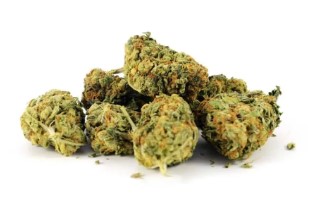
- Bud Structure: The buds of Gigabud are often large and round, resembling the size and shape of the Big Bud strain. They are dense, heavy, and have a noticeable stickiness due to the resin content.
- Color: The buds are typically a vibrant green, though they can sometimes show hints of purple or blue when exposed to colder temperatures during growth. The hairs (or pistils) are generally orange or reddish-brown, and the overall appearance of the buds is visually striking.
- Trichomes: Gigabud is known for its high resin content, with the trichomes covering the buds and giving them a sticky texture. The trichomes are responsible for producing the cannabinoids and terpenes that give the strain its effects and aroma.
3. Aroma and Flavor Profile
One of the most notable features of Gigabud is its pungent, earthy aroma. The scent is often described as skunky, spicy, and slightly sweet with hints of pine and citrus. This complex fragrance is a signature trait of the strain and can be very strong, especially when the buds are broken apart or when smoked.

- Aroma: The initial aroma is earthy and musky, with a touch of sweetness. There is also a noticeable pungency reminiscent of skunk or diesel, which makes the scent quite bold and distinct. As the buds are ground, the aroma may develop into a spicier, herbal fragrance, akin to a mix of pine and fresh earth.
- Flavor: The flavor profile of Gigabud is similar to its aroma. Upon smoking or vaporizing, users may experience an earthy and herbal flavor with spicy undertones. A sweet, slightly fruity aftertaste can linger on the palate, adding depth to the flavor experience. The combination of pungent and sweet notes makes for a very satisfying and flavorful smoking experience.
4. Effects
Gigabud is known for its powerful effects, which combine the best qualities of its parent strains. It is primarily an indica-dominant hybrid, making it most suitable for evening or nighttime use, though some users may prefer it for daytime relaxation as well.
Recreational Effects
- Relaxation and Euphoria: Gigabud provides a strong sense of relaxation and mental euphoria. The initial effects are typically uplifting, with users reporting an enhanced mood and sense of happiness. As the high progresses, it transitions into a deeply relaxing body high that can leave users feeling couch-locked and sedated.
- Body High: The body high of Gigabud is one of its defining features. It is heavily sedative, making it ideal for unwinding after a long day or for use before sleep. Users report a calming, soothing sensation throughout their muscles, helping to relieve tension and stress.
- Cerebral Effects: Although Gigabud is primarily indica-dominant, it can offer mild cerebral effects that enhance creativity and focus in some users. However, these effects are generally more subtle compared to its strong physical relaxation.
Medical Effects
Gigabud is also highly valued in the medical cannabis community due to its therapeutic effects. It has been found to provide relief for a variety of physical and mental health conditions.

- Pain Relief: One of the primary reasons medical users turn to Gigabud is for its potent analgesic properties. The strain’s heavy body high makes it effective for managing chronic pain, muscle spasms, and arthritis. The soothing effects help to relax tense muscles and reduce discomfort.
- Stress and Anxiety: Gigabud is excellent for treating anxiety and stress-related disorders. The calming and sedative effects help to promote mental relaxation, easing symptoms of anxiety, restlessness, and nervousness. Users report feeling more at ease and peaceful after using Gigabud.
- Insomnia: Due to its relaxing properties, Gigabud is a popular choice for those who suffer from insomnia or other sleep-related issues. Its deeply sedating effects make it ideal for helping users fall asleep faster and stay asleep longer. It is especially beneficial for those who struggle with falling asleep due to stress or physical discomfort.
- Appetite Stimulation: Like many indica strains, Gigabud can stimulate appetite, making it a helpful option for those who experience a lack of appetite due to medical conditions like cancer, HIV/AIDS, or eating disorders.
5. Cannabinoid Profile and Terpene Composition
Gigabud’s effects are largely driven by its cannabinoid and terpene profile. The strain typically contains high levels of THC, with most samples ranging from 18% to 24% THC content. The CBD content is relatively low, usually below 1%, which makes it more suited for users seeking the potent effects of THC rather than the therapeutic properties of CBD.
THC Content
- Average THC: 18% – 24%
- CBD Content: Below 1%
This high THC content contributes to the powerful euphoric and sedative effects that Gigabud provides. The strain’s potency can be overwhelming for novice users, so it is recommended to consume it in moderation.
Terpenes
The terpene profile of Gigabud is diverse and contributes to its complex aroma and effects. Some of the most prominent terpenes in Gigabud include:
- Myrcene: This is the most common terpene found in Gigabud, and it is known for its relaxing and sedative effects. Myrcene is responsible for the strain’s earthy, herbal, and musky aroma.
- Limonene: This terpene gives Gigabud its slight citrusy aroma and is associated with mood enhancement and stress relief.
- Caryophyllene: Known for its spicy, peppery scent, caryophyllene provides anti-inflammatory benefits and helps with pain relief. It also has the unique ability to bind to CB2 receptors in the body, this suggests that it could be used to treat ailments like arthritis.
- Pinene: Present in smaller amounts, pinene gives the strain its piney aroma and is thought to have anti-inflammatory properties and promote alertness.
Cultivating Gigabud
Cultivating the Gigabud cannabis strain involves understanding both the genetic traits of the plant and the best agricultural techniques that maximize its yield and potency. Gigabud is a hybrid, predominantly indica, and has traits inherited from both Big Bud and Northern Lights. These traits influence its cultivation methods, which require knowledge of environmental control, plant care, and understanding the strain’s response to certain cultivation techniques. Below, we will go deeper into the scientific aspects of cultivating Gigabud, breaking down key elements such as ideal growing conditions, techniques for maximizing yield, and the environmental factors that influence growth.
1. Genetic Influence on Cultivation
The genetic background of Gigabud plays a significant role in its cultivation. By inheriting its traits from Big Bud and Northern Lights, Gigabud shares both the benefits and challenges of these parent strains.
- Big Bud Influence: Known for producing massive, dense buds, Big Bud contributes to Gigabud’s characteristic of large, resin-coated flowers. As a result, Gigabud is a heavy producer, and its dense buds require a balanced growing environment to prevent mold and mildew, which can be exacerbated by high humidity or inadequate airflow.
- Northern Lights Influence: Northern Lights’ robust genetics contribute to Gigabud’s resilience, particularly in colder climates. Its resistance to pests, diseases, and environmental stressors makes it easier to grow in diverse conditions.
2. Optimal Growing Conditions
Gigabud thrives in controlled, stable environments. While it can be grown both indoors and outdoors, each cultivation method requires specific conditions for optimal growth.
Indoor Cultivation
Indoor cultivation allows for precise control over the environment, ensuring optimal conditions for growth, flowering, and harvest. The following factors are essential for growing Gigabud indoors:
- Temperature: Ideal temperatures for Gigabud range from 20°C to 28°C (68°F to 82°F) during the vegetative stage. During the flowering stage, temperatures should be slightly cooler, between 18°C to 26°C (64°F to 79°F), to prevent stress on the plant and to maintain resin production.
- Humidity: Maintaining proper humidity is critical for Gigabud cultivation. In the vegetative stage, a humidity level of around 60-70% is optimal. As the plant enters the flowering stage, humidity should be reduced to 40-50% to prevent mold and bud rot, especially given the dense nature of the buds.
- Lighting: Cannabis plants need plenty of light for photosynthesis, but the intensity and timing of the light changes during the growth cycle. During the vegetative phase, plants need 18 hours of light per day, while in the flowering phase, they need 12 hours of light and 12 hours of complete darkness to trigger the blooming process.
- CO2 Supplementation: Increasing CO2 levels can enhance growth and improve bud development. Gigabud, due to its hybrid nature, responds well to higher CO2 levels, as long as the other environmental factors (light, temperature, humidity) are maintained properly.
Outdoor Cultivation
Growing Gigabud outdoors takes advantage of natural sunlight, and if done in a suitable climate, it can result in higher yields than indoor cultivation. However, there are more variables to consider.
- Climate: Gigabud can tolerate outdoor growth in temperate climates with warm summers. The strain prefers temperatures between 22°C and 30°C (72°F to 86°F) during the day. However, it is also capable of surviving colder nights, thanks to the influence of its Northern Lights genetics.
- Light Cycle: Outdoor cultivation benefits from the natural light cycle, and Gigabud will flower in response to the decreasing daylight hours in late summer and early fall. Gigabud typically flowers outdoors from late August to early October, depending on the region.
- Soil and Watering: Gigabud prefers well-draining, nutrient-rich soil. Loamy soil is ideal for root growth and maintaining a pH between 6.0 and 7.0 is necessary for proper nutrient uptake. Avoid overwatering since it can cause root rot, which can be more common in outdoor cultivation when rainfall is inconsistent.
3. Cultivation Techniques for Maximizing Yield
The Gigabud cannabis strain can yield substantial harvests if proper cultivation techniques are used. Here are some methods that have been scientifically proven to maximize yield, potency, and overall plant health:
Training Techniques
Training techniques are methods used to manipulate the plant’s growth patterns to maximize light penetration and airflow, ultimately increasing yield.
- Low-Stress Training (LST): LST involves gently bending and tying down branches to promote horizontal growth. This technique ensures that the plant remains short and bushy, allowing for better light distribution across all parts of the plant and preventing the overshadowing of lower buds.
- Screen of Green (SCROG): This technique uses a mesh or screen to spread the plant’s branches out horizontally. The idea is to create an even canopy where all the branches receive equal light. SCROG works well for Gigabud because it helps to maintain uniformity in bud size and maximizes light exposure to all parts of the plant.
- Topping: Topping involves cutting off the main stem of the plant to encourage the growth of multiple main colas (branches that produce buds). This technique can result in a more bushy plant, which helps increase the overall yield by creating more flower sites. However, topping should be done carefully during the early vegetative stage to avoid stressing the plant.
Nutrient Management
Gigabud, like all cannabis strains, requires a balanced supply of nutrients to grow effectively. Understanding the plant’s needs during each phase of growth is critical to maintaining healthy plants.
- Vegetative Stage: During this stage, Gigabud needs higher levels of nitrogen (N) to support healthy leaf and stem growth. Nitrogen aids in chlorophyll production, which is essential for photosynthesis. Phosphorus (P) and potassium (K) are also important but should be provided in lower quantities at this stage.
- Flowering Stage: As the plant enters the flowering phase, its nutrient requirements change. Gigabud will need increased levels of phosphorus (P) and potassium (K) to support bud development and resin production. At the same time, nitrogen levels should be reduced to prevent excessive leafy growth and to promote flower formation.
Pest and Disease Management
Although Gigabud is relatively resistant to pests and diseases, it is still vulnerable to common cannabis threats. Scientific pest control methods that are both effective and safe for the plant should be employed.
- Integrated Pest Management (IPM): IPM involves using a combination of biological, physical, and chemical methods to control pests. Introducing beneficial insects such as ladybugs or predatory mites can naturally reduce pest populations. Neem oil and insecticidal soaps can be used for treating infestations.
- Fungal Issues: Due to the dense nature of Gigabud’s buds, the strain is prone to fungal infections like powdery mildew or bud rot, especially when grown in high humidity. Preventive measures, such as maintaining proper humidity levels and using antifungal sprays, can mitigate these risks.
4. Harvesting and Curing
Harvest Timing
The timing of the harvest is critical to the overall quality of Gigabud’s buds. Gigabud’s flowering time typically ranges from 7 to 9 weeks, depending on growing conditions. The plant is ready for harvest when the trichomes (tiny resin glands on the buds) turn from clear to a milky white color, with some amber-colored trichomes for a more potent effect.
- Trichome Observation: Trichomes are key indicators of THC and cannabinoid potency. Using a magnifying tool, growers can observe the trichomes to determine the right time to harvest.
- Flushing: Flushing involves watering the plants with pure water during the final weeks of flowering to remove excess nutrients from the soil. This technique helps improve the taste and smoothness of the final product.
Curing Process
Curing is the process of drying and aging the buds to enhance flavor, aroma, and potency. Proper curing involves hanging the buds in a dark, dry environment with temperatures around 18°C to 21°C (65°F to 70°F) and humidity levels around 50-60%.
- Burping: After the buds are placed in jars for curing, the jars should be opened (a process known as “burping”) for a few minutes each day during the first week. This allows excess moisture to escape and prevents mold from forming.
7. Conclusion
Gigabud is a potent, indica-dominant hybrid strain that offers a wide range of benefits for both recreational and medicinal users. With its relaxing body high, euphoric effects, and ability to relieve pain, anxiety, and insomnia, it is a valuable choice for those seeking therapeutic relief. Additionally, the strain’s rich aroma and flavorful profile make it a favorite among cannabis connoisseurs. Whether you’re a seasoned smoker or a first-time user, Gigabud provides a unique and powerful experience that’s sure to leave a lasting impression.
For a complete directory of cultivars, visit our Cannabis Strain Reviews.
