Table of Contents
Gatekeeper OG is a sought-after cannabis strain celebrated for its balanced effects and distinct profile. This hybrid strain combines the best attributes of its parent strains to offer a versatile experience suitable for both medical and recreational users. Known for its robust terpene profile, moderate-to-high THC levels, and complex flavor profile, Gatekeeper OG is a popular choice among cannabis enthusiasts and medical patients alike.
Genetics and Origins
Gatekeeper OG is a balanced hybrid strain, typically presenting a 50:50 ratio of indica to sativa. It is a cross between the legendary OG Kush and a carefully selected phenotype of Afghani. This genetic lineage provides Gatekeeper OG with the best traits of its parents, combining the cerebral stimulation of sativa strains with the calming and relaxing effects of indica.
Appearance
The buds of Gatekeeper OG are dense and resinous, featuring a forest green color with hues of purple and orange pistils. Its frosty trichome coating gives it a sparkling appearance, indicative of its potency and high-quality genetics.
Aroma and Flavor Profile
Gatekeeper OG has a complex and enticing aroma that blends earthy, piney, and citrusy notes with subtle hints of spice and sweetness. When smoked or vaporized, users report a flavor profile that mirrors its aroma, featuring layers of lemon, wood, and herbal undertones with a smooth finish.
Cannabinoid and Terpene Profile
Cannabinoid Content
- THC Levels: Typically ranges between 18% and 24%, making it moderately potent and suitable for users with varying tolerances.
- CBD Levels: Usually below 1%, offering minimal non-psychoactive effects but allowing the THC to dominate the experience.
- CBG and Other Cannabinoids: Trace amounts of cannabigerol (CBG) and other minor cannabinoids contribute to the entourage effect.
Terpenes
- Myrcene: Offers earthy and musky notes while enhancing relaxation.
- Limonene: Adds citrusy brightness and may elevate mood.
- Caryophyllene: Contributes spicy and peppery notes with potential anti-inflammatory effects.
- Pinene: Enhances focus and provides a fresh, pine-like aroma.
- Humulene: May suppress appetite and add woody undertones.
Effects and Benefits
Recreational Uses
Gatekeeper OG provides a balanced high that caters to both sativa and indica enthusiasts.
- Cerebral Stimulation: Users often report an initial uplift in mood, enhanced creativity, and mental clarity, making it appropriate for artistic pursuits or social events.
- Physical Relaxation: As the high progresses, the indica traits become more pronounced, offering deep physical relaxation without leading to couch-lock.
- Versatile Usage: Ideal for day or evening use, depending on dosage. Lower doses lean towards an energizing effect, while higher doses enhance relaxation.
Medical Applications
Gatekeeper OG is popular among medical cannabis patients for its multifaceted therapeutic potential. Key medical uses include:

- Pain Management: The strain’s high THC content and caryophyllene terpene work synergistically to provide relief from muscular spasms, migraines, and persistent discomfort.
- Anxiety and Stress Relief: The balanced effects of Gatekeeper OG make it effective for reducing anxiety and stress without inducing paranoia, especially in moderate doses.
- Insomnia: Its indica properties help users unwind, promoting restful sleep when consumed in the evening.
- Appetite Stimulation: Gatekeeper OG can be beneficial for individuals experiencing appetite loss due to medical conditions or treatments like chemotherapy.
- Mood Disorders: The uplifting effects of limonene and THC may alleviate symptoms of depression and mood swings.
Scientific Insights and Studies
Cannabinoid-Terpene Synergy
The combination of THC, myrcene, and caryophyllene in Gatekeeper OG is believed to enhance its pain-relieving and anti-inflammatory properties. Research suggests that terpenes like myrcene may increase the permeability of cell membranes, allowing cannabinoids to interact more effectively with the body’s endocannabinoid system (ECS).
Role of the ECS
Gatekeeper OG interacts with the ECS by activating CB1 receptors in the brain (via THC), leading to psychoactive effects and mood enhancement. Its minor cannabinoids and terpenes may also modulate CB2 receptors, contributing to anti-inflammatory and analgesic effects.
Consumption Methods
Gatekeeper OG is versatile in its methods of consumption, catering to different user preferences:
- Smoking: Provides rapid onset of effects, making it ideal for immediate relief or recreational use.
- Vaporization: Preserves the terpene profile while offering a smoother experience with less respiratory irritation.
- Edibles: Suitable for long-lasting effects, though onset is delayed (30-90 minutes).
- Tinctures and Oils: Permit discreet ingestion and accurate dosage.
- Topicals: May be used for localized relief of pain and inflammation.
Potential Side Effects
As with any cannabis strain, Gatekeeper OG may cause side effects, especially when consumed in high doses:
- Dry Mouth and Eyes: Common and easily mitigated with hydration and eye drops.
- Dizziness or Lightheadedness: May occur in novice users or those with low tolerance.
- Paranoia or Anxiety: Rare but possible, particularly at higher doses.
- Increased Appetite: Can lead to overeating, also known as the “munchies.”
Gatekeeper OG Cultivation
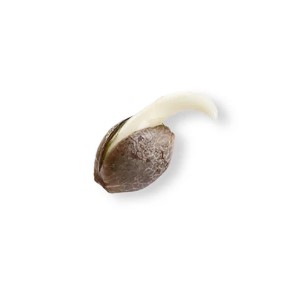
Gatekeeper OG is a moderately challenging strain to grow, and optimizing its cultivation requires an understanding of its genetic needs, environmental preferences, and nutrient requirements. Below is a detailed exploration of its cultivation science:
Environmental Conditions
- Temperature and Humidity:
- Vegetative Stage: Gatekeeper OG thrives in a warm temperature range of 70-85°F (21-29°C). During this stage, higher humidity levels (60%-70%) are beneficial to promote leaf and stem growth.
- Flowering Stage: Lower humidity (40%-50%) is critical to avoid mold and mildew, which can damage the dense, resinous buds typical of Gatekeeper OG.
- Air Circulation:
- Proper airflow reduces the risk of mold and helps maintain a stable environment. Oscillating fans and proper exhaust systems are crucial for indoor growth.
Lighting
- Light Spectrum:
- During the vegetative stage, blue-dominant light spectra (400-500nm) encourage robust growth.
- The flowering stage benefits from red-dominant light spectra (600-700nm), promoting bud development and resin production.
- Light Intensity:
- Gatekeeper OG responds well to high-intensity lighting such as LEDs or HPS lights (High-Pressure Sodium). For indoor cultivation, a minimum of 600-1000 watts per square meter is ideal.
- Maintain a light cycle of 18/6 (light/dark hours) during vegetation and switch to 12/12 during flowering to trigger bud production.
Nutrient Requirements
- Macronutrients:
- Nitrogen (N): Essential during the vegetative phase for foliage and overall plant growth.
- Phosphorus (P): Boosts root and bud development, particularly important during flowering.
- Potassium (K): Supports overall plant health, nutrient transport, and flower density.
- Micronutrients:
- Calcium, Magnesium, Iron, and Zinc: Required in trace amounts to ensure photosynthesis efficiency and prevent deficiencies such as chlorosis.
- pH Levels:
- Optimal pH ranges are:
- Soil Cultivation: 6.0-7.0
- Hydroponics: 5.5-6.5
- Regular pH testing and correction prevent nutrient lockout.
- Optimal pH ranges are:
Growing Mediums
- Soil:
- Rich, organic soil with excellent drainage is preferred. Amending soil with compost or worm castings provides a natural nutrient boost.
- Hydroponics:
- Hydroponic systems allow for precise control over nutrient delivery and faster growth cycles. Systems such as Deep Water Culture (DWC) or drip irrigation work well with Gatekeeper OG.
- Coco Coir:
- Provides a balance between soil and hydroponics. Its ability to retain water and oxygen improves root health and nutrient uptake.
Training Techniques
- Topping and Fimming:
- Promotes lateral growth, increasing bud sites and overall yield.
- Low-Stress Training (LST):
- Bending and tying branches ensure better light penetration and airflow throughout the canopy.
- Screen of Green (ScrOG):
- Maximizes yield by training plants to grow horizontally across a net or screen.
- Defoliation:
- Removing excess fan leaves improves airflow and light penetration, especially during flowering.
Pest and Disease Management
- Common Pests:
- Spider mites, aphids, and fungus gnats are typical threats. Organic solutions like neem oil, insecticidal soaps, or beneficial insects (e.g., ladybugs) help manage infestations.
- Fungal and Mold Prevention:
- Powdery mildew and bud rot are risks due to the dense structure of Gatekeeper OG buds. Maintain low humidity, adequate airflow, and avoid overwatering.
Harvesting and Post-Harvest Processing
- Harvest Timing:
- Monitor trichomes under a magnifier. Harvest when trichomes transition from clear to milky, with some amber hues, to achieve optimal potency and flavor.
- Drying:
- Hang trimmed buds in a dark room with 50%-60% humidity and temperatures around 60-70°F (15-21°C) for 7-10 days.
- Curing:
- Store dried buds in airtight jars, burping them daily for the first 1-2 weeks. This process enhances flavor, aroma, and potency.
Methods of Ingestion
1. Inhalation

- Smoking:
- Description: Involves combusting the dried flower using a joint, pipe, or bong.
- Onset: 1-5 minutes.
- Duration: 1-3 hours.
- Bioavailability: 20-30% (due to some THC loss during combustion).
- Advantages: Rapid onset makes it ideal for acute relief (e.g., pain, anxiety).
- Disadvantages: May irritate the respiratory tract due to tar and other byproducts of combustion.
- Vaporization:
- Description: Heats the flower or concentrate to a temperature that releases cannabinoids and terpenes as vapor without combustion.
- Onset: 1-5 minutes.
- Duration: 1-3 hours.
- Bioavailability: 40-60% (higher than smoking due to reduced cannabinoid degradation).
- Advantages: Produces smoother inhalation, preserves terpenes, and reduces respiratory irritation.
- Disadvantages: Requires specialized equipment.
2. Oral Consumption
- Edibles:
- Description: Involves incorporating Gatekeeper OG into food or beverages, typically in oil, butter, or infused forms.
- Onset: 30-90 minutes (due to digestion and liver metabolism).
- Duration: 6-8 hours (effects peak after 2-3 hours).
- Bioavailability: 4-20% (low due to first-pass metabolism).
- Advantages: Provides prolonged effects, ideal for conditions requiring extended relief, such as chronic pain or insomnia.
- Disadvantages: Delayed onset can make dosing challenging. Overconsumption is common due to misjudged initial effects.
- Capsules and Tablets:
- Description: Encapsulated THC/CBD oils derived from Gatekeeper OG.
- Onset: 30-60 minutes.
- Duration: 6-8 hours.
- Bioavailability: 4-20%.
- Advantages: Discreet and precise dosing.
- Disadvantages: Similar delayed onset as edibles.
3. Sublingual Administration
- Tinctures and Oils:
- Description: Administered under the tongue, allowing absorption through the mucous membranes.
- Onset: 15-30 minutes.
- Duration: 4-6 hours.
- Bioavailability: 20-35% (bypasses first-pass metabolism).
- Advantages: Faster onset than edibles, precise dosing, and discreet usage.
- Disadvantages: May cause mild irritation or an unpleasant taste.
4. Topical Application
- Creams, Balms, and Transdermal Patches:
- Description: Infused with cannabinoids and applied to the skin for localized effects.
- Onset: 15-60 minutes.
- Duration: 2-4 hours (topicals), 8-12 hours (transdermal patches).
- Bioavailability: Variable; transdermal patches can provide systemic effects.
- Advantages: Non-intoxicating for localized pain or inflammation relief.
- Disadvantages: Limited to surface-level conditions unless using transdermal formulations.
5. Dabbing (Concentrates)
- Description: Involves vaporizing highly concentrated THC extracts derived from Gatekeeper OG.
- Onset: Immediate (within 1-3 minutes).
- Duration: 2-4 hours.
- Bioavailability: 50-80% (very efficient due to direct vaporization).
- Advantages: Delivers high potency and rapid effects, suitable for experienced users or acute symptom relief.
- Disadvantages: High THC levels may overwhelm novice users; requires specialized equipment (dab rigs).
Onset and Duration by Route
Key Factors Influencing Onset and Duration
- Absorption Pathway:
- Inhalation and sublingual methods bypass first-pass metabolism, resulting in faster onset.
- Oral methods are slower due to gastrointestinal absorption and liver processing.
- Cannabinoid Composition:
- THC contributes to rapid psychoactive effects, while CBD can modulate the intensity and prolong therapeutic effects.
- Metabolism and Tolerance:
- Individual factors such as metabolism, body weight, and cannabis tolerance influence how quickly and intensely effects are felt.
| Method | Onset Time | Peak Effects | Duration | Use Cases |
|---|---|---|---|---|
| Smoking | 1-5 minutes | 10-30 minutes | 1-3 hours | Quick relief for pain, stress, or mood elevation. |
| Vaporization | 1-5 minutes | 10-30 minutes | 1-3 hours | Smooth experience for fast symptom control. |
| Edibles | 30-90 minutes | 2-3 hours | 6-8 hours | Prolonged relief for chronic pain or insomnia. |
| Tinctures | 15-30 minutes | 1-2 hours | 4-6 hours | Intermediate duration for balanced effects. |
| Topicals | 15-60 minutes | Varies (localized) | 2-4 hours | Localized pain and inflammation relief. |
| Dabbing | 1-3 minutes | 5-20 minutes | 2-4 hours | Intense effects for severe symptoms or high tolerance. |
Scientific Context of Bioavailability
- Smoking and Vaping: Deliver cannabinoids directly to the bloodstream via alveoli in the lungs, resulting in high bioavailability.
- Edibles and Oral Forms: Undergo first-pass metabolism in the liver, converting delta-9-THC to 11-hydroxy-THC, which is more potent and longer-lasting but reduces bioavailability.
- Sublingual and Transdermal Methods: Avoid first-pass metabolism, resulting in faster absorption and greater cannabinoid retention in the bloodstream.
Recommendations for Optimal Use
- Microdosing:
- Start with a low dose, especially for edibles and dabbing, to gauge tolerance and prevent overconsumption.
- Hydration:
- Stay hydrated to mitigate common side effects like dry mouth or dizziness.
- Timing:
- Choose ingestion methods based on the desired duration and immediacy of effects (e.g., inhalation for acute relief, edibles for sustained effects).
- Quality Control:
- Use lab-tested products to ensure consistent cannabinoid content and purity.
Comparison with Similar Strains
Gatekeeper OG shares similarities with other hybrid strains but stands out due to its unique effects and flavor profile. Comparable strains include:
- OG Kush: Known for its potency and relaxing effects, OG Kush is a parent strain of Gatekeeper OG and offers a more indica-dominant experience.
- Blue Dream: Another balanced hybrid, Blue Dream provides similar uplifting and relaxing effects but features a sweeter berry flavor.
- Gorilla Glue (GG4): Renowned for its intense relaxation and high THC levels, GG4 leans more heavily on the indica side compared to Gatekeeper OG.
Community and Cultural Impact
Gatekeeper OG has garnered a loyal following in the cannabis community due to its versatility and balanced effects. It is often highlighted in cannabis competitions and praised by connoisseurs for its well-rounded profile. Additionally, its use in creating concentrates and edibles has made it a favorite among producers and consumers alike.
Conclusion
Gatekeeper OG is a hybrid strain that offers a harmonious blend of mental stimulation and physical relaxation, making it suitable for a wide range of users. Its balanced cannabinoid and terpene profile supports various medical applications, including pain relief, stress reduction, and appetite stimulation. For recreational users, its versatile effects make it ideal for both social and solo activities. With moderate growing requirements and a robust yield potential, Gatekeeper OG remains a staple in the cannabis world, appealing to cultivators, patients, and enthusiasts alike.
For a complete directory of cultivars, visit our Cannabis Strain Reviews.
