Table of Contents
Genetics and Origin of Garlic Bud
Garlic Bud is a hybrid strain with a combination of 70% Indica and 30% Sativa genetics, making it primarily Indica-dominant. The exact origins of Garlic Bud are tied to its parent strains: Girl Scout Cookies and Chemdawg. These parent strains are both highly renowned in the cannabis world, and their genetics have contributed to the creation of this potent and flavorful hybrid.
- Girl Scout Cookies (GSC) is a cross of OG Kush and Durban Poison, offering a balanced hybrid experience. It is known for its euphoric and relaxing effects, combined with a sweet, earthy flavor profile.
- Chemdawg, on the other hand, is a popular strain in the cannabis community due to its pungent diesel-like aroma and potent effects. It is often used to create many other famous hybrid strains.
By combining these two strains, Garlic Bud inherits a strong and pungent aroma, a potent THC profile, and an overall balanced experience that can be both relaxing and euphoric.
Appearance of Garlic Bud
The Garlic Bud strain is visually striking. It has dense, compact buds that are typically coated in a thick layer of trichomes that give it a frosty appearance. These trichomes are rich in THC, contributing to the strain’s potency.
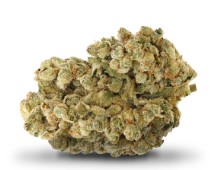
- Color: The buds of Garlic Bud are often deep green with hints of purple, especially when grown under cooler conditions. This coloration is a result of anthocyanin pigments that develop in response to environmental stressors.
- Shape: The buds tend to be tight and dense, with a chunky, irregular shape.
- Hair: The buds are covered in fiery orange or yellow pistils, which help make the strain visually appealing.
Aroma and Flavor Profile
The most striking feature of Garlic Bud is its aroma. As the name suggests, the scent has a prominent garlic undertone, but it is balanced with a rich earthy and diesel-like odor, a nod to its Chemdawg genetics. The aroma is pungent and can easily fill a room, making it better suited for those who are accustomed to strong-smelling cannabis.
- Garlic: The garlic smell is unmistakable, though it is not overpowering. It’s the defining characteristic of this strain, giving it a savory, spicy aroma.
- Earthy: Along with the garlic, there is a deep, earthy scent that is similar to freshly tilled soil.
- Diesel and Chem: A strong, diesel-like odor comes from the Chemdawg parentage, adding a sharp, chemical undertone to the overall aroma.
- Sweetness: The flavor is mildly sweet, with a bit of a skunky taste that complements the earthy and garlicky elements.
THC and CBD Content
Garlic Bud is a THC-heavy strain, typically testing between 18% and 26% THC, making it a potent choice for seasoned cannabis consumers. The strain is less known for its CBD content, which tends to be lower, usually below 1%. While Garlic Bud’s CBD content might not be high, its THC concentration is significant, contributing to both its medicinal and recreational uses.
Recreational Uses and Effects
Garlic Bud provides a well-rounded and dynamic experience for recreational users. The strain is famous for offering a strong combination of relaxing and uplifting effects, making it suitable for both day and evening use, depending on tolerance and desired outcomes.
- Initial Euphoria: Garlic Bud hits fast, inducing a wave of euphoria and mental clarity that is commonly associated with Sativa-dominant strains. Users report an uplifted mood and heightened sensory perception. It’s great for socializing or creative endeavors.
- Relaxation: After the initial mental buzz, the strain quickly shifts toward its Indica effects. A deep sense of relaxation takes over, calming both the mind and the body. This makes Garlic Bud ideal for winding down after a long day.
- Physical Effects: The body high can be sedating, relaxing muscles and easing tension, but it’s not so heavy as to induce couch-lock for most users. It can also stimulate appetite, making it useful for those needing to increase food intake.
- Creative and Social: Many users describe Garlic Bud as a strain that enhances creativity, making it a good option for brainstorming or creative projects. Additionally, it can foster a sense of sociability, encouraging conversation and laughter.
Medical Uses of Garlic Bud
Garlic Bud’s potent combination of THC and unique effects makes it highly suitable for a variety of medical applications. Its therapeutic potential has been recognized by patients seeking relief from physical and mental health conditions alike.
Pain Relief
Garlic Bud is frequently used for its analgesic properties. The strain’s strong physical relaxation and ability to reduce muscle tension make it an excellent choice for individuals suffering from chronic pain, muscle spasms, or inflammation. It can be especially useful for patients with conditions such as:
- Arthritis
- Multiple Sclerosis
- Fibromyalgia
- Chronic Back Pain
The calming effects of Garlic Bud may also help relieve pain related to stress or tension in the body.
Stress and Anxiety Management
The combination of mental euphoria and physical relaxation can significantly alleviate symptoms of anxiety and stress. Garlic Bud provides a sense of calm without overwhelming sedation, allowing patients to experience relief without feeling excessively drowsy. This makes it an appealing option for those who need to manage daily stress or for individuals dealing with:
- Generalized Anxiety Disorder (GAD)
- Social Anxiety
- Panic Attacks
Insomnia and Sleep Disorders
Due to its relaxing effects on both the body and mind, Garlic Bud can also be an effective strain for insomnia and other sleep disorders. The sedative-like qualities that set in after the initial euphoric high can help individuals having trouble falling or staying asleep.
Appetite Stimulation
Like many cannabis strains, Garlic Bud can stimulate appetite, making it useful for individuals with conditions that cause a loss of appetite, such as cancer, HIV/AIDS, or chronic illness. It may also help people undergoing treatments like chemotherapy that result in reduced hunger.
Depression
While not as commonly used as some other strains for mood disorders, Garlic Bud’s uplifting and relaxing properties can provide some relief for individuals with depression. The euphoric onset may lift spirits temporarily, offering a sense of relief from persistent feelings of sadness or hopelessness.
Nausea
Garlic Bud may help reduce nausea, especially for patients undergoing chemotherapy or dealing with gastrointestinal issues. Its combination of pain relief and relaxation can also help ease the discomfort that accompanies nausea and vomiting.
Cultivation of Garlic Bud Cannabis Strain
The cultivation of Garlic Bud, an Indica-dominant hybrid strain, requires an understanding of its genetic makeup, environmental needs, nutrient requirements, and growth techniques to maximize both yield and potency. Below is a detailed and structured breakdown of its cultivation process:
1. Genetic Background and Plant Characteristics
Garlic Bud is a hybrid strain derived from Girl Scout Cookies (GSC) and Chemdawg. Its genetics influence its growth pattern, appearance, and cultivation needs.
- Genetic Makeup: 70% Indica, 30% Sativa
- Plant Size: Medium height (3 to 4 feet), bushy growth structure.
- Growth Traits: Dense internodal spacing, compact buds with large trichome coverage.
2. Ideal Growing Conditions
Garlic Bud requires specific environmental conditions to thrive. Below are the key factors to consider:
Light Requirements
- Indoor: High-intensity lighting (LED or HPS) is essential.
- Vegetative Stage: Six hours of darkness and eighteen hours of light.
- Flowering Stage: Twelve hours of darkness and twelve hours of brightness.
- Outdoor: Full sunlight exposure, preferring sunny climates with long summers.
Temperature and Humidity
- Temperature: Optimal range of 70°F to 85°F (21°C to 29°C) during the day, with a nighttime minimum of 60°F (15°C).
- Humidity:
- Vegetative Stage: 40% to 60% RH.
- Flowering Stage: 40% RH (lower humidity to avoid mold and mildew).
Soil and Growing Medium
- Soil: For organic growth, a pH range of 6.0 to 7.0 is ideal for soil-based cultivation.
- Hydroponics: For faster growth and higher yields, hydroponic systems can be used. The pH should be kept between 5.5 and 6.5.
- Hydroponic vs Soil: Soil grows slower but enhances flavor and aroma, while hydroponics leads to faster growth and more precise control over nutrients.
3. Nutrient Requirements
Garlic Bud’s nutrient needs vary depending on the growth stage. Below are the primary nutrients required during each phase:
Vegetative Stage
- Primary Nutrients: High nitrogen content to support leaf and stem development.
- Additional Nutrients: Phosphorus and potassium in moderation.
- Nutrient Balance: Overfeeding nitrogen can delay flowering, so be cautious with doses.
Flowering Stage
- Primary Nutrients: Increased levels of phosphorus and potassium to encourage bud formation and resin production.
- Lower Nitrogen: Reduced nitrogen levels to focus energy on flower production rather than vegetative growth.
- Balanced pH: Maintaining the correct pH (5.5 to 6.5 for hydroponics, 6.0 to 7.0 for soil) ensures optimal nutrient uptake.
4. Training Techniques
Low-Stress Training (LST)
- Method: Gently bending branches and tying them down to encourage horizontal growth.
- Benefits: Increased light exposure for lower branches and even growth. Leads to a bushier plant, reducing height and ensuring a more uniform canopy.
Screen of Green (ScrOG)
- Method: Using a mesh screen to spread the plant’s branches evenly.
- Benefits: Maximizes light exposure, encouraging more bud sites. Helps control height, ideal for indoor spaces.
Topping and FIMing
- Topping: Cutting off the main stem to encourage side branching.
- FIMing: Cutting the top of the plant slightly to promote bushier growth.
- Benefits: Increased branching, leading to more colas and larger yields.
5. Flowering and Harvesting
Flowering Time
- Indoor Cultivation: Garlic Bud typically takes 8 to 9 weeks to flower.
- Outdoor Cultivation: Outdoor plants finish flowering in late September to early October, depending on the climate.
Harvesting Tips
- Trichomes: Monitor trichomes using a magnifying tool. Harvest when most trichomes are milky white, with a few amber trichomes present, indicating peak THC levels.
- Timing: Harvesting too early or too late can affect potency and flavor.
6. Common Cultivation Challenges
Mold and Mildew
- Garlic Bud’s dense buds can be susceptible to mold and mildew, especially in high humidity. Reducing humidity levels during flowering and ensuring proper airflow is critical for preventing these issues.
Nutrient Deficiencies
- Nitrogen Toxicity: Excess nitrogen during flowering can slow down bud production.
- Phosphorus Deficiency: A lack of phosphorus can stunt flower development. Ensure appropriate nutrient management.
Pest Management
- Garlic Bud plants are prone to common pests such as aphids, spider mites, and fungus gnats. Organic pest control methods, such as neem oil or insecticidal soap, are often recommended to prevent infestations.
7. Yield Potential
The yield of Garlic Bud depends on cultivation methods, environmental conditions, and care:
- Indoor Yield: Typically yields between 14 to 18 ounces per square meter.
- Outdoor Yield: Can produce up to 16 ounces per plant, depending on the growing environment and care.
8. Post-Harvest Care
Drying and Trimming
- Drying: After harvest, Garlic Bud should be dried slowly in a dark, dry environment with humidity levels around 45% to 55%.
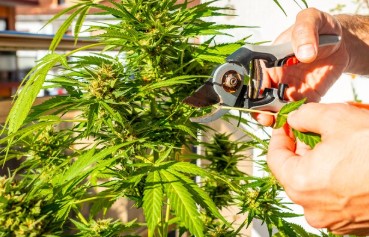
- Trimming: The buds should be carefully trimmed to remove excess leaves and improve appearance.
Curing
- After drying, curing should take place in airtight jars, opening them periodically to allow moisture to escape and ensure proper airflow. Curing helps preserve terpenes, improve flavor, and enhance the overall smoking experience.
Methods of Ingestion
Smoking
- Description: Smoking involves combusting the dried buds of Garlic Bud and inhaling the smoke, which delivers cannabinoids directly to the lungs, where they are absorbed into the bloodstream.
- Onset: Effects are typically felt within 1 to 3 minutes of inhalation.
- Duration: The effects last for about 1 to 3 hours.
- Efficiency: Smoking offers a high bioavailability of around 30% to 60%, allowing for fast absorption of THC into the bloodstream.
Vaping
- Description: Vaping heats the cannabis at a lower temperature than smoking, releasing the cannabinoids in vapor form, which is then inhaled.
- Onset: The effects are typically felt within 2 to 5 minutes of inhalation.
- Duration: The effects last around 1 to 3 hours.
- Efficiency: Vaping has a similar bioavailability to smoking but may offer a slightly more efficient absorption rate, as it reduces harmful byproducts like tar.
Edibles
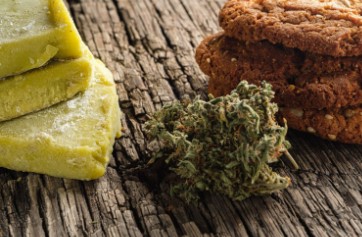
- Description: Edibles are cannabis-infused food products that contain THC, which is metabolized through the digestive system and liver prior to being absorbed by the blood.
- Onset: The effects take 30 minutes to 2 hours to begin, as the cannabis needs to be digested and metabolized.
- Duration: The effects can last from 4 to 6 hours, and in some cases, up to 8 hours.
- Efficiency: Edibles have a bioavailability of 4% to 20%, as THC undergoes the “first-pass effect” in the liver, where much of it is broken down before reaching the bloodstream. This results in a longer, more intense high.
Tinctures
- Description: Tinctures are cannabis extracts mixed with alcohol or glycerin. They are taken sublingually (under the tongue) or orally, offering precise dosing.
- Onset: When taken sublingually, effects are felt in 15 to 45 minutes. If ingested orally, the onset is similar to edibles, taking 30 minutes to 2 hours.
- Duration: Effects typically last 2 to 4 hours.
- Efficiency: Tinctures have a bioavailability of 20% to 30% when taken sublingually, offering a more efficient absorption compared to edibles.
Topicals
- Description: Topicals are cannabis-infused creams, lotions, or balms applied directly to the skin for localized effects. These products do not cause a psychoactive high as cannabinoids do not enter the bloodstream.
- Onset: Effects are typically felt within 15 to 30 minutes for localized relief of pain, inflammation, or skin conditions.
- Duration: Effects typically last between 3 to 6 hours.
- Efficiency: Topicals do not have bioavailability in the bloodstream, as they work through the skin and interact with cannabinoid receptors on the surface.
2. Onset of Effects
Smoking and Vaping
- Onset Time: Both smoking and vaping provide an immediate onset of effects.
- Smoking: Effects begin within 1 to 3 minutes of inhalation.
- Vaping: Effects begin within 2 to 5 minutes of inhalation.
- Mechanism: The cannabinoids are absorbed directly into the bloodstream through the lungs, resulting in rapid effects.
Edibles
- Onset Time: The effects of edibles are delayed.
- Onset: 30 minutes to two hours following ingestion.
- Mechanism: The THC must first pass through the digestive system and be metabolized by the liver into 11-hydroxy-THC, which is more potent than regular THC, leading to delayed but stronger effects.
Tinctures
- Onset Time: Tinctures offer a moderate onset time.
- Sublingual: Effects are felt within 15 to 45 minutes if taken under the tongue.
- Oral: Effects take 30 minutes to 2 hours if ingested.
- Mechanism: Tinctures absorbed sublingually bypass the digestive system and enter the bloodstream more quickly, providing faster effects than edibles.
Topicals
- Onset Time: Topicals offer a quick onset for localized relief.
- Onset: 15 to 30 minutes after application.
- Mechanism: Since topicals do not enter the bloodstream, they produce localized effects on the skin and tissues beneath it, such as pain relief or anti-inflammatory benefits.
3. Duration of Effects
Smoking and Vaping
- Duration: The effects last for 1 to 3 hours.
- Factors Influencing Duration: The duration can vary based on the dosage, tolerance, and individual metabolism. For most users, the initial euphoria tends to fade quickly, but residual effects like relaxation can persist for longer.
Edibles
- Duration: The effects of edibles last significantly longer than smoking or vaping, typically 4 to 6 hours, and in some cases, up to 8 hours.
- Factors Influencing Duration: The slow digestion and metabolism of THC result in a prolonged release of cannabinoids into the bloodstream, which leads to extended effects.
Tinctures
- Duration: The effects of tinctures last between 2 to 4 hours.
- Factors Influencing Duration: While the onset is slower than smoking or vaping, tinctures offer a moderate-duration experience that provides a balanced high.
Topicals
- Duration: The effects of topicals generally last 3 to 6 hours.
- Factors Influencing Duration: The effects are localized and focused on the area of application, such as pain relief or muscle relaxation. Topicals do not produce psychoactive effects, so the duration is limited to the topical application area.
4. Mechanisms of Absorption
Smoking and Vaping
- Mechanism: Cannabinoids are absorbed through the lungs, entering the bloodstream quickly, which leads to an almost immediate onset of effects. The bioavailability is higher compared to other methods, with 30% to 60% of the THC reaching the bloodstream.
Edibles
- Mechanism: THC is metabolized by the liver after passing through the digestive system, where itis transformed into the more powerful form of THC, 11-hydroxy-THC. This conversion results in delayed but more intense effects. The bioavailability is lower (4% to 20%) due to the first-pass metabolism in the liver.
Tinctures
- Mechanism: When taken sublingually, cannabinoids are absorbed through the mucous membranes in the mouth, directly bypassing the digestive tract and entering the circulation. This provides faster onset and higher bioavailability (20% to 30%) compared to edibles.
Topicals
- Mechanism: Cannabinoids are absorbed through the skin and interact with CB2 receptors in the body’s peripheral systems. They do not enter the bloodstream, so they produce localized effects without psychoactive results.
Conclusion
Garlic Bud is a unique hybrid strain that offers a combination of potent effects and a distinct, pungent aroma. Its strong THC content and well-balanced effects make it suitable for both recreational and medicinal purposes. Users looking for relief from stress, pain, insomnia, or appetite loss will find Garlic Bud to be an effective choice, while those seeking an uplifting, yet relaxing experience will enjoy its euphoria-inducing properties. Whether used for therapeutic purposes or simply to unwind, Garlic Bud provides a memorable experience for a wide range of cannabis users.
For a complete directory of cultivars, visit our Cannabis Strain Reviews.
