Table of Contents
Fruitylicious is a hybrid cannabis strain that has garnered significant attention for its remarkable flavor profile, enticing aroma, and versatile effects. Developed by the cannabis breeders at Mandala Seeds, Fruitylicious is a product of careful genetic selection and breeding. It is a cross between Blueberry and a strain from Mandala’s proprietary genetic library, resulting in a strain with unique characteristics and wide-ranging applications.
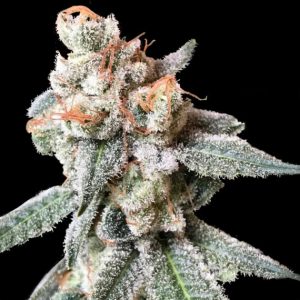
This document delves into the detailed scientific, medical, and recreational aspects of Fruitylicious, providing a comprehensive understanding of this strain for enthusiasts, patients, and researchers alike.
Genetic Background and Cultivation
Fruitylicious boasts a genetic lineage that highlights the contributions of Blueberry, a legendary strain known for its sweet and fruity flavor, combined with robust genetics from Mandala Seeds. The result is a strain with:
- Genetic Composition: Indica-dominant hybrid (approximately 70% Indica, 30% Sativa).
- THC Content: Ranges between 18-22%, providing potent effects without being overwhelming for most users.
- CBD Content: Typically low (<1%), making it less effective for conditions requiring high CBD but suitable for THC-focused therapies.
Optimal Growing Conditions for Fruitylicious
- Temperature Range:
- Fruitylicious prefers a temperature range of 21-26°C (70-79°F) during the daytime and slightly cooler nights (16-21°C or 60-70°F).
- Fluctuations within this range can enhance terpene production, particularly myrcene and limonene.
- Humidity Levels:
- Seedling Stage: Higher humidity (60-70%) is ideal to encourage vigorous growth.
- Vegetative Stage: Gradually reduce humidity to 50-60% to prevent mold.
- Flowering Stage: Maintain low humidity (40-50%) to avoid bud rot and maximize resin production.
- Lighting:
- Fruitylicious thrives under full-spectrum lighting. LED lights are recommended due to their energy efficiency and ability to produce the required light spectrum for growth and flowering.
- Photoperiod: 18-6 (18 hours of light, 6 hours of dark) for the vegetative stage and 12-12 for flowering.
- Soil vs. Hydroponics:
- Soil Cultivation:
- Fruitylicious responds well to organic soil rich in nitrogen, phosphorus, potassium, and micronutrients.
- Adding amendments like bat guano, compost, and mycorrhizal fungi enhances soil microbiome and nutrient availability.
- Hydroponics:
- This method accelerates growth and yield by delivering nutrients directly to roots.
- Maintain a pH range of 5.5-6.0 in the nutrient solution to optimize nutrient uptake.
- Soil Cultivation:
Nutrient Management
- Vegetative Stage:
- Focus on nitrogen-rich nutrients for robust leaf and stem growth.
- Suggested NPK ratio: 3-1-2 (Nitrogen-Phosphorus-Potassium).
- Include calcium and magnesium to support cellular functions.
- Flowering Stage:
- Shift to phosphorus and potassium dominance to promote bud formation and resin production.
- Suggested NPK ratio: 1-3-4.
- Add supplements like molasses during the late flowering phase to enhance terpene and trichome production.
- Micronutrients:
- Zinc, iron, manganese, and boron are essential for enzymatic processes and healthy plant development.
- Monitor for deficiencies that may affect terpene profiles or yield.
Training Techniques
- Low-Stress Training (LST):
- Gradually bend and secure branches to create an even canopy, optimizing light distribution.
- Fruitylicious adapts well to this method due to its flexible branches.
- Screen of Green (ScrOG):
- Place a net above the plant canopy and train branches horizontally to maximize light exposure and bud sites.
- This technique is particularly effective for indoor setups with limited vertical space.
- Defoliation:
- Removing excess leaves improves airflow and reduces the risk of mold, especially in high-humidity environments.
- Topping and Pruning:
- Topping encourages multiple colas and bushier growth.
- Pruning lower, non-productive branches ensures that energy is directed to the top buds.
Pest and Disease Management
Fruitylicious is naturally resilient to pests and mold, but proactive measures are essential for healthy growth:
- Common Pests:
- Spider Mites: Introduce predatory insects like ladybugs or use neem oil sprays.
- Aphids: Use insecticidal soaps or companion plants like marigolds to repel them.
- Fungus Gnats: Maintain proper drainage and use sticky traps to monitor populations.
- Disease Prevention:
- Powdery Mildew: Ensure good airflow and avoid excessive humidity.
- Root Rot: Avoid overwatering and ensure proper drainage in soil or hydroponic systems.
- Bud Rot: Inspect buds regularly and maintain low humidity during flowering.
- Integrated Pest Management (IPM):
- Combine biological controls (e.g., beneficial microbes) with mechanical methods (e.g., pruning and cleaning grow areas).
- Use natural deterrents like essential oils or bio-pesticides that do not compromise plant quality.
Harvesting and Post-Harvest Techniques
- Harvest Timing:
- Use a microscope or magnifying glass to keep an eye on trichomes.
- Optimal harvest occurs when trichomes shift from clear to milky white with a few turning amber, signifying the highest level of terpene and cannabinoids.
- Drying:
- Dry buds in a controlled environment at 50-60% humidity and 18-22°C (65-72°F).
- Avoid direct light exposure to preserve cannabinoids and terpenes.
- Curing:
- Place dried buds in airtight jars and “burp” them daily for the first two weeks.
- Curing enhances the flavor, aroma, and overall quality by allowing terpenes and cannabinoids to stabilize.
- Storage:
- Store cured buds in a cool, dark place in airtight containers to maintain potency and flavor for extended periods.
Yield Optimization
- Environmental Monitoring:
- Use tools like hygrometers, pH meters, and PAR meters to maintain optimal conditions.
- Automate lighting and irrigation systems for precision.
- CO₂ Enrichment:
- Introducing additional CO₂ during the vegetative and early flowering stages can boost growth and yield.
- Advanced Techniques:
- Tissue Culture Propagation: For large-scale production, tissue culture ensures genetic consistency and pest-free plants.
- Cloning: Take cuttings from a healthy mother plant to replicate Fruitylicious desirable traits.
Methods of Ingestion

- Smoking:
- Method: Combustion of dried Fruitylicious flower in joints, pipes, or bongs.
- Onset: Immediate to 5 minutes.
- Duration: 1-3 hours.
- Effects: Delivers a robust and immediate cerebral high, followed by body relaxation.
- Considerations: Smoking produces carcinogens, which may irritate the respiratory system. Using a water pipe (bong) can help reduce particulate matter.
- Vaporization:
- Method: Heating Fruitylicious flower or concentrate to a temperature where cannabinoids and terpenes vaporize without combustion.
- Onset: 2-5 minutes.
- Duration: 1-3 hours.
- Effects: Similar to smoking but with a cleaner flavor profile and less throat irritation.
- Temperature Settings:
- Low (160-180°C or 320-356°F): Enhances the flavor and provides a lighter, more uplifting high due to terpenes like limonene and pinene.
- High (180-220°C or 356-428°F): Delivers more potent effects by vaporizing a wider range of cannabinoids, including THC.
- Edibles:
- Method: Infused products such as gummies, chocolates, or beverages made using Fruitylicious extracts or decarboxylated flower.
- Onset: 30-90 minutes (dependent on metabolism and stomach contents).
- Duration: 4-8 hours, with peak effects around 2-3 hours post-ingestion.
- Effects: Produces a full-body high with more intense and prolonged effects compared to inhalation.
- Considerations: Dosage control is crucial, as effects can be delayed and stronger than expected. Beginners should start with 2.5-5 mg THC.
- Tinctures:
- Method: Sublingual administration of alcohol- or oil-based extracts, placed under the tongue for rapid absorption.
- Onset: 15-45 minutes.
- Duration: 2-6 hours.
- Effects: Provides a balanced high with both cerebral and body effects. Absorption under the tongue bypasses first-pass metabolism, leading to faster onset.
- Considerations: Tinctures offer precise dosing, ideal for medical patients.
- Topicals:
- Method: Creams, balms, or transdermal patches infused with Fruitylicious extracts, applied directly to the skin.
- Onset: 15-30 minutes (for localized effects); transdermal patches may take longer for systemic absorption.
- Duration: 2-8 hours.
- Effects: Non-psychoactive when applied topically. Provides localized relief from pain, inflammation, or skin conditions.
- Considerations: Transdermal patches with THC can induce psychoactive effects if absorbed into the bloodstream.
- Dabbing:
- Method: Vaporizing Fruitylicious concentrates like wax or shatter at high temperatures using a dab rig.
- Onset: Immediate to 5 minutes.
- Duration: 1-3 hours.
- Effects: Highly potent and fast-acting, delivering intense euphoria and relaxation.
- Considerations: Not recommended for beginners due to high THC concentration and rapid onset.
Onset and Duration: Key Factors
The onset and duration of Fruitylicious effects depend on the ingestion method and individual factors like metabolism, tolerance, and body composition.
| Method | Onset Time | Peak Effects | Duration |
|---|---|---|---|
| Smoking | 1-5 minutes | 15-30 minutes | 1-3 hours |
| Vaporization | 2-5 minutes | 15-30 minutes | 1-3 hours |
| Edibles | 30-90 minutes | 2-3 hours | 4-8 hours |
| Tinctures (Sublingual) | 15-45 minutes | 1-2 hours | 2-6 hours |
| Topicals | 15-30 minutes | Localized relief | 2-8 hours |
| Dabbing | Immediate | 10-30 minutes | 1-3 hours |
Effects of Fruitylicious

- Initial Cerebral Effects (Sativa Influence):
- Onset effects include a gentle cerebral buzz and mood enhancement.
- Users report increased focus, creativity, and a sense of happiness due to limonene and THC synergy.
- Progressive Body Relaxation (Indica Dominance):
- As the high deepens, body relaxation sets in, making Fruitylicious suitable for alleviating physical discomfort.
- Myrcene plays a crucial role in these sedative and muscle-relaxing effects.
- Full-Body Euphoria:
- The high THC content produces euphoria and a sense of well-being.
- Caryophyllene may contribute to its mood-stabilizing properties by interacting with CB2 receptors.
- Terpene-Driven Sensory Experience:
- Flavor: Sweet and fruity with berry and tropical notes.
- Aroma: Complex blend of fruity sweetness, citrus, and spice.
- These sensory qualities enhance the overall user experience, making Fruitylicious a favorite among connoisseurs.
- Therapeutic Effects:
- Mental Health: Uplifting properties help with depression and anxiety.
- Pain Relief: Effective for chronic pain, headaches, and muscle tension.
- Sleep Aid: High doses induce deep, restorative sleep, suitable for insomnia sufferers.
Considerations for Specific Populations
- Novice Users:
- Start with low doses (1-2 mg THC) to avoid overwhelming effects.
- Vaporization or tinctures are recommended for better dosage control.
- Medical Patients:
- Opt for tinctures or edibles for sustained relief.
- Work with a medical professional to determine the best dosage and method for specific conditions.
- Experienced Users:
- Can explore high-potency methods like dabbing or concentrates.
- Monitor for potential tolerance buildup with prolonged use.
- Sensitive Populations:
- Those prone to anxiety or paranoia should avoid high THC doses.
- Look for balanced formulations or consider CBD-rich strains as a supplement.
Chemical Composition and Terpene Profile
The chemical makeup of Fruitylicious is a significant factor in its therapeutic and recreational appeal.
Cannabinoid Profile:
- THC: 18-22% (Primary psychoactive compound responsible for euphoria and relaxation).
- CBD: <1% (Minimal contribution to effects but complements THC).
- Other Cannabinoids: Trace amounts of CBG, CBC, and THCV, which may contribute to its nuanced effects.
Terpene Profile:
- Myrcene: Dominant terpene, contributing to its fruity, musky aroma and sedative effects.
- Limonene: Adds a citrusy, uplifting quality to the flavor and aroma.
- Caryophyllene: Provides a hint of spiciness and potential anti-inflammatory benefits.
- Pinene: Enhances focus and respiratory support.
Medical Uses
Fruitylicious is prized in the medical cannabis community for its wide range of therapeutic applications. Depending on the dosage, its well-balanced effects make it appropriate for usage both during the day and at night.
Primary Medical Benefits:
- Pain Management:
- The high THC content and myrcene dominance contribute to potent analgesic effects.
- Commonly used for conditions such as chronic pain, migraines, and arthritis.
- Mental Health Support:
- Helps alleviate symptoms of anxiety, depression, and PTSD due to its uplifting and calming effects.
- Limonene plays a role in mood elevation, while myrcene provides relaxation.
- Sleep Disorders:
- Effective for treating insomnia, especially when consumed in higher doses.
- The indica-dominance promotes deep relaxation and sleep.
- Appetite Stimulation:
- THC triggers the endocannabinoid system, leading to increased hunger. This is particularly beneficial for patients with eating disorders or undergoing treatments like chemotherapy.
- Anti-inflammatory Properties:
- Caryophyllene interacts with CB2 receptors to reduce inflammation, making Fruitylicious helpful for autoimmune conditions.
Specific Medical Conditions Treated:
- Fibromyalgia
- Multiple sclerosis
- Chronic fatigue syndrome
- Stress-induced disorders
- Neuropathic pain
Dosage Guidelines:
- Low Dosage (1-5 mg THC): Uplifting and mild, suitable for anxiety and mood disorders.
- Moderate Dosage (5-15 mg THC): Balances relaxation and euphoria, ideal for pain relief and moderate stress.
- High Dosage (>15 mg THC): Sedative and deeply relaxing, recommended for severe pain and insomnia.
Recreational Uses
Fruitylicious is equally popular among recreational users for its enjoyable effects and distinctive sensory profile.
Sensory Experience:
- Flavor: A delectable mix of ripe berries, tropical fruits, and subtle floral undertones. The Blueberry heritage is prominent in its sweet and tangy taste.
- Aroma: A captivating blend of fruity sweetness with hints of citrus and spice.
- Appearance: Vibrant buds with a sticky, resinous texture, appealing to seasoned connoisseurs.
Effects:
- Initial Onset: A mild cerebral buzz that uplifts mood and enhances focus, attributed to its sativa lineage.
- Body High: Gradual relaxation spreads throughout the body, characteristic of its indica dominance.
- Euphoria and Creativity: Users report heightened creativity and a sense of happiness, making it ideal for artistic pursuits or social gatherings.
Popular Recreational Activities:
- Artistic pursuits such as writing, music, or painting.
- Socializing at gatherings or small parties.
- Relaxing at home with movies, games, or books.
- Nature walks or light outdoor activities.
Potential Side Effects:
- Dry mouth and eyes (common with most cannabis strains).
- Dizziness or mild paranoia at higher doses, especially in novice users.
- Increased appetite (“munchies”), which can be both a benefit and a drawback.
Scientific Studies and Insights
The therapeutic potential of Fruitylicious is supported by its cannabinoid and terpene profile, aligning with broader cannabis research.
- Pain Relief:
- Studies on THC and myrcene confirm their synergistic effects in managing pain by modulating CB1 and CB2 receptors in the endocannabinoid system.
- Mental Health:
- Limonene has been studied for its anxiolytic and antidepressant properties, suggesting why Fruitylicious is effective for mood disorders.
- Sleep:
- Research on indica-dominant strains highlights their role in improving sleep latency and quality, corroborating anecdotal evidence for Fruitylicious.
- Neuroprotection:
- The presence of minor cannabinoids like CBG and terpenes such as pinene suggests potential neuroprotective effects, though more research is needed.
- Anti-inflammatory Effects:
- Caryophyllene’s interaction with CB2 receptors provides a plausible mechanism for reducing inflammation, relevant for conditions like arthritis and autoimmune diseases.
Community Feedback and Reviews
Fruitylicious has garnered a loyal following among cannabis users for its consistent quality and balanced effects. Common themes in user reviews include:
- Flavor and Aroma: Consistently praised for its rich and complex fruity profile.
- Balanced Effects: Users appreciate its ability to relax without causing excessive sedation.
- Therapeutic Versatility: Many report significant relief from chronic pain, stress, and insomnia.
- Ease of Growth: Cultivators commend its resilience and moderate-to-high yields.
Future Potential and Research Opportunities
Fruitylicious represents a promising strain for future exploration in both medical and recreational contexts. Areas for further research include:
- Cannabinoid Synergy: Understanding the interactions between its minor cannabinoids and terpenes.
- Customized Therapeutics: Exploring its potential in precision medicine for specific conditions.
- Long-term Effects: Studying the impact of regular use on mental and physical health.
- Cultivation Innovations: Enhancing yield and cannabinoid content through advanced breeding techniques.
Conclusion
Fruitylicious is a standout strain that offers a harmonious blend of flavors, effects, and therapeutic potential. Whether for managing chronic conditions or enhancing leisure activities, it caters to a broad spectrum of needs. As cannabis research continues to evolve, Fruitylicious is likely to remain a valued strain in both medical and recreational circles.
For a complete directory of cultivars, visit our Cannabis Strain Reviews.
