Table of Contents
The Fruit cannabis strain, often referred to as Fruity or Fruity Juice, is a hybrid strain known for its rich, sweet flavor and balanced effects. As the name suggests, it delivers a notable fruit-forward terpene profile, making it a favorite for users seeking a flavorful and smooth smoke. This strain has attracted both recreational users and medical patients due to its unique synergy of cannabinoids and terpenes, producing a versatile array of effects.
Genetic Lineage and Classification
Fruit is typically classified as a 50/50 balanced hybrid, though some phenotypes may lean slightly indica or sativa depending on the breeder and cross-selection. The most well-known lineage involves a cross between:
- Afghani Indica – a pure indica landrace known for its sedating effects and high resin production.
- Thai Sativa – a tropical sativa landrace offering energizing and cerebral effects.
This genetic combination creates a hybrid with the relaxing, full-body qualities of Afghani and the uplifting, euphoric traits of Thai sativa. The Thai lineage contributes to its aromatic complexity and cerebral high, while Afghani provides physical relaxation and higher yields.
Appearance, Aroma, and Flavor
Appearance
- Buds are typically dense, medium to large-sized, and conical.
- Covered in milky white trichomes, giving them a frosty sheen.
- Pistils range from orange to dark red, depending on maturation.
- Leaves are deep green, sometimes with purple hues in cooler climates.
Aroma
The aroma is one of Fruit’s strongest attributes:
- Dominated by tropical fruit, mango, berry, and citrus notes.
- Undertones of earth, pine, and herbal richness due to the Afghani heritage.
Flavor
The flavor mirrors its aroma but adds more depth:
- A sweet, juicy fruit taste on the inhale.
- Exhale carries earthy spice, citrus zest, and subtle vanilla tones.
Cannabinoid Profile
Fruit generally features a moderate to high THC content, typically in the range of 15% to 22%, depending on phenotype and cultivation methods. CBD levels are typically low (<1%), though some breeders have stabilized higher-CBD phenotypes.
Cannabinoids (approximate values):
- THC: 18–22%
- CBD: 0.1–1%
- CBG: 0.5–1%
- THCV: Trace to 0.5% (notable for appetite suppression in some phenotypes)
This balance supports both euphoric and body-calming effects without overpowering sedation or anxiety.
Terpene Profile
Terpenes are responsible for the strain’s smell, taste, and much of its therapeutic impact. Fruit’s dominant terpenes include:
1. Myrcene (Relaxation, sedative)
- Offers earthy, herbal notes.
- Supports anti-inflammatory, analgesic, and sedative effects.
2. Limonene (Elevated mood, stress relief)
- Provides citrus aroma.
- Antidepressant and anti-anxiety effects.
3. Caryophyllene (Pain and inflammation relief)
- Offers peppery and spicy notes.
- Binds to CB2 receptors, acting as a non-psychoactive cannabinoid.
4. Linalool (Calming, anxiolytic)
- Floral and lavender-like scent.
- Enhances sedative and anti-anxiety potential.
5. Pinene (Memory and alertness)
- Provides a pine aroma.
- Offers bronchodilation and neuroprotective effects.
Recreational Effects
Fruit is widely popular in the recreational market due to its balanced and enjoyable high. Users report a pleasant onset of euphoria followed by soothing physical relaxation. Its dual-action effects make it suitable for both day and night use.
Onset and Duration
- Onset: 5–15 minutes (smoked), 30–60 minutes (edible)
- Peak Effects: 1–2 hours
- Total Duration: 2–4 hours
Common Recreational Effects:
- Euphoria and Uplifted Mood
- Enhances sociability and creative thinking.
- Often used during social gatherings or artistic pursuits.
- Relaxation Without Heavy Sedation
- Ideal for winding down without couch-lock.
- Helps transition from day to evening.
- Sensory Enhancement
- Heightened appreciation for music, taste, and visuals.
- Mild Energy Boost (low doses)
- A gentle cerebral buzz supports light productivity and conversation.
- Appetite Stimulation
- “Munchies” often reported, especially in higher doses.
- Balanced Body-Mind High
- Offers a gentle cerebral lift with warm body buzz.
Specific Medical Uses
Fruit cannabis is rich in THC (18–22%), with minor amounts of CBD (0.1–1%), CBG, and CBN depending on maturity and phenotype. Its dominant terpenes — myrcene, limonene, caryophyllene, and linalool — are all pharmacologically active.
The strain exhibits dual therapeutic activity:
- Neuropsychiatric benefits: mood regulation, anxiolysis, mild nootropic effects.
- Somatic relief: analgesic, anti-inflammatory, appetite stimulating, antispasmodic.
Pharmacological Mechanisms of Action
The medical effects of Fruit arise from interactions between cannabinoids and the endocannabinoid system (ECS), as well as other neurotransmitter systems.
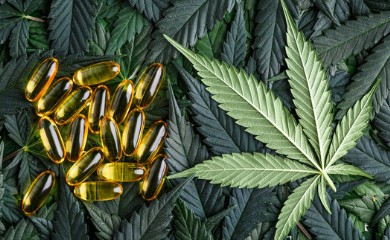
A. Cannabinoids
1. THC (Δ9-Tetrahydrocannabinol)
- Partial agonist at CB1 (central) and CB2 (peripheral) receptors.
- Effects:
- Analgesia
- Anti-nausea
- Appetite stimulation
- Anxiolysis (low doses) or anxiety (high doses)
- Muscle relaxation
2. CBD (Cannabidiol) (in low levels in Fruit)
- Weak interaction with CB1/CB2; acts on 5-HT1A, TRPV1, and GPR55 receptors.
- Effects:
- Anti-anxiety (modulates THC psychoactivity)
- Anti-inflammatory
- Anticonvulsant
3. CBG (Cannabigerol)
- Interacts with α2-adrenergic and 5-HT1A receptors.
- Enhances focus and reduces intraocular pressure.
B. Terpenes and Their Medicinal Roles
| Terpene | Clinical Effects | Targets |
|---|---|---|
| Myrcene | Sedative, anti-inflammatory, analgesic | TRPV1, COX-2 |
| Limonene | Antidepressant, anxiolytic, gastric relief | 5-HT1A, Adenylyl Cyclase |
| Caryophyllene | Anti-inflammatory, analgesic | CB2 receptor agonist |
| Linalool | Sedative, anxiolytic, anticonvulsant | GABA-A, glutamate inhibition |
| Pinene | Bronchodilator, neuroprotective | Acetylcholinesterase inhibitor |
Specific Medical Applications
A. Mental Health Disorders
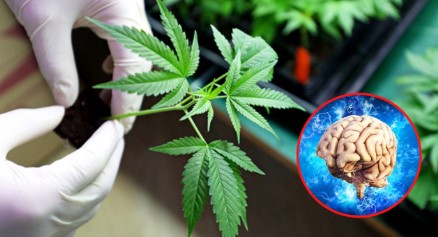
1. Generalized Anxiety Disorder (GAD)
- Limonene and linalool promote serotonin signaling and GABA modulation.
- Low doses of THC provide anxiolysis via CB1 partial agonism.
- Best used in low-moderate doses; higher doses may provoke anxiety in sensitive patients.
2. Depression
- Limonene modulates monoamine oxidase (MAO) activity.
- THC elevates dopamine in mesolimbic pathways.
- Fruit is often used as a daytime mood stabilizer, enhancing hedonic tone and motivation.
3. PTSD
- Combines fear memory modulation (via CB1) with sleep aid properties.
- Linalool and myrcene support emotional regulation and REM sleep stabilization.
4. ADHD (low doses)
- Pinene and CBG may enhance working memory and alertness.
- THC in low doses can reduce distractibility, but overdosing may impair cognition.
B. Neurological Disorders
1. Chronic Pain (Neuropathic, Inflammatory)
- THC and caryophyllene modulate nociception via CB1/CB2 and TRPV1 channels.
- Myrcene acts as a natural muscle relaxant and analgesic.
- Excellent for conditions like sciatica, fibromyalgia, and nerve entrapments.
2. Multiple Sclerosis
- Combines spasticity control (THC, linalool) with neuroinflammation reduction (CBD, CBG).
- May reduce bladder dysfunction and tremors.
3. Epilepsy (less common)
- Although Fruit has low CBD, trace CBG and linalool offer mild anticonvulsant effects.
- May serve as adjunctive therapy in combination with high-CBD strains.
4. Migraines and Cluster Headaches
- Myrcene and THC provide analgesic synergy.
- Pinene may act as a vasodilator, improving oxygen delivery.
- THC’s modulation of serotonin receptors can interrupt migraine onset.
C. Gastrointestinal and Appetite-Related Conditions
1. Appetite Stimulation
- THC activates the hypothalamic POMC neurons, increasing ghrelin secretion.
- Useful for:
- Cancer-related cachexia
- HIV/AIDS-related wasting
- Anorexia nervosa
2. Nausea and Vomiting
- THC interacts with CB1 receptors in the dorsal vagal complex, reducing emesis.
- Limonene helps relax gastric muscles, aiding digestion.
3. IBD and IBS
- Anti-inflammatory effects of caryophyllene and CBD analogs may reduce gut lining irritation.
- Myrcene’s antispasmodic action helps control cramping.
D. Sleep Disorders
1. Insomnia
- Myrcene, linalool, and THC induce sleep latency reduction.
- Fruit, taken 1–2 hours before bed, improves sleep onset and depth without next-day drowsiness (at low doses).
2. Sleep Apnea (adjunctive use)
- THC shown in animal models to modulate serotonin signaling and stabilize respiratory rhythms.
- May reduce sleep interruptions when used with CPAP therapy.
E. Inflammatory and Autoimmune Disorders
1. Rheumatoid Arthritis & Osteoarthritis
- CB2 activation by caryophyllene downregulates cytokine release (TNF-α, IL-6).
- THC and myrcene reduce joint pain and stiffness.
2. Lupus and Chronic Inflammatory Syndromes
- CB1/CB2 cross-activity helps modulate immune hyperactivity.
- Myrcene and CBD may limit tissue damage from oxidative stress.
Medical Use Considerations
A. Dosing Strategies
| Purpose | Dose (THC) | Notes |
|---|---|---|
| Anxiety | 2–5 mg | Low dose; avoid overactivation |
| Pain | 10–25 mg | Balanced with CBD if needed |
| Sleep | 5–15 mg | Take 1 hour before bed |
| Appetite | 5–10 mg | Onset in 30–90 mins (oral) |
| Mood | 5–10 mg | Ideal for morning/daytime use |
B. Routes of Administration
- Vaporization: Preserves terpenes; rapid onset, short duration.
- Tincture/Oral Oils: Slower onset, more stable effects.
- Edibles: Stronger psychoactivity; caution needed for new users.
- Topicals (for pain): Less relevant for Fruit, but THC-rich topicals have local analgesic action.
Adverse Effects and Risk Management
Potential Side Effects
- Dry mouth, red eyes, drowsiness
- Paranoia/anxiety at high doses (especially in THC-sensitive individuals)
- Cognitive fog with chronic overuse
Risk Mitigation
- Use low initial doses, especially for psychiatric conditions.
- Combine with CBD-rich strains if psychoactivity is a concern.
- Avoid mixing with alcohol or CNS depressants.
Ideal Patient Profiles for Fruit Strain
| Symptom Cluster | Ideal Patient |
|---|---|
| Stress + Sleep Issues | Mild anxiety with sleep onset problems |
| Appetite Loss | Chemotherapy, HIV/AIDS, anorexia |
| Pain + Mood Disorders | Fibromyalgia, migraines, mild depression |
| Social Anxiety | Patients needing light euphoria and calm |
| Arthritis or Spasticity | Older adults needing joint and muscle relief |
Comparison with Other Medical Strains
| Strain | THC | CBD | Terpenes | Use Case |
|---|---|---|---|---|
| Fruit | 18–22% | <1% | Myrcene, Limonene, Caryophyllene | Balanced for mood, pain, sleep |
| Harlequin | 6–10% | 8–10% | Pinene, Myrcene | Anxiety, inflammation (non-intoxicating) |
| Northern Lights | 20% | <0.5% | Myrcene, Linalool | Deep sleep, chronic pain |
| ACDC | <1% | 15–20% | Caryophyllene, Linalool | Epilepsy, severe anxiety |
| Blue Dream | 20–24% | ~1% | Pinene, Myrcene | Focus, daytime depression |
Scientific Mechanisms and Synergy
Fruit’s effects are mediated through interaction with the endocannabinoid system (ECS), particularly the CB1 and CB2 receptors.
Mechanisms of Action
- THC binds to CB1 receptors in the brain to elevate mood and reduce pain perception.
- Caryophyllene, though a terpene, also binds to CB2 receptors, producing anti-inflammatory effects.
- Limonene and linalool act on serotonergic and GABAergic pathways, modulating anxiety and mood.
Entourage Effect
The combined effect of cannabinoids and terpenes enhances therapeutic outcomes:
- Myrcene increases THC permeability across the blood-brain barrier.
- Pinene reduces THC-induced memory impairment.
- Linalool and limonene reduce anxiety synergistically with THC.
Cultivation Information
Genetic Behavior and Growth Pattern
Fruit is a balanced hybrid, so it exhibits both indica and sativa traits:
- Structure: Medium bushy plant with strong lateral branching (from Afghani side).
- Internodal spacing: Moderate, ideal for training.
- Resin Production: High, thanks to its landrace indica heritage.
- Flowering Time: 56–70 days (8–10 weeks) under optimal conditions.
- Photoperiod Sensitivity: Responsive to 12/12 light schedule for flowering.
Environmental Parameters
Creating the right environment is crucial for maximizing terpenes and cannabinoid yield.
A. Temperature
- Vegetative stage: 72–82°F (22–28°C)
- Flowering stage: 68–78°F (20–25°C) — Cooler temps preserve terpenes.
- Night Drop: ~10°F differential promotes anthocyanin (purple pigment) expression.
B. Humidity
- Vegetative: 50–70%
- Flowering weeks 1–4: 40–50%
- Late flowering (weeks 5–10): 35–45% to prevent bud rot and encourage trichome development.
C. CO₂ Enrichment
- Vegetative: Up to 1000 ppm
- Flowering: Up to 1200 ppm until week 6
- CO₂ increases photosynthetic efficiency, bud density, and terpene output if light and nutrients are adequate.
Light Spectrum and Intensity
Light is a key driver for both yield and cannabinoid biosynthesis.
A. Vegetative Stage
- Spectrum: Blue-dominant (400–500 nm)
- Light Intensity: 300–600 µmol/m²/s
- Promotes compact growth and root expansion.
B. Flowering Stage
- Spectrum: Red-dominant (620–730 nm) with Far-Red for stretch control and late-stage ripening.
- Light Intensity: 700–1000 µmol/m²/s
- UV-B supplementation (280–315 nm) in final 2–3 weeks can increase trichome density and THC content.
Soil vs. Hydroponics vs. Living Organic Systems
Each method brings distinct advantages, particularly with terpene modulation.
A. Soil
- Best for flavor and terpene expression due to microbial interactions.
- Use high-quality, well-aerated soil (loam, perlite, coco blend).
- Maintain pH between 6.0–6.5.
B. Hydroponics
- Increases growth rate and yield (~20% over soil if done correctly).
- Requires strict pH control (5.8–6.2) and EC monitoring (1.2–2.0).
- Less flavor complexity unless supplemented with organic microbial teas or enzymes.
C. Living Soil/No-Till
- Supports natural terpene expression through fungal-bacterial synergy.
- Promotes sustainability and reduced input dependence.
- May produce lower yields but higher cannabinoid complexity.
Nutrient Profile and Feeding Strategy
A. Macronutrient Requirements
| Stage | N | P | K |
|---|---|---|---|
| Vegetative | High | Medium | Medium |
| Flowering Early | Medium | High | High |
| Flowering Late | Low | High | Very High |
B. Micronutrients
- Calcium and Magnesium are critical during flowering to prevent deficiencies.
- Silica boosts cell wall strength and mold resistance.
- Foliar feeding with amino acid chelates can improve nutrient uptake.
C. Feeding Frequency
- Vegetative: Every 2–3 days or when the medium dries (light pot method).
- Flowering: Dial back nitrogen; increase potassium during bulking phase (weeks 5–7).
Training and Yield Optimization Techniques
Fruit responds well to physical manipulation. These methods optimize canopy exposure and maximize yield:
A. Low-Stress Training (LST)
- Involves gently bending branches to open up the canopy.
- Increases light penetration and bud site exposure.
- Boosts overall bud production by 10–15%.
B. Topping and FIMing
- Induces lateral growth and bushier structure.
- Should be done during early vegetative stage (week 3–4).
C. Screen of Green (SCROG)
- Maximizes canopy spread in indoor environments.
- Encourages even growth and bud development.
- Ideal for Fruit due to its hybrid structure and moderate stretch.
D. Defoliation
- Strategic leaf removal at weeks 2 and 4 of flowering improves airflow and light access.
- Prevents mold in dense colas.
Trichome Maturity and Harvest Timing
Harvest timing directly affects cannabinoid and terpene balance.
A. Trichome Color Strategy
- Clear: Immature
- Cloudy: Peak THC (euphoric)
- Amber: Degraded THC, higher CBN (more sedative)
For Fruit:
- Early Harvest: 70% cloudy for more uplifting effect.
- Late Harvest: 30% amber for body-heavy, medicinal applications.
B. Flush Period
- 7–14 days of clean water (or enzymatic flush) removes salt buildup.
- Improves final flavor and reduces harshness.
Post-Harvest: Drying, Curing, and Storage
A. Drying
- 60–65°F (15–18°C), 50–60% RH, in darkness.
- 7–10 days hanging method, or 5–7 days with gentle rack drying.
- Slow drying preserves terpenes.
B. Curing
- Place trimmed buds in airtight jars.
- Burp jars daily for 10–14 days, then weekly for up to 8 weeks.
- Enhances smoothness, cannabinoid preservation, and flavor complexity.
C. Storage
- Ideal: Glass jars in cool, dark place, 58–62% RH.
- Avoid: Plastic bags, light exposure, frequent opening.
Common Cultivation Issues and Prevention
| Issue | Cause | Solution |
|---|---|---|
| Bud Rot | High humidity in dense buds | Improve airflow, defoliate, control RH |
| Powdery Mildew | Poor ventilation, overwatering | Use neem oil or beneficial fungi (Bacillus subtilis) |
| Nutrient Burn | Overfeeding | Dial back EC, flush |
| Stretching | Weak lighting or long veg time | Add light intensity, early topping |
Cannabinoid and Terpene Enhancement Techniques
A. Stress-Induced Metabolic Enhancement
- Slight drought stress during late flowering increases trichome production.
- UV-B exposure (15–20 minutes/day in week 7–9) may boost THC and CBG.
B. Terpene Boosting Tactics
- Cold nighttime temps in the final week intensify limonene and myrcene.
- Using microbial teas and molasses enhances root-microbe communication, increasing secondary metabolites.
C. Light Deprivation (outdoor)
- Induces earlier flowering to avoid seasonal mold issues.
- Preserves sensitive terpenes that might degrade in hot summer months.
Indoor vs Outdoor Considerations
Indoor Advantages
- Total environmental control = consistency.
- Ideal for terpene targeting and phenotype isolation.
- Better security and pest management.
Outdoor Advantages
- Larger plants = higher yields.
- Natural sunlight provides full spectrum for broader cannabinoid expression.
- Lower overhead costs, but increased risk of pests/mold.
Phenotype Selection and Genetic Stabilization
If cultivating from seed:
- Grow at least 5–10 seeds to hunt for optimal phenotype.
- Preferred phenotype traits for Fruit include:
- Shorter flowering time
- High terpene levels (especially limonene and myrcene)
- Dense, mold-resistant bud structure
- Clone the best plant to stabilize traits across crops.
Summary: Key Cultivation Parameters for Fruit
| Factor | Optimal Condition |
|---|---|
| Flowering Time | 8–10 weeks |
| Light Intensity (Flowering) | 700–1000 µmol/m²/s |
| Day/Night Temp | 75°F day / 65°F night |
| RH (Late Flower) | 35–45% |
| Training Methods | SCROG, LST, Topping |
| Harvest Trichome Ratio | 70% cloudy / 30% amber |
| Drying RH | 50–60% |
| Curing Duration | 4–8 weeks |
Adverse Effects and Tolerance
While Fruit is generally well-tolerated, some adverse effects are reported:
Common Side Effects:
- Dry mouth and eyes
- Dizziness or lightheadedness at high doses
- Paranoia in sensitive users or those with THC sensitivity
Tolerance and Dependency
- Regular use may result in mild tolerance buildup, particularly to THC.
- A tolerance break of 2–7 days can restore effectiveness.
- Low addiction potential compared to opioids or benzodiazepines.
Breeder and Market Availability
Fruit is available from multiple breeders, often under names like Fruity Juice, Fruit Punch, or Fruit OG. Its stable genetics and balanced profile make it a common parent strain for hybrids.
Breeders Offering Fruit Seeds:
- Sensi Seeds – One of the most reputable sources for classic Fruit genetics.
- Barney’s Farm – Known for flavorful hybrid variations.
- Homegrown Cannabis Co. – Offers feminized versions for indoor growers.
Comparisons with Similar Strains
| Strain | Type | THC | Notable Terpenes | Key Difference |
|---|---|---|---|---|
| Fruit | Hybrid | 18–22% | Myrcene, Limonene | Balanced euphoria and calm |
| Blue Dream | Hybrid | 18–24% | Pinene, Myrcene | More sativa-leaning and energizing |
| Mango Kush | Indica-dominant | 16–20% | Myrcene, Caryophyllene | Heavier body sedation |
| Pineapple Express | Sativa-dominant | 17–22% | Limonene, Pinene | More uplifting and cerebral |
Conclusion
The Fruit cannabis strain is a prime example of a well-balanced hybrid that offers both recreational enjoyment and a wide spectrum of medical benefits. Its terpene-rich profile provides not just a sensational flavor and aroma but also modulates the therapeutic actions of its cannabinoids. With a lineage rooted in Afghani and Thai landrace genetics, it embodies a potent harmony of sedative and uplifting properties. Whether used to enhance mood, relieve pain, improve sleep, or simply enjoy a smooth and flavorful experience, Fruit is a versatile strain suited to a wide range of cannabis users.
If you’re looking for a strain that delivers sweet satisfaction without overwhelming sedation or stimulation, Fruit is an excellent and well-rounded choice.
For a complete directory of cultivars, visit our Cannabis Strain Reviews.
