Table of Contents
Frosty cannabis is a hybrid strain that has gained recognition for its potency, flavor, and resin production. It is a cross between the well-known strains White Widow and Northern Lights. This blend gives Frosty a high THC content, making it an appealing choice for both medical and recreational cannabis users. The strain is often prized for its dense, frosty buds, a hallmark of its significant trichome production, and its ability to induce a balanced, uplifting high.
This article provides a detailed, comprehensive analysis of the Frosty cannabis strain. It includes its genetic background, physical characteristics, recreational and medical uses, scientific properties, and growing information. The goal is to give users a thorough understanding of what Frosty cannabis offers and how it can benefit both recreational and medical users.
1. Genetic Background and Parent Strains
Frosty cannabis is primarily known as a hybrid, which means it is the offspring of two different cannabis strains: White Widow and Northern Lights. Understanding the characteristics of these parent strains can shed light on the traits found in Frosty.
White Widow:
White Widow is a legendary hybrid strain with origins in Brazil and South India. It is primarily known for its resinous buds and potent effects. White Widow is often described as a balanced hybrid with a blend of both sativa and indica effects. It typically offers a cerebral, euphoric high alongside a relaxing body stone, making it a popular option for both medicinal and recreational consumers.
Northern Lights:
Northern Lights is one of the most well-known indica strains in the cannabis world. It originates from Afghani and Thai landrace strains. Northern Lights is famous for its relaxing, sedative effects, often used by those seeking relief from stress, anxiety, and insomnia. This strain has a sweet, earthy aroma and is typically favored for nighttime use due to its deeply calming effects.
2. Appearance and Aroma
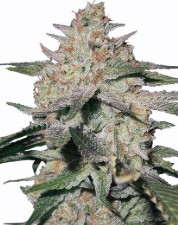
Frosty cannabis is named for its characteristic trichome coverage, which makes the buds look as though they are coated in frost. These tiny resin glands contain high levels of THC, giving the buds their potency and sticky texture.
- Buds: The buds are dense and compact, often featuring a frosty layer of trichomes that cover the buds like a white coating of frost. The colors range from deep green to light yellowish hues, often with orange pistils weaving through the structure.
- Aroma: The scent of Frosty is a blend of earthy, piney, and citrusy notes, typical of hybrid strains with Northern Lights as a parent. The earthy aroma is complemented by sweet, herbal undertones, making it an appealing strain for many cannabis users. Some users report hints of spiciness, adding a layer of complexity to the aroma.
3. THC and CBD Content
Frosty cannabis is typically high in THC, which makes it a potent strain. The THC content can vary, but it generally ranges from 18% to 22%. This level of potency makes Frosty a popular choice for experienced cannabis consumers seeking strong effects.
- THC Content: The high THC content means that Frosty can provide an intense and long-lasting high, which is both euphoric and relaxing.
- CBD Content: While Frosty is not particularly known for high CBD content, it generally contains less than 1% CBD, which is typical for most hybrid strains. This means that its therapeutic effects are primarily attributed to THC.
4. Recreational Uses
Frosty cannabis is widely used in recreational settings due to its balanced effects and high potency. The combination of sativa and indica traits makes it versatile, offering both cerebral stimulation and physical relaxation. Below are the specific recreational effects users experience.
A. Euphoria and Mental Clarity
One of the most common recreational effects of Frosty cannabis is an uplifting, euphoric high. The White Widow lineage contributes to mental clarity and a creative, giggly head high, while the Northern Lights genetics add a calming undertone. This makes Frosty a great strain for socializing, creative activities, or just enjoying a relaxed evening at home.
B. Relaxation without Sedation
While it provides a relaxing effect on the body, Frosty typically doesn’t induce the heavy sedation associated with pure indica strains. This makes it an ideal strain for evening use, as it can help unwind without making users feel overly tired or sluggish.
C. Enhanced Focus and Creativity
Many users report that Frosty enhances their creativity and mental focus. This makes it suitable for engaging in artistic endeavors, brainstorming sessions, or even enjoying hobbies such as painting, writing, or music production. The balance of mental clarity and relaxation helps users maintain their focus while still feeling creatively inspired.
D. Social and Uplifting
Frosty cannabis can boost mood and promote feelings of euphoria, making it a great choice for social occasions. Users often feel more talkative, open, and in a good mood when using this strain. Whether in a group setting or with close friends, Frosty’s effects are perfect for enjoying a fun and lighthearted time together.
5. Medical Uses
Frosty’s medicinal properties are largely attributed to its high THC content. Although it contains minimal CBD, its potent effects make it useful for a variety of medical conditions. Below is a breakdown of the common medical uses of Frosty cannabis.

A. Stress and Anxiety Relief
The euphoric, uplifting effects of Frosty cannabis can significantly reduce symptoms of stress and anxiety. It helps users feel a sense of calm and mental clarity, while the body high provides relaxation without causing sedation. This makes Frosty particularly useful for individuals who suffer from anxiety disorders, such as generalized anxiety disorder (GAD), panic attacks, or social anxiety.
B. Pain Management
Frosty’s ability to provide body relaxation also makes it an effective strain for pain relief. Many users report that it helps alleviate chronic pain conditions, including back pain, arthritis, migraines, and muscle tension. The body high induces a soothing sensation that can ease physical discomfort, making it a great strain for those looking for relief from physical ailments.
C. Insomnia and Sleep Disorders
While Frosty is not as sedative as pure indica strains, its relaxing effects are beneficial for users who have trouble falling or staying asleep. By calming the body and mind, it helps alleviate the symptoms of insomnia. Many medical users turn to Frosty in the evening to promote relaxation before bed, especially when stress or pain is interfering with their ability to rest.
D. Appetite Stimulation
Like many other cannabis strains, Frosty has the potential to stimulate appetite, making it useful for patients undergoing treatments like chemotherapy. THC is well-known for its ability to enhance hunger and alleviate nausea, which can be beneficial for individuals suffering from appetite loss due to medical conditions.
E. Depression
The euphoric, uplifting effects of Frosty can help alleviate symptoms of depression. Users often report feeling a sense of relief from negative emotions, with some even experiencing a mood boost that can last for hours. Frosty’s ability to induce happiness and mental clarity can be an effective supplement to traditional depression treatments for some individuals.
6. Scientific Insights
The therapeutic effects of Frosty cannabis can be explained through a scientific understanding of its chemical composition, primarily focusing on its THC and terpenes.
A. Cannabinoids
- THC (Tetrahydrocannabinol): As the primary psychoactive cannabinoid in Frosty, THC binds to CB1 receptors in the brain, leading to euphoria, altered perception, and relaxation. THC also influences the release of dopamine, which plays a role in the brain’s reward system, leading to pleasurable feelings.
- CBD (Cannabidiol): Although present in small amounts, CBD in Frosty may help mitigate some of the psychoactive effects of THC, potentially preventing the anxiety or paranoia that can occur with high-THC strains. CBD also has its own therapeutic benefits, including anti-inflammatory and anti-anxiety properties.
B. Terpenes
The aroma and flavor of Frosty cannabis are largely influenced by its terpene profile. Common terpenes found in Frosty include:
- Myrcene: This terpene is known for its sedative effects, and it’s commonly found in both White Widow and Northern Lights. It contributes to Frosty’s relaxing body high.
- Limonene: Adding a citrusy aroma, limonene is a mood-enhancing terpene known to have anti-anxiety and anti-depressant effects.
- Pinene: Present in Frosty, pinene is a terpene that provides a refreshing pine aroma and is well-known for its bronchodilator and anti-inflammatory qualities. It can also help improve memory and cognitive function.
7. Growing Information
Cultivation for the Frosty Cannabis Strain
The cultivation of Frosty cannabis requires an understanding of its genetic makeup, environmental needs, and optimal conditions for growth. Below is a detailed scientific breakdown of the best practices for growing Frosty, with a focus on both indoor and outdoor cultivation methods.
1. Genetic Profile and Adaptation to Environments
Frosty is a hybrid strain that leans toward both sativa and indica characteristics, stemming from its parent strains: White Widow and Northern Lights. The plant’s genetics offer a balance between growth characteristics and potency. These hybrids often exhibit the following traits:
- Sativa Influence: White Widow contributes sativa genetics, which may influence growth height, branching, and the need for light intensity.
- Indica Influence: Northern Lights lends its compact stature, fast flowering time, and higher resin production, making it ideal for efficient indoor cultivation. Its genetics also provide resistance to common pests and mildew.
This blend of sativa and indica results in a strain that requires balanced environmental conditions, as it is adaptable to different cultivation styles but requires a specific focus on temperature and humidity management.
2. Light Requirements
Light plays a significant role in the growth and yield of cannabis plants. Frosty cannabis, due to its hybrid nature, requires a balance between light intensity for optimal growth and the ability to prevent light stress, which can harm the plant.
- Photoperiod Sensitivity: Like most cannabis strains, Frosty is photoperiod-sensitive, meaning that the plant requires a change in light cycles to switch from the vegetative stage to the flowering stage. Typically, a 18-hour light and 6-hour dark cycle is ideal for vegetative growth, while an 12-hour light and 12-hour dark cycle will trigger the flowering phase.
- Light Intensity: Frosty cannabis prefers intense light, especially in the vegetative stage, which boosts photosynthesis and leads to faster growth. For indoor cultivation, high-intensity discharge (HID) lamps or full-spectrum LED grow lights are commonly used, as they provide the broad light spectrum that cannabis plants need for optimal growth.
Light Spectrum Considerations:
- Blue Light (Vegetative Phase): Blue light in the 400-500 nm range supports compact, bushy growth in the vegetative stage, which is important for maximizing yields.
- Red Light (Flowering Phase): Red light in the 600-700 nm range encourages flowering and resin production during the flowering stage.
3. Temperature and Humidity Management
Temperature and humidity are key environmental factors that affect the growth rate, resin production, and overall health of cannabis plants.
- Temperature Ranges: Frosty cannabis thrives in temperatures between 68°F (20°C) and 77°F (25°C) during the vegetative phase. In the flowering stage, the temperature can be slightly lower, around 65°F (18°C) to 75°F (24°C), to ensure proper bud development and terpene preservation.
- Nighttime Temperature: The nighttime temperature should be slightly cooler than daytime temperatures. A drop in temperature at night helps simulate natural growing conditions and promotes resin production.
- Humidity Levels: During the vegetative stage, Frosty cannabis prefers humidity levels between 40% and 60% to promote healthy growth and minimize the risk of mold. However, in the flowering stage, humidity should be lowered to 40% or less to prevent mold growth on the buds and to promote trichome production.
4. Nutrient Requirements
Frosty cannabis requires a balanced nutrient regimen, with a focus on macronutrients (nitrogen, phosphorus, and potassium) as well as micronutrients (such as sulfur, magnesium, and calcium).
A. Macronutrient Breakdown:
- Nitrogen (N): During the vegetative stage, nitrogen is crucial for the development of healthy leaves, stems, and branches. Frosty plants will require higher levels of nitrogen early on.
- Phosphorus (P): In the flowering stage, phosphorus plays a vital role in supporting flower formation and root development. A phosphorus-rich nutrient regimen will help promote bigger, denser buds.
- Potassium (K): Potassium aids in the overall health of the plant and is involved in the production of terpenes and resin. Potassium levels should be balanced during both the vegetative and flowering stages.
B. Micronutrient Breakdown:
- Calcium and Magnesium: These nutrients are essential for cell wall structure and chlorophyll production. Magnesium aids in photosynthesis, which is important during both vegetative growth and flowering.
- Sulfur: Helps in the formation of amino acids and proteins, crucial for strong plant growth.
C. Nutrient Application:
Cannabis plants generally require a nutrient boost in the early vegetative stage, with the nutrient mix shifting to higher phosphorus and potassium levels during flowering. It’s important to follow a fertilization schedule that includes both organic and synthetic fertilizers help prevent nutrient burn caused by overfeeding.
5. Training and Pruning Methods
Training and pruning techniques can significantly improve yields and overall plant health, especially in hybrid strains like Frosty.
A. Topping and FIMing (FIM Technique):
- Topping involves cutting off the top growth tip of a plant to promote lateral branching, resulting in a bushier plant and a higher yield. Frosty cannabis benefits from topping, as it can help promote the development of multiple colas (flowering sites).
- FIMing (F*ck I Missed) is a similar technique to topping, but it is less invasive and can lead to even more side branching without cutting the plant too harshly.
B. Low-Stress Training (LST):
LST entails carefully bending and securing the plant’s branches to form a more even canopy. This technique allows more light to penetrate the lower branches, resulting in increased bud sites and better overall growth.
C. Defoliation:
Strategic defoliation of older, larger leaves can allow light to reach the lower branches, encouraging more growth and resin production. However, defoliation should be done sparingly and cautiously to avoid stressing the plant.
6. Flowering and Resin Production
Frosty cannabis is named for its abundant trichome production, which contributes to both its potency and resinous appearance. Trichomes are glandular structures that contain terpenes, cannabinoids, and other compounds responsible for the effects and flavor of the cannabis.
A. Triggering Flowering:
Frosty cannabis, like most photoperiod strains, requires a light cycle change to trigger the flowering phase. A 12/12 light/dark cycle typically initiates this process. During this time, the plant will divert energy from vegetative growth to flower production, leading to dense, resin-coated buds.
B. Trichome Development:
The presence of trichomes is particularly important for Frosty. These tiny hair-like structures on the plant surface contain cannabinoids like THC and CBD and terpenes that provide flavor and aroma. As the plant matures, the trichomes increase in size and density. At peak ripeness, the trichomes should appear milky or cloudy with some turning amber.
- Temperature and Humidity during Flowering: Maintaining lower humidity and cooler temperatures during the flowering stage encourages trichome development, enhancing the resin production and potency of the buds.
7. Harvesting and Post-Harvest Process
The timing of harvest is crucial for maximizing potency and flavor. Harvesting should occur when the trichomes are at their peak ripeness—generally when about 70-80% of the trichomes have turned milky with some amber-colored trichomes present.
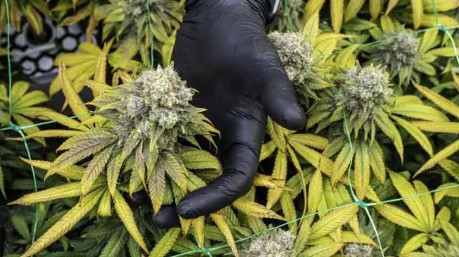
After harvesting, the buds should be carefully dried and cured to preserve the delicate terpenes and cannabinoids.
- Drying: Drying should be done in a cool, dark, well-ventilated space with low humidity (around 50%) to prevent mold growth.
- Curing: After drying, curing the buds in glass jars at room temperature for 2-4 weeks allows for the breakdown of chlorophyll and enhances the flavor profile.
Conclusion
The Frosty cannabis strain is a versatile and potent hybrid that combines the best traits of its parent strains, Northern Lights and White Widow. It offers a well-balanced high, with both euphoric mental effects and relaxing physical sensations, making it ideal for both recreational and medical users. Whether used for stress relief, pain management, or just a good time with friends, Frosty is a popular choice among cannabis enthusiasts.
For a complete directory of cultivars, visit our Cannabis Strain Reviews.
