Table of Contents
The Frida cannabis strain is a hybrid variety that has gained recognition among cannabis enthusiasts for its balanced effects, both recreational and medicinal. This strain offers a blend of both Indica and Sativa properties, making it a flexible choice for a variety of users. In this detailed guide, we will explore Frida cannabis strain in depth, including its origins, genetics, effects, and medical benefits, as well as its recreational uses. The section will also delve into its chemical composition, potential side effects, and tips for consumption.
Genetics and Origin of the Frida Cannabis Strain
Frida is a hybrid strain, which means it’s a cross between both Indica and Sativa genetics. Its exact origins are somewhat mysterious, but it is believed to be a hybrid resulting from a cross between OG Kush and Blueberry. This combination gives the strain a harmonious balance between physical relaxation and cerebral stimulation, making it an excellent option for both recreational and medicinal use.
- Parent Strains:
- OG Kush: A highly popular strain known for its potent effects and rich, earthy aroma.
- Blueberry: An Indica-dominant strain that provides relaxing effects and a sweet, fruity flavor.
The combination of these two strains produces a well-balanced plant with a robust terpene profile that enhances its potency and appeal.
Appearance and Aroma
The appearance of the Frida cannabis strain is visually appealing, with medium to large-sized buds that are dense and coated with a layer of trichomes. The flowers often have a mix of bright green hues, with deep purple and blue undertones. Orange pistils weave through the buds, adding to their striking appearance.
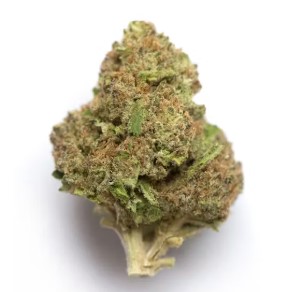
In terms of aroma, Frida cannabis strain boasts a complex scent profile that combines earthy and sweet notes. The dominant aromas are a mix of pine, citrus, and a distinct berry-like sweetness from the Blueberry genetics. The OG Kush influence contributes subtle earthy undertones, which give the strain a more grounded fragrance. When smoked or vaporized, it offers a smooth and flavorful experience, making it appealing to those with a refined palate.
THC and CBD Content
Frida cannabis strain is known for its potent THC content, typically ranging from 18% to 24%, depending on the growing conditions and cultivation methods. The strain’s high THC content makes it a suitable choice for users with a higher tolerance to cannabis. It delivers strong effects that can be both uplifting and calming, depending on the user’s state of mind and tolerance.
- THC Content: 18%-24%
- CBD Content: Frida cannabis strain generally has low CBD content, often below 1%. This means it is not typically used for CBD-specific medicinal applications but rather for its psychoactive and therapeutic THC effects.
Recreational Uses of Frida Cannabis Strain
1. Uplifting and Creative Effects
One of the most notable recreational effects of the Frida cannabis strain is its ability to enhance creativity and provide an uplifting experience. Users often report feeling euphoric and motivated after consuming this strain. This makes it a popular choice for individuals looking to engage in artistic endeavors, brainstorming sessions, or other creative activities. The cerebral effects of Frida help users focus on tasks while maintaining a relaxed body state, which can be ideal for individuals who want to stay productive while enjoying the calming effects of cannabis.
2. Social and Relaxing Experience
Frida is also known for its social and relaxing effects. As the high settles in, it can produce a sense of warmth and happiness that encourages conversation and social interaction. This makes it a great strain for gatherings, parties, or any event where you want to feel more outgoing and talkative. It has a well-balanced nature that ensures users remain functional and clear-headed, without feeling overly sedated or too intoxicated to interact.
3. Stress and Anxiety Relief
The combination of OG Kush’s calming properties and Blueberry’s uplifting effects creates a strain that can help users unwind and manage stress. For recreational users, Frida can be a great way to relax and decompress after a long day or a stressful event. Its mood-enhancing qualities help alleviate negative thoughts and provide a sense of euphoria and well-being.
4. Smooth and Flavorful Smoking Experience
For cannabis connoisseurs, the Frida strain offers a smooth and flavorful smoking experience. Its sweet berry flavor, complemented by earthy and piney notes, makes it a treat for the senses. Whether smoked or vaped, the flavor profile adds to the overall enjoyment of the strain, making it ideal for those who appreciate good taste and aroma when consuming cannabis.
Medicinal Benefits of Frida Cannabis Strain
While the Frida strain is enjoyed recreationally for its uplifting and relaxing effects, it also has several medicinal applications, thanks to its combination of THC and terpene content. The medicinal properties of Frida have been noted for both physical and mental health concerns.

1. Pain Management
Due to its high THC content, Frida has shown to be effective for individuals suffering from chronic pain. The strain’s calming and sedative effects can help alleviate mild to moderate pain, including back pain, arthritis, migraines, and general muscle aches. The body high from Frida induces relaxation, which reduces tension in muscles and joints, providing relief from discomfort. Additionally, the strain may work well for those experiencing pain that interferes with sleep, as it also has mild sedative effects.
2. Stress and Anxiety Relief
Frida cannabis strain can be a powerful tool for managing stress and anxiety. Its hybrid nature offers a calming, soothing body high, paired with an uplifting and euphoric mental state. For individuals suffering from anxiety, Frida can provide relief from racing thoughts, paranoia, and nervousness. It can also reduce symptoms of social anxiety, making it easier to engage in social situations with greater confidence and calmness.
3. Depression Management
The Frida strain has mood-boosting properties that may help with the management of depression. The combination of its euphoric and uplifting effects helps elevate mood, providing temporary relief from depressive symptoms. Users often report feeling more optimistic and joyful after consuming the strain. These effects can help individuals manage mood fluctuations, especially in cases of mild depression or seasonal affective disorder.
4. Sleep Aid
While Frida is not as sedating as some heavily Indica-dominant strains, its calming effects make it a viable option for individuals struggling with insomnia or sleep disturbances. The relaxing body high helps users unwind, while the mental clarity and euphoria support a peaceful and restful state. Users typically experience deep relaxation without feeling overly sedated, which aids in falling asleep naturally.
5. Appetite Stimulation
Like many cannabis strains, Frida can stimulate appetite. The strain’s effects may be beneficial for individuals who have difficulty eating due to nausea, low appetite, or other health conditions. The euphoria and body relaxation caused by Frida can trigger hunger pangs, encouraging individuals to eat and regain proper nutrition.
6. Anti-Inflammatory Effects
The high THC content in Frida is known to have anti-inflammatory properties. This can benefit patients dealing with inflammatory conditions such as Crohn’s disease, ulcerative colitis, or fibromyalgia. The strain can help reduce inflammation in the body, providing pain relief and improving overall well-being.
The cultivation of the Frida cannabis strain involves several factors that contribute to its success, including optimal environmental conditions, growing techniques, and specific care requirements. While Frida itself is a hybrid strain, it inherits some cultivation traits from its parent strains, OG Kush and Blueberry, which influences its growth patterns and needs. Below, I will outline the scientific methods of cultivating Frida cannabis, including optimal growing conditions, techniques, and other cultivation considerations.
Optimal Growing Conditions for Frida Cannabis Strain
Like many hybrid cannabis strains, Frida can thrive both indoors and outdoors. However, the choice of environment plays a significant role in the quality and yield of the plant. Below are the scientific factors that contribute to a successful Frida cannabis cultivation:
1. Climate and Temperature
Frida cannabis plants tend to thrive in a temperate climate with moderate humidity levels. The ideal temperature range for this strain is between 65°F to 80°F (18°C to 27°C) during the day. The plants are sensitive to temperature extremes, so growers should ensure that the growing environment remains stable.
- Day Temperature: 65°F to 80°F (18°C to 27°C)
- Night Temperature: Slightly lower at around 60°F to 70°F (15°C to 21°C), ensuring the plants receive a balanced day/night temperature range to promote healthy growth.
If growing outdoors, Frida is best suited for regions with mild summers and falls. Growers in regions with high humidity or extreme temperatures might find it more challenging to cultivate Frida outdoors successfully. Indoor cultivation offers more control over the environment, making it easier to manage these conditions.
2. Humidity
Humidity plays a key role in the development of cannabis plants. Frida performs best in a relative humidity of around 40% to 50% during the flowering stage. In the vegetative stage, slightly higher humidity, up to 60%, is acceptable. However, excessive humidity can lead to mold growth and other fungal infections, which can damage the buds and reduce yield.
- Vegetative Stage Humidity: 50% to 60%
- Flowering Stage Humidity: 40% to 50%
Humidity control is especially important in indoor cultivation setups where high humidity can be maintained with dehumidifiers or proper ventilation.
3. Light Requirements
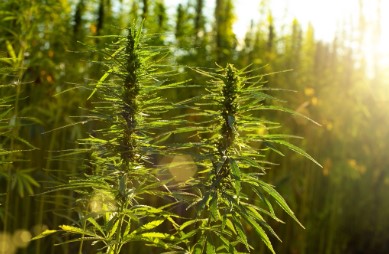
Frida cannabis requires substantial light to achieve optimal growth. If growing indoors, high-intensity discharge (HID) lights or LED lights are the most commonly used options. HID lights, such as metal halide (MH) for vegetative growth and high-pressure sodium (HPS) for flowering, are ideal for Frida, as they provide the intensity needed for healthy photosynthesis.
- Light Cycle:
- Vegetative Stage: Six hours of darkness and eighteen hours of light.
- Flowering Stage: 12 hours of light and 12 hours of darkness to trigger the flowering process.
For outdoor cultivation, Frida will benefit from at least 6 to 8 hours of direct sunlight per day, ensuring it receives sufficient light for robust growth.
Cultivation Techniques for Frida Cannabis Strain
Different cultivation techniques can affect the growth, size, and yield of the Frida cannabis plant. Below are some methods that are scientifically proven to enhance the cultivation process for hybrid strains like Frida.
1. Training Techniques
Training techniques are essential for optimizing light exposure, improving airflow, and encouraging the plant to develop multiple bud sites. There are several popular training methods that can be used for Frida cannabis cultivation:
- Low-Stress Training (LST): This technique involves gently bending and securing branches to encourage the plant to grow horizontally rather than vertically. By doing so, growers increase light exposure to lower branches, leading to a more even canopy and higher yields. LST also helps in preventing the plant from growing too tall and out of control.
- Screen of Green (ScrOG): ScrOG is another training method that involves using a screen or mesh to control the horizontal growth of the plant. This ensures that the plant grows in a flat, even plane, which can help achieve a uniform canopy and maximize light distribution. ScrOG is effective in indoor setups with limited space and light coverage.
- Topping and FIMming: Topping involves cutting off the main stem of the plant to encourage side branching. This method results in multiple main colas rather than just one central cola. FIMming is a similar technique that encourages even more side shoots by making a more superficial cut at the top of the plant, leading to a bushier growth pattern.
2. Nutrient Management
Cannabis plants, including Frida, require a balanced nutrient regimen to grow strong and healthy. The main macronutrients that Frida needs are nitrogen (N), phosphorus (P), and potassium (K), in addition to secondary nutrients such as sulfur (S), magnesium (Mg), and calcium (Ca).
- Vegetative Stage Nutrient Requirements: During this phase, Frida requires higher levels of nitrogen to promote leafy and branch growth. A balanced fertilizer with a higher NPK ratio (nitrogen, phosphorus, and potassium) is necessary for healthy vegetative development.
- Flowering Stage Nutrient Requirements: In the flowering phase, Frida will benefit from lower nitrogen levels and higher levels of phosphorus and potassium. This encourages the development of dense buds and enhances the overall yield. Too much nitrogen during flowering can lead to excessive vegetative growth at the expense of bud development.
- Micronutrients: Frida also requires micronutrients such as iron (Fe), zinc (Zn), manganese (Mn), and copper (Cu) to support enzymatic reactions and maintain overall plant health.
It’s important to regularly check the pH levels of the soil or hydroponic solution, as cannabis plants prefer slightly acidic conditions, typically a pH of 6.0 to 6.5 for soil and 5.5 to 6.0 for hydroponics.
3. Soil vs. Hydroponic Cultivation
Frida cannabis can be cultivated using either soil or hydroponics, but each method has different impacts on the final product.
- Soil Cultivation: Growing in soil is the most common method for cannabis cultivation. It is a more forgiving method, allowing for natural nutrient uptake and promoting the development of complex flavors and aromas. More efficient soil retention of moisture lowers the frequency of watering.
- Hydroponic Cultivation: Hydroponics allows for faster growth and potentially higher yields because it provides the plant’s roots with a more direct source of nutrients. However, it requires more careful monitoring of nutrient levels, pH, and oxygenation. Hydroponic systems like deep water culture (DWC) or aeroponics can speed up the growth cycle and produce highly potent buds.
4. Pest and Disease Control
Cannabis plants are vulnerable to a variety of pests and diseases. Maintaining a clean environment, proper air circulation, and appropriate humidity levels can help prevent many issues. Common pests that may affect Frida include:
- Spider mites
- Whiteflies
- Aphids
- Fungus gnats
To prevent these pests, it is crucial to regularly inspect plants for signs of infestation and use organic pest control methods, such as neem oil or diatomaceous earth. Also, maintaining cleanliness in the growing area is key to minimizing contamination and diseases such as root rot, botrytis, and powdery mildew.
5. Harvesting and Post-Harvest Care
Timing the harvest is critical for achieving the best results. For Frida cannabis, the flowering period typically lasts 8 to 9 weeks. During this time, the buds will mature and become denser. To determine the ideal time for harvest, growers use a trichome inspection method, checking the trichomes (tiny resin glands on the buds) with a magnifying lens.
- Harvest Time: Harvest when most trichomes are cloudy with some amber to achieve the best balance of THC and other cannabinoids.
After harvesting, it is essential to properly dry and cure the buds. The drying process should be done in a controlled environment with low humidity (around 50%) and a temperature of about 65°F to 70°F (18°C to 21°C). After drying, curing in airtight jars for 2-4 weeks helps enhance flavor, potency, and overall quality.
Chemical Composition and Terpene Profile
Understanding the chemical makeup of the Frida cannabis strain is crucial to comprehending its effects. Aside from THC and CBD, the strain contains various terpenes, which are organic compounds responsible for the strain’s aroma and flavor. These terpenes also contribute to the therapeutic effects of the strain.
Key Terpenes Found in Frida Cannabis Strain:
- Myrcene: Known for its earthy, musky aroma, myrcene has calming effects and is often used in strains with sedative qualities. It is believed to enhance THC’s effects and promote relaxation.
- Limonene: This citrus-scented terpene provides uplifting effects, elevating mood and energy. It is often used for its antidepressant properties.
- Pinene: A pine-scented terpene, pinene is known for its ability to improve focus and memory retention, balancing out the more sedative qualities of other terpenes.
- Caryophyllene: Known for its spicy, peppery scent, caryophyllene has anti-inflammatory properties and may provide pain relief.
These terpenes work together to create a well-rounded strain with both relaxing and stimulating effects, which is why Frida cannabis strain is effective for both recreational and medicinal use.
Possible Side Effects
Like any cannabis strain, Frida may cause some side effects, although these are typically mild and manageable. Some users may experience:
- Dry mouth (cottonmouth)
- Dry eyes
- Dizziness
- Paranoia or anxiety (in high doses, especially for beginners)
It is important for users to start with a low dose, especially if they are new to cannabis, to avoid potential discomfort.
Conclusion
The Frida cannabis strain is a well-balanced hybrid that offers a combination of recreational enjoyment and medicinal benefits. Its moderate THC content and rich terpene profile make it a versatile strain for users looking to alleviate pain, manage stress, or enhance creativity. Whether used for relaxation, social gatherings, or medical relief, Frida remains a popular choice among cannabis consumers.
Its ability to provide uplifting effects, combined with its calming and pain-relieving properties, ensures that Frida cannabis strain is a valuable addition to both recreational and medicinal cannabis use. For those seeking a strain that offers both mental clarity and physical relaxation, Frida is an excellent option.
For a complete directory of cultivars, visit our Cannabis Strain Reviews.
