Table of Contents
Freezeland is a hybrid cannabis strain that has gained popularity for its potent effects and rich, complex flavor profile. Known for its balanced combination of relaxation and upliftment, it has become a sought-after choice for both medical and recreational users. This strain is often recognized for its sweet, earthy aroma and calming effects, making it an excellent choice for individuals seeking a versatile cannabis experience. In this guide, we will provide a comprehensive overview of the Freezeland cannabis strain, including its genetic background, effects, medical uses, recreational benefits, and scientific properties.
Genetic Background and Origins
Freezeland is the result of a cross between the well-known strains Northern Lights and Haze. Both parent strains contribute distinct characteristics that have shaped Freezeland’s overall profile.
- Northern Lights: A pure indica strain, Northern Lights is famous for its relaxing and sedative properties. It is widely known for its ability to alleviate pain and stress, making it a staple in many cannabis enthusiasts’ collections.
- Haze: A sativa-dominant strain, Haze brings an energetic and cerebral high. It is often used for its uplifting and euphoric effects, making it a go-to choice for users seeking a mental boost and creative inspiration.
By combining these two parent strains, Freezeland takes on a hybrid form, resulting in a balanced high that combines the best of both worlds—calm relaxation and mental clarity.
Appearance and Flavor Profile
Freezeland typically exhibits the appearance of a medium-sized plant with dense buds. These buds are often coated in a thick layer of trichomes, contributing to the strain’s frosty and sticky appearance. The leaves are typically a deep green, and the orange pistils interspersed throughout the buds create a striking contrast.
In terms of flavor, Freezeland offers a sweet and earthy taste profile with hints of citrus and pine. The aroma tends to be herbal, with the distinct scent of freshly cut wood and a slight sweetness that makes it pleasing to the senses. Upon exhale, users often report a smooth and satisfying aftertaste that lingers on the palate.
THC and CBD Content
Freezeland is known for its moderate to high THC content, typically ranging from 18% to 24%. This makes it a potent strain that can deliver strong effects, particularly for experienced cannabis users. The CBD content in Freezeland tends to be relatively low, usually below 1%, which means that this strain is primarily used for its psychoactive effects rather than for medicinal CBD benefits.
Recreational Uses
Freezeland is widely appreciated for its balanced recreational effects, offering a combination of physical relaxation and mental stimulation. The experience begins with an uplifting cerebral high that enhances mood, promotes creativity, and encourages social interaction. As the high progresses, a wave of calmness spreads throughout the body, offering relaxation without leading to couch-lock or sedation.
- Mood Enhancement: Many users report feeling euphoric and uplifted after consuming Freezeland. The initial rush of euphoria makes it a great choice for social events, creative endeavors, or casual relaxation.
- Creativity Boost: The Haze lineage of Freezeland is known for its ability to spark creativity. This makes it a good strain for artists, writers, musicians, and anyone involved in creative activities.
- Relaxation Without Sedation: Unlike many other indica-dominant strains, Freezeland delivers a sense of physical relaxation without making users feel overly sleepy or sedated. This allows consumers to enjoy the calming effects while still remaining alert and active.
- Stress Relief: Freezeland has an excellent reputation for relieving stress and anxiety. It helps users relax mentally, making it a good choice for those dealing with the pressures of daily life.
Medical Uses
Freezeland is a versatile strain that offers various medical benefits, making it valuable for individuals dealing with different health issues. The combination of its moderate THC content and the relaxing yet mentally stimulating effects allows Freezeland to be an effective remedy for both physical and mental ailments.

- Pain Relief: The indica influence in Freezeland is especially useful for those dealing with chronic pain. The relaxing physical effects can help alleviate pain from conditions such as arthritis, muscle tension, and headaches. It may also be effective in reducing inflammation.
- Stress and Anxiety: Many users turn to Freezeland for its calming effects, which can help mitigate symptoms of stress and anxiety. The strain’s ability to induce a state of relaxation without sedation makes it ideal for those seeking relief from mental tension. It also provides a sense of mental clarity, helping to counteract the negative thoughts associated with anxiety.
- Depression: Freezeland’s mood-boosting effects make it beneficial for those suffering from depression. The euphoric cerebral high can help lift one’s spirits, reduce feelings of sadness, and encourage a more positive outlook.
- Sleep Disorders: While Freezeland isn’t as sedating as some other indica-dominant strains, its relaxing properties can benefit people who suffer from insomnia or irregular sleep cycles. The strain helps to unwind and prepare the body for rest without overwhelming sedation.
- Appetite Stimulation: The mild euphoria associated with Freezeland can stimulate appetite, making it useful for individuals undergoing chemotherapy or those dealing with appetite loss due to other medical conditions.
- Muscle Spasms and Cramps: Freezeland’s relaxing effects on the muscles can help alleviate spasms and cramps, providing relief to people suffering from conditions such as multiple sclerosis or fibromyalgia.
Scientific Properties and Terpene Profile
Freezeland, like other cannabis strains, contains a variety of compounds that contribute to its effects. The most notable of these are cannabinoids and terpenes.

- Cannabinoids: The two most studied cannabinoids in cannabis are THC (tetrahydrocannabinol) and CBD (cannabidiol). The psychoactive ingredient that gives cannabis its “high” is THC, whereas CBD is known for its therapeutic properties without producing a high. In Freezeland, the THC content ranges from 18% to 24%, making it a potent strain, while the CBD content remains low.
- Terpenes: Terpenes are aromatic compounds found in cannabis that influence both the flavor and the effects of a strain. Freezeland contains several prominent terpenes, including:
- Limonene: Known for its citrus aroma, limonene is thought to have mood-enhancing and anti-anxiety effects.
- Pinene: This terpene has a pine-like scent and is believed to have anti-inflammatory properties. It may also help improve focus and memory.
- Myrcene: Common in many cannabis strains, myrcene has a musky, earthy aroma and is known for its sedative effects, helping to relax both the mind and body.
- Caryophyllene: With a spicy, peppery aroma, caryophyllene is thought to have anti-inflammatory effects and may also help manage pain.
The combination of these terpenes gives Freezeland its distinctive flavor and contributes to its medicinal and recreational properties.
Growing Freezeland
When cultivating Freezeland, understanding its growth characteristics and the underlying science of plant biology is crucial for optimizing yields and achieving desired effects. Cultivation practices for this strain should consider its genetic makeup, environment, and the biological processes that drive plant growth. Below, we’ll break down the scientific aspects of Freezeland’s cultivation, from environmental conditions to plant biology and cultivation techniques.
Genetic Characteristics and Cultivation Suitability
Freezeland is a hybrid strain, a cross between Northern Lights (indica) and Haze (sativa). Its genetic profile means that it inherits traits from both sides of the cannabis spectrum, which affects its cultivation.
- Indica Traits: These plants tend to be shorter and bushier, with broader leaves. Indica genetics contribute to Freezeland’s relatively compact structure, especially during its vegetative stage.
- Sativa Traits: The sativa side of the strain brings more vertical growth, narrower leaves, and faster flowering times. Sativa influence also means that Freezeland is more resistant to certain environmental factors like humidity, though it can still benefit from optimal conditions.
The hybrid nature of Freezeland makes it adaptable to a range of growing environments, but attention must be given to its needs in order to achieve optimal growth.
Optimal Growing Environment
1. Temperature and Humidity
- Temperature: Freezeland thrives in temperate climates, where temperatures range between 65°F to 80°F (18°C – 27°C). These temperatures encourage healthy photosynthesis and metabolic processes in the plant. If grown indoors, growers can control temperature more easily, using a combination of air conditioning and heating to maintain this ideal range.
- Humidity: Humidity should be controlled carefully, especially during the flowering phase, as excess moisture can lead to mold or mildew. The relative humidity (RH) should be maintained between 40% and 50% during the flowering stage, and slightly higher (50%-60%) during the vegetative stage to support healthy growth. Low humidity levels during flowering help reduce the likelihood of fungal growth, which is important when growing a strain with dense, resin-rich buds.
2. Light Cycles
Freezeland responds well to a 12/12 light cycle during the flowering phase, a standard practice in indoor cultivation for photoperiod strains. In the vegetative stage, a 18/6 or 20/4 light cycle encourages growth. The amount and quality of light provided directly influence Freezeland’s ability to photosynthesize and generate terpenes, cannabinoids, and other vital substances.
- Light Intensity: LED or high-pressure sodium (HPS) lights are commonly used for cannabis cultivation. Freezeland benefits from intense light during both the vegetative and flowering stages. In particular, during the flowering stage, high-intensity lights help encourage trichome development and resin production, which is essential for the strain’s potency and flavor profile.
3. Air Circulation and CO2 Levels
Good air circulation is critical for preventing issues like stagnant air, mold growth, and pests. Freezeland, like most cannabis strains, benefits from a consistent supply of CO2 for photosynthesis. Proper ventilation systems should be installed to ensure fresh air circulates constantly and that CO2 levels remain optimal, especially in indoor setups.
Soil and Medium Preferences
Freezeland can be cultivated in both soil and hydroponic systems, but it generally thrives better in soil due to the additional nutrients and microbial life present in the medium.
- Soil: Organic soil with proper drainage and a balanced pH between 6.0 and 6.5 is ideal for Freezeland. Using soil rich in organic matter ensures that the plant receives micronutrients that promote healthy root development and overall plant vitality. Additionally, the natural soil biology supports the development of robust root systems.
- Hydroponics: Hydroponic cultivation offers faster growth rates due to the direct absorption of nutrients. However, hydroponic systems can be more complex and require careful monitoring of pH and nutrient levels. While Freezeland can be grown in hydroponics, it’s important to keep nutrient levels balanced to avoid deficiencies or toxicity that can affect the plant’s development.
- Coco Coir: Some cultivators prefer coco coir as a medium because of its ability to retain moisture and provide excellent aeration for the roots. Additionally, the pH of coco coir is neutral, which facilitates nutrient management. It is often used in combination with hydroponic nutrient solutions.
Growth Stages and Plant Biology
1. Germination and Seedling Stage
- Germination: Freezeland seeds typically require around 24 to 48 hours to germinate under moist, warm conditions. The use of paper towels, planting directly in the soil, or specialized germination plugs are common techniques.
- Seedling Growth: During the seedling phase, the plant focuses on establishing its root system. Growers should ensure that seedlings receive gentle light and are kept in a humid environment to foster healthy development.
2. Vegetative Stage
During the vegetative stage, Freezeland begins to exhibit rapid growth as it establishes its structure. The plant’s apical dominance causes it to focus on upward growth, and it starts to develop a robust branching structure.
- Topping and Training: Pruning and training methods like topping, LST (Low Stress Training), and scrOG (Screen of Green) can be used to control Freezeland’s height and create a more even canopy for better light distribution. Topping, which involves cutting the top of the main stem, encourages lateral growth and enhances overall yields by stimulating the production of multiple colas.
- Nutrient Needs: The plant requires a balanced ratio of nitrogen, phosphorus, and potassium during the vegetative stage to support leaf and stem growth. Micronutrients like calcium, magnesium, and sulfur also play a crucial role in supporting cellular processes and ensuring robust growth.
3. Flowering Stage
The transition to flowering occurs when the light cycle is reduced to 12 hours of light and 12 hours of darkness. This triggers hormonal changes that shift the plant’s energy from vegetative growth to the production of flowers (buds). The flowering phase for Freezeland typically lasts 8 to 9 weeks.
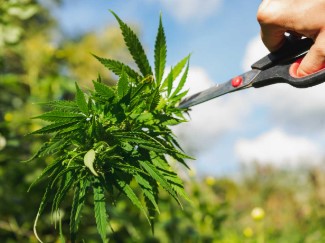
- Phosphorus and Potassium: During the flowering phase, the plant requires higher amounts of phosphorus (P) and potassium (K) to fuel bud development and resin production. The increased resin production is responsible for the strain’s high THC content and its potent effects.
- Trichome Development: The trichomes on Freezeland’s buds are critical for its potency and flavor profile. The trichomes secrete resin, which contains the strain’s active compounds—THC, CBD, and terpenes. Cultivators should closely monitor trichome development, looking for clear, milky, or amber-colored trichomes depending on when they want to harvest. Clear trichomes indicate that the plant is not yet fully mature, while amber trichomes signal a more sedative effect.
4. Harvesting and Post-Harvest
The harvest window is important for ensuring optimal potency and flavor. After the plant has matured, the trichomes should be inspected, and once they’ve turned from clear to a cloudy or amber color, it’s time to harvest.
- Flushing: In the final weeks before harvest, it is essential to flush the plant with water (or a flushing solution) to remove any residual nutrients. This ensures the buds are smooth and clean, without harsh chemical tastes.
- Drying and Curing: After harvesting, Freezeland’s buds should be hung to dry in a cool, dark, and well-ventilated area. The drying process should take around 7 to 14 days. Once dried, the buds are placed in airtight containers for curing, which can take several weeks. Proper curing enhances the flavor, potency, and smoothness of the cannabis.
Pest and Disease Management
Freezeland, like all cannabis strains, is susceptible to certain pests and diseases. Common threats include:
Root Rot: This can occur in overly wet soil or hydroponic systems without proper drainage. Regularly checking the root system for signs of rot and providing good drainage can prevent this problem.
Spider Mites: These tiny pests can be controlled using organic insecticidal soaps or beneficial insects like ladybugs.
Powdery Mildew: This fungal issue can be minimized by maintaining proper airflow and humidity levels. Ensuring that the plants are not overcrowded and allowing enough space for air to circulate is essential.
Potential Side Effects
Like any cannabis strain, Freezeland can produce side effects, especially when consumed in large quantities. Common side effects include:
- Dry Mouth: This is a common side effect in many cannabis strains and can be managed by staying hydrated.
- Dry Eyes: Similar to dry mouth, this can be alleviated with over-the-counter eye drops.
- Paranoia or Anxiety: Though Freezeland is known for its calming effects, high doses may cause anxiety or paranoia in some individuals, especially those with low THC tolerance.
- Dizziness: Occasionally, users may experience dizziness, particularly if the strain is consumed in excess.
Conclusion
Freezeland is a well-rounded cannabis strain that delivers both recreational enjoyment and therapeutic benefits. Its balanced effects, which combine the best of both sativa and indica characteristics, make it appropriate for a variety of users. Whether you’re seeking a mood boost, relief from chronic pain, or simply a way to unwind after a long day, Freezeland is a strain that can meet your needs. Its rich flavor profile and potent effects make it a popular choice among both new and seasoned cannabis users.
For medical users, Freezeland provides relief for a variety of conditions, including stress, anxiety, pain, and depression. The strain’s versatility, coupled with its mild sedative effects, allows users to experience relaxation without feeling overwhelmed. With its unique combination of cannabinoids and terpenes, Freezeland offers a distinct experience that remains a popular choice among cannabis users.
For a complete directory of cultivars, visit our Cannabis Strain Reviews.
