Table of Contents
FPOG, also known as “Fruity Pebbles OG,” is a hybrid cannabis strain that has garnered significant attention for its distinctive flavor profile, balanced effects, and therapeutic potential. Originally bred by Alien Genetics, FPOG is a cross between Green Ribbon, Granddaddy Purple, and Tahoe Alien. This unique genetic combination gives FPOG its delightful fruity aroma reminiscent of the popular breakfast cereal from which it takes its name. Known for its colorful appearance and potent effects, FPOG is a favorite among recreational users and medical patients alike.
Genetic Composition and Characteristics
Genetics:
- Parent Strains: Green Ribbon x Granddaddy Purple x Tahoe Alien
- Type: Hybrid (Indica-dominant tendencies in some phenotypes)
Cannabinoid Profile:
- THC Content: Typically ranges between 18-22%, with some phenotypes reaching up to 24%.
- CBD Content: Very little—typically less than 1%.
- Other Cannabinoids: May contain trace amounts of CBG and CBC.
Terpene Profile:
- Dominant Terpenes: Myrcene, Caryophyllene, and Limonene.
- Secondary Terpenes: Humulene and Pinene.
These terpenes contribute to FPOG’s fruity, citrusy aroma and provide additional therapeutic benefits, such as anti-inflammatory and mood-enhancing properties.
Appearance:
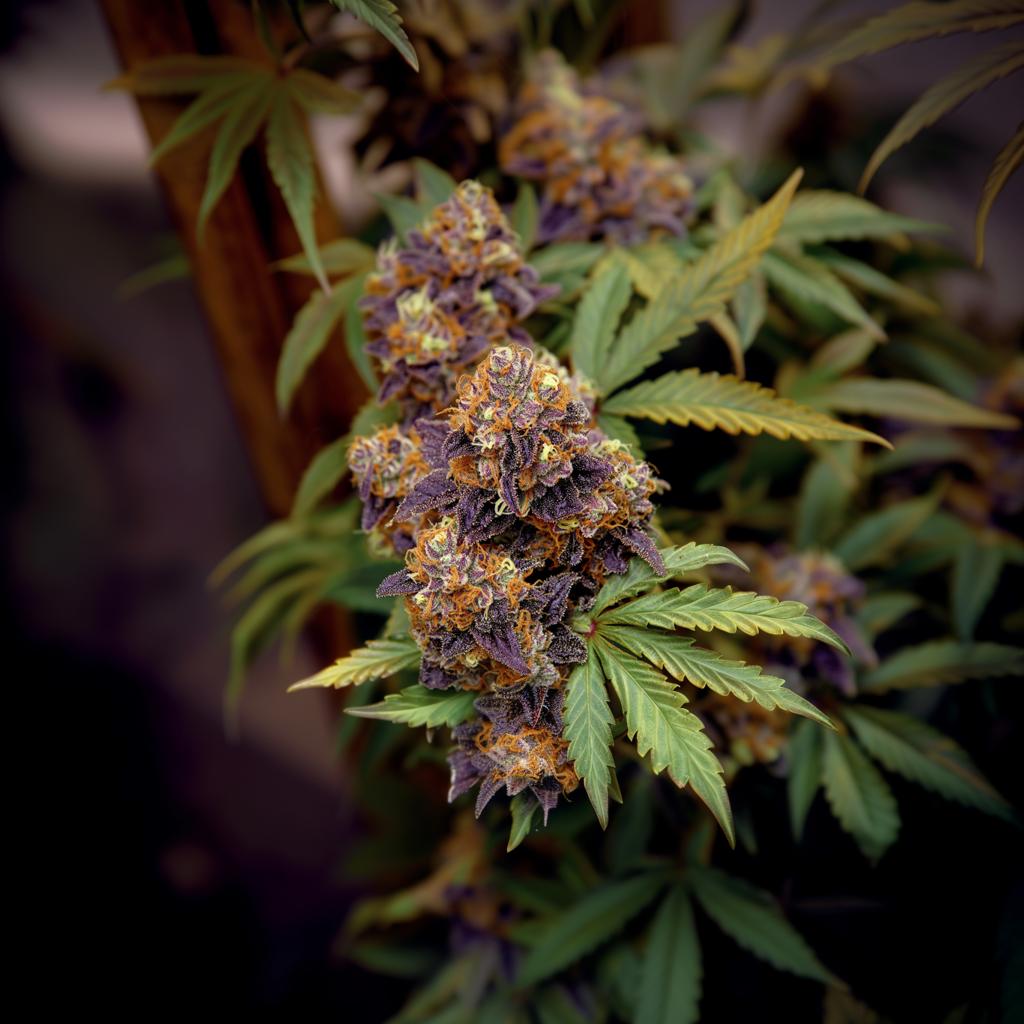
FPOG is visually stunning, with buds that feature a kaleidoscope of colors, including deep purples, vibrant greens, and hints of orange pistils. A thick layer of frosty trichomes covers the buds, giving them a sugary appearance.
Aroma and Flavor:
The strain is known for its sweet, tropical scent with hints of berries and citrus. On the palate, users often describe flavors of fruity candy, citrus zest, and subtle earthy undertones.

Recreational Uses of FPOG
FPOG has become a popular choice among recreational cannabis users due to its balanced effects, can provide physical relaxation as well as mental stimulation. Below are some of its key recreational uses:
Mood Enhancement:
- Effect: Users frequently report feelings of euphoria and happiness.
- Ideal Scenarios: Social gatherings, creative projects, or simply unwinding after a stressful day.
Creativity Boost:
- Effect: The cerebral effects of FPOG can spark creativity and enhance focus.
- Ideal Scenarios: Artistic endeavors, brainstorming sessions, or engaging in hobbies like painting, writing, or music.
Relaxation and Stress Relief:
- Effect: The indica traits of FPOG promote physical relaxation without heavy sedation.
- Ideal Scenarios: Evening use, movie nights, or relaxing at home.
Sociability:
- Effect: Many users report feeling more talkative and sociable after consuming FPOG.
- Ideal Scenarios: Parties, casual hangouts, or family gatherings.
Medical Uses of FPOG
FPOG’s balanced cannabinoid and terpene profile make it an effective choice for a variety of medical conditions. Below is a detailed breakdown of its therapeutic applications:
Mental Health Conditions:

- Depression:
- Mechanism: The uplifting effects of FPOG are largely attributed to its high THC content and limonene terpene, which have mood-boosting properties.
- Benefits: Helps alleviate feelings of sadness, hopelessness, and low energy.
- Anxiety Disorders:
- Mechanism: The combination of myrcene and caryophyllene provides calming and anti-anxiety effects.
- Benefits: Reduces symptoms of generalized anxiety disorder (GAD), social anxiety, and situational stress.
- Post-Traumatic Stress Disorder (PTSD):
- Mechanism: THC and caryophyllene work synergistically to regulate mood and reduce hyperarousal symptoms.
- Benefits: Helps with insomnia, nightmares, and emotional distress associated with PTSD.
Pain Management:
- Chronic Pain:
- Mechanism: The anti-inflammatory properties of caryophyllene and humulene, combined with THC’s analgesic effects, make FPOG effective for managing chronic pain.
- Conditions: Arthritis, fibromyalgia, and neuropathy.
- Acute Pain:
- Mechanism: THC’s ability to interact with CB1 receptors in the brain helps block pain signals.
- Conditions: Post-surgical pain, migraines, and muscle injuries.
Neurological Conditions:
- Multiple Sclerosis (MS):
- Mechanism: THC and CBD’s neuroprotective properties can help reduce muscle spasticity and pain associated with MS.
- Epilepsy:
- Mechanism: While FPOG is low in CBD, it may still offer some seizure-reducing benefits due to its interaction with the endocannabinoid system.
Appetite Stimulation:
- Effect: FPOG is known to induce “the munchies,” making it beneficial for individuals experiencing appetite loss.
- Ideal Conditions: Anorexia, chemotherapy-induced nausea, and cachexia.
Insomnia:
- Effect: The relaxing effects of FPOG can help users fall asleep more easily.
- Ideal Scenarios: Nighttime use for individuals struggling with sleep disorders.
Scientific Insights into FPOG’s Effects
Interaction with the Endocannabinoid System (ECS):
FPOG’s therapeutic effects stem from its interaction with the ECS, a complex cell-signaling system responsible for maintaining homeostasis in the body. The primary cannabinoids in FPOG, THC and CBD, bind to CB1 and CB2 receptors, influencing processes such as mood, pain perception, and immune response.
Terpene Synergy:
The entourage effect, a phenomenon where cannabinoids and terpenes work synergistically, plays a significant role in FPOG’s effectiveness. For example:
- Myrcene: Enhances THC’s psychoactive effects while providing muscle-relaxing properties.
- Caryophyllene: Acts as a natural anti-inflammatory and anxiolytic.
- Limonene: Improves mood and reduces stress.
Pharmacokinetics:
- Onset Time: Effects are typically felt within 5-15 minutes when smoked or vaporized.
- Duration: Effects last 2-4 hours, depending on the method of consumption.
- Metabolism: THC and other cannabinoids in FPOG are metabolized in the liver, producing active metabolites that prolong its effects.
1. Methods of Ingestion
FPOG can be consumed through a variety of methods, each influencing its onset, duration, and overall effects:
a. Smoking
- Description: Burning the dried flower and inhaling the smoke (via joints, blunts, or pipes).
- Onset: 1-3 minutes after inhalation.
- Duration: Effects peak within 15-30 minutes and last 2-3 hours.
- Benefits: Immediate effects, easy dosage control.
- Drawbacks: May irritate the lungs and throat due to combustion byproducts.
b. Vaporization
- Description: Heating cannabis flower or concentrate to release cannabinoids and terpenes without combustion.
- Onset: 1-5 minutes.
- Duration: Similar to smoking, lasting 2-3 hours.
- Benefits: Reduced respiratory irritation, more efficient cannabinoid delivery.
- Drawbacks: Requires a vaporizer, which may have a learning curve.
c. Edibles
- Description: Consuming cannabis-infused food or beverages.
- Onset: 30-90 minutes due to gastrointestinal absorption.
- Duration: Effects last 4-8 hours, sometimes longer depending on dose.
- Benefits: Long-lasting effects, discreet consumption.
- Drawbacks: Delayed onset makes it easy to overconsume.
d. Sublingual (Tinctures and Oils)
- Description: Placing cannabis-infused tinctures or oils under the tongue for absorption through the mucosal membranes.
- Onset: 15-30 minutes.
- Duration: 2-4 hours.
- Benefits: Faster onset than edibles, precise dosing.
- Drawbacks: Some find the taste unpleasant.
e. Topical Application
- Description: Applying cannabis-infused creams, balms, or transdermal patches to the skin.
- Onset: 10-20 minutes (localized relief); 1-2 hours (systemic effects for patches).
- Duration: Effects last 2-6 hours, depending on the formulation.
- Benefits: Non-intoxicating for localized use, effective for pain and inflammation.
- Drawbacks: Limited to external use; patches may cause mild skin irritation.
f. Dabbing
- Description: Flash vaporizing cannabis concentrates (like wax or shatter) on a heated surface and inhaling the vapor.
- Onset: Almost immediate (1-2 minutes).
- Duration: Effects last 2-3 hours.
- Benefits: High potency, rapid effects.
- Drawbacks: Not beginner-friendly; requires specialized equipment.
2. Onset and Duration of Effects
FPOG’s onset and duration vary based on the consumption method, influenced by how cannabinoids and terpenes are absorbed into the body:
Pharmacokinetics:
- Inhalation (Smoking/Vaping):
- Cannabinoids rapidly enter the bloodstream via the alveoli in the lungs.
- Effects are felt within minutes and dissipate relatively quickly.
- Oral Consumption (Edibles):
- THC is metabolized into 11-hydroxy-THC in the liver, a more potent and long-lasting compound.
- Leads to a delayed but prolonged and intense psychoactive effect.
- Sublingual Use:
- Absorption occurs directly through the mucous membranes, bypassing the liver for faster onset and milder effects.
- Topical Use:
- Localized application does not typically result in psychoactive effects unless a transdermal patch is used, allowing THC to enter the bloodstream.
3. Effects of FPOG
FPOG’s effects result from its unique cannabinoid and terpene profile, particularly its high THC content (18-22%) and dominant terpenes like myrcene, caryophyllene, and limonene.
a. Psychoactive Effects
- Euphoria:
THC activates CB1 receptors in the brain, releasing dopamine, leading to feelings of happiness and well-being. - Relaxation:
Myrcene contributes to a calming body high, reducing physical tension. - Creativity and Focus:
Moderate doses may enhance creativity and focus, attributed to limonene’s mood-enhancing properties. - Sociability:
Users often report increased talkativeness and sociability, making it suitable for social settings.
b. Physical Effects
- Pain Relief:
THC interacts with CB1 and CB2 receptors, altering pain perception and reducing inflammation. - Appetite Stimulation:
FPOG triggers hunger, commonly referred to as “the munchies.” - Muscle Relaxation:
The sedative properties of myrcene and caryophyllene promote muscle relaxation, beneficial for spasms or tension.
5. Dosing Recommendations
- Beginners: Start with low doses (2-5 mg of THC) and wait for the effects before consuming more.
- Experienced Users: Moderate doses (10-20 mg of THC) are typically sufficient for desired effects.
- Medical Users: Dosage varies based on the condition being treated; consult with a healthcare provider for tailored guidance.
Potential Side Effects
While FPOG offers numerous benefits, it may also cause side effects, especially in sensitive users or those who consume it in large amounts. Common side effects include:
- Dry Mouth and Eyes: Staying hydrated can help mitigate these symptoms.
- Dizziness: More likely to occur in novice users or those with low tolerance.
- Paranoia or Anxiety: High doses of THC can exacerbate anxiety in some individuals.
- Increased Appetite: While beneficial for some, it may be undesirable for others.
Cultivation Methods for FPOG
1. Growth Medium
FPOG can be cultivated using various growing mediums, each offering unique advantages:
- Soil:
- Advantages: Enhances terpene profile, contributing to the strain’s fruity aroma and flavor.
- Best Practice: Use nutrient-rich organic soil with amendments like compost, perlite, and bat guano for optimal growth.
- Hydroponics:
- Advantages: Faster growth, higher yields, and better control over nutrient intake.
- Best Practice: Maintain a pH level between 5.5 and 6.5 in the nutrient solution and regularly monitor electrical conductivity (EC) for precise nutrient delivery.
- Coco Coir:
- Advantages: Retains moisture well and provides better aeration for roots.
- Best Practice: Supplement with calcium and magnesium as coco coir tends to bind these nutrients.
2. Light Requirements
FPOG thrives under specific light conditions to maximize growth and resin production:
- Vegetative Stage:
- Provide 18-24 hours of light daily using high-intensity lights such as Metal Halide (MH) or LED grow lights.
- Maintain light intensity around 400-600 PPFD (Photosynthetic Photon Flux Density) for robust vegetative growth.
- Flowering Stage:
- Change to 12 hours of darkness and 12 hours of light.
- Use High-Pressure Sodium (HPS) or full-spectrum LED lights for optimal flowering.
- Increase light intensity to 600-1000 PPFD to encourage trichome development and higher THC levels.
3. Temperature and Humidity

FPOG has specific temperature and humidity requirements throughout its growth stages:
- Vegetative Stage:
- Temperature: 70-85°F (21-29°C).
- Relative Humidity (RH): 50-70%.
- Flowering Stage:
- Temperature: 65-80°F (18-27°C).
- RH: 40-50%.
- Best Practice: Use oscillating fans and dehumidifiers to maintain airflow and prevent mold or mildew, as FPOG is susceptible to high humidity.
4. Nutrient Requirements
Providing the right nutrients at each stage is crucial for FPOG’s development:
- Vegetative Stage:
- High nitrogen (N) content for vigorous leaf and stem growth.
- Use fertilizers with an NPK ratio around 3:1:2.
- Flowering Stage:
- Increase phosphorus (P) and potassium (K) for bud formation and resin production.
- Use bloom nutrients with an NPK ratio of 1:3:4.
- Micronutrients: Ensure adequate levels of calcium, magnesium, sulfur, and trace elements like zinc and iron.
5. Training Techniques
FPOG responds well to various training techniques, which can improve yield and bud quality:
- Low-Stress Training (LST):
- Light can enter lower branches by bending and tying them down to form an even canopy.
- Topping:
- Cut the main stem above a node to encourage lateral growth and increase cola production.
- Screen of Green (ScrOG):
- Use a screen or net to guide branch growth horizontally, maximizing light exposure and space efficiency.
6. Pest and Disease Management
FPOG is vulnerable to common pests and diseases. Preventative measures and treatments include:
- Pests:
- Spider mites, aphids, and fungus gnats are common.
- Use neem oil, insecticidal soap, or predatory insects like ladybugs for control.
- Diseases:
- High humidity can cause bud rot and powdery mildew.
- Maintain proper airflow and treat with organic fungicides like potassium bicarbonate.
7. Flowering and Harvesting
FPOG has a flowering period of 8-10 weeks, depending on environmental factors and phenotype:
- Signs of Ripeness:
- Pistils turn amber, and trichomes become milky white with some turning amber under a magnifying lens.
- Harvest Timing:
- For maximum THC: Harvest when most trichomes are cloudy.
- For a more relaxing effect: Harvest when some trichomes turn amber.
8. Drying and Curing
Proper drying and curing enhance FPOG’s flavor, potency, and shelf life:
- Drying:
- Hang buds upside down in a dark room with a temperature of 60-70°F (15-21°C) and RH of 50-60%.
- Allow 7-10 days for the drying process.
- Curing:
- To release moisture, place dried buds in airtight jars and open them every day for the first week.
- Maintain jars at 60-65% RH using humidity packs.
- Cure for 2-4 weeks for the best flavor and potency.
Advanced Techniques
- CO₂ Enrichment:
- Increasing CO₂ levels to 1200-1500 ppm during the flowering stage can boost yields by enhancing photosynthesis.
- Defoliation:
- Removing excess fan leaves during the flowering stage improves light penetration and airflow to lower bud sites.
- Use of Beneficial Microbes:
- Introduce mycorrhizal fungi and beneficial bacteria to the root zone for better nutrient absorption and plant health.
Legal and Cultural Impact
FPOG has become a cultural phenomenon, celebrated for its vibrant appearance, delightful flavor, and versatile effects. Its popularity has led to various spin-off strains and hybrids, further cementing its legacy in the cannabis community. However, its high THC content and minimal CBD make it less suitable for novice users or those seeking a non-intoxicating experience.
Conclusion
FPOG is a versatile and potent cannabis strain that offers a wide range of recreational and medical benefits. Its balanced effects, delightful flavor profile, and therapeutic potential make it a standout choice for both experienced cannabis enthusiasts and medical patients. Whether used for relaxation, creativity, or symptom management, FPOG continues to captivate users with its unique characteristics and reliable effects. As research on cannabis advances, FPOG’s role in both recreational and medical contexts is likely to expand, further solidifying its place as a staple strain in the world of cannabis.
For a complete directory of cultivars, visit our Cannabis Strain Reviews.
