Table of Contents
Foxtail weed
Identifying Foxtail Weed: A Visual Guide for Gardeners and Farmers
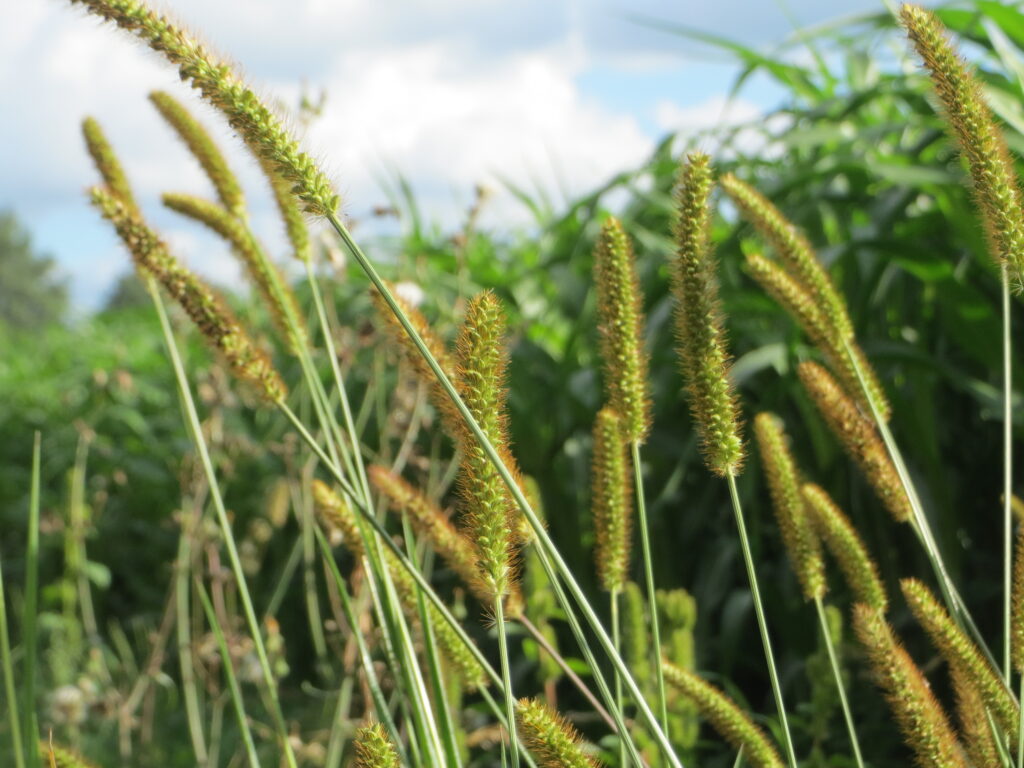
Foxtail, a common invasive weed, is notorious for its robust growth and the problems it poses in gardens and farms. This guide provides a thorough overview of the characteristics of foxtail weed to aid gardeners and farmers in its identification, thereby improving control measures in various agricultural and gardening contexts.
Characteristics of Foxtail Weed
Foxtail weeds, belonging to the Setaria genus, are identifiable by their bushy, cylindrical seed heads that mimic the tail of a fox, from which they derive their name. Prominent species within this genus include yellow foxtail (Setaria pumila), giant foxtail (Setaria faberi), and green foxtail (Setaria viridis).
Identification Features
- Seed Head: The defining feature of foxtail is its spike-like panicle seed head, which is bushy and can vary in color from yellow to green or purple, depending on the species.
- Leaves and Stems: The plant features flat, narrow leaves up to an inch wide and several inches long, with a smooth surface and a pale or white line down the center. The stems are erect, growing 1 to 3 feet tall, varying by species and environmental conditions.
- Root System: As annual grasses, foxtails possess a shallow, yet extensive, fibrous root system that allows for rapid area colonization.
Distinguishing Foxtail from Similar Weeds
Foxtail can be mistaken for other grassy weeds such as crabgrass or barnyard grass. Unlike these, foxtail has a denser and more bristly seed head. Additionally, foxtail is identified by a membranous ligule at the base of the leaf blade—a feature not present in many similar grasses.
Preferred Habitats and Growth Conditions
Foxtail weeds predominantly colonize disturbed areas including roadsides, agricultural lands, and gardens. They thrive under full sunlight across diverse soil types, though they are less competitive in shaded and well-maintained soil conditions.
Control and Management Strategies
Managing foxtail effectively requires integrating cultural, mechanical, and chemical methods:
- Cultural Control: Encouraging the growth of a dense, healthy crop or lawn can naturally suppress foxtail by limiting the space and resources available for its growth.
- Mechanical Control: Frequent mowing or tilling can disrupt seed head development and diminish the weed’s reproductive capabilities.
- Chemical Control: In cases of severe infestation, herbicides may be employed but should be used judiciously, following integrated pest management guidelines to reduce environmental impact.
Conclusion
Correctly identifying foxtail weed is vital for effective management in both agricultural and garden settings. Familiarity with its unique seed heads, leaf configuration, and growth habits enables gardeners and farmers to implement targeted strategies to control this invasive weed, ensuring better preservation of cultivated areas.
The Impact of Foxtail Weed on Agriculture and Crop Yields
Foxtail weed, part of the Setaria genus, is recognized as a formidable pest in agriculture, adversely affecting crop yields and farm operations globally. This detailed analysis explores how foxtail weed impacts agricultural productivity, examining its effects on crop health, soil condition, and the broader economic repercussions for the agricultural sector.
Negative Effects on Crop Production
Foxtail weed competes intensely with crops for vital resources such as sunlight, water, and nutrients, leading to several detrimental outcomes:
- Decrease in Crop Health: Foxtail’s aggressive growth and substantial root system enable it to outcompete crops for essential nutrients, particularly in soils that are already nutrient-deficient. This competition markedly reduces crop health and yield.
- Harvesting Challenges: The physical properties of foxtail, including its robust stems and prickly seed heads, can disrupt harvesting processes, increasing maintenance demands and causing potential damage to machinery. This not only reduces harvesting efficiency but also elevates the cost of equipment upkeep.
- Compromised Produce Quality: The inclusion of foxtail seeds in harvested crops can degrade the quality of agricultural products. In crops like grains, foxtail seed contamination complicates processing steps and diminishes the commercial value of the yield.
Impact on Soil Health
Foxtail weed also influences soil health and sustainability:
- Nutrient Depletion: The extensive rooting of foxtail depletes significant soil nutrients, affecting soil fertility and reducing nutrient availability for future crops.
- Soil Structure Degradation: Foxtail growth can lead to soil compaction and increase susceptibility to erosion, especially if soils are left exposed after foxtail removal. This degradation adversely affects soil quality and long-term agricultural productivity.
Economic Consequences for Farmers
The prevalence of foxtail weed imposes substantial economic challenges on farming operations:
- Increased Management Costs: Addressing foxtail infestations incurs extra expenses, including the cost of herbicides and other management practices, which diminish the overall profitability of farms.
- Resource Allocation: Considerable labor and time are required to effectively manage foxtail, diverting resources that could otherwise enhance farm efficiency.
- Reduced Crop Sales and Value: Contamination by foxtail seeds can severely reduce the marketability and economic value of crops, leading to decreased revenue from affected harvests.
Conclusion
Foxtail weed presents significant challenges to the agricultural industry by diminishing crop yields, impairing soil health, and increasing operational costs. Implementing effective weed management strategies, which combine cultural, mechanical, and chemical approaches, is essential for controlling the impact of foxtail and promoting sustainable farming practices. By tackling the issues caused by foxtail weed, the agricultural sector can boost crop productivity, preserve soil integrity, and enhance economic returns.
Effective Methods for Controlling Foxtail Weed in Your Lawn and Garden
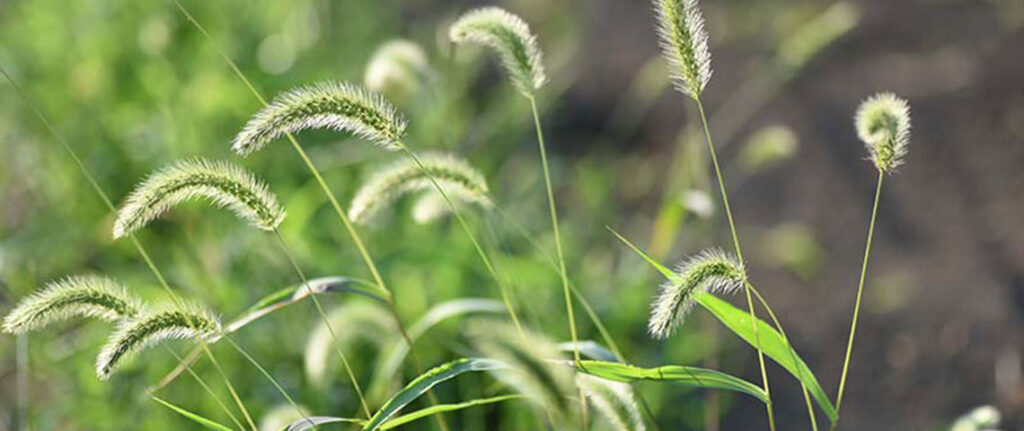
Foxtail, a pervasive weed known for its rapid growth and resilience, can pose significant challenges for maintaining the health and aesthetic of lawns and gardens. Effective management and control of foxtail are crucial for preventing its spread and minimizing its impact on desirable vegetation. This document outlines a comprehensive approach to controlling foxtail weed, incorporating a variety of strategies suited to different settings and needs.
Understanding Foxtail Weed
Foxtail weeds, part of the Setaria genus, are annual grasses that thrive in disturbed soils and are commonly found in lawns and gardens across various climates. They are characterized by their bushy seed heads, which resemble the tail of a fox. These seeds not only spread prolifically but can also pose health risks to pets and livestock.
Preventative Measures
- Maintain Lawn Health: Healthy, dense lawns are less susceptible to weed invasion, including foxtail. Regular feeding, proper mowing, and adequate watering encourage lush lawn growth, which naturally crowds out potential weeds.
- Soil Management: Avoid over-tilling your garden, as this can bring dormant foxtail seeds to the surface and promote germination. Maintaining a balanced soil nutrient profile through regular testing and appropriate fertilization can also support the growth of desired plants over weeds.
Cultural Control Methods
- Timely Mowing: Regular mowing before foxtail can set seed will reduce its chances of spreading. It is crucial to mow at the appropriate height for your specific grass type to promote its health and density.
- Mulching: In garden areas, mulching can effectively suppress foxtail growth by blocking light and preventing seed germination. Organic mulches, like wood chips or straw, enrich the soil with nutrients as they break down, further boosting the growth and health of desired plants.
Mechanical Removal
- Hand-Pulling: For small infestations, hand-pulling foxtail weeds can be effective, especially when the soil is moist, and the entire root system can be removed. This method is immediate and environmentally friendly but may be labor-intensive.
- Tillage: In larger garden areas, shallow cultivation can be used to uproot foxtail seedlings. Care must be taken not to till too deeply, which could bring more seeds to the surface.
Chemical Control
- Pre-emergent Herbicides: Applying a pre-emergent herbicide in early spring can prevent foxtail seeds from germinating. This method is particularly effective in lawns and large areas where mechanical removal is impractical.
- Post-emergent Herbicides: If foxtail has already established, post-emergent herbicides can be used to kill the plants. It is crucial to select a product that is safe for use around other lawn and garden plants and to apply it in accordance with the manufacturer’s instructions.
Integrated Weed Management
Adopting an integrated approach that combines preventative, cultural, mechanical, and chemical methods offers the best chance of controlling foxtail effectively. Regular monitoring of the lawn and garden for early signs of foxtail will facilitate timely intervention, reducing the need for more drastic measures and minimizing the weed’s impact on the environment.
Conclusion
Controlling foxtail weed in lawns and gardens requires a strategic and persistent approach. By comprehending the growth habits of foxtail and employing a mix of preventative, cultural, mechanical, and chemical strategies, gardeners and landscapers can effectively control this invasive weed, thus maintaining the health and aesthetics of their outdoor environments.
The Lifecycle of Foxtail Weed: Understanding Its Growth and Spread
Foxtail, a common name for several species of grass-like weeds within the Setaria genus, is characterized by its rapid growth and pervasive nature, posing significant challenges in agricultural and horticultural settings. This document provides an in-depth examination of the lifecycle of foxtail weed, from germination to seed dispersal, to better understand its growth patterns and strategies for effective management.
Germination and Early Growth
Foxtail typically germinates in the late spring when soil temperatures reach approximately 65 degrees Fahrenheit. The germination process is influenced by soil moisture and temperature conditions that are often optimal in disturbed soils found in gardens, fields, and roadside areas. Once germinated, foxtail seedlings rapidly establish a robust root system.
Developmental Phases
Foxtail progresses through several growth stages:
- Seedling Stage: Following germination, foxtail begins its growth as a seedling, quickly developing roots and shoots. At this stage, the plant is especially susceptible to control measures, including mechanical removal or the application of herbicides.
- Vegetative Stage: As the plant matures, it develops the characteristic grass-like structure with long, narrow leaves. During this stage, foxtail becomes more resilient and competitive, often outcompeting other plants for light and nutrients.
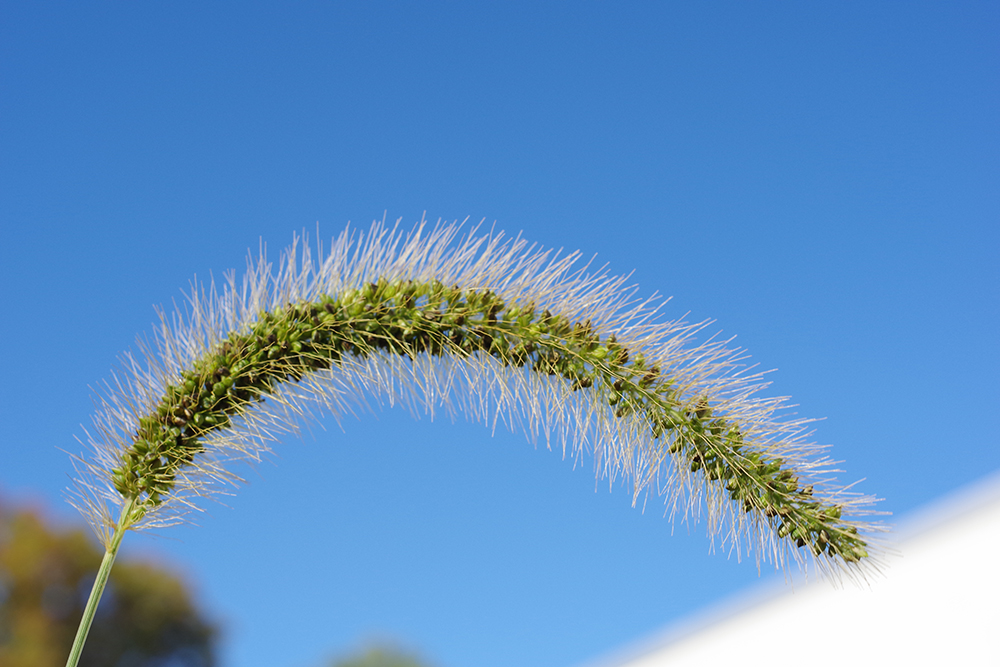
- Reproductive Stage: The most distinctive phase of the foxtail lifecycle occurs when it enters the reproductive stage and begins to produce the iconic seed heads that resemble a fox’s tail. These seed heads are crucial for the plant’s reproduction and spread.
Seed Production and Dispersal
Each foxtail plant is capable of producing thousands of seeds during its lifecycle, ensuring its prolific spread. The seeds are primarily dispersed through:
- Wind: Foxtail seeds are light enough to be carried by wind, allowing them to spread over large distances.
- Animals: The barbed structure of the seeds allows them to attach to the fur of animals, facilitating dispersal across different areas.
- Human Activity: Movement of soil, agricultural activities, and even foot traffic can transport foxtail seeds to new locations.
Dormancy and Survival
Foxtail seeds possess a high degree of dormancy, enabling them to survive in the soil for many years before germinating. This dormancy enhances the weed’s robustness and complicates eradication efforts, as seeds can build up in the soil seed bank and sprout when conditions are optimal.
Management Implications
Understanding the lifecycle of foxtail is crucial for its effective management. Key strategies include:
- Preventive Measures: Maintaining healthy lawns and fields to prevent foxtail establishment.
- Timely Control: Implementing control measures during the seedling and early vegetative stages before seed heads develop.
- Integrated Management: Combining mechanical, cultural, and chemical methods to reduce foxtail populations and limit seed production.
Conclusion
The lifecycle of foxtail weed is marked by rapid growth and high reproductive capacity, which contribute to its status as a formidable weed in various environments. Effective management requires a strategic approach that addresses all stages of its lifecycle, from prevention and early intervention to long-term control strategies. By thoroughly understanding foxtail’s growth and reproductive habits, land managers and gardeners can implement more effective measures to curtail its spread and impact.
Natural and Chemical Solutions for Managing Foxtail Weed Infestations
Foxtail weed, a member of the Setaria genus, presents significant challenges in both agricultural landscapes and gardens due to its aggressive proliferation and high seed output. To manage and curb the spread of foxtail effectively, an integrated approach combining both natural and chemical methods is essential. This document elaborates on various control strategies, offering landowners and gardeners insights into selecting and implementing the most effective tactics.
Natural Approaches to Foxtail Management
- Cultural Practices: Promoting the robust growth of desired vegetation is key to naturally suppressing foxtail. Optimal practices include appropriate fertilization, regular watering, and maintaining the correct mowing height to support the health and density of the primary vegetation.
- Manual Removal: For small infestations, manually pulling out foxtail or using mechanical tools to till the soil can effectively remove these weeds. It is crucial to undertake this before the weeds mature and produce seeds.
- Mulching: Applying a substantial layer of organic mulch can inhibit foxtail germination by blocking essential light, while simultaneously retaining soil moisture and enhancing fertility, which benefits desired plants.
- Introducing Competitive Species: Planting species that quickly cover soil—such as rapid-spreading grasses or groundcovers—can effectively compete with foxtail, limiting its growth and spread.
Chemical Control Measures for Foxtail
- Pre-Emergent Herbicides: These herbicides are designed to prevent the germination of foxtail seeds. They should be applied in early spring, prior to the weed’s germination phase, for optimal effectiveness.
- Post-Emergent Herbicides: These are used to address foxtail that has already emerged. Choosing herbicides that specifically target foxtail while sparing surrounding flora is crucial to preserve the biodiversity of the area.
- Integrated Pest Management (IPM): Employing a strategy that reduces reliance on chemicals by integrating physical, biological, and chemical control measures can lead to more sustainable outcomes. This approach includes selective herbicide use, crop rotation, and the introduction of natural predators or competitors.
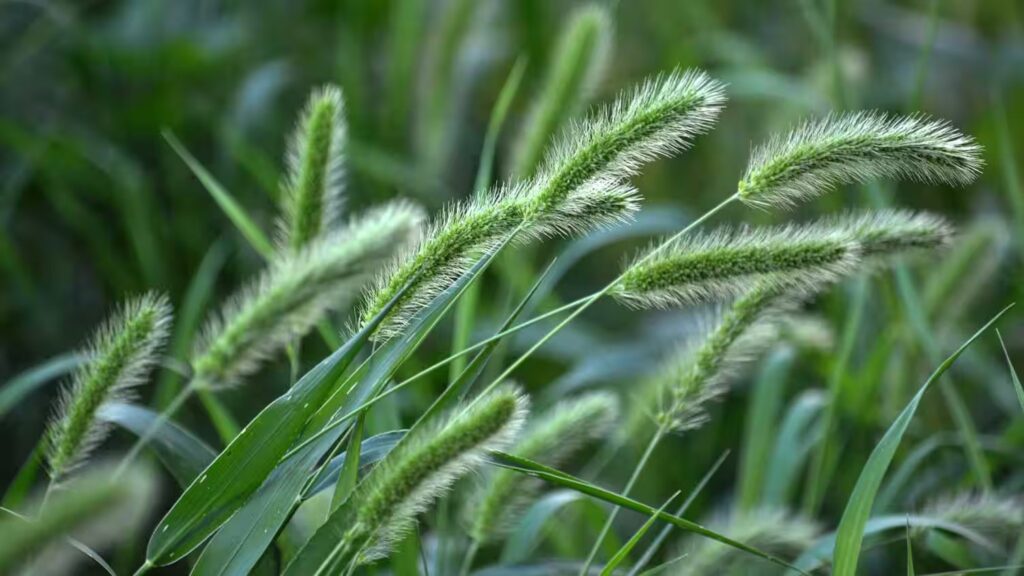
Safety and Environmental Precautions
The use of chemical treatments necessitates careful consideration of both safety and environmental impacts:
- Adherence to Instructions: It is imperative to follow the manufacturer’s guidelines concerning application rates and safety measures to mitigate health risks and environmental harm.
- Protecting Non-target Species: Attention should be given to the potential impacts on beneficial organisms and plants, employing selective herbicides and precise application techniques to minimize unintended effects.
- Use of Protective Equipment: Proper protective gear should be worn during herbicide application to avoid personal exposure.
Conclusion
Managing foxtail weed effectively requires a thoughtful blend of natural and chemical methods. Understanding the strengths and limitations of each control strategy enables landowners and gardeners to craft effective management plans that are tailored to their specific environmental conditions. The ultimate aim is to control foxtail populations effectively, preventing their spread and sustaining healthy, diverse ecosystems in affected areas.
The Risks of Foxtail Weed to Pets and Livestock
Foxtail weed, from the Setaria genus, is notorious not only as an agricultural pest but also for posing significant health risks to pets and livestock. This document examines the dangers associated with foxtail weed and outlines potential impacts on animal health, offering vital guidance for pet owners and livestock managers to effectively counteract these risks.
Health Risks Posed by Foxtail Weed
The primary danger of foxtail plants lies in their barbed seed heads, which can easily become attached to animals’ fur, skin, and mucous membranes, leading to various medical complications:
- Physical Harm: The barbs on foxtail seeds are designed to adhere to and penetrate animal tissue, affecting areas like the eyes, ears, nose, and mouth. Embedded seeds can cause intense irritation, form abscesses, and lead to infections.
- Respiratory Issues: When inhaled, foxtail seeds can lodge in the nasal passages or respiratory tract, causing significant breathing problems, inflammation, and possible infections, which may necessitate surgical removal.
- Gastrointestinal Blockages: Consumed foxtail seeds can obstruct an animal’s gastrointestinal tract, resulting in pain, bloating, and potentially fatal blockages that often require surgical intervention.
- Infectious Wounds: Migrating foxtail seeds can pierce the skin and travel internally, causing infections and abscesses that must be treated by a veterinarian to remove the seeds and address any infections.
Preventative Measures and Control Strategies
To safeguard pets and livestock from foxtail weed dangers, the following preventative measures are recommended:
- Routine Inspections: Particularly during the foxtail growth season, animals should be regularly inspected for foxtail seeds, focusing on areas like the paws, ears, eyes, and underbelly after exposure to known foxtail habitats.
- Prompt Seed Removal: Any foxtail seeds found on animals should be removed immediately to prevent further embedding or accidental ingestion or inhalation.
- Seek Veterinary Assistance: If foxtail seeds have embedded deeply, or if the animal exhibits distress symptoms such as persistent head shaking, sneezing, or swelling, professional veterinary care should be sought immediately.
- Environmental Management: Limiting foxtail proliferation in areas frequented by pets and livestock can drastically reduce exposure risks. This involves regular mowing to prevent seed maturation and implementing effective weed control measures.
- Education and Training: Providing education on the risks of foxtail to those involved in animal care enhances early detection and prevention capabilities, ensuring that they are equipped to handle potential exposures promptly.
Conclusion
Foxtail weed constitutes a serious risk to the health of pets and livestock due to its invasive nature and the physical design of its seeds. Implementing comprehensive preventative strategies and maintaining constant vigilance are essential for protecting animals from the diverse and potentially severe health issues caused by foxtail. Through informed management and proactive care, the impact of this hazardous weed on animal health can be significantly mitigated.
How to Differentiate Foxtail Weed from Similar Looking Plants
Foxtail weed, referring to various species within the Setaria genus, is often confused with other grass-like plants due to its widespread presence and general appearance. Accurate identification of foxtail is essential for effective management in agricultural and landscaped areas. This guide offers a detailed method to distinguish foxtail weed from similar-looking plants, improving identification accuracy and aiding in precise weed control measures.
Characteristics of Foxtail Weed
Foxtail weed possesses distinct features:
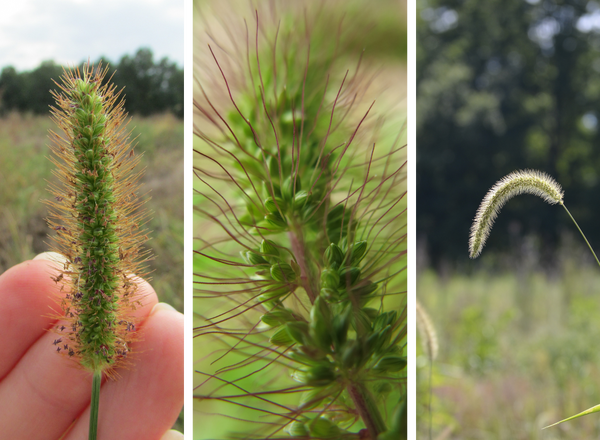
- Seed Head: Named for its bushy, bristly seed heads that resemble a fox’s tail, foxtail’s seed heads are compact and cylindrical, and can appear in shades ranging from green to yellowish or purplish, depending on the species.
- Leaves: The leaves of foxtail are typically flat, narrow, and have a rough texture. A distinctive identifying characteristic is the ligule, a small membrane located at the base of the leaf blade.
- Growth Pattern: Foxtail generally grows upright, and the plants can vary in height from 1 to 3 feet, influenced by species type and environmental factors.
Distinguishing Features
To differentiate foxtail from other grass-like weeds, consider the following key characteristics:
- Seed Head Structure: Foxtail’s seed head is notably dense and bristly, unlike the more open, finger-like seed head structure of crabgrass, for example.
- Ligule Structure: Foxtail’s ligule is a short, membranous, hairless projection, which helps differentiate it from other grasses that may have hairy ligules.
- Leaf Texture and Orientation: The leaves of foxtail are more upright and rougher than those of many other grass species, which may have smoother and more horizontally oriented leaves.
Comparison with Similar Species
- Crabgrass (Digitaria spp.): Crabgrass features a more sprawling growth habit, and its seed heads are spread out and not as dense or bristly as those of foxtail. The leaves of crabgrass also tend to spread more horizontally.
- Barnyard Grass (Echinochloa crus-galli): This grass lacks the pronounced ligule found in foxtail species. Its seed heads are also looser and less orderly than foxtail’s tightly clustered bristles.
- Bermuda Grass (Cynodon dactylon): Bermuda grass showcases a creeping growth habit and forms tight mats, unlike the upright stance of foxtail. Its leaves are finer, wirier, and smoother compared to the rough texture of foxtail leaves.
Conclusion
Correctly distinguishing foxtail from other grasses is crucial for its proper management and removal in both agricultural fields and gardens. By closely examining characteristics such as the seed head, ligule, and leaf texture, individuals can accurately identify foxtail and make informed decisions about weed control and land management. Enhanced identification skills result in more effective agricultural practices and landscape maintenance, contributing to successful weed management strategies.
Case Studies: Successful Management of Foxtail Weed in Large Scale Farms
Foxtail weed, which includes various species within the Setaria genus, poses significant challenges to agricultural productivity and operational efficiency. This document showcases a series of case studies that illustrate effective strategies for managing foxtail weed on large-scale farms. Through an examination of these examples, this review offers insights into integrated weed management practices that can be implemented by agricultural professionals to combat this pervasive weed effectively.
Introduction to Foxtail Weed Challenges
Foxtail species are aggressive annual grasses known for their rapid growth and high seed production, which can interfere with crop yields and complicate harvesting processes. Effective management of foxtail is crucial on large farms to ensure optimal agricultural output and operational efficiency.
Case Study Methodology
The selected case studies illustrate successful management of foxtail weed using integrated pest management (IPM) strategies, focusing on practical techniques, scalability of solutions, and tangible improvements in weed control and crop production.
Summary of Case Studies
- Crop Rotation and Mechanical Control on a Corn Farm in Iowa
- Location: Iowa, USA
- Approach: This farm employed a rotational cropping strategy, alternating between corn and soybeans, which interrupted the foxtail lifecycle. Post-harvest tillage was also used to eliminate young foxtail plants.
- Results: These practices led to a 75% reduction in foxtail density, significantly depleting the seed bank and enhancing the yield of subsequent crops.
- Mulching and Pre-Emergent Herbicides in a Central Valley Orchard
- Location: Central Valley, California, USA
- Approach: Organic mulches were applied in combination with pre-emergent herbicides in early spring to prevent foxtail germination. The mulch also helped retain soil moisture and improve soil health, further suppressing foxtail growth.
- Results: This strategy achieved an 85% reduction in foxtail emergence, with additional benefits to the health and productivity of the orchard.
- Chemical and Biological Controls on a Wheat Farm in New South Wales
- Location: New South Wales, Australia
- Approach: The farm utilized selective post-emergent herbicides along with the introduction of natural predators and competitors within an integrated pest management framework.
- Results: This combined approach resulted in a 90% decrease in foxtail population, enhanced wheat production, and minimal impact on non-target species.
Implications and Recommendations
The case studies underscore that managing foxtail weed effectively in large-scale agricultural environments requires a multi-faceted and integrated approach. Recommendations for other farms include:
- Customizing Approaches: Adapt management practices based on local environmental conditions and specific crop needs.
- Prioritizing Early Action: Apply control measures early in the foxtail lifecycle to prevent seed spread and establishment.
- Ongoing Evaluation and Adjustment: Continuously monitor the effectiveness of implemented strategies and adjust as necessary to maintain control over the weed.
Conclusion
Effective foxtail management in large-scale farming requires a strategic, integrated approach to weed control. These case studies provide valuable lessons on combining cultural, mechanical, chemical, and biological methods to reduce foxtail infestations, thus ensuring sustained agricultural productivity and operational efficiency. Such comprehensive weed management is crucial for addressing the complexities of modern agricultural systems and achieving long-term success.
Foxtail Weed and Biodiversity: Effects on Local Ecosystems
Foxtail weed, which includes various species from the Setaria genus, is notably invasive and has significant implications for local ecosystems. This document delves into the consequences of foxtail proliferation, focusing on its interference with native flora and fauna and the resulting ecological disturbances. Thoroughly understanding these impacts is essential for devising management strategies that effectively reduce the weed’s presence and support ecosystem preservation.
Ecological Characteristics of Foxtail Weed
Foxtail species are robust annual grasses that excel in disturbed environments, commonly found in agricultural fields, roadsides, and urban areas. Their rapid lifecycle and prolific seeding ability enable them to overwhelm local landscapes, outcompeting native plants and altering habitat structures.
Impacts on Plant Biodiversity
- Resource Competition: Foxtail weeds aggressively compete with native plants for light, water, and soil nutrients. This competitive dominance often leads to a reduction in native plant diversity, which can ripple through the ecosystem.
- Changes in Soil Conditions: The spread of foxtail can modify the chemical properties of the soil, potentially making it unsuitable for some native species and altering the ecological balance of plant communities.
- Disruption of Pollination Networks: Foxtail’s competitive nature can overshadow native flowering plants, disrupting local pollinator networks essential for the survival of many plant species. This disruption can decrease pollination effectiveness and adversely affect plant reproduction.
Effects on Animal Biodiversity
- Habitat Modification: Foxtail’s dense thickets can transform the physical landscape, rendering habitats less accommodating for certain wildlife, including ground-nesting birds and small mammals.
- Alterations in Food Web Dynamics: As foxtail displaces native vegetation, the altered plant base can affect herbivorous wildlife and subsequently impact predatory species, leading to broader ecological shifts.
- Risk to Animal Health: The barbed seeds of foxtail are particularly hazardous to animals; they can embed in the skin and internal cavities, causing injuries, infections, and potentially fatal conditions.
Management Strategies and Conservation Efforts
To mitigate the adverse effects of foxtail on ecosystems, comprehensive management strategies are crucial:
- Preventative Practices: Employing land management techniques that reduce soil disturbance and promote robust native vegetation can help prevent foxtail colonization.
- Mechanical and Physical Removal: Consistent measures like mowing, tilling, and manual extraction of foxtail, especially before seeding, are critical in controlling its spread.
- Judicious Use of Chemicals: Herbicides can effectively manage foxtail populations but should be used carefully to avoid damaging non-target species and the broader ecosystem.
- Rehabilitation of Native Flora: Reintroducing and supporting native plant growth can naturally counterbalance foxtail proliferation and restore ecological equilibrium.
Conclusion
The presence of foxtail weed poses considerable threats to biodiversity and ecosystem stability, impacting both plant and animal communities. By implementing informed and strategic management approaches, it is possible to control foxtail infestation and safeguard ecological health. Continued vigilance and adaptive management are necessary to maintain the integrity and vitality of ecosystems affected by this invasive species.
