Table of Contents
Origins and History of Flo Cannabis Strain
Flo is a hybrid strain that originates from the combination of two renowned parent strains: Purple Thai and Afghani. Purple Thai, a sativa-dominant hybrid, contributes to Flo’s uplifting and energetic effects, while the Afghani, an indica, imparts a calming and soothing component to the overall experience. These two parent strains were selectively bred to create a well-balanced cannabis variety that provides both physical relaxation and mental stimulation.
The hybridization aimed to combine the best qualities of its parent strains. Flo is often regarded as a slightly sativa-leaning hybrid, with most variations having a higher sativa influence, though it maintains the relaxing qualities typical of indica strains.
Flo was developed in the United States, and its popularity has steadily increased, especially in the medical marijuana market, due to its effectiveness in treating a wide range of conditions without causing overly sedative effects. It has a relatively moderate THC content, making it appealing to both novice and experienced users alike.
Physical Characteristics
Flo cannabis plants exhibit a variety of traits, including both sativa and indica characteristics, though it tends toward the sativa end in terms of growth and effects. Here’s a closer look at the physical attributes of the Flo cannabis strain:
a. Plant Structure and Growth
Flo cannabis plants tend to be medium-sized, with a relatively tall and slender structure characteristic of sativa plants. The plant grows with long internodal spacing and thin, elongated leaves. Due to its sativa genetics, Flo can sometimes require more space to grow, especially if cultivated indoors. It thrives best in conditions where the growing environment can be carefully controlled, with warm temperatures and ample light.
b. Buds and Flowering
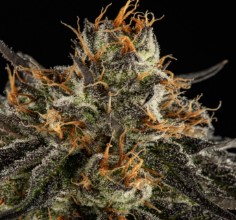
The buds of Flo are typically small to medium in size, and they are dense and compact. These buds are often covered with a layer of trichomes, which gives them a frosty appearance. The flowers are usually light green in color, with hues of purple or lavender due to its Purple Thai parentage. The pistils, or hairs, are typically orange or brown, further accentuating the aesthetic of the buds.
Flo flowers have a moderate flowering time, typically around 8 to 9 weeks, depending on growing conditions and the specific phenotype.
Chemical Composition
The chemical composition of Flo is a key factor in its effects and therapeutic benefits. The strain is known for its balanced THC and CBD levels, though the precise content can vary depending on the growing conditions and specific phenotypes. Here’s a breakdown of the typical chemical makeup of Flo cannabis:
a. THC Content
Flo typically has a THC content that ranges between 16% and 24%, though it may vary slightly between different phenotypes. The moderate THC content provides a well-rounded high that is potent enough for both recreational and medicinal use, without overwhelming the user. This makes Flo a great option for those who want a balanced experience.
b. CBD Content
The CBD content in Flo is generally low, usually below 1%. This makes Flo a strain better suited for users who are seeking the psychoactive effects of THC while benefiting from a mild therapeutic effect. The low CBD content means that Flo isn’t typically used for treating conditions where high CBD levels are necessary (e.g., epilepsy or severe chronic pain), but it can still offer mild relief for certain symptoms.
c. Terpene Profile
Flo is rich in a variety of terpenes, which contribute to its distinctive aroma and therapeutic effects. The primary terpenes found in Flo include:
- Terpinolene: This terpene is commonly associated with uplifting, mood-boosting effects and has a floral, sweet, and herbal aroma. It also has anti-inflammatory and antioxidant qualities.
- Limonene: Limonene is known for its citrusy aroma and its ability to elevate mood and reduce anxiety. It is often used in strains for its potential to help with stress relief and mood improvement.
- Myrcene: Myrcene is another key terpene found in Flo, and it contributes to the strain’s calming and sedative properties. It also provides a musky, earthy aroma and is believed to have analgesic, anti-inflammatory, and muscle-relaxant effects.
These terpenes, along with others, combine to create the distinctive aroma and flavor of Flo, which often has a sweet, floral, and slightly earthy scent.
Recreational Uses of Flo Cannabis Strain
a. Mental and Physical Effects
Flo offers a well-balanced high, which is one of the reasons why it is favored for recreational use. Users often experience an uplifting and cerebral effect, characterized by a euphoric, creative, and focused mindset. This makes Flo ideal for social gatherings, creative endeavors, or simply relaxing while staying mentally engaged.
The indica components of Flo contribute to a calming body high that helps to relieve tension and relax the muscles without leading to sedation. Unlike many other hybrids, Flo does not typically induce couch-lock, making it suitable for daytime use when users want a clear-headed, yet relaxing experience.
b. Potential for Creative Focus
Many consumers of Flo report an increase in mental clarity, focus, and creativity. For individuals seeking inspiration, the uplifting effects of Flo can be conducive to brainstorming, problem-solving, and artistic endeavors. It’s a common choice among artists, musicians, and writers who need that creative spark without feeling bogged down by physical heaviness or drowsiness.
c. Mild Euphoria and Happiness
It is known to provide a gentle yet consistent sense of euphoria. As the high builds, users may feel an increased sense of happiness and well-being, making it a great strain for socialization and outdoor activities.
d. Side Effects
As with any cannabis strain, it can have some adverse side effects. While it generally offers a smooth and enjoyable experience, some users may experience dry mouth (cottonmouth) or dry eyes. These effects are relatively mild but should be considered when using the strain, especially in social situations.
Medical Uses of Flo Cannabis Strain

a. Stress and Anxiety Relief
It is commonly used for its anxiety-reducing properties. The combination of uplifting mental effects and calming physical relaxation helps to alleviate symptoms of anxiety and stress. This strain can be especially helpful for individuals who suffer from mild to moderate anxiety but do not want to experience the intense sedative effects of more potent indica strains.
b. Chronic Pain and Inflammation
This strain’s mild analgesic properties make it effective for treating chronic pain conditions such as arthritis, migraines, and muscle pain. While not as potent as high-THC indica strains, it provides enough relief for individuals suffering from pain without inducing too much sedation or mental fog. The anti-inflammatory effects of terpinolene and myrcene can also aid in reducing inflammation associated with these conditions.
c. Depression and Mood Disorders
The euphoric and uplifting effects of this strain make it an excellent option for treating symptoms of depression and other mood disorders. It can enhance overall mood, alleviate feelings of sadness, and provide mental clarity that can help users feel more balanced and optimistic. This makes it a good choice for those dealing with depression, seasonal affective disorder, or general low moods.
d. Appetite Stimulation
It has been noted to have a mild appetite-stimulating effect, which can be useful for patients who suffer from conditions such as nausea or a lack of appetite. This can be especially beneficial for those undergoing treatments like chemotherapy or dealing with conditions that cause appetite loss.
e. Sleep Disorders
While it is not as sedative as some indica strains, its calming and relaxing effects can help those who experience mild insomnia or other sleep disorders. The relaxing body high can ease tension and promote restful sleep, though it may not be as effective for individuals with severe sleep issues.
The cultivation of Flo cannabis requires specific attention to environmental factors and growing techniques to achieve the best results. As a hybrid strain with sativa-dominant traits, it has unique growth patterns that differ from more indica-heavy strains. Below is a breakdown of the cultivation methods for this strain, including tips on indoor and outdoor cultivation, ideal growing conditions, and common techniques used by growers.
Growing Environment
a. Indoor Cultivation
Growing it indoors provides the most control over environmental factors such as temperature, humidity, and light, allowing growers to achieve consistent results. Here are some important considerations when cultivating this strain indoors:
- Lighting: As a sativa-dominant strain, it requires a significant amount of light to thrive. Growers should use high-intensity discharge (HID) lights or LED grow lights to provide the plant with the full spectrum of light. During the vegetative stage, the plants should receive about 18-24 hours of light per day, and during the flowering stage, they should be exposed to 12 hours of light with a 12-hour dark period to encourage flowering.
- Temperature and Humidity: It thrives in warm environments. The ideal temperature range for indoor cultivation is 70-80°F (21-27°C) during the day and a little colder at night, between 65 and 75°F (18 and 24°C). Humidity should be maintained at around 40-60% during the vegetative phase, and lower humidity (around 40-50%) should be maintained during the flowering phase to prevent mold and mildew growth.
- Space Considerations: Indoor growers often use methods like Sea of Green (SOG) or Screen of Green (SCROG) to manage the plant’s growth and maximize yield in limited spaces. These methods help create an even canopy and prevent the plant from becoming too tall and difficult to manage indoors.
b. Outdoor Cultivation
For outdoor cultivation, Flo thrives in environments with a warm and dry climate. It is best suited for regions with long summers, such as those found in parts of California, Oregon, or Mediterranean climates. Outdoor growing requires careful attention to weather patterns, as excessive rain and humidity can lead to mold growth and reduce the overall yield.
- Climate: Flo prefers sunny, dry conditions with temperatures between 70-85°F (21-29°C). Growers should be mindful of frost risks during the flowering period, as Flo is not a particularly cold-hardy strain. The flowering period of Flo is typically around 8-9 weeks, so it is important to ensure the strain is harvested before the first frost in autumn.
- Soil: Flo can grow in various soil types, but it prefers well-drained, nutrient-rich soil that is slightly acidic to neutral (pH 6.0–7.0). For the best results, growers can amend the soil with organic matter, such as compost or worm castings, to promote healthy root development and strong growth.
Growth Patterns and Development
a. Vegetative Stage
It begins its lifecycle in the vegetative stage, during which it focuses on root development and leafy growth. As a sativa-dominant strain, it tends to grow taller and more stretched out during this phase compared to indica-dominant strains. It has long internodal spacing, meaning the branches are spaced farther apart, which can lead to taller plants that require more vertical space.
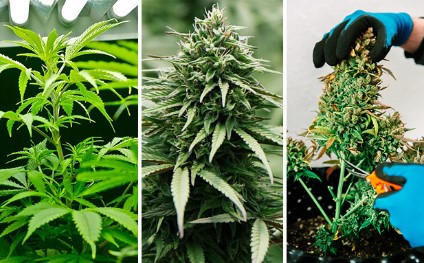
- Training Techniques: To manage the height and encourage horizontal growth, growers often use low-stress training (LST) techniques. LST involves gently bending and tying down the branches to encourage the plant to grow outward rather than upward. This increases the overall canopy size and allows for better light penetration.
- Pruning and Defoliation: During the vegetative stage, growers should regularly prune the lower branches and leaves that are not receiving adequate light. This promotes airflow and helps to redirect energy towards the main colas (the primary flowering sites).
b. Flowering Stage
Once the plant enters the flowering stage, which typically begins when light cycles are reduced to 12 hours of light and 12 hours of darkness, Flo begins to produce its buds. This is where the effects of the hybrid genetics begin to show more clearly. While Flo is a sativa-dominant strain, the indica parentage provides some dense, compact buds.
- Flowering Time: It typically has a flowering time of about 8-9 weeks, making it relatively moderate in terms of how long it takes to mature compared to other cannabis strains. During this time, it requires careful attention to ensure the buds are growing well and developing trichomes (the resin glands that contain cannabinoids and terpenes).
- Nutrient Requirements: During the flowering stage, it requires higher levels of phosphorus and potassium to support bud development. Growers can use a specialized bloom nutrient mix that is lower in nitrogen and higher in these key elements. However, it’s important not to overfeed, as too much fertilizer can lead to nutrient burn or deficiencies.
Common Growing Techniques for Flo
a. Sea of Green (SOG)
The Sea of Green technique is commonly used when growing it indoors, as it maximizes space and ensures even light distribution. This technique involves growing multiple small plants rather than fewer large ones, with each plant having its main cola exposed to the light. The goal is to create a “sea” of flowering plants, ensuring that each plant has enough space for light to reach the buds.
- Benefits: SOG helps increase yields per square foot and encourages a more uniform canopy. It also reduces the overall time it takes to grow and harvest, as smaller plants can reach the flowering stage more quickly.
- Drawbacks: The downside of SOG is that it requires more frequent planting and care of individual plants. It can also be a bit challenging to maintain in larger, more complex growing environments.
b. Screen of Green (SCROG)
The Screen of Green (SCROG) technique involves using a screen or netting to guide the plant’s growth in a horizontal direction. The goal is to encourage multiple branches to grow evenly across the screen, allowing for better light exposure and promoting the growth of more buds.
- Benefits: SCROG allows for better use of vertical space, making it ideal for growers with limited space. It helps to create an even canopy, ensuring that all buds are exposed to light and can develop fully.
- Drawbacks: This technique requires a bit more time and effort than SOG, as the screen needs to be adjusted as the plants grow. It can also lead to slightly more complicated harvesting, as growers may need to cut through the screen to remove the buds.
c. Topping and FIMming
Cutting off the top of the main stem is known as “topping,” because it encourages the plant to grow multiple branches. This technique is used to help control the plant’s height and increase overall yields by encouraging lateral growth.
- FIMming is a similar technique where the grower cuts about 70-80% of the main stem’s top, which results in the growth of multiple new shoots. This can be an effective way to promote the bushy, multi-branched growth that is ideal for yielding large amounts of flower.
Harvesting Flo Cannabis
When it comes to harvesting it, timing is essential. The right harvest time ensures optimal potency, flavor, and yield. The most reliable method for determining the best harvest time is to examine the trichomes (the resin glands on the buds). When the trichomes are mostly cloudy with a few amber-colored ones, the plant is at its peak potency.
- Harvest Time: Typically, it will be ready to harvest around 8-9 weeks into the flowering stage. However, this can vary slightly depending on growing conditions and the phenotype of the plant.
- Drying and Curing: After harvesting, Flo cannabis should be carefully dried and cured to preserve its flavor and potency. Drying typically takes 7-10 days, and curing can last anywhere from 2 weeks to a month. Proper curing enhances the flavor and aroma profile of the cannabis, and it also allows for the degradation of chlorophyll, improving the smoothness of the smoke.
Conclusion
This cannabis strain is a versatile and well-balanced hybrid with a range of medical and recreational benefits. Whether you’re seeking relief from stress, chronic pain, or mood disorders, or you’re looking for a strain that enhances creativity and provides a clear-headed high, it can be an excellent option. With its moderate THC content, balanced effects, and unique terpene profile, it continues to be a popular choice among both medical and recreational users alike. Its mild psychoactive effects and soothing qualities make it a go-to for those looking for a pleasant and therapeutic cannabis experience without the heavy sedation often associated with indica-dominant strains.
For a complete directory of cultivars, visit our Cannabis Strain Reviews.
