
Introduction
In recent years, medical cannabis has gained widespread acceptance for its ability to treat a wide range of conditions, from chronic pain to anxiety, and more. Among the different varieties available, autoflowering strains have become particularly popular for outdoor growers due to their fast growth cycles, resilience, and ability to thrive in various climates.
Royal King Seeds, a reputable seed bank known for its high-quality strains, has developed a line of medical autoflowers that are specifically bred to provide therapeutic benefits without the intoxicating effects associated with high-THC strains. This guide delves into five unique medical autoflowering strains from Royal King Seeds, ideal for outdoor cultivation and tailored to meet specific medical needs.
1. CBD Critical Mass Auto
Genetics and Growth Characteristics
CBD Critical Mass Auto is a powerful medical strain known for its heavy yields and high CBD content. A cross between Critical Mass and a CBD-rich autoflowering variety, this strain is particularly resilient to outdoor conditions, making it ideal for both novice and experienced growers. The plant tends to stay relatively short, typically reaching around 60-90 cm, which makes it discreet and easy to manage.
This strain is an autoflowering variety, meaning it does not rely on light cycles to begin flowering. Instead, it will flower automatically within 8-9 weeks, making it perfect for outdoor growers who need a quick turnaround. The yield can be impressive, with up to 400 grams per square meter in optimal conditions. The buds are dense and resinous, emitting a sweet, earthy aroma that is characteristic of the Critical Mass lineage.
Medical Benefits
The CBD Critical Mass Auto is specifically bred for medical use, boasting a CBD to THC ratio of 1:1. This balanced ratio provides therapeutic effects without the strong psychoactive experience typical of THC-dominant strains. Here are a few of the main health advantages:
- Pain Relief: Due to its high CBD content, this strain is effective in managing chronic pain, making it suitable for patients suffering from conditions like arthritis, fibromyalgia, and other pain-related disorders. The CBD works by interacting with the body’s endocannabinoid system, reducing inflammation and numbing pain.
- Anxiety and Stress Relief: The balanced cannabinoid profile helps calm the mind without causing paranoia or anxiety, which can be a side effect of high-THC strains. It’s a great option for those dealing with generalized anxiety disorder or PTSD.
- Sleep Aid: The soothing effects of CBD Critical Mass Auto can help patients with insomnia or other sleep disorders get a good night’s rest. Its calming qualities facilitate both falling and staying asleep over the night.
-
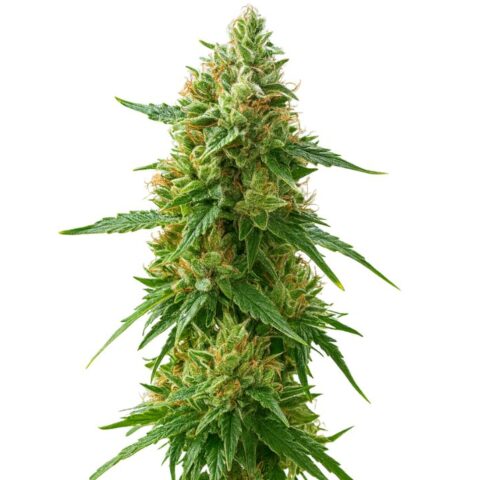 CBD Critical Mass Cannabis SeedsFrom: $24.99
2. Northern Lights Auto CBD
Genetics and Growth Characteristics
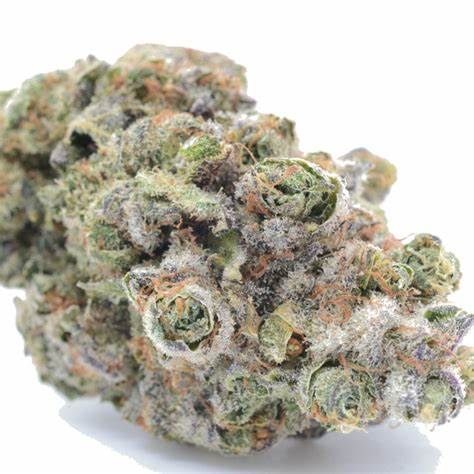
Northern Lights is one of the most legendary strains in the cannabis world, known for its calming effects and easy growth. The autoflowering CBD version maintains the essential characteristics of the original while adding the benefits of cannabidiol. The Northern Lights Auto CBD is a robust strain that thrives outdoors, especially in cooler climates where it can be difficult to grow other types of cannabis.
This strain typically grows to a height of 80-120 cm, with a bushy structure that allows it to absorb plenty of sunlight. The flowering period is rapid, usually around 9-10 weeks from germination to harvest. The yield is generous, with outdoor plants producing up to 150 grams each under optimal conditions.
Medical Benefits
The Northern Lights Auto CBD strain is cherished for its therapeutic properties, particularly in managing pain and promoting relaxation. The high CBD content, balanced with a modest amount of THC, ensures that patients receive maximum benefits with minimal psychoactive effects.
- Anti-inflammatory Properties: Northern Lights Auto CBD is effective in reducing inflammation, making it ideal for patients with conditions like Crohn’s disease, rheumatoid arthritis, and other inflammatory disorders. The strain’s cannabinoids interact with the body’s receptors to reduce the production of inflammatory molecules.
- Chronic Pain Management: The strain’s analgesic properties are well-suited for patients dealing with chronic pain, whether due to injury, surgery, or ongoing medical conditions. The calming effects help alleviate discomfort while allowing the patient to remain functional during the day.
- Relaxation and Stress Relief: While not sedative, Northern Lights Auto CBD promotes a deep sense of relaxation, making it an excellent choice for those dealing with stress-related conditions, including anxiety and PTSD. It helps calm the mind without clouding judgment, making it suitable for daytime use.
3. Amnesia Haze Auto CBD
Genetics and Growth Characteristics
Amnesia Haze is another classic strain that has been adapted into an autoflowering CBD-rich version, specifically designed for medical users. The autoflowering variant ensures that even those in less-than-ideal climates can successfully cultivate this strain outdoors. At 70 to 110 cm, it usually reaches a medium height, which is manageable for gardeners with limited area.
Amnesia Haze Auto CBD is known for its energetic growth and resilience to pests and diseases. The plant’s flowering period is around 10-11 weeks, slightly longer than some other autoflowers, but the wait is worth it. The yields are substantial, with outdoor plants producing up to 150 grams each under good conditions.
Medical Benefits
Amnesia Haze Auto CBD is celebrated for its uplifting yet calming effects, making it a versatile strain for a variety of medical conditions. Its high CBD content and moderate THC levels provide therapeutic benefits without the overwhelming euphoria associated with the original Amnesia Haze.
- Cognitive Support: Patients with neurological illnesses like Parkinson’s or Alzheimer’s benefit most from this strain. The cannabinoids in Amnesia Haze Auto CBD may help protect brain cells and improve cognitive function, slowing the progression of these diseases.
- Energy and Focus: Despite its calming effects, Amnesia Haze Auto CBD also provides a gentle energy boost, making it ideal for patients dealing with fatigue or depression. It can help increase focus and motivation, making daily tasks more manageable.
- Depression and Anxiety Relief: The balanced cannabinoid profile helps alleviate symptoms of depression and anxiety without the risk of triggering paranoia or other negative side effects. It allows patients to feel uplifted and calm, improving their overall mood.
4. Sour Diesel Auto CBD
Genetics and Growth Characteristics
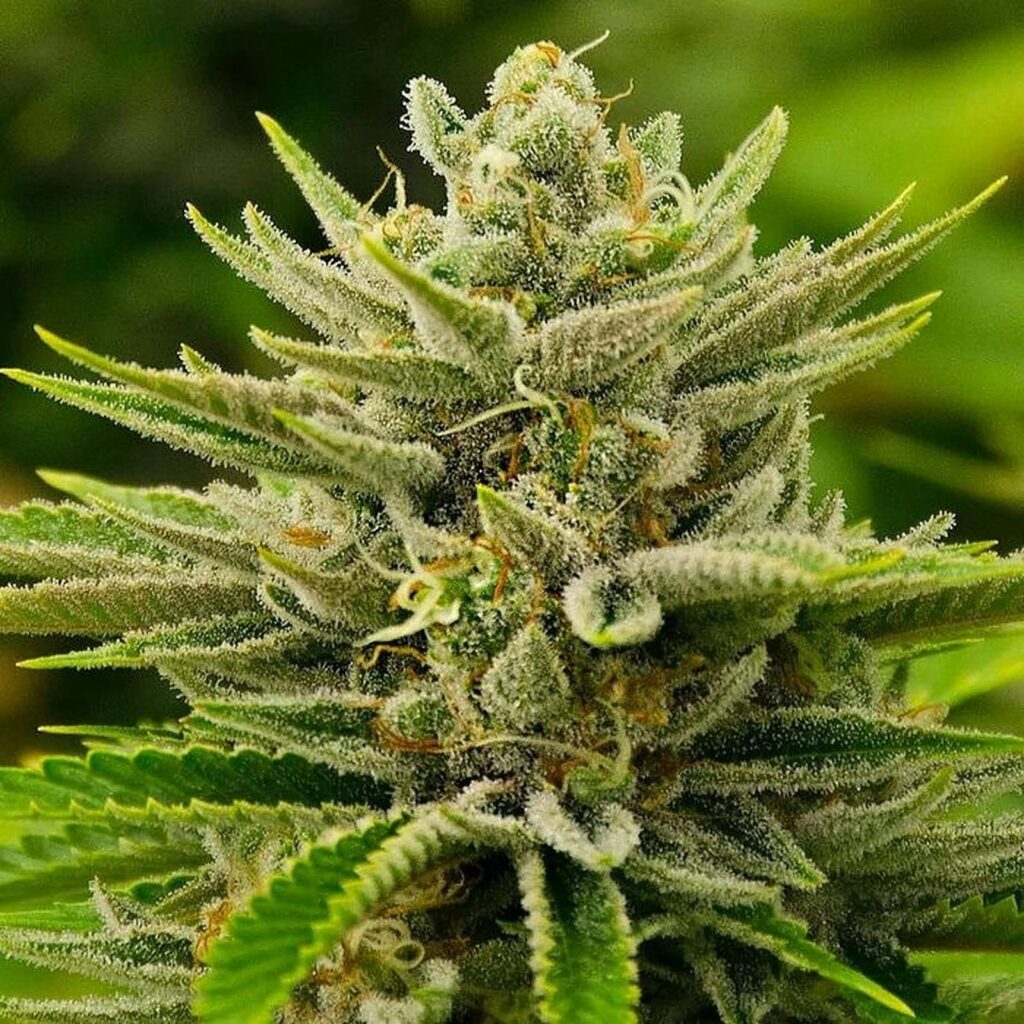
Sour Diesel is a well-known strain with a reputation for its invigorating effects and distinctive fuel-like aroma. The autoflowering CBD version offers the same benefits with a focus on medical use, particularly for those who need a non-psychoactive option. Sour Diesel Auto CBD is a sturdy plant that performs well outdoors, even in variable weather conditions.
The plant typically grows to a height of 80-110 cm and is known for its vigorous growth. The flowering time is about 9-10 weeks, making it a relatively fast strain to grow. Sour Diesel Auto CBD can yield up to 160 grams per plant outdoors, with dense, resinous buds that emit a strong, pungent aroma.
Medical Benefits
Sour Diesel Auto CBD is a versatile strain that offers a range of medical benefits, particularly for patients dealing with nausea, pain, and lack of appetite. Its high CBD content ensures that these benefits are delivered without significant psychoactive effects, making it suitable for use at any time of day.
- Anti-Nausea: Patients receiving chemotherapy or other therapies that induce nausea and vomiting benefit most from Sour Diesel Auto CBD. The cannabinoids in this strain help reduce nausea and improve appetite, making it easier for patients to maintain a healthy diet.
- Appetite Stimulation: This strain is well-known for its capacity to increase appetite in addition to its anti-nausea qualities, which makes it a beneficial choice for individuals with eating disorders or those who have lost their appetite as a result of illness.
- Pain Management: Sour Diesel Auto CBD is effective in managing various types of pain, including migraines, neuropathy, and chronic pain conditions. The CBD works to reduce inflammation and calm the nervous system, providing relief without drowsiness.
5. White Widow Auto CBD
Genetics and Growth Characteristics
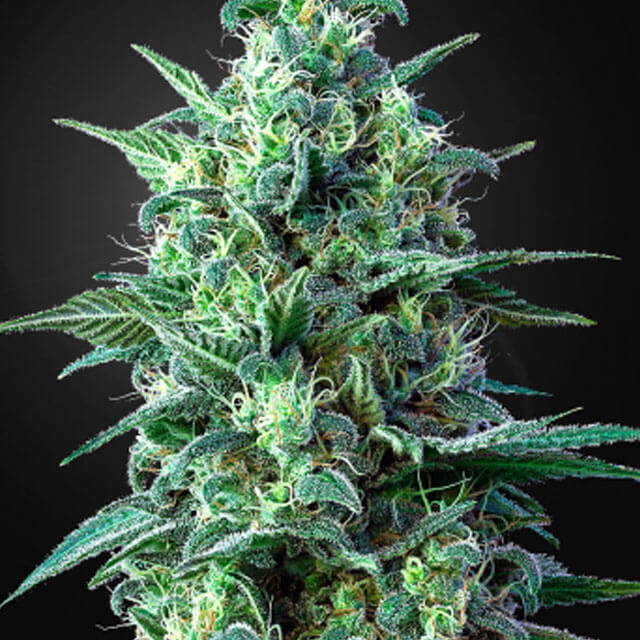
The traditional strain White Widow is renowned for its strong effects and sticky buds. The autoflowering CBD version of White Widow retains the original’s therapeutic properties while minimizing the psychoactive effects, making it an excellent choice for medical users. This strain is particularly well-suited for outdoor growing, thanks to its adaptability to different climates and resistance to pests and mold.
White Widow Auto CBD grows to a height of 70-100 cm, making it a compact plant that is easy to manage. The flowering period is around 9-10 weeks, and the strain is known for its generous yields, producing up to 200 grams per plant outdoors.
Medical Benefits
White Widow Auto CBD offers a range of medical benefits, particularly for patients dealing with chronic pain, muscle spasms, and immune system issues. Its high CBD content ensures that these benefits are delivered without the psychoactive effects typically associated with THC-dominant strains.
- Immune System Support: White Widow Auto CBD is believed to have immunomodulatory effects, making it a potential option for patients with autoimmune disorders or those seeking to boost their immune system.
- Chronic Pain Relief: This strain is highly effective in managing chronic pain conditions, such as multiple sclerosis, fibromyalgia, and other pain-related disorders. The CBD helps reduce inflammation and soothe pain, making it easier for patients to manage their symptoms.
- Muscle Spasms and Cramps: White Widow Auto CBD is also effective in reducing muscle spasms and cramps, making it a valuable option for patients with conditions like multiple sclerosis or those recovering from injury.
Restrictions on Using Cannabis in the Medical Field as a Last Resort
Cannabis, particularly in its medical form, is increasingly being recognized for its potential therapeutic benefits. However, its use in the medical field is often subject to strict regulations and is typically considered only as a last resort when conventional treatments have proven ineffective or when patients experience intolerable side effects from standard therapies. Below, we explore the restrictions and considerations that medical professionals must adhere to when prescribing cannabis.
1. Regulatory Framework and Approval Processes
In many countries, the use of cannabis for medical purposes is tightly regulated by government health agencies. For instance, in the United States, the Food and Drug Administration (FDA) has approved only a few cannabis-derived and synthetic cannabis-related products for medical use. These approvals are typically limited to specific conditions, such as severe epilepsy, chemotherapy-induced nausea, and chronic pain related to specific diseases.
Before prescribing cannabis, healthcare providers must often demonstrate that all other conventional treatment options have been exhausted. This requirement ensures that cannabis is used only when absolutely necessary, reducing the risk of unnecessary exposure to its potential risks, including psychoactive effects.
2. Medical Supervision and Documentation
Medical professionals prescribing cannabis must maintain detailed records of the patient’s condition, previous treatments, and the rationale for considering cannabis as a treatment option. In order to comply with regulations and to continuously evaluate how the patient is responding to therapy, this paperwork is essential.
In many jurisdictions, healthcare providers are required to obtain special licenses or certifications to prescribe medical cannabis. They may also need to adhere to strict guidelines regarding dosages, formulations, and methods of administration. Regular follow-up appointments are often mandated to monitor the patient’s progress and adjust treatment as needed.
3. Patient Eligibility and Condition-Specific Restrictions
Medical cannabis is typically prescribed for specific conditions that have been recognized by medical authorities as potentially benefiting from cannabinoid therapy. Commonly approved conditions include:
- Chronic pain, particularly when related to cancer or nerve damage
- Severe epilepsy, such as Dravet syndrome or Lennox-Gastaut syndrome
- Multiple sclerosis (MS) spasticity
- Chemotherapy-induced nausea and vomiting
- Terminal illnesses, where cannabis may be used to improve quality of life
Patients who do not meet the criteria for these conditions are generally not eligible for medical cannabis treatment. Additionally, medical professionals must assess the patient’s overall health and potential risk factors, such as a history of substance abuse or psychiatric conditions, which could be exacerbated by cannabis use.
4. Legal and Ethical Considerations
Medical cannabis use is subject to varying legal restrictions depending on the country, state, or region. In some areas, even medical use may be illegal or heavily restricted, limiting access to patients who might benefit from it.
Ethically, healthcare providers must weigh the potential benefits of cannabis against the risks, including the possibility of dependency, the psychoactive effects of THC, and potential interactions with other medications. Informed consent is critical, ensuring that patients understand both the potential benefits and risks of cannabis therapy.
Monitoring THC Levels in Medications to Prevent Psychoactive Effects on Patients
One of the primary concerns with medical cannabis, particularly for patients who are new to cannabinoid therapy or who may be sensitive to psychoactive substances, is the presence of THC (tetrahydrocannabinol). THC is the compound in cannabis responsible for its psychoactive effects, which can be undesirable in a medical context, especially for patients seeking relief from symptoms without the “high” associated with recreational cannabis use.
1. Importance of THC Level Monitoring
Monitoring THC levels in medical cannabis products is essential to ensure that patients receive the therapeutic benefits of cannabinoids without experiencing significant psychoactive effects. This is particularly important in populations such as the elderly, children, or those with psychiatric conditions, where the psychoactive effects of THC could exacerbate their symptoms or lead to negative experiences.
Low-THC, high-CBD (cannabidiol) formulations are often preferred in medical settings, as CBD is non-psychoactive and has been shown to counteract some of the psychoactive effects of THC. By carefully monitoring and controlling the THC content, healthcare providers can offer a safer and more predictable treatment option.
2. Methods of Monitoring and Controlling THC Levels
There are several strategies employed in the medical field to monitor and control THC levels in cannabis medications:
- Lab Testing: All medical cannabis products must undergo rigorous lab testing to determine the exact cannabinoid profile, including the levels of THC, CBD, and other cannabinoids. To make sure the items are safe for patient use and meet regulatory requirements, this information is essential.
- Standardized Dosing: Medical cannabis products are often provided in standardized doses, which allows for consistent delivery of cannabinoids with known THC levels. This is particularly important for oral medications, tinctures, and capsules, where precise dosing is critical to avoid psychoactive effects.
- CBD-Dominant Strains: In cases where THC needs to be minimized, strains that are naturally high in CBD and low in THC are used. These strains are bred specifically for medical use and offer the therapeutic benefits of cannabis without the risk of significant psychoactivity.
- Formulation Adjustments: Medical professionals can tailor cannabis formulations to the patient’s needs, adjusting the ratio of THC to CBD. For example, in conditions where some THC is beneficial (e.g., for pain relief), a low THC dose might be combined with a higher dose of CBD to mitigate psychoactive effects.
3. Patient Monitoring and Adjustments
Patients using cannabis-based medications must be closely monitored to assess their response to the treatment. Healthcare providers may begin with a low dose and gradually increase it, monitoring for any signs of psychoactive effects or adverse reactions. This “start low and go slow” approach helps minimize risks while ensuring that patients receive the therapeutic benefits of cannabis.
Regular follow-up appointments and communication are essential, allowing healthcare providers to adjust the treatment as needed. In some cases, patients may be switched to a different formulation or strain if they experience unwanted side effects.
4. Addressing Psychoactive Effects
If a patient does experience psychoactive effects from a THC-containing medication, there are several strategies that healthcare providers can use to mitigate these effects:
- Reducing THC Dosage: The most straightforward approach is to lower the dose of THC or switch to a product with a lower THC content.
- Increasing CBD Intake: Increasing the ratio of CBD in the medication can help counteract the psychoactive effects of THC, providing a more balanced experience for the patient.
- Changing the Route of Administration: The method of consuming cannabis can also impact its psychoactive effects. For example, sublingual tinctures may offer a more controlled and gradual onset of effects compared to inhalation, making it easier to manage and prevent unwanted psychoactivity.
Conclusion
The world of medical cannabis is complex and ever-evolving, offering a range of therapeutic options for patients with various conditions. Among the many strains available, autoflowering varieties have emerged as a practical choice for outdoor growers, particularly for those seeking to cultivate plants with specific medical benefits.
Royal King Seeds has developed several unique medical autoflowering strains that cater to the needs of patients without the psychoactive effects associated with recreational cannabis. Strains like CBD Critical Mass Auto, Northern Lights Auto CBD, Amnesia Haze Auto CBD, Sour Diesel Auto CBD, and White Widow Auto CBD offer targeted relief for conditions such as chronic pain, anxiety, inflammation, and neurodegenerative diseases.
These strains are not only simple to cultivate, but they also give medical users consistent, trustworthy outcomes. By focusing on high-CBD, low-THC formulations, Royal King Seeds ensures that patients can benefit from cannabis therapy without the risk of significant psychoactive effects. This makes these strains ideal for patients who need to manage their symptoms while maintaining their daily routines.
The use of cannabis in the medical field, however, is subject to stringent regulations and must be approached with caution. Healthcare providers must ensure that cannabis is used as a last resort, only after other treatment options have been exhausted. Additionally, monitoring THC levels in cannabis-based medications is crucial to prevent psychoactive effects and ensure patient safety.
In conclusion, the integration of autoflowering medical cannabis strains into patient care offers a promising avenue for those seeking natural and effective treatments. With the right strain selection, careful cultivation, and rigorous monitoring, medical cannabis can play a vital role in improving the quality of life for many patients. As research continues to advance and our understanding of cannabis deepens, the potential for these strains to provide safe and effective relief will only grow, making them a valuable tool in the medical arsenal.
