Table of Contents
Fire OG is a hybrid cannabis strain that is known for its potent effects, high THC content, and unique combination of terpenes. It is one of the most popular and highly sought-after OG strains, which are prized for their strong effects, aromatic profile, and medicinal properties. Below is a comprehensive breakdown of the Fire OG cannabis strain, including its genetics, THC content, recreational uses, medical benefits, and scientific analysis.
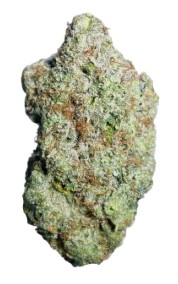
Fire OG is a cross between two highly potent and famous cannabis strains: OG Kush and SFV OG. It is an indica-dominant hybrid with a balanced blend of uplifting and relaxing effects. Fire OG is renowned for its intense and long-lasting effects, which make it a preferred by both medical and recreational cannabis consumers. Fire OG gets its name from its “fiery” appearance, with buds that feature vibrant dense trichome covering and orange pistils.
Genetics of Fire OG
- Parent Strains: Fire OG is the result of a cross between OG Kush and SFV OG. OG Kush is an iconic hybrid strain, known for its powerful sedative effects and earthy, piney aroma. SFV OG (San Fernando Valley OG) is a more specific regional variation of OG Kush, known for its citrusy and earthy fragrance.
- Indica-Dominant Hybrid: Fire OG is typically 60% indica and 40% sativa, which contributes to Fire OG’s balance between relaxation and cerebral effects.
The genetics of Fire OG give it a rich terpene profile, with dominant terpenes such as limonene, caryophyllene, and myrcene, which provide Fire OG with its signature flavor and aroma.
Appearance and Aroma of Fire OG
- Appearance: Fire OG buds are dense, medium to large in size, and typically feature a deep green coloration. The buds are covered with fiery orange pistils that contrast beautifully with the surrounding trichomes. The dense coating of trichomes makes the buds appear sticky to the touch, which is a hallmark of potent cannabis strains.
- Aroma: The aroma of Fire OG is pungent and potent. It has a citrusy and earthy fragrance with pine and diesel undertones. The scent is strong enough to fill a room, and many users describe it as both refreshing and spicy. The distinct aroma is part of the reason why Fire OG has become a favorite in the cannabis community.
THC and CBD Content
Fire OG is a high-THC strain, typically containing THC levels in the range of 20-26%. The high THC content is one of the main reasons why Fire OG has gained such a reputation for its strong effects. This makes it suitable for experienced cannabis users who are seeking a potent experience.
- THC Content: 20% to 26%
- CBD Content: Low, typically under 1%
The low CBD content means Fire OG is more commonly used for recreational and symptom-specific medical purposes, rather than for conditions that require high levels of CBD.
Recreational Uses of Fire OG
Fire OG is a highly potent strain, making it an excellent choice for experienced cannabis users who enjoy both cerebral and physical effects. Here are the recreational effects commonly associated with Fire OG:
- Euphoric and Uplifting High: Fire OG starts with a euphoric cerebral high that boosts creativity and mood. The uplifting effects provide users with a sense of happiness and a heady, blissful feeling.
- Relaxation and Sedation: As the high progresses, the indica genetics begin to take effect, and users typically feel a deep sense of physical relaxation. This sedative effect helps relieve tension and muscle soreness, making Fire OG an excellent choice for unwinding after a long day.
- Cerebral Focus: Despite its indica dominance, Fire OG also provides a degree of focus and clarity. This makes it suitable for activities like socializing, creative work, or artistic pursuits.
- Social and Mood-Enhancing: Due to its balanced effects, Fire OG is a great strain for social situations. It enhances mood and promotes a positive, talkative vibe without making users feel overly sedated or sluggish.
- Relaxed but Engaged State: Some users enjoy Fire OG’s ability to provide a relaxed, yet mentally engaged, state. It’s ideal for those who want to feel mellow but still engaged in conversation or light activities.
Medical Uses of Fire OG
In addition to its recreational appeal, Fire OG has many potential therapeutic benefits. Its high THC content and balanced effects make it effective for treating various medical conditions. Below are the specific medical uses of Fire OG:
- Pain Relief: One of the most common medical uses for Fire OG is pain relief. Fire OG’s potent effects are helpful in reducing both chronic and acute pain, including ailments include muscle spasms, migraines, and arthritis. The relaxing and numbing effects of Fire OG can dull physical discomfort and promote a more comfortable state of being.
- Stress and Anxiety Relief: The euphoric and calming effects of Fire OG make it effective for managing stress and anxiety. It helps in easing the mind, reducing racing thoughts, and promoting relaxation. Fire OG is especially useful for those dealing with anxiety disorders, panic attacks, or overwhelming stress.
- Insomnia and Sleep Disorders: As Fire OG’s sedative effects take hold, it can be very effective in promoting sleep. Those struggling with insomnia or other sleep disorders may benefit from its ability to help users fall asleep faster and maintain restful sleep through the night.
- Depression: The uplifting and euphoric effects of Fire OG make it beneficial for those suffering from depression. Fire OG provides a mood boost and enhances feelings of happiness, which can temporarily relieve the symptoms of depression.
- Appetite Stimulation: Like many cannabis strains, Fire OG has the potential to increase appetite, making it useful for individuals undergoing treatments like chemotherapy or those suffering from eating disorders such as anorexia. The “munchies” effect can help with gaining or maintaining weight.
- Muscle Relaxation: Fire OG’s indica characteristics make it a strong choice for muscle relaxation. Whether you’re dealing with tension from exercise or chronic muscle pain, Fire OG can help relax tight muscles and reduce spasms, making it a good option for users suffering from muscle-related issues.
Side Effects of Fire OG
Like many high-THC strains, Fire OG can produce a range of side effects. Some of the most common adverse effects include:
- Dry Mouth: This is one of the most common side effects of cannabis, including Fire OG. It can lead to a sensation of cottonmouth, which can be alleviated by staying hydrated.
- Dry Eyes: Another common side effect of Fire OG is dry eyes, which can cause discomfort. This can typically be managed by using eye drops or drinking plenty of water.
- Paranoia or Anxiety: Due to its high THC content, Fire OG may cause paranoia or anxiety in some users, especially those who are inexperienced with potent cannabis strains.
- Dizziness: A feeling of lightheadedness or dizziness can sometimes occur, particularly when standing up quickly after consuming Fire OG.
- Couch-lock: While not always experienced, some users report feeling “couch-locked” or overly sedated after consuming Fire OG. This is often due to the strain’s indica genetics and is more common when consuming larger doses.
Terpene Profile and Flavor of Fire OG
The flavor profile of Fire OG is just as complex as its effects. It has a robust combination of terpenes that contribute to both its scent and taste. Here are the key terpenes found in Fire OG:
- Limonene: A dominant terpene that gives Fire OG its citrusy aroma. Limonene is known for its uplifting and mood-enhancing properties, which explain the euphoric feeling users experience with Fire OG.
- Caryophyllene: This peppery, spicy terpene is found in abundance in Fire OG. Caryophyllene has anti-inflammatory and pain-relieving properties, contributing to Fire OG’s medical effectiveness.
- Myrcene: Present in many cannabis strains, myrcene has earthy, musky, and herbal notes. It contributes to Fire OG’s relaxing and sedative effects, which are ideal for pain relief and sleep.
- Pinene: Pinene has a pine-like aroma and contributes to Fire OG’s refreshing scent. It also has anti-inflammatory and bronchodilatory properties, which help with respiratory issues and overall relaxation.
Cultivation of Fire OG
Ideal Growing Environment for Fire OG
Light Requirements
- Vegetative Stage: Fire OG requires 18 to 24 hours of light per day during the vegetative phase. This encourages vigorous growth in stems and leaves.
- Flowering Stage: To trigger flowering, Fire OG needs 12 hours of light and 12 hours of uninterrupted darkness each day. Light manipulation is essential in this phase to ensure successful bud development.
- Type of Light: High-intensity discharge (HID) lights or full-spectrum LED lights are most commonly used, as they simulate sunlight and promote healthy growth.
Temperature and Humidity
- Temperature: Fire OG grows best within a temperature range of 65°F to 80°F (18°C to 27°C). Extreme fluctuations can stress the plant, reducing growth and yield.
- Humidity: During vegetative growth, maintain 40% to 70% humidity. During the flowering stage, reduce humidity to 40% to 50% to prevent mold and mildew, which can affect dense buds.
Cultivation Medium
Soil Requirements
- Soil pH: Fire OG prefers slightly acidic soil, with a pH range of 6.0 to 6.5. Proper pH ensures nutrient uptake and prevents nutrient lockout.
- Soil Type: Well-draining soil with high organic content is optimal. Soil should contain compost or organic amendments to provide nutrients throughout the growth cycle.

Nutrient Requirements
- Vegetative Stage: High nitrogen content is necessary for leaf and stem development. Nitrogen promotes chlorophyll production, which is vital for photosynthesis.
- Flowering Stage: Fire OG requires increased levels of phosphorus and potassium to support flower and bud development. These nutrients help with the production of dense, resin-coated buds.
Methods of Cultivation
Indoor Cultivation
- Environment Control: Indoor cultivation provides the best control over temperature, humidity, light intensity, and air circulation.
- Hydroponics: This system, where the plant roots are submerged in a nutrient-rich solution, is beneficial for fast growth. Hydroponic systems like Deep Water Culture (DWC) or Nutrient Film Technique (NFT) can optimize nutrient uptake.
- Soil-Based Systems: Soil-based systems offer more natural growing conditions, improving flavor and terpene profiles. They also help maintain a more balanced ecosystem within the plant.
Outdoor Cultivation
- Climate: Fire OG thrives in warm, temperate climates. Outdoor cultivation is ideal in regions with daytime temperatures of 70°F to 80°F (21°C to 27°C) and cooler nights.
- Yield: Fire OG yields up to 15–20 ounces per plant when cultivated outdoors under optimal conditions.
- Pest Control: Outdoor growers must be vigilant against pests and diseases. Integrated pest management (IPM) practices, such as introducing beneficial insects or using organic sprays like neem oil, can help prevent infestations.
Cultivation Techniques for Optimizing Yield and Potency
Pruning and Training Techniques
- Topping: Cutting the top of the main stem encourages horizontal growth, promoting multiple main colas, resulting in higher yields.
- Defoliation: Removing excess leaves ensures better light penetration and air circulation, which is crucial for healthy bud development.
- FIMming: This technique involves cutting the top of the plant in a specific way to create multiple growth tips, leading to bushier growth.
- Super Cropping: Gently bending and pinching stems encourages lateral growth, improving light distribution across the plant.
CO2 Enrichment
- Increasing CO2 levels (around 1,500–2,000 ppm) can stimulate photosynthesis, resulting in more vigorous plant growth and higher yields. CO2 supplementation can significantly enhance growth rates and bud size, particularly during the flowering stage.
Monitoring and Modifying Nutrient and pH Levels
pH Management
- Soil pH: Fire OG requires a pH of 6.0 to 6.5 to ensure proper nutrient absorption.
- Water pH: In hydroponic setups, the water’s pH should be maintained between 5.5 and 6.5. Regular pH testing helps avoid nutrient imbalances.
Nutrient Solutions
- Vegging Nutrients: For vegetative growth, nitrogen-rich fertilizers are essential. Look for fertilizers with higher N-P-K (nitrogen, phosphorus, potassium) ratios, such as 3-1-2.
- Flowering Nutrients: During flowering, switch to nutrients with higher levels of phosphorus and potassium, such as a 1-3-2 ratio, to promote bud development.
Harvesting and Post-Harvest Processing
Harvest Timing
- Trichome Maturity: The ideal time to harvest Fire OG is when the trichomes are cloudy some turn amber, while others are milky white. This indicates peak THC levels and potency.
- Flowering Time: Fire OG typically has a flowering period of 8 to 9 weeks when grown indoors. Outdoor growers should monitor their plants carefully to harvest before any late-season weather issues arise.
Drying and Curing
- Drying: After harvesting, hang the buds upside down in a dark, well-ventilated area with temperatures between 65°F and 70°F (18°C to 21°C) and 40% to 50% humidity.
- Curing: Once dried, buds should be cured in glass jars for 2 to 4 weeks to improve flavor and potency. Curing allows the buds to release excess moisture and enables terpenes to develop fully.
Common Issues in Cultivation and Solutions
Pest and Disease Management
- Common Pests: Aphids, spider mites, and whiteflies are common pests that can affect Fire OG. Regular inspection and organic pest management methods can help control infestations.
- Mold and Mildew: Fire OG’s dense buds are prone to mold in humid environments. Lowering humidity levels during the flowering phase and ensuring proper airflow can minimize the risk of fungal growth.
Nutrient Deficiencies and Toxicities
- Nitrogen Deficiency: If Fire OG exhibits yellowing leaves, particularly older leaves, it may need additional nitrogen.
- Nutrient Burn: Over-fertilizing can lead to nutrient burn, where the tips of leaves turn brown. It’s important to follow recommended feeding schedules to prevent this.
Scientific Principles in Fire OG Cultivation
Photosynthesis and Light Absorption
- Chlorophyll Production: Light plays a critical role in chlorophyll production, which allows Fire OG to absorb carbon dioxide and produce sugars, promoting plant growth. Maximizing light exposure (with LED or HID lighting) helps the plant thrive.
Terpene Production
- Terpenes are produced as a defense mechanism against environmental stressors like high light intensity or fluctuating temperatures. By controlling these factors, cultivators can enhance the strain’s aroma, flavor, and therapeutic effects.
- Limonene, myrcene, and caryophyllene are the primary terpenes in Fire OG, contributing to its citrusy and spicy aroma.
CO2 and Growth Rates
- Elevated CO2 levels can significantly boost plant growth. Fire OG benefits from a controlled increase in CO2 during the flowering stage, leading to enhanced bud production and cannabinoid content.
Conclusion
Fire OG is a potent and versatile cannabis strain that offers both recreational and medicinal benefits. It combines the best qualities of its parent strains, OG Kush and SFV OG, providing users with a balanced experience of relaxation and euphoria. The strain’s therapeutic effects, including pain relief, stress reduction, and sleep aid, make it a popular choice for medical marijuana users. Whether you’re seeking relief from specific symptoms or simply looking to unwind, Fire OG is a top contender. However, due to its high THC content, it is best suited for experienced cannabis users.
For a complete directory of cultivars, visit our Cannabis Strain Reviews.
