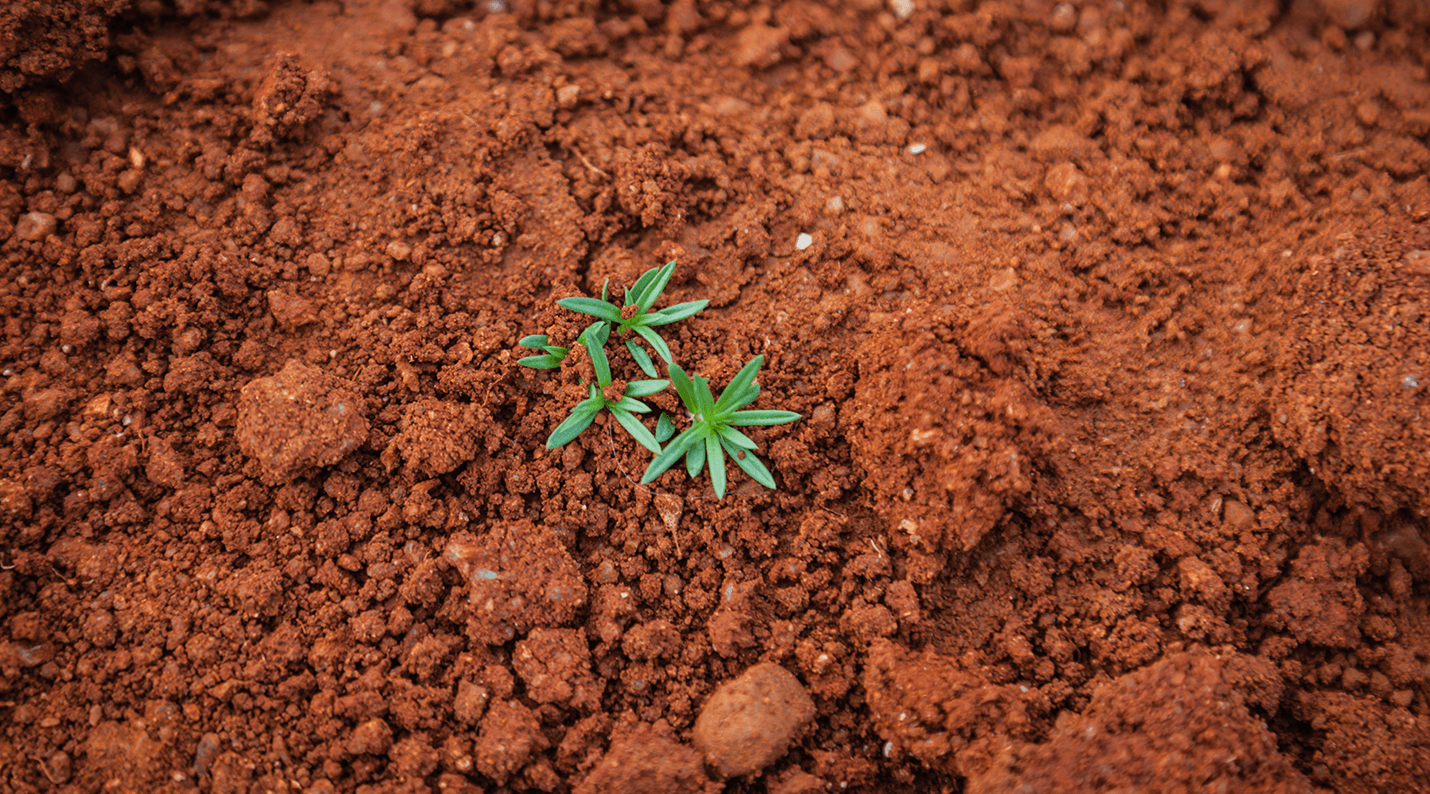
Fertilizing Autoflowering Cannabis Plants for Medical Uses: A Comprehensive Guide
Autoflowering cannabis plants have revolutionized the cultivation landscape due to their rapid growth cycle and ease of cultivation. This guide delves into the detailed processes involved in fertilizing autoflowering cannabis specifically for medical purposes, ensuring that plants receive the optimal nutrients necessary to produce potent, therapeutic buds.
Understanding Autoflowering Cannabis for Medical Use
Autoflowering cannabis plants have become increasingly popular among both recreational and medical cannabis growers due to their unique characteristics and advantages. To understand how best to cultivate and fertilize these plants for medical use, it is essential to grasp their specific traits, benefits, and the medical applications of the compounds they produce.
What Are Autoflowering Cannabis Plants?
Autoflowering cannabis plants are a hybrid cross between the Cannabis ruderalis species and various indica and sativa strains. Unlike traditional photoperiod strains, which require specific light cycles to transition from the vegetative stage to flowering, autoflowers begin to flower automatically based on age. Typically, autoflowers complete their lifecycle in 8-12 weeks from seed to harvest, making them an attractive option for growers seeking quick and consistent harvests.
Key Characteristics of Autoflowering Cannabis
- Short Lifecycle:
- Autoflowers transition from vegetative growth to flowering within 2-4 weeks, and the entire growth cycle is completed in about 8-12 weeks. This rapid growth cycle allows for multiple harvests per year.
- Compact Size:
- Generally smaller and more compact than photoperiod strains, autoflowers are ideal for indoor growing, limited spaces, and discreet outdoor cultivation.
- Resilience:
- Autoflowers are typically more resilient to pests, diseases, and environmental stressors due to their ruderalis heritage. This makes them suitable for various climates and growing conditions.
- Light Independence:
- Autoflowers do not depend on light schedules to flower, allowing for more flexibility in growing environments. They can thrive under continuous light (18-24 hours) or standard light cycles (12-12 hours).
Benefits of Autoflowering Cannabis for Medical Use
- Consistency and Reliability:
- The predictable growth cycle of autoflowers ensures consistent harvests, providing a steady supply of medical cannabis.
- Quick Turnaround:
- The short lifecycle of autoflowers means that medical cannabis patients can obtain relief more quickly, with multiple harvests possible within a single growing season.
- Ease of Cultivation:
- Autoflowers are generally easier to grow and require less maintenance than photoperiod strains, making them accessible to novice growers and patients who cultivate their own medicine.
- Versatility:
- Suitable for both indoor and outdoor cultivation, autoflowers can adapt to various environments, ensuring that medical cannabis can be grown year-round.
Medical Applications of Autoflowering Cannabis
The therapeutic potential of cannabis lies in its cannabinoids, terpenes, and other compounds. Autoflowering cannabis strains can be specifically bred and cultivated to enhance these medicinal properties:
- Cannabinoids:
- Terpenes:
- Myrcene: Sedative and muscle relaxant properties, enhances the effects of THC.
- Limonene: Mood elevation, stress relief, and anti-anxiety effects.
- Caryophyllene: Anti-inflammatory and pain-relief properties.
- Linalool: Anti-anxiety and sedative effects, useful in pain management and sleep disorders.
- Flavonoids:
- These compounds have antioxidant, anti-inflammatory, and neuroprotective effects, contributing to the overall therapeutic profile of the plant.
Tailoring Autoflowering Cannabis for Medical Use
To maximize the medical benefits of autoflowering cannabis, careful selection of strains, cultivation practices, and fertilization techniques are essential:
- Strain Selection:
- Choose autoflowering strains bred specifically for high cannabinoid and terpene content. For example, strains high in CBD like “CBD Auto Compassion Lime” or balanced THC/CBD strains like “CBD Auto Charlotte’s Angel” are popular for medical use.
- Optimized Growing Conditions:
- Maintain stable temperatures, adequate light, and proper humidity levels to ensure healthy growth. Autoflowers can thrive under continuous light, but a 20/4 light cycle (20 hours of light, 4 hours of darkness) is often recommended to balance growth and energy use.
- Precise Fertilization:
- Develop a fertilization schedule tailored to the specific needs of autoflowers, focusing on the correct nutrient ratios at each growth stage. This ensures robust plant health and maximizes the production of medicinal compounds.
- Harvest Timing:
- Timely harvesting is essential to achieve the ideal composition of terpenes and cannabinoids. Trichome color (milky to amber) is a good indicator of peak potency.
- Curing and Storage:
- Proper curing and storage enhance the medicinal quality of the buds by preserving cannabinoids and terpenes while reducing harshness.
The Nutrient Needs of Medical Autoflowering Cannabis
Medical cannabis cultivation places a higher emphasis on achieving optimal cannabinoid and terpene profiles. This requires a precise and balanced approach to fertilization, tailored to the unique needs of autoflowering strains.
Key Nutrients for Medical Autoflowering Cannabis
To cultivate high-quality medical autoflowering cannabis, it’s essential to understand the specific nutrient needs of these plants. Providing the right nutrients at the right times ensures robust growth, maximizes cannabinoid and terpene production, and ultimately results in a potent and effective medical product. Here’s a detailed look at the key nutrients required for medical autoflowering cannabis:
Macronutrients
- Nitrogen (N):
- Role: Being an essential part of chlorophyll, a substance that plants need for photosynthesis, nitrogen is vital for vegetative growth. It is also a component of proteins, enzymes, and amino acids.
- Deficiency Symptoms: Yellowing of older leaves, stunted growth, and reduced vigor.
- Excess Symptoms: Dark green foliage, excessive vegetative growth, and delayed flowering.
- Phosphorus (P):
- Role: Phosphorus is vital for energy transfer through ATP (adenosine triphosphate), root development, and the formation of DNA and RNA. It is especially important during the flowering stage to support bud development.
- Deficiency Symptoms: Dark green or purplish leaves, slow growth, poor bud development.
- Excess Symptoms: Nutrient lockout, which can lead to deficiencies in other nutrients, particularly zinc and iron.
- Potassium (K):
- Role: Potassium regulates water uptake, enzyme activation, and photosynthesis. It strengthens plant cell walls, improves drought resistance, and is critical for overall plant health and bud formation.
- Deficiency Symptoms: Yellow or brown leaf edges, weak stems, reduced resistance to diseases.
- Excess Symptoms: Reduced uptake of other essential nutrients like magnesium and calcium.
Secondary Macronutrients
- Calcium (Ca):
- Role: Calcium is necessary for cell wall structure, stability, and growth. It also plays a role in root development and nutrient uptake.
- Deficiency Symptoms: Distorted new growth, necrotic spots on leaves, poor root development.
- Excess Symptoms: Can cause magnesium and potassium deficiencies.
- Magnesium (Mg):
- Role: Magnesium is the central atom in chlorophyll and is essential for photosynthesis. It also aids in enzyme function and energy transfer.
- Deficiency Symptoms: Interveinal chlorosis (yellowing between veins) on older leaves, purple stems.
- Excess Symptoms: Can interfere with calcium uptake.
- Sulfur (S):
- Role: Sulfur is a component of some amino acids and vitamins, playing a role in protein synthesis and enzyme function.
- Deficiency Symptoms: Yellowing of new leaves, stunted growth.
- Excess Symptoms: Generally rare but can lead to an imbalance in other nutrients.
Micronutrients
- Iron (Fe):
- Role: Iron is essential for the synthesis of chlorophyll and enzyme function.
- Deficiency Symptoms: Interveinal chlorosis of young leaves.
- Excess Symptoms: Can cause manganese deficiency.
- Manganese (Mn):
- Role: Manganese is important for photosynthesis, respiration, and nitrogen assimilation.
- Deficiency Symptoms: Interveinal chlorosis, necrotic spots.
- Excess Symptoms: Can cause iron deficiency.
- Zinc (Zn):
- Role: Zinc is involved in enzyme activation and the synthesis of growth hormones.
- Deficiency Symptoms: Short internodes, distorted leaves, chlorosis.
- Excess Symptoms: Can interfere with the uptake of other nutrients.
- Copper (Cu):
- Role: Copper is part of several enzymes and is involved in photosynthesis and respiration.
- Deficiency Symptoms: Pale leaves, twisted leaf tips.
- Excess Symptoms: Can cause iron and molybdenum deficiencies.
- Molybdenum (Mo):
- Role: Molybdenum is essential for nitrogen fixation and the synthesis of amino acids.
- Deficiency Symptoms: Yellowing of middle leaves, poor nitrogen fixation.
- Excess Symptoms: Generally not common but can cause other nutrient imbalances.
- Boron (B):
- Role: Boron is crucial for cell wall formation and reproductive development.
- Deficiency Symptoms: Stunted growth, deformed new growth, poor bud formation.
- Excess Symptoms: Leaf burn, yellowing, and necrosis.
Growth Stages and Nutrient Requirements
To produce high-quality medical cannabis, it is crucial to understand the specific nutrient requirements at each growth stage:
- Seedling Stage (Weeks 1-2):
- Nutrient Ratio: 2-1-2 (N-P-K)
- Focus: Gentle nutrient solution to promote root development and avoid nutrient burn. Use a mild root stimulator or mycorrhizal inoculant to enhance root health.
- Vegetative Stage (Weeks 2-5):
- Nutrient Ratio: 4-2-3 (N-P-K)
- Focus: Increased nitrogen to support vigorous vegetative growth. Gradual introduction of higher nutrient concentrations is essential to avoid shocking the plants.
- Pre-Flowering Stage (Weeks 5-6):
- Nutrient Ratio: 3-2-4 (N-P-K)
- Focus: Balanced nutrients to prepare for flowering. This phase is essential for laying the groundwork for the formation of buds.
- Flowering Stage (Weeks 6-10+):
- Nutrient Ratio: 2-4-4 (N-P-K)
- Focus: Higher phosphorus and potassium to support bud development and resin production. Reducing nitrogen helps shift the plant’s energy from vegetative growth to flowering.
- Flushing Stage (Last 1-2 Weeks):
- Nutrient Ratio: 0-0-0 (Flush with plain water or a mild flushing agent)
- Focus: Remove excess nutrients to ensure clean, potent buds. This process enhances the medicinal quality of the final product.
Types of Fertilizers for Medical Autoflowering Cannabis
Choosing the right type of fertilizer is crucial for producing medical-grade cannabis. This is a thorough summary of the various kinds of fertilizers:
- Organic Fertilizers:
- Sourced naturally from things like manure, compost, and bone meal.
- Benefits: Improve soil health, promote beneficial microbial activity, and provide a slow-release of nutrients.
- Examples: Compost tea, worm castings, bat guano, fish emulsion.
- Synthetic Fertilizers:
- Chemically produced and offer instant access to nutrients.
- Benefits: Precise nutrient control and ease of use.
- Examples: General Hydroponics Flora Series, Advanced Nutrients.
- Liquid Fertilizers:
- Plants absorb it fast and with ease.
- Benefits: Ideal for addressing immediate nutrient deficiencies.
- Examples: Fox Farm Grow Big, BioBizz Bio-Grow.
- Solid Fertilizers:
- Slow-release and often used as base amendments.
- Benefits: Provide a steady supply of nutrients over time.
- Examples: Espoma Garden-Tone, Dr. Earth Organic.
Developing a Fertilization Schedule
A well-structured fertilization schedule ensures that autoflowering cannabis plants receive the necessary nutrients at the right times. Here’s an example of a detailed fertilization schedule:
- Seedling Stage (Weeks 1-2):
- Watering: Use pH-balanced water (6.0-6.5) with a mild nutrient solution (1/4 strength).
- Nutrients: Focus on root stimulators and light doses of balanced N-P-K fertilizers.
- Vegetative Stage (Weeks 2-5):
- Week 2: Increase nutrient strength to 1/2 strength.
- Week 3: Continue with 1/2 strength nutrient solution.
- Week 4: Transition to full-strength nutrient solution.
- Week 5: Maintain full-strength nutrient solution, with potential Cal-Mag supplementation if needed.
- Pre-Flowering Stage (Weeks 5-6):
- Watering: Adjust pH as necessary (5.5-6.5 for hydroponics, 6.0-7.0 for soil).
- Nutrients: Switch to a balanced N-P-K solution with slightly higher phosphorus and potassium levels.
- Flowering Stage (Weeks 6-10+):
- Week 6: Begin with bloom-specific nutrients at full strength.
- Week 7: Monitor plants for nutrient deficiencies or toxicities.
- Weeks 8-10: Continue with bloom nutrients, possibly introducing flowering boosters.
- Flushing Stage (Last 1-2 Weeks):
- Watering: Flush with plain, pH-balanced water.
- Focus: Ensure thorough flushing to remove residual nutrients and improve bud quality.
Addressing Nutrient Deficiencies
Medical autoflowering cannabis plants are sensitive to nutrient imbalances. Here’s how to identify and correct common deficiencies:
- Nitrogen Deficiency:
- Symptoms: Yellowing of older leaves, slow growth.
- Correction: Increase nitrogen levels with a balanced fertilizer or nitrogen-rich supplement.
- Phosphorus Deficiency:
- Symptoms: Dark green or purplish leaves, slow bud development.
- Correction: Apply phosphorus-rich fertilizers or bloom boosters.
- Potassium Deficiency:
- Symptoms: Yellow or brown leaf edges, weak stems.
- Correction: Use potassium-rich fertilizers or supplements like potassium sulfate.
- Calcium Deficiency:
- Symptoms: Brown spots on leaves, distorted growth.
- Correction: Add Cal-Mag supplements or use dolomite lime.
- Magnesium Deficiency:
- Symptoms: Yellowing between leaf veins, purple stems.
- Correction: Apply magnesium supplements such as Epsom salts.
Advanced Fertilization Techniques
For medical cannabis, advanced fertilization techniques can optimize cannabinoid and terpene profiles, enhancing therapeutic effects.
- Foliar Feeding:
- Method: Spray nutrient solution directly onto leaves for rapid absorption.
- Timing: Early morning or late evening to avoid leaf burn.
- Benefits: Quick correction of nutrient deficiencies, enhanced plant vigor.
- Microbial Inoculants:
- Types: Mycorrhizae, rhizobacteria.
- Benefits: Enhance nutrient uptake, improve soil health, boost plant resilience.
- Companion Planting:
- Plants: Clover, beans.
- Benefits: Improve soil fertility, fix nitrogen, add organic matter, reduce need for synthetic fertilizers.
- Compost Teas:
- Method: Brew nutrient-rich solution from compost.
- Application: Soil drench or foliar spray.
- Benefits: Enhance soil health, boost plant growth, promote beneficial microbes.
Tips for Successful Fertilization
- Monitor pH Levels:
- Optimal Range: 6.0-7.0 for soil, 5.5-6.5 for hydroponics.
- Importance: Ensures proper nutrient uptake and prevents deficiencies.
- Start with Light Feeding:
- Method: Begin with lower nutrient concentrations, gradually increase as plants grow.
- Importance: Prevents nutrient burn and stress.
- Observe Plant Health:
- Method: Regularly inspect plants for signs of deficiencies or toxicities.
- Action: Adjust fertilization regimen based on observations.
- Use Quality Fertilizers:
- Importance: High-quality fertilizers are designed for cannabis and free from harmful additives.
- Flush Regularly:
- Method: Periodic flushing with plain water.
- Importance: Prevents nutrient buildup, ensures clean and potent buds.
Ensuring Medical-Grade Quality
For medical cannabis, achieving the highest quality is paramount. This involves not only proper fertilization but also attention to other cultivation aspects:
- Genetics:
- Importance: Choose strains known for their therapeutic effects and high cannabinoid content.
- Environmental Control:
- Temperature and Humidity: Maintain optimal levels to prevent stress and promote healthy growth.
- Light: Ensure adequate light for photosynthesis and growth.
- Harvesting:
- Timing: Harvest at peak cannabinoid and terpene levels.
- Method: Handle plants gently to preserve trichomes and potency.
- Curing:
- Process: Properly dry and cure buds to enhance flavor, potency, and smoothness.
- Storage: Store in airtight containers in a cool, dark place.
Conclusion
Fertilizing autoflowering cannabis plants for medical uses requires a comprehensive and nuanced approach that encompasses understanding the specific nutrient needs of these unique strains, tailoring a precise fertilization schedule, and employing advanced techniques to optimize growth and cannabinoid production. Achieving high-quality medical cannabis is not just about feeding the plants but creating an environment that allows them to thrive and express their full genetic potential.
Understanding the Basics
The foundation of successful fertilization begins with a solid understanding of the essential nutrients required by cannabis plants. These include primary macronutrients (Nitrogen, Phosphorus, and Potassium), secondary macronutrients (Calcium, Magnesium, and Sulfur), and vital micronutrients (Iron, Manganese, Zinc, Copper, Molybdenum, and Boron). Each nutrient plays a crucial role in various physiological processes, from root development to flowering and bud formation.
Growth Stages and Nutrient Requirements
Medical autoflowering cannabis plants have specific nutrient requirements at each growth stage, from seedlings to harvest. The nutrient ratios and feeding schedules must be carefully adjusted to support the rapid and dynamic growth cycle of autoflowers:
- Seedling Stage: Focus on root development with a gentle nutrient solution to avoid nutrient burn.
- Vegetative Stage: Increase nitrogen levels to support leafy growth while gradually introducing higher nutrient concentrations.
- Pre-Flowering Stage: Provide balanced nutrients to prepare the plant for flowering.
- Flowering Stage: Shift to higher phosphorus and potassium levels to promote bud development and resin production, reducing nitrogen to avoid excessive vegetative growth.
- Flushing Stage: Remove excess nutrients to ensure clean, potent buds, enhancing the medicinal quality of the final product.
Types of Fertilizers
Choosing the right type of fertilizer is crucial for medical cannabis cultivation. .. Slow-releasing nutrients and enhanced soil health are the results of using organic fertilizers, which also encourage healthy microbial activity. Synthetic fertilizers provide exact control and instantaneous nutrient availability, which is crucial for promptly treating certain deficits. Liquid fertilizers are ideal for rapid nutrient absorption, while solid fertilizers provide a steady supply of nutrients over time.
Advanced Fertilization Techniques
Advanced techniques such as foliar feeding, microbial inoculants, companion planting, and compost teas can significantly enhance the growth and potency of medical autoflowering cannabis. Foliar feeding allows for quick correction of nutrient deficiencies, microbial inoculants improve nutrient uptake and soil health, companion planting boosts soil fertility, and compost teas enhance plant vigor and promote beneficial microbes.
Monitoring and Adjusting
Constant monitoring of plant health and environmental conditions is vital. Regularly inspecting plants for signs of nutrient deficiencies or toxicities and adjusting the fertilization regimen accordingly ensures that plants receive the right nutrients at the right times. Maintaining proper pH levels is essential for optimal nutrient uptake, preventing deficiencies, and ensuring healthy growth.
Ensuring Medical-Grade Quality
Producing medical-grade cannabis goes beyond fertilization. It involves careful selection of genetics, maintaining optimal environmental conditions, precise harvesting timing, and proper curing and storage. Each step is crucial in preserving the therapeutic properties of cannabis, ensuring patients receive potent and effective medicine.
Final Thoughts
Fertilizing autoflowering cannabis plants for medical purposes requires dedication, knowledge, and attention to detail. By understanding the unique needs of these plants and implementing a tailored fertilization strategy, growers can maximize the therapeutic potential of their crops. The goal is to produce high-quality, consistent, and potent medical cannabis that meets the needs of patients seeking relief from various ailments.
Achieving success in medical cannabis cultivation is a continuous learning process. Staying informed about the latest advancements in cannabis nutrition and cultivation techniques, experimenting with different approaches, and observing the plants’ responses will lead to better results over time. The journey to growing top-tier medical cannabis is both challenging and rewarding, offering the satisfaction of contributing to the well-being of those who rely on this remarkable plant for their health and healing.
