Table of Contents
Feminized Autoflower Seeds – Are They Worth It?
Feminized autoflower seeds have grown increasingly popular among cannabis cultivators in recent years. Combining the best of both worlds autoflowering genetics and feminization these seeds offer unique advantages for novice and experienced growers alike. But with higher costs and specific limitations, many growers still ask: are feminized autoflower seeds truly worth it?
What Are Feminized Autoflower Seeds?
To understand feminized autoflower seeds, it’s helpful to break down the two main components of the term:
- Feminized Seeds: These are genetically modified to produce only female cannabis plants. Since only female plants produce high-THC or high-CBD flowers, feminized seeds eliminate the need to identify and remove male plants, saving time, resources, and risk of pollination.
- Autoflowering Seeds: These are bred from Cannabis ruderalis genetics, allowing the plant to flower based on age rather than light cycles. Typically, autoflower strains begin flowering 2–4 weeks after germination, regardless of the amount of light they receive.
Feminized autoflower seeds, therefore, are seeds that produce only female, autoflowering plants. These combine the convenience of feminization with the speed and adaptability of autoflowers.
Key Benefits of Feminized Autoflower Seeds
1. Time Efficiency
Autoflowering feminized plants usually complete their lifecycle in 8–11 weeks from seed to harvest. For growers looking for fast turnover especially outdoors in short growing seasons this speed is invaluable.
2. No Need to Sex Plants
Since the seeds are feminized, growers can be confident that 100% of the plants will be female, eliminating the need to inspect, identify, and cull males during the vegetative stage. This is especially important for growers with limited space, where every plant counts.
3. No Light Cycle Dependency
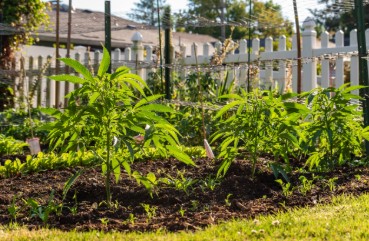
Unlike photoperiod strains that require 12 hours of uninterrupted darkness to trigger flowering, autoflowers will bloom automatically, regardless of the light schedule. This implies that they can be cultivated:
- Outdoors throughout the spring and summer with continuous harvests.
- Indoors under continuous 18/6 or even 20/4 light cycles, maximizing photosynthesis and growth.
4. Compact and Discreet
Feminized autoflowers typically grow shorter and bushier than photoperiod plants usually 1 to 3 feet tall making them ideal for stealth operations, indoor tent grows, balconies, or other restricted environments.
5. Multiple Harvests per Season
With fast turnover and less reliance on the seasons or light cycles, it’s possible to achieve multiple harvests per year, especially in warmer climates or indoor setups.
Limitations of Feminized Autoflower Seeds
Despite their many advantages, feminized autoflower seeds also have notable downsides that growers should weigh carefully.
1. Lower Yields Compared to Photoperiods
While autoflowers have improved over the years, they still typically yield less than photoperiod plants grown under ideal conditions. Most autoflowers produce 50–200 grams per plant, whereas photoperiods can yield 400 grams or more with enough vegetative time and training.
2. Less Control Over Vegetative Growth
Since autoflowers switch to flowering based on age, growers have limited time to train or shape their plants. Techniques like topping or LST (low-stress training) must be applied early, and recovery time is minimal.
3. Potentially Lower Potency
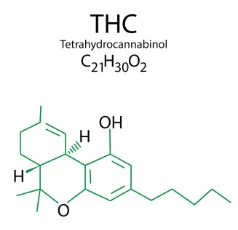
Early autoflower generations were criticized for having lower THC content, though newer strains have bridged much of that gap. Still, peak THC levels in autoflowers (18–25%) may be slightly lower than premium photoperiod strains (up to 30%+).
4. Not Ideal for Cloning
Because autoflowers flower automatically, any clones taken will also flower early making them impractical for traditional cloning and long-term genetic preservation. Growers relying on phenohunting or propagation often prefer photoperiods.
5. Higher Cost Per Seed
Feminized autoflower seeds are typically more expensive per unit than regular or photoperiod seeds. While this is offset by convenience and efficiency, it may not suit budget-conscious or large-scale growers.
Ideal Use Cases for Feminized Autoflower Seeds
Feminized autoflowers shine in specific growing contexts:
- First-Time Growers: Autoflowers are more forgiving and simpler to manage no light deprivation or complex training needed.
- Outdoor Urban or Guerrilla Grows: Their small stature and fast life cycle make them ideal for discreet outdoor setups.
- Short Seasons or Harsh Climates: Growers in northern latitudes or areas with unpredictable weather benefit from the speed of autoflowers.
- Year-Round Indoor Growing: Indoors, autoflowers can be cultivated continuously without changing the light cycle, enabling perpetual harvests.
Are They Worth It?
Whether feminized autoflower seeds are “worth it” depends on several factors:
| Factor | When They’re Worth It | When They’re Not Ideal |
|---|---|---|
| Grower Experience | New growers seeking ease | Experienced growers who want control over yield and training |
| Growing Space | Limited, stealth, or indoor micro-grows | Large-scale outdoor grows or commercial ops |
| Harvest Goals | Quick, multiple harvests | Max yield per plant or high potency |
| Budget | Moderate to high budget | Low budget, bulk grows from regular seeds |
| Cloning / Breeding | Not important | Vital for phenotype hunting and genetics preservation |
Advances in Feminized Autoflower Breeding
Modern breeders have made impressive strides in autoflower genetics. New strains feature:
- High THC levels (20%+)
- Rich terpene profiles
- Resilience to pests and diseases
- More stable growth patterns
- Improved response to LST
Popular strains like Gorilla Glue Auto, Zkittlez Auto, and Blueberry Auto now rival their photoperiod counterparts in both effects and flavor, making the gap between them narrower than ever.
Tips for Maximizing Feminized Autoflower Success
- Use quality genetics: Opt for reputable breeders that have optimized autoflower strains for potency and yield.
- Avoid stress: Autos are sensitive to transplanting, overfeeding, or high-stress training. Plan ahead and maintain gentle care.
- Start in the final container: This prevents transplant shock and gives the roots room to grow from the start.
- Maintain light: 18–20 hours of daily light is optimal indoors. Autoflowers love light and use it efficiently.
- Choose good soil: Autoflowers thrive in light, airy, well-draining soil. Avoid nutrient-rich soil early on to prevent burn.
Conclusion
Feminized autoflower seeds are undoubtedly a powerful tool in modern cannabis cultivation. They streamline the process, eliminate male plants, flower quickly, and adapt to various environments. While they may not produce the colossal yields or potent THC levels of expertly grown photoperiod plants, they offer unmatched convenience, especially for home growers, small spaces, and seasonal outdoor setups.
If your goals include quick harvests, ease of growth, and minimal hassle, feminized autoflower seeds are absolutely worth it. For those focused on large-scale cultivation, breeding projects, or squeezing every last gram and cannabinoid out of a plant, traditional feminized photoperiods may be the better choice.
In the end, the best seed is the one that suits your grow style, environment, and goals and for many modern cultivators, feminized autoflowers check all the right boxes.
