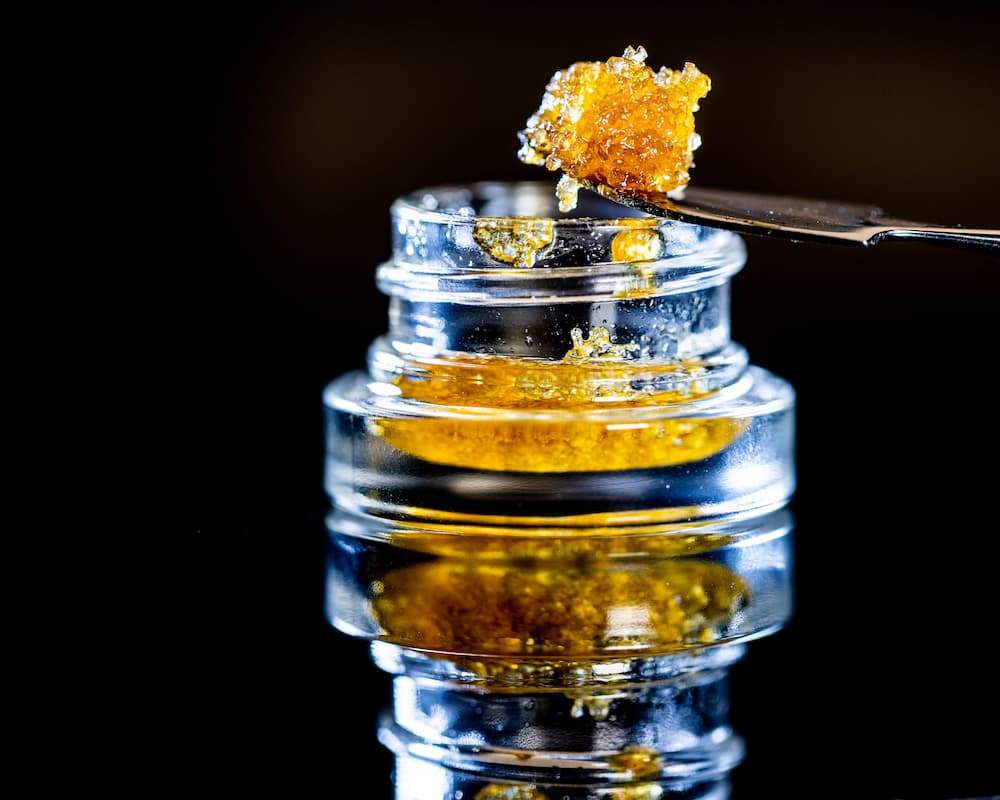
Extraction and Isolation Techniques for Flavonoids in Medical Cannabis Products
The medicinal potential of medical cannabis is greatly enhanced by flavonoids, a crucial class of secondary metabolites present in plants. Unlike cannabinoids and terpenes, flavonoids are often overlooked in cannabis research, despite their profound pharmacological activities. In medical cannabis products, flavonoids contribute not only to the therapeutic effects but also to the synergistic “entourage effect,” enhancing the benefits of cannabinoids and terpenes. Understanding and optimizing the extraction and isolation techniques for flavonoids is paramount to ensuring their efficacy in medical applications. This discussion delves into the detailed methodologies, focusing exclusively on their relevance to medical applications, excluding recreational use or consumption methods.
Flavonoid Composition in Cannabis
Polyphenolic substances called flavonoids are essential for plant pigmentation, UV protection, and disease defense. In cannabis, these compounds include apigenin, quercetin, kaempferol, luteolin, and cannaflavins A, B, and C. Cannaflavins, unique to cannabis, have shown notable anti-inflammatory properties, making them highly relevant for medical purposes.
These compounds exert antioxidant, anti-inflammatory, anti-cancer, and neuroprotective effects. Their low toxicity profile and wide-ranging bioactivity make them ideal candidates for inclusion in medical cannabis formulations. However, the low natural abundance of flavonoids in cannabis necessitates efficient extraction and isolation processes to achieve therapeutic-grade concentrations.
Challenges in Flavonoid Extraction
One of the primary challenges in isolating flavonoids from cannabis lies in their chemical nature. Flavonoids are hydrophilic due to their hydroxyl groups, which contrasts with the lipophilic nature of cannabinoids and terpenes. This polarity difference requires specialized solvents and methodologies to separate flavonoids effectively. Additionally, flavonoids are sensitive to heat, light, and oxidative conditions, necessitating careful control of processing parameters to maintain their bioactivity.
Solvent-Based Extraction
Ethanol Extraction
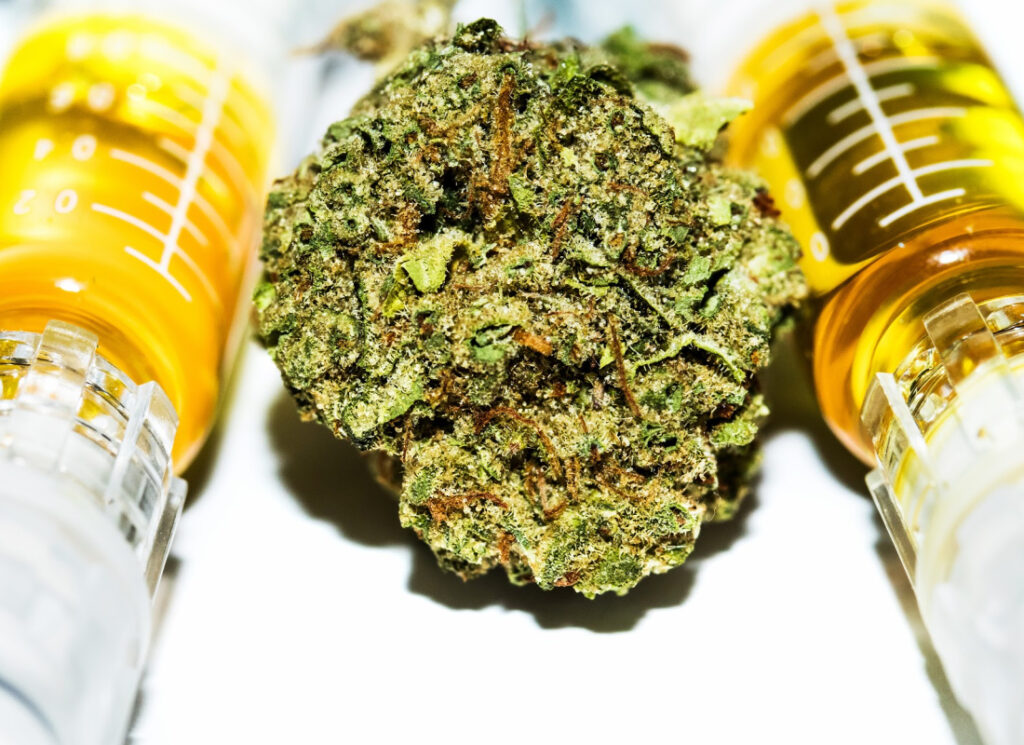
Ethanol is a commonly used solvent for flavonoid extraction due to its polarity and ability to dissolve polyphenolic compounds effectively. In medical cannabis production, ethanol extraction is often employed as a preliminary step to extract a broad spectrum of compounds, including flavonoids, terpenes, and cannabinoids.
- Process: The cannabis biomass is soaked in ethanol at either room temperature or lower temperatures (cold ethanol extraction). Cold extraction minimizes the co-extraction of unwanted compounds such as chlorophyll, which can complicate subsequent isolation steps.
- Advantages: Ethanol is food-grade and easily recoverable, making it suitable for medical-grade products.
- Limitations: Ethanol’s broad-spectrum solubility can lead to the extraction of non-target compounds, necessitating further purification.
Methanol and Acetone
Methanol and acetone are also effective in flavonoid extraction due to their strong polarity. However, their use is limited in medical cannabis production because of their toxicity and stricter regulatory controls.
Supercritical Fluid Extraction (SFE)
Supercritical fluid extraction using carbon dioxide (CO₂) is a versatile and scalable technique widely used in cannabis processing. While SFE is primarily used for cannabinoids, its application in flavonoid extraction is gaining attention.
- Principle: CO₂ acts as a solvent in its supercritical state, where it exhibits both gas-like diffusivity and liquid-like solvating power. By modulating the pressure and temperature, CO₂ can be tuned to extract specific compound classes.
- Co-Solvents: To improve the extraction of polar compounds like flavonoids, ethanol or methanol is often used as a co-solvent. This combination enhances the efficiency of flavonoid recovery while maintaining the advantages of supercritical CO₂.
- Advantages: SFE is non-toxic, leaves no solvent residue, and allows for precise targeting of compounds by adjusting operational parameters.
- Limitations: The equipment is expensive, and the process may require optimization for flavonoids, as they are less soluble in pure CO₂ compared to cannabinoids.
Ultrasound-Assisted Extraction (UAE)
Ultrasound-assisted extraction leverages high-frequency sound waves to enhance the penetration of solvents into plant material. This technique disrupts the cell walls of the cannabis biomass, releasing intracellular compounds, including flavonoids.
- Procedure: Cannabis material is suspended in a polar solvent (e.g., ethanol or methanol) and subjected to ultrasound waves. Cavitation effects created by the ultrasound facilitate the release of flavonoids.
- Advantages: UAE is cost-effective, requires minimal solvent, and operates at low temperatures, preserving flavonoid stability.
- Applications in Medicine: UAE is particularly suited for extracting heat-sensitive flavonoids intended for pharmaceutical formulations, ensuring the preservation of their bioactivity.
Microwave-Assisted Extraction (MAE)
Microwave-assisted extraction uses electromagnetic radiation to heat the solvent and plant material, accelerating the release of target compounds. This method is highly efficient for flavonoids due to its rapid and uniform heating.
- Mechanism: Microwaves cause polar molecules within the plant cells to oscillate, leading to cell rupture and enhanced solvent penetration.
- Advantages: MAE significantly reduces extraction time and solvent consumption. It is suitable for medical-grade extractions where efficiency and scalability are crucial.
- Challenges: Excessive heating can degrade sensitive flavonoids, necessitating careful temperature control.
Enzyme-Assisted Extraction (EAE)
Enzyme-assisted extraction employs specific enzymes to break down the cell walls of cannabis biomass, releasing bound flavonoids. Commonly used enzymes include cellulases and pectinases.
- Process: Cannabis material is treated with enzymes in an aqueous medium, followed by solvent extraction to recover flavonoids.
- Advantages: EAE is environmentally friendly and operates under mild conditions, preserving flavonoid integrity.
- Applications in Medicine: This technique is particularly useful for developing high-purity flavonoid extracts for pharmaceutical applications.
Chromatographic Techniques for Isolation
Once extracted, flavonoids require isolation from other co-extracted compounds. Chromatographic techniques play a pivotal role in achieving this separation, especially for medical applications where purity and consistency are critical.
High-Performance Liquid Chromatography (HPLC)
HPLC is the gold standard for isolating and quantifying flavonoids in cannabis extracts.
- Method: Flavonoids are separated based on their interaction with a stationary phase and a mobile phase. Reverse-phase HPLC, using a hydrophobic stationary phase, is commonly employed for flavonoid isolation.
- Detection: UV-visible detectors are often used for flavonoid analysis due to their characteristic absorption spectra.
- Applications in Medicine: HPLC ensures high-purity flavonoid isolates, suitable for incorporation into pharmaceutical formulations.
Preparative Thin-Layer Chromatography (TLC)
While TLC is primarily an analytical tool, preparative TLC can be scaled up for isolating flavonoids in smaller quantities.
- Process: Flavonoid-containing extracts are applied to a TLC plate, separated, and scraped off for recovery.
- Limitations: Preparative TLC is labor-intensive and not suitable for large-scale production.
Flash Chromatography
Flash chromatography is a scalable technique that uses pressurized gas to drive the mobile phase through a column, rapidly separating flavonoids.
- Advantages: It offers a balance between efficiency and scalability, making it ideal for semi-preparative isolation of flavonoids in medical cannabis production.
Advanced Techniques: Molecular Imprinting and Solid-Phase Extraction
Molecular Imprinting
Molecular imprinting technology (MIT) involves creating polymer matrices with cavities designed to selectively bind specific flavonoids.
- Applications: High levels of selective isolation are possible at MIT, which is crucial for medical-grade goods where consistency and purity are crucial.
Solid-Phase Extraction (SPE)
SPE uses selective adsorption and elution to isolate flavonoids from crude extracts.
- Advantages: SPE is highly reproducible and can be integrated into automated workflows, making it suitable for large-scale medical cannabis processing.
Preservation of Flavonoid Integrity
Maintaining the bioactivity of flavonoids during and after extraction is crucial for medical applications. Several strategies can be employed:
- Antioxidants: Adding antioxidants like ascorbic acid during extraction can prevent oxidative degradation.
- Encapsulation: Encapsulating flavonoids in liposomes or nanoparticles enhances their stability and bioavailability.
- Freeze-Drying: Lyophilization of flavonoid extracts prevents degradation during storage.
Analytical Techniques for Quality Control
Accurate quantification and characterization of flavonoids are essential to ensure the therapeutic consistency of medical cannabis products. Techniques commonly used include:
- Mass Spectrometry (MS): MS provides molecular weight and structural information, aiding in flavonoid identification.
- Nuclear Magnetic Resonance (NMR): NMR offers detailed structural insights, essential for confirming flavonoid purity.
- UV-Visible Spectroscopy: This method is widely used for routine quantification of flavonoids based on their absorption maxima.
Applications of Flavonoids in Medical Cannabis
The isolated flavonoids from cannabis have shown promising applications in various medical domains:
- Anti-Inflammatory Agents: Cannaflavins A and B have demonstrated COX-2 inhibition comparable to NSAIDs, offering a non-opioid alternative for pain management.
- Anti-Cancer Potential: Flavonoids like quercetin and apigenin exhibit anti-proliferative effects against various cancer cell lines, supporting their inclusion in anti-cancer therapies.
- Neuroprotection: Luteolin and other flavonoids mitigate oxidative stress and inflammation in neurodegenerative diseases like Alzheimer’s and Parkinson’s.
- Antioxidants: The antioxidant properties of flavonoids make them ideal for managing oxidative stress-related conditions, such as cardiovascular diseases and diabetes.
Future Directions and Innovations
While significant progress has been made in flavonoid extraction and isolation, further research is needed to optimize these processes for medical cannabis. Emerging trends include:
- Green Extraction Technologies: Developing eco-friendly methods, such as supercritical water extraction, to minimize environmental impact.
- Biotechnological Approaches: Engineering microbial systems to biosynthesize specific flavonoids, bypassing the limitations of plant extraction.
- Nanotechnology: Enhancing flavonoid delivery through nano-encapsulation, improving their therapeutic efficacy and stability.
Restrictions on Using Cannabis Flavonoids in the Medical Field

Cannabis-derived flavonoids have anti-inflammatory, antioxidant, and anti-cancer qualities that make them highly promising for use in medicine. However, their use is accompanied by regulatory and practical challenges, particularly when integrated into medications as a last resort. The delicate balance between therapeutic benefits and potential psychoactive side effects from trace cannabinoids, especially tetrahydrocannabinol (THC), necessitates stringent guidelines and monitoring.
Legal and Ethical Considerations
The use of cannabis-derived compounds, including flavonoids, is subject to extensive regulation in most jurisdictions. While flavonoids themselves are non-psychoactive, their extraction from cannabis plants often coincides with the presence of cannabinoids like THC and cannabidiol (CBD). In the medical field, the inclusion of cannabis flavonoids in treatment protocols is typically considered only when:
- Established Treatments Have Failed: Cannabis-based therapies, including those containing flavonoids, are generally prescribed as a last resort. This restriction aims to ensure that conventional medications with established efficacy and safety profiles are prioritized over experimental or alternative treatments.
- Specific Medical Conditions: Flavonoid-based cannabis therapies are often reserved for conditions where traditional options provide insufficient relief, such as chronic inflammation, neuropathic pain, or treatment-resistant cancers.
- Jurisdictional Approval: Flavonoid use is contingent on compliance with local and national regulations, which may restrict cannabis-based products to specific medical indications or prohibit them altogether.
THC Levels and Psychoactivity Concerns
One of the foremost concerns in using cannabis-derived flavonoids is the risk of psychoactive effects due to residual THC. Even trace amounts of THC can cause unintended side effects, particularly in sensitive populations such as children, elderly patients, or those with psychiatric conditions. To mitigate this risk, several strategies and regulations are employed:
Limiting THC Concentrations
Regulatory agencies impose strict limits on the allowable THC content in medical cannabis products. For instance:
- “Zero THC” Products: Many jurisdictions require medical products containing cannabis flavonoids to be completely THC-free. THC is eliminated but the medicinal chemicals are retained through the use of sophisticated purifying methods like chromatography.
- Threshold Limits: In cases where trace THC cannot be entirely eliminated, legal limits (e.g., 0.2% or 0.3%) are enforced to ensure the product remains non-psychoactive.
Monitoring Through Quality Control
Quality assurance and testing are integral to maintaining safe THC levels in flavonoid-rich cannabis medications. This involves:
- Rigorous Lab Testing: Cannabis products undergo testing at multiple stages of production to quantify THC levels and ensure compliance with regulations.
- Batch Consistency: Ensuring each batch of the product contains consistent concentrations of flavonoids and negligible THC is critical for both efficacy and safety.
Medical Use as a Last Resort
Cannabis flavonoids are increasingly viewed as adjunctive or alternative therapies, but their use is restricted to scenarios where conventional options fail. This approach is rooted in several medical and ethical principles:
Risk-Benefit Assessment
The inclusion of flavonoids in medical treatments is justified only when their benefits outweigh potential risks. For example:
- Chronic Pain Management: Patients with severe, treatment-resistant pain may benefit from the anti-inflammatory properties of cannaflavins, particularly when opioids are ineffective or contraindicated.
- Cancer Therapy: Flavonoids like quercetin and luteolin, which exhibit anti-proliferative effects on cancer cells, are considered only in cases where standard chemotherapy has failed or is unsuitable.
Minimizing Unintended Consequences
Cannabis-based treatments are often viewed as experimental in nature, particularly in pediatric or elderly populations. The potential for long-term effects, unknown drug interactions, or residual psychoactive impact mandates a cautious, last-resort approach.
Patient Monitoring and Safety Protocols
To prevent unintended psychoactive effects and ensure patient safety, rigorous monitoring protocols are essential when prescribing flavonoid-based cannabis therapies. These include:
Regular THC Testing
Patients prescribed cannabis flavonoid therapies are monitored through routine blood or urine tests to ensure THC levels remain within safe limits. This is especially critical in long-term treatment scenarios where cumulative exposure to trace cannabinoids could pose a risk.
Behavioral and Cognitive Assessments
Medical practitioners assess patients for any signs of psychoactive effects, such as changes in mood, cognition, or behavior. This is particularly important for vulnerable populations like individuals with a history of psychiatric disorders.
Individualized Dosing
The lowest effective dose is provided to reduce dangers, and each patient’s medication is customized to meet their unique needs. This approach ensures that the therapeutic benefits of flavonoids are harnessed without unnecessary exposure to cannabinoids.
Alternative Sources of Flavonoids
Given the challenges associated with cannabis-derived flavonoids, researchers are exploring alternative methods to obtain these compounds. These include:
- Synthetic Production: Flavonoids can be synthesized in laboratories, ensuring purity and eliminating concerns about THC contamination.
- Non-Cannabis Sources: Many flavonoids present in cannabis, such as quercetin and apigenin, are also found in other plants. Extracting these compounds from non-cannabis sources offers a THC-free alternative for medical applications.
Ethical Considerations in Medical Cannabis Use
The medical use of cannabis flavonoids must align with ethical principles, including:
- Informed Consent: Patients must be fully informed about the experimental nature of flavonoid-based treatments, potential benefits, and associated risks.
- Equity in Access: Medical cannabis products should be accessible to all patients who meet the criteria for their use, irrespective of socioeconomic status or geographic location.
Conclusion
Medical cannabis’s flavonoids offer a vital but little-studied path toward the creation of novel treatments for a range of illnesses. Their potent anti-inflammatory, antioxidant, anti-cancer, and neuroprotective properties offer unique advantages, particularly for patients with conditions resistant to conventional treatments. However, their integration into medical products is fraught with challenges, ranging from the complexities of extraction and isolation to the strict regulatory frameworks governing their use.
The extraction and isolation of flavonoids demand sophisticated techniques that preserve their bioactivity and achieve pharmaceutical-grade purity. Methods such as ethanol extraction, supercritical CO₂ extraction, and advanced chromatographic separation ensure these compounds are efficiently obtained while minimizing the presence of undesirable compounds, particularly THC. The use of green extraction technologies and biotechnological approaches further underscores the commitment to sustainability and innovation in this domain.
Medical use of cannabis flavonoids is appropriately restricted to situations where traditional treatments have failed, aligning with ethical and medical principles. The potential for even trace amounts of THC to cause psychoactive effects necessitates rigorous quality control, batch consistency, and patient monitoring. Advances in testing and product formulation have made it possible to develop medications that maximize the therapeutic potential of flavonoids while mitigating risks associated with THC contamination.
Moreover, the discussion highlights the importance of alternative sources and synthetic production of flavonoids to bypass regulatory and psychoactivity-related challenges. These approaches ensure consistent supply and eliminate reliance on cannabis as the sole source of these beneficial compounds.
In summary, cannabis flavonoids hold immense potential for medical applications, but their use must be carefully managed and justified. By prioritizing safety, regulatory compliance, and scientific rigor, the medical field can responsibly harness these compounds to develop novel, effective therapies for patients in need. Continued research, technological innovation, and ethical stewardship will be essential in unlocking the full therapeutic value of cannabis flavonoids in medicine.
