I used to chase “exotic” labels the way a lot of growers do: by looking for the loudest bag appeal and the flashiest names. After a few cycles, that approach cost me time, canopy space, and more than a couple of disappointing jars. What finally worked was treating Top Exotic Cannabis Strains like any other serious cultivation project: I defined what I wanted (aroma, structure, finish time, resilience), I ran small phenohunts, and I kept a simple seed-to-harvest grow journal so my decisions were based on notes, not vibes.
Whether you call it cannabis, marijuana, or weed, the plant responds to the same fundamentals.
This post is my hands-on framework for finding and growing Top Exotic Cannabis Strains without getting lost in hype. I’ll cover how I source seeds, how I evaluate boutique cannabis genetics, and the exact environmental targets I use for indoor cannabis. I’ll also talk honestly about trade-offs: some of the most terpene-heavy marijuana cultivars can be picky about stress, some “exotic” weed varieties stretch harder than you expect, and some are simply not worth keeping.
What “exotic” actually means in a grow room
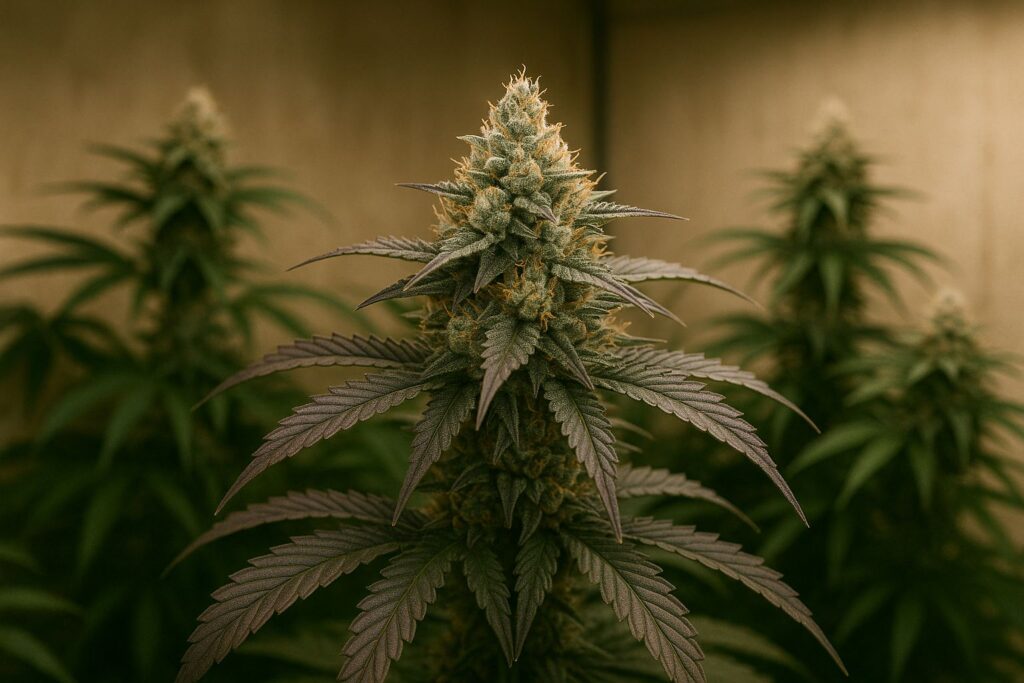
When I say “exotic,” I’m not talking about price or marketing. In my room, exotic means the plant expresses something uncommon in at least one of these areas:
- Terpene character that’s clearly distinct: not just “sweet,” but a defined note like resinous pine, sharp citrus rind, fermented fruit, or floral spice.
- Flower texture and resin coverage that holds up after drying and curing.
- A growth pattern I can work with: internode spacing, branching, and a predictable finish window.
- A lineage that makes sense for my goals, not just a trendy cross.
The easiest way to stay grounded is terpene-led strain selection. I write down the top two aromas I want before I buy a single seed. That terpene-led strain selection mindset keeps me from filling a tent with lookalikes.
My seed-shopping criteria for Top Exotic Cannabis Strains
Start with goals, not names
Before I buy anything, I answer three questions in my seed-to-harvest grow journal:
- What am I optimizing for: flavor, yield, speed, or resilience?
- What’s my environment: hot summers, dry winters, limited odor control?
- What’s my time window from flip to harvest?
When you’re targeting Top Exotic Cannabis Strains, you’re usually optimizing for flavor and uniqueness. That means you can’t ignore the basics of seed-shopping: provenance, storage, and realistic expectations.
How I vet boutique cannabis genetics
I look for boutique cannabis genetics with consistent selection work behind them. Practically, that means:
- A breeder or team that describes parent traits and selection goals.
- Notes on typical flowering time, stretch, and sensitivity.
- Clear guidance on whether a line is stabilized or more “hunt-heavy.”
Boutique cannabis genetics can be amazing, but they can also be variable. I don’t mind variability if I’m ready to phenohunt at home and keep clones of winners.
Feminized, regular, and autoflower decisions
I grow all three depending on the project:
- Feminized seeds when I want a faster path to flower and I’m not building a breeding stock.
- Regular seeds when I’m intentionally phenohunting at home and want the option to select males for future projects.
- Autoflowers when I need speed or want to run an extra plant count without changing my photoperiod schedule.
If I’m buying for Top Exotic Cannabis Strains, feminized is usually my choice for efficiency, but I still keep feminized seed storage tips written down because handling matters: stable temperature, low humidity, and minimal light exposure.
Shipping, storage, and risk management
Seed shipping is where people lose viability. I avoid heat exposure, I don’t leave packages in mailboxes, and I store seeds in a cool, dry, dark place. Those feminized seed storage tips apply to any cannabis, marijuana, or weed seed line, not just feminized.
Seed banks and vendor checks I rely on
When I’m sourcing seeds for Top Exotic Cannabis Strains, the vendor matters almost as much as the genetics. I treat a seed bank like a cold-chain link: if storage and handling are sloppy, even great marijuana lines can arrive tired. Here’s what I check before I place an order with seed banks:
- Storage and turnover: seeds should be stored cool, dry, and away from light, with clear batch turnover.
- Transparent descriptions: realistic flowering time ranges, not just marketing.
- Shipping options: tracking, packaging that protects from heat, and delivery windows that don’t leave a box sitting outside.
- Support: a clear way to resolve missing packages or damaged orders.
- Payment and privacy: whatever method you use, keep your personal info tight and don’t overshare.
- Region awareness: a reputable seed bank will be clear about where they do and don’t ship.
A common Google-style question is, “How do I choose a seed bank for exotic weed genetics?” My answer is simple: pick the shop that treats seeds like living inventory, not like stickers.
Germination and early vigor without drama
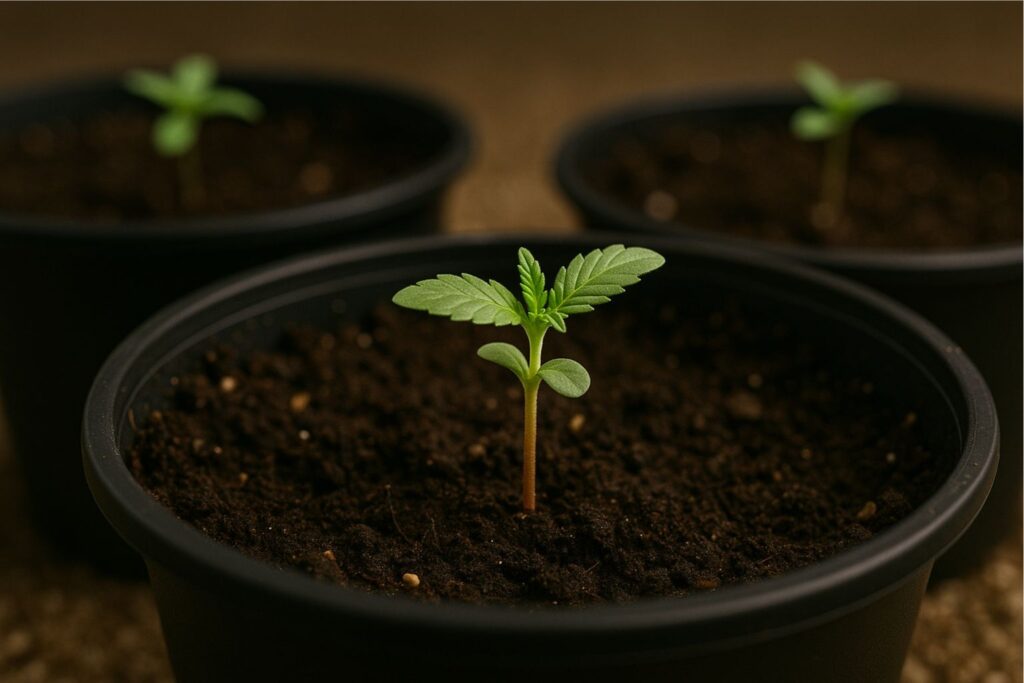
For germination, I keep it simple: moisture, warmth, and oxygen. My baseline method:
- Soak 12–18 hours in clean water at room temperature.
- Move to a lightly moist medium (not wet) and keep 24–26°C.
- Gentle light once the seedling breaks the surface.
The first 10 days tell you a lot about Top Exotic Cannabis Strains. Weak early vigor often turns into nutrient sensitivity later. I document everything in my seed-to-harvest grow journal so I can spot patterns across runs.
Phenohunting at home, realistically
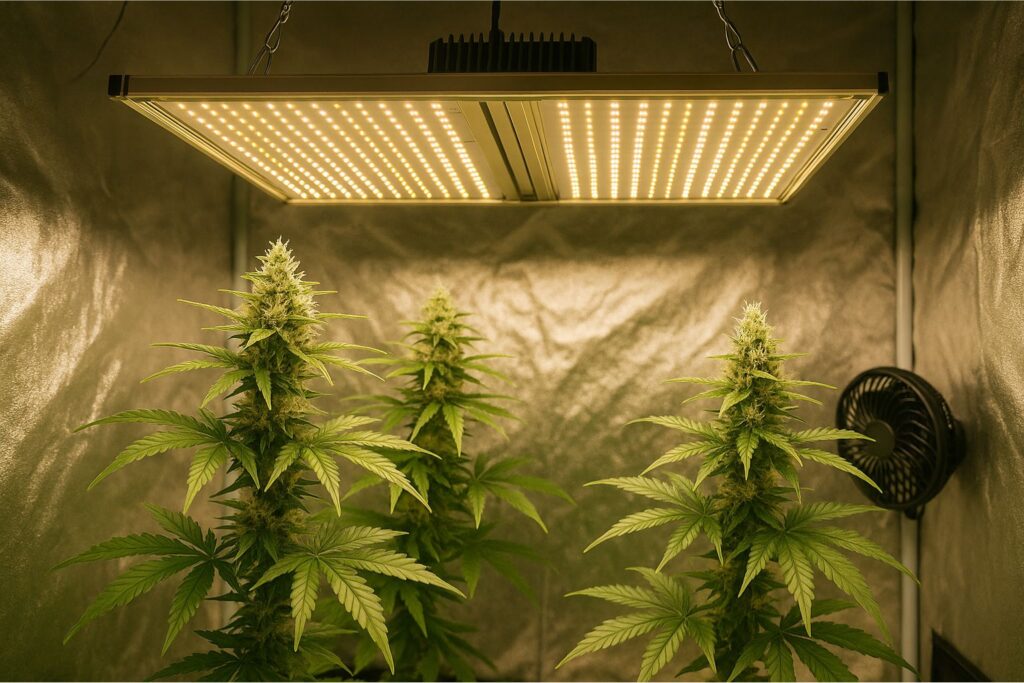
I’m not running 100 plants. Most of my hunts are 6–12 seeds of a single line, and I treat it like a structured trial.
My phenohunting at home workflow
- Label everything. I number each plant and keep photos weekly.
- Veg long enough to see structure: usually 21–35 days from sprout.
- Take a small clone before flip if I think the plant has potential.
- Flower under stable conditions so the genetics, not the room, do the talking.
- Score each plant on aroma, structure, resin, finish time, and post-cure quality.
Phenohunting at home works best when you aren’t changing variables mid-run. I use the same pot size, the same feeding baseline, and the same light height across the group.
What I keep and what I cull
For Top Exotic Cannabis Strains, I keep plants that:
- Hold strong aroma after a 14-day cure.
- Don’t collapse under their own weight without constant support.
- Finish within the time window I can manage.
- Resist common indoor problems like powdery mildew.
If a plant looks great but tastes flat after drying and curing workflow is complete, it goes. Jar quality is the final judge.
Environment targets I rely on
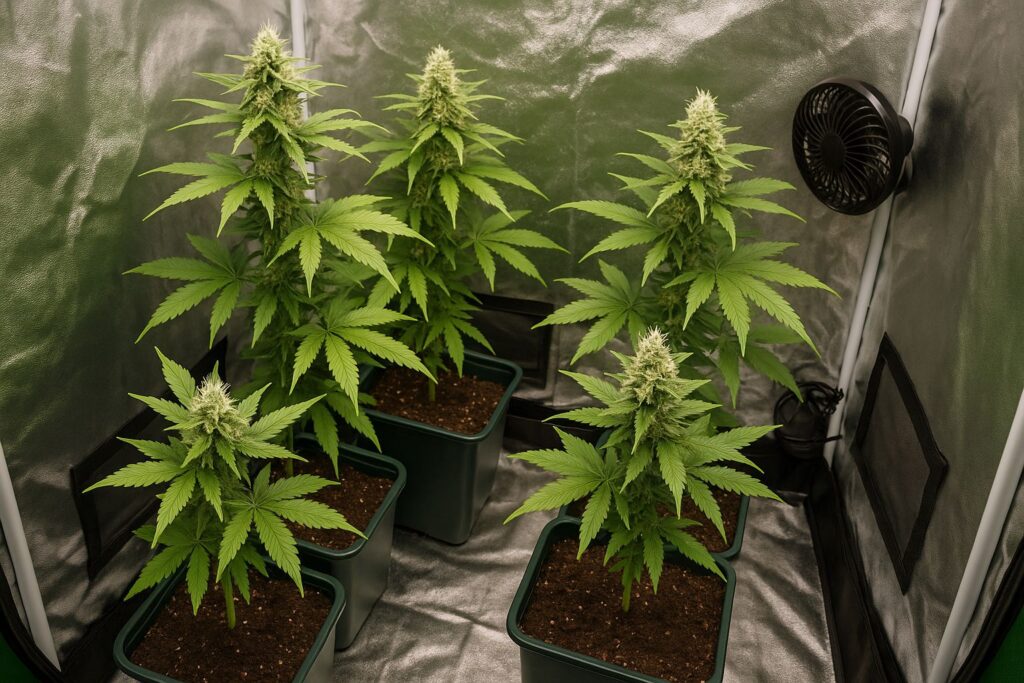
I use an indoor cannabis vpd guide taped inside my grow cabinet door. VPD keeps me honest because it links temperature and humidity to how the plant transpires. When I improved my VPD control, my “exotic” runs stopped looking stressed.
My baseline climate ranges
Veg:
- Temperature: 24–28°C lights on, 20–22°C lights off
- Relative humidity: 60–70%
- VPD: 0.8–1.1 kPa
Flower:
- Temperature: 23–27°C lights on, 19–21°C lights off
- Relative humidity: 45–55% (lower late flower)
- VPD: 1.2–1.5 kPa
I adjust based on cultivar. Some Top Exotic Cannabis Strains lines prefer slightly higher humidity in early flower to keep leaves relaxed, but I’m careful because high humidity is an invitation to mold.
Airflow and odor control
Many growers think airflow is just “add a fan.” I aim for gentle, constant leaf movement and clean air exchange. For low-odor marijuana strains, airflow matters because stress can spike smell at the wrong time and make a small grow smell like a whole weed garden. I’m not promising odor-free grows, but low-odor marijuana strains combined with good filtration can reduce issues in tight spaces.
Lighting for Top Exotic Cannabis Strains without bleaching terps
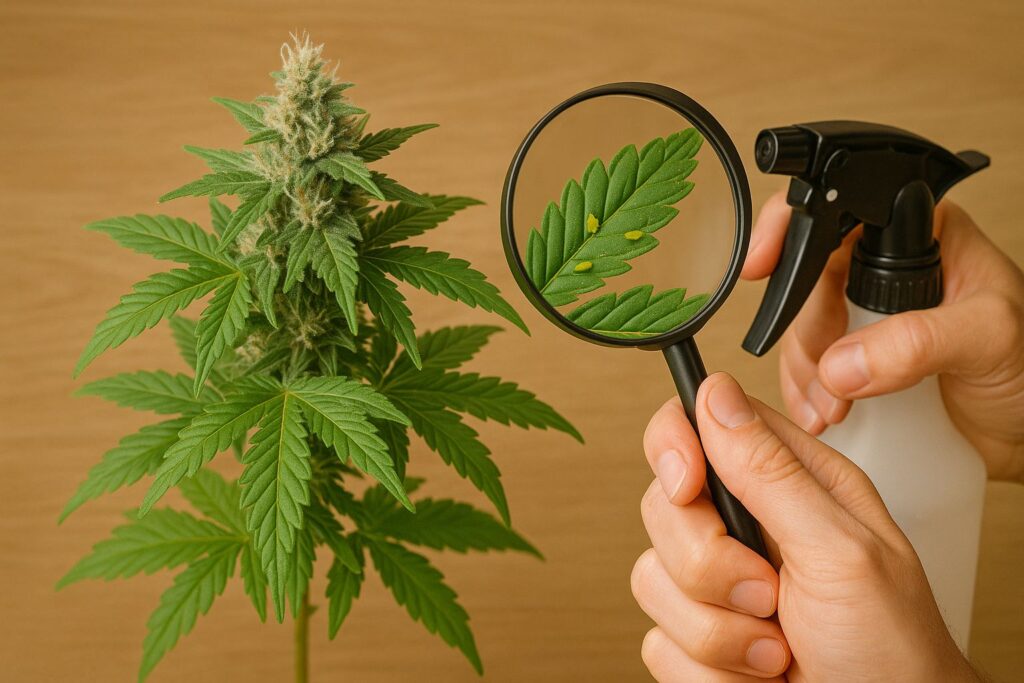
Lighting is where I see the biggest difference between average weed and truly standout marijuana jars. Too much intensity can push foxtailing, reduce aroma, and bleach tops.
My PPFD and photoperiod targets
Veg:
- 18/6 photoperiod
- PPFD: 300–500 µmol/m²/s
Flower:
- 12/12 photoperiod
- PPFD: 650–900 µmol/m²/s (I start lower and ramp)
- DLI goal: roughly 35–45 mol/day depending on CO2 and cultivar
With Top Exotic Cannabis Strains, I’d rather run slightly less intensity and preserve terpenes in the marijuana flowers than chase a marginal yield bump. This is where terpene-led strain selection becomes a practical decision, not a slogan.
Medium and feeding: soil, coco, or hydro
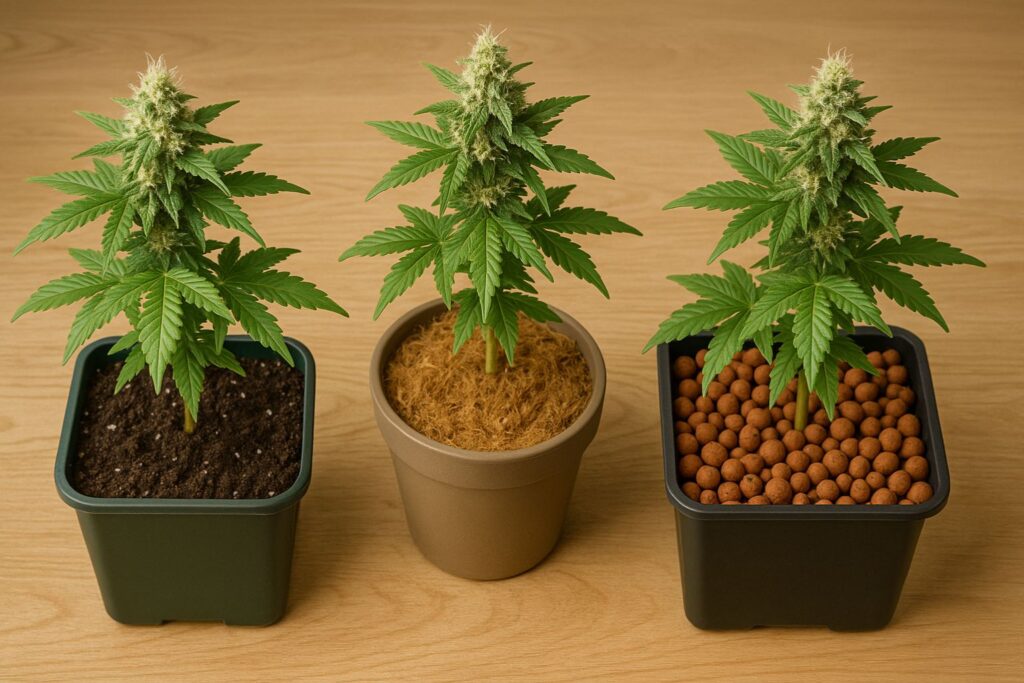
I’ve run living soil, coco coir, and recirculating hydro. Each can produce top-shelf cannabis and marijuana if you keep fundamentals consistent.
Soil
Soil is forgiving and great for flavor. My watch-outs:
- Don’t overwater. Many “exotic” cultivars hate wet feet.
- Top dress lightly and early; big late corrections can affect taste.
Coco and drip feeding
Coco is my most repeatable method for Top Exotic Cannabis Strains. I can steer the plant with nutrition, and I get consistent structure.
My typical EC/PPM ranges in coco:
- Early veg: EC 0.8–1.2
- Late veg: EC 1.2–1.6
- Early flower: EC 1.6–2.0
- Mid flower: EC 1.8–2.3
- Late flower: I taper based on leaf color and runoff
pH target in coco: 5.8–6.1
This ties directly into an autoflower nutrition schedule too. If I’m running autos, my autoflower nutrition schedule starts lower and climbs more slowly, because many autoflowers dislike high EC.
Hydro
Hydro can be fast and clean, but it punishes mistakes. If I’m phenohunting at home, I prefer coco because hydro adds a layer of risk that can hide genetic performance behind management errors.
Training methods that fit exotic structure
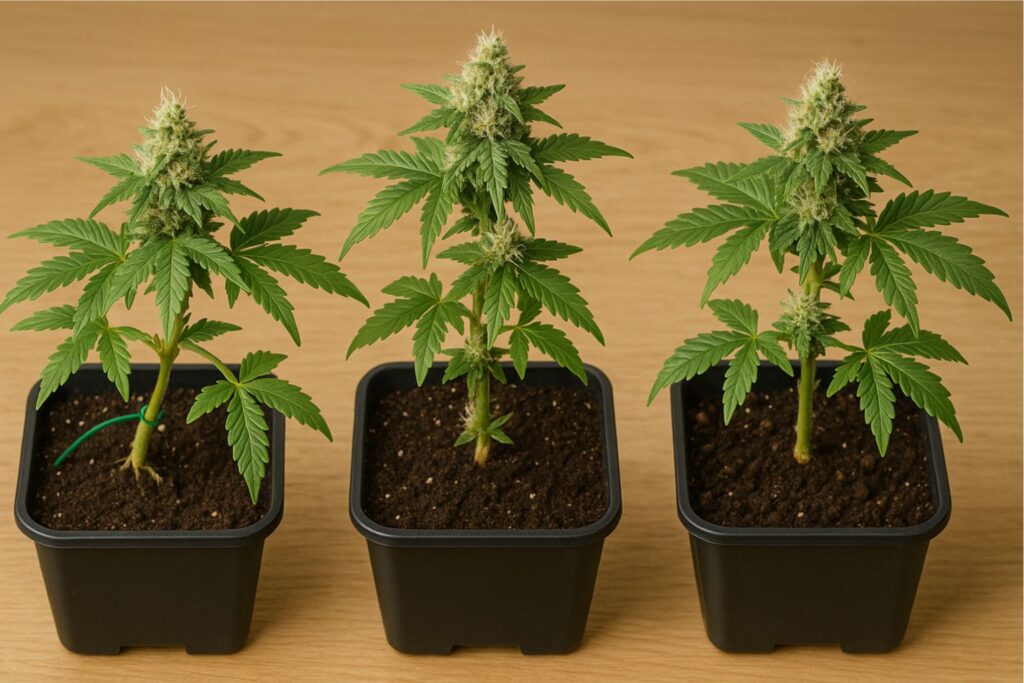
Exotic lines often stretch. Some act like they’re half vine. I plan training around that.
My default training stack
- Top once above the 4th or 5th node in veg.
- Low stress training to open the center.
- Lower-branch cleanup before flip.
- Netting (SCROG) when the cultivar is known to stretch hard.
I avoid aggressive defoliation on sensitive marijuana varieties. Stress can mute aroma. Again, terpene-led strain selection guides my training decisions: if aroma is the priority, I handle plants gently.
Pests and disease: prevention beats rescue
I run a simple IPM routine:
- Inspect new plants and clones.
- Keep floors and trays clean.
- Use sticky cards to monitor.
- Maintain VPD so leaves aren’t constantly wet.
If I see pests, I respond early. Late sprays can affect the drying and curing workflow because residues and plant stress show up in the jar. For indoor cannabis, cleanliness is a yield strategy and a quality strategy.
Heat, noise, and stealth considerations
Not everyone grows in a dedicated room. I’ve helped friends set up small tents in hot apartments and noisy basements. That’s where heat-tolerant weed varieties and low-odor marijuana strains can matter.
If heat is your biggest enemy, choose cultivars that don’t melt above 28°C, and run lights at night. Heat-tolerant weed varieties are not invincible, but they’re easier to manage than finicky lines.
Harvest timing: how I decide with Top Exotic Cannabis Strains
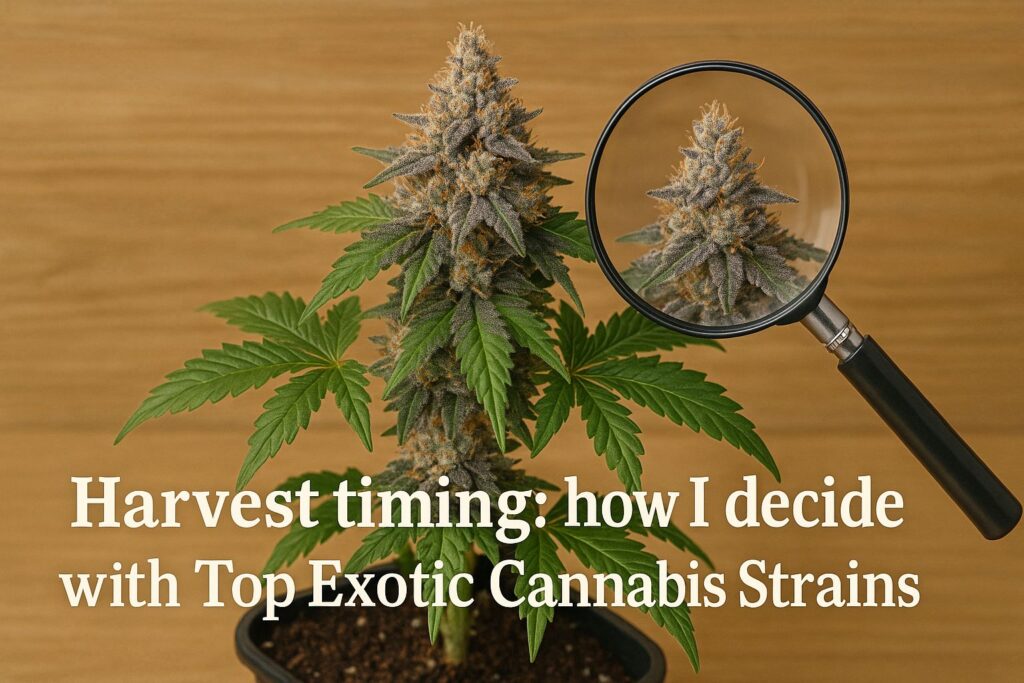
I use a mix of visual cues and patience:
- Most pistils have darkened and receded.
- Calyxes look swollen.
- Aroma is strong and stable (not “green”).
- Trichomes are mostly cloudy with some amber depending on preference.
I don’t harvest early just to chase “fresh” terps. A rushed harvest often produces harsh weed and flat marijuana flavor after cure.
My drying and curing workflow for loud, clean jars
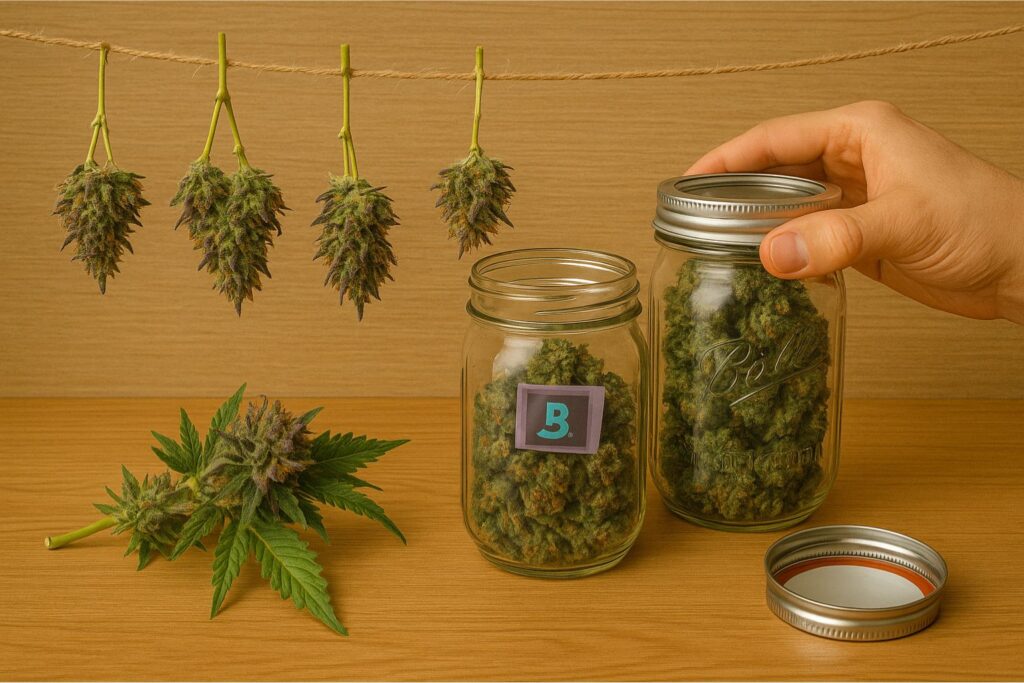
This is where many Top Exotic Cannabis Strains runs are won or lost.
Drying targets I trust
- 18–20°C
- 55–60% RH
- Gentle airflow, never blowing directly on buds
- 10–14 days, slower if flowers are dense
I aim for stems that bend and begin to snap, not brittle. Then I jar and start curing.
Curing habits that keep flavor
- Burp once or twice daily for the first week, then taper.
- Keep jars in the dark.
- If RH is high in the jar, I leave the lid off briefly rather than overdrying.
This drying and curing workflow is the last filter for my phenohunting at home notes. A plant that smells incredible on the stalk but fades in the jar isn’t a keeper.
Seed-to-harvest checklist I actually use
This is the checklist I keep next to my tent. It’s built from my seed-to-harvest grow journal mistakes over the years.
- Confirm your environment targets and an indoor cannabis vpd guide before germination.
- Start with realistic plant counts for phenohunting at home.
- Track light height and PPFD changes weekly.
- Record EC, pH, and runoff trends.
- Train early; avoid big stress in late flower.
- Monitor for pests from day one.
- Plan your drying and curing workflow before harvest day.
- Save your feminized seed storage tips and store seeds cool and dry.
Selecting Top Exotic Cannabis Strains by type: indica, sativa, hybrid
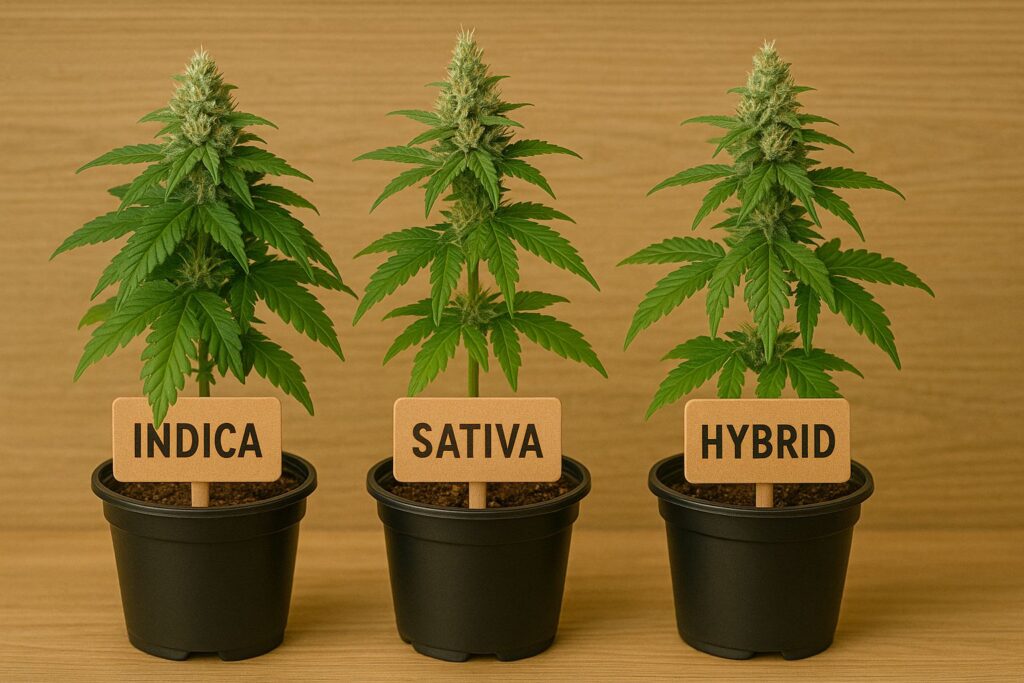
I don’t buy purely based on labels, but they still help set expectations.
- Indica-leaning: often shorter, denser flowers, sometimes more prone to mold in high humidity.
- Sativa-leaning: often stretchier with longer flowering time; great for some “exotic” terp profiles.
- Hybrid: the broad middle where most boutique cannabis genetics live.
If you’re new, start with a hybrid that’s described as stable, then work outward into more challenging lines.
FAQ
What makes a strain “exotic” in practical terms?
For me it’s terpene-led strain selection plus performance. If the aroma is unique, the plant finishes clean, and the jar stays loud after cure, it earned the label.
Are feminized seeds always the best choice for Top Exotic Cannabis Strains?
Not always, but often. Feminized seeds are efficient for small spaces. If you want more variability and you’re comfortable phenohunting at home, regular seeds can open more doors.
Can autoflowers be “exotic”?
Yes, but I manage expectations. Autos can deliver great cannabis and weed flavor quickly, especially with a careful autoflower nutrition schedule. The ceiling can be slightly different than elite photoperiod lines, but the speed is valuable.
How do I choose a seed bank for exotic genetics?
I look for seed banks that store inventory properly, describe genetics transparently, and ship in a way that protects viability. That’s especially important with boutique cannabis genetics.
What should I look for if I want lower smell indoors?
Start with low-odor marijuana strains and then back them up with real odor control: good filtration, steady airflow, and stable VPD. Stress turns mild plants into loud weed fast.
How do I choose seeds if I’m worried about heat?
Look for heat-tolerant weed varieties and plan your grow around cooler hours. Use an indoor cannabis vpd guide to keep transpiration steady, and don’t overfeed in high heat.
What’s the best way to store seeds long-term?
My feminized seed storage tips are simple: cool, dry, dark, and sealed. Avoid temperature swings and moisture. A stable environment protects germination rates.
Is it legal to buy or grow cannabis seeds where I live?
Laws vary widely by region and change over time. I’m not offering legal advice; check your local regulations before ordering seeds or starting a cannabis or marijuana grow.
Closing notes from my jars
If you take one thing from this, let it be this: Top Exotic Cannabis Strains are not magic. They’re the result of good genetics plus disciplined cultivation. When I stopped chasing names and started relying on a seed-to-harvest grow journal, a consistent indoor cannabis vpd guide, and a repeatable drying and curing workflow, my results got better fast.
And when a plant doesn’t make the cut, I don’t force it. I cull it, log the data, and move on. That’s how phenohunting at home turns into real progress, and how boutique cannabis genetics become a reliable part of your garden instead of a gamble.
