Equipment Needed to Trim Cannabis Harvests
Trimming cannabis is a crucial step in the post-harvest process, ensuring that the buds are prepared correctly for drying, curing, and ultimately, consumption. Proper trimming improves the aesthetic appeal of the buds, enhances their potency by removing excess leaves and stems, and helps to prevent mold and mildew during the drying and curing phases. To achieve the best results, specific equipment is required. This comprehensive guide covers the various tools and equipment needed for trimming cannabis harvests, from manual tools to automated machines, and best practices for using them.
Manual Trimming Tools for Cannabis Harvests
Manual trimming tools are essential for growers who prefer a hands-on approach to processing their cannabis harvest. These tools allow for precision and care, ensuring that the final product is of the highest quality. Here’s a detailed look at the manual trimming tools needed for cannabis trimming.
1. Pruning Shears
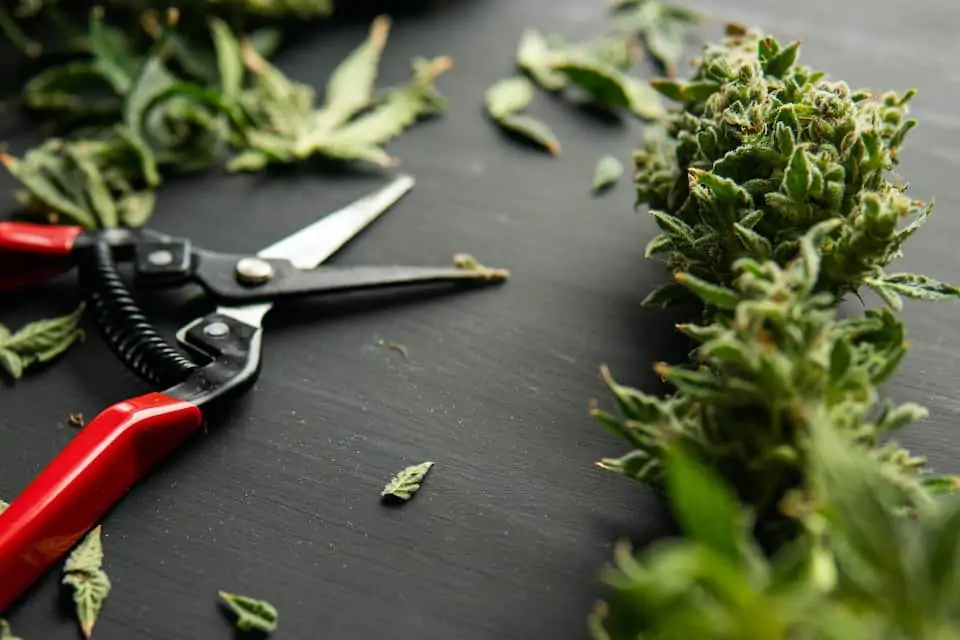
Pruning shears are the first tool used in the trimming process, primarily for cutting larger branches and stalks from the main plant.
- Types of Pruning Shears:
- Bypass Pruners: Preferred for cannabis trimming due to their clean-cutting action. They work like scissors, with two blades passing by each other.
- Anvil Pruners: Have a single straight blade that closes onto a flat edge (the anvil). They can crush stems, making them less ideal for precise cuts.
- Features to Look For:
- Sharp Blades: Ensure clean cuts to minimize damage to the plant.
- Comfortable Grips: Ergonomic handles reduce hand fatigue during extended use.
- Easy-to-Clean Design: Smooth surfaces and fewer crevices prevent resin buildup and make cleaning easier.
2. Trimming Scissors
Trimming scissors are used for the finer, more detailed work of manicuring individual buds. They allow for precise removal of sugar leaves and small stems.
- Types of Trimming Scissors:
- Curved-Tip Scissors: The curved blades help navigate around buds and make precise cuts in tight spaces.
- Straight-Tip Scissors: Useful for general trimming and straight cuts.
- Features to Look For:
- Stainless Steel Blades: Resistant to rust and easy to clean.
- Ergonomic Handles: Designed for comfort to reduce hand strain.
- Spring-Loaded Mechanisms: Aid in reducing hand fatigue by automatically reopening the blades after each cut.
- Non-Stick Coatings: Prevent resin from sticking to the blades, making cleaning easier.
3. Trimming Trays
Trimming trays provide a designated workspace for trimming buds, helping to keep everything organized and collect valuable kief that falls off during trimming.
- Features to Look For:
- Non-Slip Surface: Keeps the tray steady on your work surface.
- Raised Edges: Prevent trimmed material from spilling over.
- Replaceable Screens: Allows for easy cleaning and replacement when worn out.
- Kief Collection Compartments: Capture and store kief that can be used later.
4. Magnifying Glasses or Loupes
Magnifying glasses or loupes are crucial for seeing small details during the trimming process, ensuring that all unwanted leaves and stems are removed without damaging the buds.
- Features to Look For:
- High Magnification: At least 10x magnification to see fine details.
- LED Lights: Provide better visibility in low-light conditions.
- Lightweight Designs: Easy to wear for extended periods without causing discomfort.
Protective Gear for Trimming Cannabis Harvests
Trimming cannabis can be a sticky and potentially hazardous process, requiring proper protective gear to ensure the safety and comfort of the trimmers. Protective gear helps prevent skin irritation, protects clothing, and ensures that trimmers are not inhaling potentially harmful particles. Here’s a detailed overview of the essential protective gear needed for trimming cannabis.
1. Gloves
Gloves are essential for protecting hands from sticky resin and potential skin irritation caused by the plant’s trichomes.
Types of Gloves
- Nitrile Gloves: Preferred over latex gloves because they are less likely to cause allergic reactions and provide better resistance to punctures and tears.
- Latex Gloves: Common but can cause allergic reactions in some people.
- Vinyl Gloves: Less durable but a suitable alternative for those with latex allergies.
Features to Look For
- Powder-Free: Prevents contamination of the cannabis with powder residue.
- Durable: Should be thick enough to resist tears but thin enough to maintain dexterity.
- Well-Fitting: Should fit snugly to ensure comfort and dexterity without being too tight.
2. Aprons
Aprons protect clothing from sticky resin and other plant material, keeping trimmers clean and comfortable.
Features to Look For
- Waterproof: Resin can be very sticky and difficult to clean, so a waterproof apron makes cleaning easier.
- Easy to Clean: Material should be easy to wipe down or machine washable.
- Multiple Pockets: Handy for holding tools and accessories, keeping them within easy reach.
3. Eye Protection
Eye protection prevents plant debris and resin from getting into the eyes, which can cause irritation and discomfort.
Types of Eye Protection
- Safety Goggles: Provide a secure fit and full coverage, protecting the eyes from all angles.
- Safety Glasses: More comfortable for extended wear but may offer less coverage compared to goggles.
Features to Look For
- Comfortable Fit: Should fit well without causing discomfort, even when worn for extended periods.
- Anti-Fog Coating: Prevents lenses from fogging up, ensuring clear vision at all times.
- Impact Resistance: Protects against accidental impacts, which can occur during the trimming process.
4. Respirators or Masks
Respirators or masks protect against inhaling plant debris, dust, and potentially harmful molds or mildews that can be present on the plant.
Types of Respirators or Masks
- N95 Respirators: Provide high-filtration efficiency, filtering out at least 95% of airborne particles.
- Surgical Masks: Offer basic protection and are more comfortable for long-term wear.
- Disposable Dust Masks: Suitable for short-term use and basic protection against dust and debris.
Features to Look For
- Good Fit: Ensures effective filtration and comfort. No gaps should exist between the mask and the wearer’s nose or mouth.
- Replaceable Filters: Allows for continued use with new filters, making respirators more cost-effective in the long run.
- Comfortable to Wear: Especially important for extended periods of trimming. Look for masks with adjustable straps and cushioned edges.
Additional Protective Gear Considerations
Hair Covers and Caps
Hair covers or caps help prevent hair from falling into the trimmed cannabis and keep sticky resin out of the hair. Additionally, they support hygienic practices and cleanliness in the trimming area.
- Types: Disposable hairnets or washable fabric caps.
- Features to Look For: Comfortable fit, breathable material, and easy to put on and take off.
Arm Sleeves
Arm sleeves provide additional protection for the forearms from sticky resin and plant material. They are particularly useful when trimming large amounts of cannabis.
- Types: Disposable or washable sleeves made from breathable, waterproof material.
- Features to Look For: Comfortable fit, secure elastic bands, and easy to clean.
Tips for Using Protective Gear
1. Change Gloves Regularly
Resin can quickly build up on gloves, making them sticky and less effective. Change gloves regularly to maintain cleanliness and comfort.
2. Clean and Maintain Gear
Keep all protective gear clean and well-maintained. Wash aprons and reusable masks regularly, and replace disposable items as needed.
3. Ensure Proper Fit
Protective gear that fits poorly can be less pleasant and efficient. Ensure that all gear fits properly and adjust as necessary for comfort and efficiency.
4. Stay Hydrated and Take Breaks
Wearing protective gear can be hot and uncomfortable over long periods. Take regular breaks to stay hydrated and rest, especially if working in a warm environment.
Cleaning Supplies for Trimming Cannabis Harvests
Keeping your trimming tools and workspace clean is essential for maintaining the quality of your cannabis buds and ensuring the longevity of your equipment. Resin buildup can make tools sticky and less effective, while a clean workspace prevents contamination. Here’s a detailed overview of the cleaning supplies needed for trimming cannabis.
1. Cleaning Solutions
Cleaning solutions are used to remove sticky resin from trimming tools and surfaces. They dissolve the resin, making it easy to wipe away.
Types of Cleaning Solutions
- Isopropyl Alcohol (70% or Higher): The most common and effective solution for cleaning resin from tools. It swiftly vanishes, leaving no trace.
- Specialized Resin Cleaners: Products specifically designed to clean resin from cannabis trimming tools. They may contain additional ingredients to improve cleaning efficiency and protect tools.
- Citrus-Based Cleaners: Natural and biodegradable options that effectively break down resin while being environmentally friendly.
Features to Look For
- Non-Toxic: Safe for use around consumable plants.
- Fast-Drying: Reduces downtime between cleanings.
- Safe for Metal and Plastic: Does not corrode or damage tools.
2. Cleaning Brushes
Cleaning brushes help remove plant material and resin from hard-to-reach areas of trimming tools. They can also be used to scrub surfaces.
Types of Cleaning Brushes
- Small Wire Brushes: Ideal for scrubbing metal parts of tools. They are durable and can remove tough resin buildup.
- Toothbrushes: Effective for detailed cleaning of smaller areas, especially around the blades and hinges of trimming scissors.
- Pipe Cleaners: Flexible and can reach into tight spaces and narrow openings.
Features to Look For
- Durable Bristles: Long-lasting and effective at scrubbing away resin.
- Comfortable Handles: Easy to grip and use for extended periods.
- Variety of Sizes: Different sizes and shapes to clean various parts of tools and surfaces.
3. Cloths and Wipes
Cloths and wipes are used to clean tools and surfaces during and after trimming. They help in wiping away dissolved resin and keeping the workspace tidy.
Types of Cloths and Wipes
- Lint-Free Cloths: Prevent fiber residue from being left on tools or buds. Microfiber cloths are a good option.
- Disposable Wipes: Convenient for quick cleaning and can be thrown away after use, reducing the need for laundering.
- Reusable Cloths: More environmentally friendly and cost-effective in the long run. They should be easy to wash and durable.
Features to Look For
- Non-Abrasive: Gentle on tools and surfaces, preventing scratches or damage.
- Absorbent: Effective at removing resin and moisture.
- Disposable or Easy to Wash: Depending on preference and environmental considerations.
4. Tool Maintenance Supplies
Proper maintenance of trimming tools ensures they remain sharp and effective. This includes sharpening tools and lubricating moving parts.
Sharpening Tools
- Sharpening Stones: Used to sharpen the blades of trimming scissors and pruning shears. They help maintain a sharp edge for clean cuts.
- Sharpening Files: Useful for more precise sharpening and honing of smaller blades.
Lubricants
- Blade Oil: Keeps the moving parts of trimming tools lubricated, reducing friction and wear.
- WD-40 or Similar: Multi-purpose lubricants that can also protect metal parts from rust and corrosion.
Features to Look For
- High-Quality Sharpening Tools: Durable and effective at maintaining sharp blades.
- Food-Safe Lubricants: Ensure that any lubricant used on tools that come into contact with cannabis is safe for consumable products.
Automated Trimming Machines
For larger-scale operations, automated trimming machines can save significant time and labor. These machines range from small, tabletop models to large, industrial units.
1. Tabletop Trimmers
Tabletop trimmers are suitable for small to medium-sized harvests. They are compact, portable, and relatively easy to use.
- Features to Look For: Adjustable cutting speeds, easy-to-clean components, and quiet operation.
2. Standalone Trimmers
Standalone trimmers are designed for medium to large-scale operations. They typically offer more features and greater efficiency compared to tabletop models.
- Features to Look For: High throughput capacity, adjustable settings for different bud sizes, and durable construction.
3. Conveyor Belt Trimmers
Conveyor belt trimmers are used in large-scale commercial operations. They offer continuous trimming with minimal manual intervention.
- Features to Look For: High processing speed, adjustable cutting settings, and integrated cleaning systems.
Dry Trimming vs. Wet Trimming
When it comes to preparing cannabis for consumption, growers face the choice between two primary trimming methods: dry trimming and wet trimming. Every approach has pros and cons of its own, and the decision often comes down to the grower’s particular objectives, the size of the operation, and the intended end product. Here, we go into great detail about both strategies to give you a thorough grasp of their advantages and disadvantages.
Dry Trimming
Dry trimming involves trimming the cannabis buds after they have been dried. This method is often favored by growers who believe it preserves more of the plant’s natural characteristics.
Advantages:
- Preservation of Terpenes and Trichomes: Dry trimming tends to preserve the plant’s terpenes and trichomes better than wet trimming. The drying process helps stabilize these compounds, which are crucial for the aroma, flavor, and potency of the final product.
- Mold and Mildew Prevention: By drying the buds before trimming, the risk of mold and mildew growth is reduced. Excess moisture is removed during the drying process, creating a less favorable environment for mold.
- Aesthetic Quality: Dry trimming often results in a cleaner, more aesthetically pleasing product. The leaves shrink during drying, making it easier to see and remove them precisely.
Disadvantages:
- Increased Fragility: Dried buds can become brittle and fragile, making them more susceptible to damage during the trimming process. This requires more careful handling.
- Time-Consuming: Dry trimming can be more time-consuming because the dried leaves are harder to remove. The process requires patience and precision.
- Initial Space and Equipment Needs: Proper drying requires a controlled environment with sufficient space and equipment, such as drying racks and humidity control systems.
Wet Trimming
Wet trimming, on the other hand, is done immediately after harvesting, before the buds are dried. This method can be quicker and is sometimes preferred for its efficiency.
Advantages:
- Easier to Trim: Freshly harvested buds are pliable and easier to trim. The leaves are still soft and can be removed more quickly, speeding up the process.
- Initial Mold Prevention: Wet trimming removes excess leaves and moisture-rich material right away, which can help prevent mold during the initial drying stages.
- Less Space Required Initially: Wet trimming can reduce the amount of drying space needed initially because the trimmed buds take up less room than untrimmed plants.
Disadvantages:
- Potential Loss of Terpenes and Trichomes: Wet trimming can lead to more loss of terpenes and trichomes due to the higher moisture content and the handling of the fresh, sticky buds.
- Messier Process: Trimming wet buds can be messier due to the sap and resin, which can stick to tools and gloves, requiring frequent cleaning.
- Quick Drying Needed: After wet trimming, the buds need to be dried quickly and properly to prevent mold growth. This requires careful monitoring of the drying environment.
Choosing the Right Method
The choice between dry trimming and wet trimming depends on various factors, including the grower’s priorities, the specific strain of cannabis, and the available resources. Here are some considerations to help in making the decision:
- Scale of Operation: Small-scale growers might prefer dry trimming for its quality benefits, while large-scale operations might opt for wet trimming to save time and labor.
- Desired Quality: For premium, high-quality cannabis with rich terpenes and trichomes, dry trimming might be the better choice. For quicker processing and larger yields, wet trimming could be more practical.
- Environmental Conditions: Growers in humid climates might prefer dry trimming to reduce the risk of mold, whereas those in drier areas might not face the same challenges.
- Available Equipment: The choice can also depend on the available equipment. Proper drying facilities are crucial for dry trimming, while efficient trimming tools and cleaning supplies are essential for wet trimming.
Trimming Best Practices
Regardless of whether you choose to trim wet or dry, certain best practices can help ensure a high-quality final product.
1. Set Up a Clean, Comfortable Workspace
- Importance: A clean workspace helps prevent contamination and makes the process more efficient.
- Tips: Use trimming trays, keep cleaning supplies handy, and ensure good lighting and ventilation.
2. Stay Organized
- Importance: Organization helps maintain consistency and prevents loss of material.
- Tips: Use separate containers for trimmed buds, trim waste, and kief. Label containers clearly.
3. Take Breaks
- Importance: Trimming can be physically demanding, so taking breaks helps prevent fatigue and maintains quality.
- Tips: Set a timer for regular breaks, stretch your hands and wrists, and stay hydrated.
4. Clean Tools Regularly
- Importance: Clean tools work more efficiently and help maintain the quality of the buds.
- Tips: Wipe down tools with alcohol regularly and keep a cleaning brush handy to remove buildup.
Additional Equipment for Large-Scale Operations
For larger-scale operations, additional equipment can further streamline the trimming process and improve efficiency.
1. Bucking Machines
Bucking machines remove the buds from the stems before trimming. When harvests are big, this can save a lot of time and labor.
- Features to Look For: Adjustable settings for different stem sizes, high throughput capacity, and easy-to-clean components.
2. Drying Racks and Nets
For the clipped buds to retain their quality, proper drying is essential. Drying racks and nets provide ample space for even drying.
- Features to Look For: Stackable designs, mesh material for good airflow, and sturdy construction.
3. Humidity and Temperature Control
Controlling the drying environment is key to preventing mold and preserving terpenes.
- Equipment Needed: Dehumidifiers, humidifiers, fans, and temperature control systems.
- Features to Look For: Accurate humidity and temperature settings, quiet operation, and energy efficiency.
Conclusion
Trimming cannabis is an essential step in the post-harvest process, critical for ensuring the quality, potency, and visual appeal of the final product. The right tools and equipment make this task more efficient and help maintain the integrity of the buds. From basic manual tools like pruning shears, trimming scissors, and magnifying glasses to advanced automated trimming machines, each piece of equipment serves a specific purpose. Protective gear such as gloves, aprons, eye protection, and masks ensure the safety and comfort of trimmers. Additionally, cleaning supplies keep tools in optimal condition and prevent contamination.
Whether opting for manual trimming or investing in automated machines, the choice often depends on the scale of the operation and personal preference. Dry trimming and wet trimming both have their pros and cons, and the method chosen can influence the final quality of the cannabis. Best practices, such as maintaining a clean and organized workspace, taking regular breaks, and cleaning tools frequently, further contribute to an efficient trimming process.
For large-scale operations, additional equipment like bucking machines, drying racks, and humidity and temperature control systems can significantly streamline the process and enhance the overall quality of the harvest. By investing in the appropriate tools and adhering to best practices, growers can ensure that their cannabis is well-prepared for drying, curing, and eventual consumption, leading to a superior product that meets the highest standards of quality and potency.
