Environmental and Cultivation Factors Affecting Flavonoid Production in Cannabis
Flavonoids are vital polyphenolic compounds in cannabis, contributing to its color, taste, aroma, and therapeutic properties. In medical cannabis, flavonoids like quercetin, kaempferol, and cannflavin A and B are valued for their anti-inflammatory, antioxidant, and anti-cancer effects. Their production is influenced by environmental and cultivation factors, necessitating a controlled approach in medical cannabis cultivation to optimize these beneficial compounds and ensure a consistent, therapeutic quality.
1. The Role of Flavonoids in Medical Cannabis
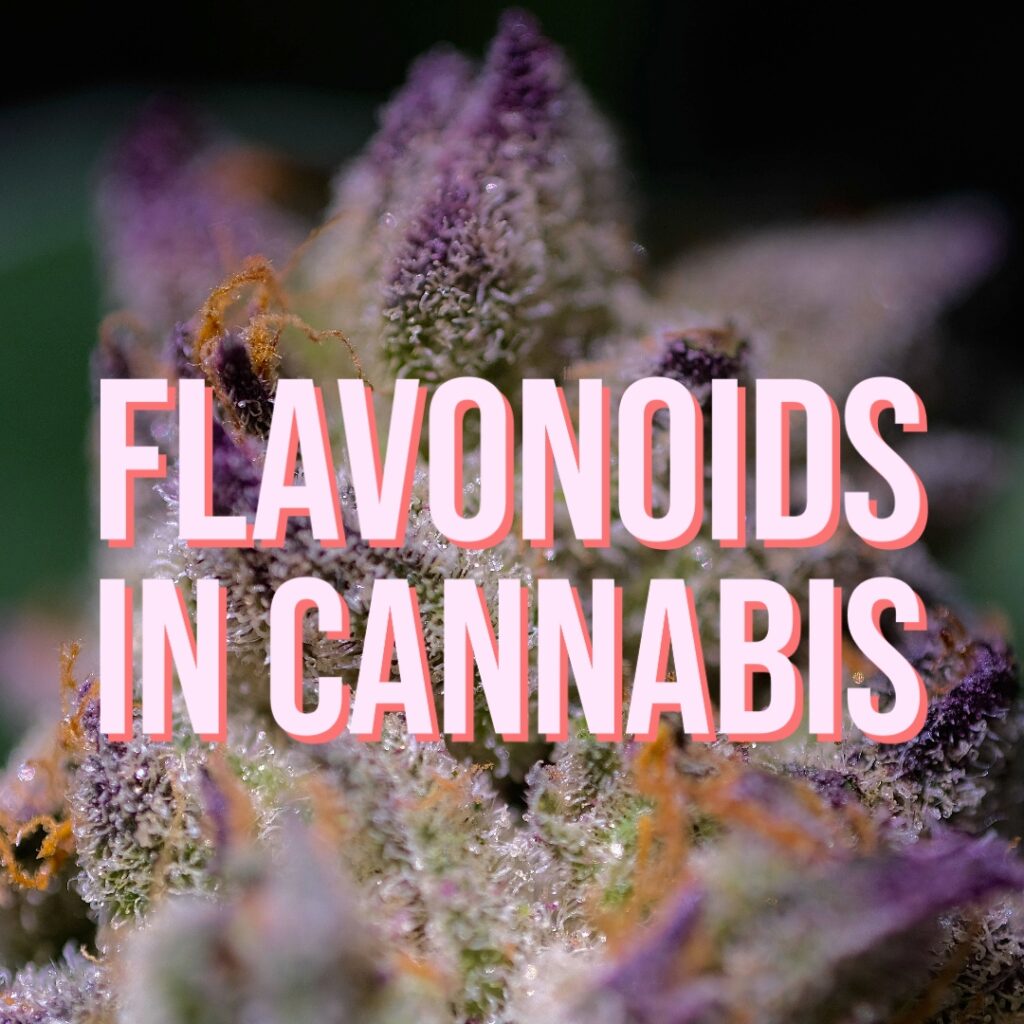
Flavonoids, along with cannabinoids and terpenes, form the basis of cannabis’s phytocomplex, contributing to its pharmacological efficacy. Flavonoids interact with cannabinoids, potentially modulating their effects through what is often termed the “entourage effect.” This concept suggests that the therapeutic effects of cannabis are not merely a result of isolated compounds but rather a synergy of various bioactive compounds. Research on flavonoids like cannflavin A and B has shown that these compounds exhibit notable anti-inflammatory effects, significantly stronger than those seen with other botanical flavonoids. In medical cannabis, flavonoids can target a variety of conditions, including chronic pain, neurodegenerative diseases, and cancer, making them crucial for developing cannabis-based therapies.
The biosynthesis of flavonoids in cannabis is driven by phenylalanine, which, through a series of enzymatic processes, leads to the production of various flavonoid types. Environmental and cultivation factors are essential in controlling this pathway, as they influence enzyme activity, nutrient availability, and even gene expression in cannabis plants. Consequently, manipulating these factors can be a powerful tool for enhancing the therapeutic efficacy of medical cannabis.
2. Light Intensity and Spectrum: Primary Environmental Factor
One of the most important environmental elements influencing cannabis’s ability to produce flavonoids is light. The photosynthetic activity regulated by light provides the primary energy source for flavonoid biosynthesis. The intensity and spectrum of light can significantly impact the flavonoid content in cannabis plants:
- UV Light: Ultraviolet (UV) radiation, particularly UV-B, is a potent inducer of flavonoid biosynthesis. Cannabis plants exposed to UV-B radiation increase their production of flavonoids as a protective mechanism, as flavonoids absorb UV radiation and mitigate DNA damage in plant tissues. This is particularly beneficial for medical cannabis cultivation since higher UV-B exposure can increase the levels of specific flavonoids, such as cannflavin A and B, which exhibit strong anti-inflammatory effects. Controlled UV-B exposure, often implemented in indoor grow operations using specialized lighting, can therefore enhance the flavonoid profile of medical cannabis.
- Blue and Red Light: Blue light is also associated with the increased synthesis of secondary metabolites, including flavonoids, in cannabis. The use of blue light during specific growth stages, especially in the vegetative stage, can lead to higher flavonoid production. Red light, typically employed during the flowering stage to encourage bud formation, also has a role in flavonoid biosynthesis. A balanced spectrum of blue and red light helps optimize the photosynthetic efficiency of cannabis plants, providing the metabolic energy required for flavonoid production.
- Light Intensity and Photoperiod: Light intensity, or the photosynthetically active radiation (PAR), influences the metabolic processes that lead to flavonoid synthesis. High light intensity can stimulate flavonoid production; however, extreme intensities may lead to photodamage, which could diminish the overall yield and quality of medical cannabis. The photoperiod, or the duration of light exposure, also affects flavonoid content, with shorter light periods often favoring secondary metabolite production as the plant enters its reproductive (flowering) phase.
In medical cannabis cultivation, growers use these lighting principles to regulate and enhance flavonoid profiles. Advanced LED lighting systems, programmable to adjust light spectrums and intensities, enable precise control over flavonoid biosynthesis.
3. Temperature and Relative Humidity: Balancing Heat and Moisture
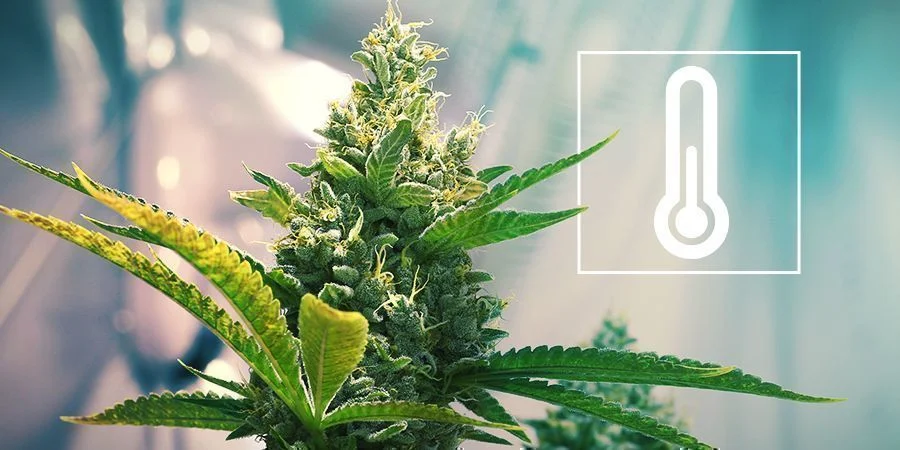
Temperature and humidity play crucial roles in the flavonoid production of cannabis plants. As metabolic processes accelerate with rising temperatures, moderate warmth can stimulate flavonoid biosynthesis. However, temperature extremes—either too high or too low—can lead to oxidative stress and disrupt the enzymatic pathways responsible for flavonoid production.
- Optimal Temperature Ranges: For medical cannabis cultivation, temperatures between 20-28°C (68-82°F) during the daytime are ideal. This range supports both photosynthesis and secondary metabolite production without stressing the plant. Elevated temperatures may promote flavonoid production to a degree, but high temperatures, particularly above 30°C (86°F), can impair photosynthesis and lead to heat stress, reducing overall plant vigor and secondary metabolite content.
- Relative Humidity: High relative humidity (RH) can inhibit the transpiration process, affecting nutrient uptake, which is essential for flavonoid biosynthesis. RH levels between 40-70% are typically recommended, with slightly lower humidity during flowering to prevent mold growth and other pathogens that could compromise the medicinal quality of the plant. Lower humidity levels during the flowering stage can increase the density of trichomes, where flavonoids, along with cannabinoids, are synthesized and stored.
Growers may adjust temperature and humidity based on the plant’s growth stage, creating optimal conditions for both yield and flavonoid content. Climate-controlled environments in indoor grow operations allow for meticulous regulation of these parameters, leading to a consistent, high-quality product for medical applications.
4. Soil Composition and Nutrient Availability: Feeding the Flavonoid Pathway
Nutrient management is a key factor in cultivating cannabis rich in flavonoids. Essential nutrients, including nitrogen (N), phosphorus (P), and potassium (K), play significant roles in the biosynthesis of flavonoids.
- Nitrogen: Proteins and amino acids, which are essential for plant growth, are primarily composed of nitrogen. However, excessive nitrogen levels can reduce flavonoid content as the plant allocates more resources to growth and less to secondary metabolites. Conversely, moderate nitrogen restriction has been shown to enhance flavonoid synthesis as a stress response. For medical cannabis cultivation, controlled nitrogen application, especially in the later stages of plant growth, can lead to higher flavonoid content without compromising overall plant health.
- Phosphorus: Phosphorus is essential for energy transfer within plant cells, and it plays a direct role in the biosynthetic pathways leading to flavonoid production. Adequate phosphorus levels enhance the overall efficiency of flavonoid biosynthesis by supporting ATP production, which powers metabolic processes. Phosphorus supplementation during flowering can improve flavonoid content, adding to the therapeutic potency of medical cannabis.
- Potassium: Potassium is vital for enzyme activation and osmoregulation, influencing the biosynthesis of flavonoids. It assists in the movement of water, nutrients, and carbohydrates within the plant, supporting flavonoid production. In medical cannabis cultivation, a balanced potassium supply throughout growth stages ensures optimal metabolic function and secondary metabolite production.
Additionally, micronutrients such as magnesium, sulfur, and iron are essential for the enzymes involved in flavonoid synthesis. Organic soils, rich in these nutrients, are often preferred in medical cannabis cultivation as they provide a steady release of nutrients, encouraging a natural and potent flavonoid profile. Organic cultivation practices that include composting and soil amendments, such as mycorrhizal fungi and worm castings, can further enhance the flavonoid content by improving nutrient availability and uptake.
5. Watering Practices and Plant Stress: The Role of Controlled Stressors
Watering practices and the use of controlled stressors are techniques that can influence flavonoid biosynthesis in cannabis. Plants respond to moderate stress by increasing their production of secondary metabolites as a survival mechanism. Water management is essential to avoid either drought stress, which can impair plant health, or overwatering, which can lead to root rot and nutrient leaching.
- Drought Stress: Mild drought stress has been shown to increase the concentration of flavonoids in some plants. In cannabis, regulated drought stress during the flowering phase can lead to higher levels of flavonoids without compromising the plant’s overall health. This stress activates the phenylpropanoid pathway, leading to the synthesis of flavonoids as protective compounds.
- Deficit Irrigation: Similar to drought stress, deficit irrigation (controlled reduction in water supply) can be applied to medical cannabis to stimulate flavonoid production. This technique is employed particularly in the late flowering stage, encouraging the accumulation of flavonoids in trichomes. Precise control over irrigation through automated systems allows growers to apply deficit irrigation without risking plant health.
Stress techniques like low-stress training (LST), topping, and defoliation can also contribute to flavonoid enhancement by altering the plant’s hormonal and metabolic state. However, these techniques require careful application, especially in medical cannabis cultivation, to ensure that the stress does not exceed the plant’s tolerance.
6. Genetic Factors and Strain Selection: The Foundation of Flavonoid Production
Genetic factors largely determine the flavonoid profile of cannabis, as different strains possess distinct genetic pathways for secondary metabolite production. For medical cannabis cultivation, selecting strains with a known propensity for high flavonoid content is critical.
- Cannabis Varieties: Sativa and indica varieties differ in their flavonoid profiles due to genetic variations. Sativa strains, for example, tend to contain higher levels of kaempferol and quercetin, flavonoids known for their antioxidant and anti-inflammatory properties, while indica strains may have a broader profile with various flavonoid types. Hybrid strains can also be cultivated to combine the desirable traits of both varieties, providing a customized flavonoid profile for specific medical applications.
- Breeding and Genetic Engineering: With advances in breeding and genetic engineering, it is now possible to cultivate cannabis strains specifically optimized for flavonoid content. Techniques such as selective breeding and gene editing allow for the enhancement of specific flavonoid biosynthesis pathways, leading to strains that deliver higher medicinal benefits. Strains like Cannatonic and Harlequin are notable examples in medical cannabis for their high content of therapeutic cannabinoids and flavonoids.
Through genetic testing and analysis, cultivators can identify flavonoid-rich phenotypes and stabilize these traits over successive generations, ensuring a consistent product for medical use.
7. Harvest Timing and Post-Harvest Treatment: Maximizing Flavonoid Retention
The timing of harvest and the post-harvest processes, including drying and curing, are critical in preserving and enhancing flavonoid content. Flavonoid levels in cannabis vary throughout the plant’s life cycle, typically peaking during the flowering stage. By monitoring flavonoid levels through techniques like high-performance liquid chromatography (HPLC), cultivators can determine the optimal harvest window for maximum flavonoid potency.
- Harvest Timing: Harvesting cannabis when flavonoid levels are at their peak, usually in the late flowering stage, is essential for medical cannabis. Environmental controls, such as temperature and humidity adjustments prior to harvest, can further enhance flavonoid stability and potency.
- Drying and Curing: After harvest, proper drying and curing processes are essential for preserving flavonoids. The drying process should be gradual, typically in a controlled environment with low light exposure to prevent degradation of sensitive compounds. Relative humidity during curing should be maintained around 55-65%, with temperatures kept at 15-20°C (59-68°F), which minimizes flavonoid loss.
Careful storage in dark, airtight containers further prevents oxidation and degradation, ensuring that the flavonoid profile remains intact for medical application.
8. Quality Control and Testing: Ensuring Consistency in Medical Cannabis
In medical cannabis, quality control and consistent potency are paramount. Laboratory testing allows for precise quantification of flavonoid content, ensuring that each batch meets the desired therapeutic profile. Advanced analytical methods like HPLC and mass spectrometry are employed to measure flavonoid concentrations accurately.
By establishing rigorous quality control protocols, including testing for contaminants, pesticides, and heavy metals, medical cannabis growers ensure that the end product is safe and consistent, providing patients with reliable therapeutic benefits.
Restrictions on Growing and Using Cannabis in the Medical Field: Last Resort and THC Monitoring
The use of cannabis in the medical field is subject to strict regulations, with policies varying across regions and countries. These restrictions are designed to ensure that cannabis-based treatments are used appropriately, primarily for patients who have not responded well to conventional therapies. In medical settings, cannabis is typically considered a treatment of last resort, reserved for cases where other medications have proven ineffective or insufficient. Tetrahydrocannabinol (THC), one of the main cannabinoids in cannabis, is thought to have psychoactive effects, which is a major factor in this cautious approach.
Growing Restrictions for Medical Cannabis
In most regions where medical cannabis is legal, cultivation is subject to stringent controls. Licensed growers must meet specific regulatory requirements to cultivate cannabis intended for medical use. These regulations often include comprehensive security measures, quality control standards, and regular inspections by government agencies. Cultivation facilities are typically monitored to ensure compliance with environmental standards, such as limiting pesticide use, controlling contaminants, and meeting sanitation requirements. Additionally, cultivators are usually required to track their products from seed to sale, maintaining detailed records to ensure traceability and accountability.
Growing medical cannabis requires careful control over THC and other cannabinoid levels. In many jurisdictions, growers are mandated to test plants for THC concentration, particularly in strains intended for medical patients who may be sensitive to THC’s psychoactive effects. By strictly monitoring THC levels and focusing on the cultivation of high-CBD (cannabidiol) strains with low THC content, cultivators can produce cannabis varieties that offer therapeutic benefits without the risk of significant psychoactive effects.
Cannabis as a Last Resort Treatment
Medical cannabis is generally considered a last-line treatment, meaning it is only prescribed when traditional medications have failed or caused intolerable side effects. This restriction aims to prevent cannabis from being used as a first-line therapy, emphasizing its use in severe or chronic conditions such as epilepsy, cancer-related symptoms, multiple sclerosis, and certain chronic pain conditions. Medical practitioners are required to document that conventional treatments were ineffective before prescribing cannabis, ensuring that patients are receiving cannabis-based therapies only when medically necessary.
Medical cannabis prescriptions are often subject to dosage limitations and regular evaluations to assess efficacy and side effects. Physicians closely monitor patients to determine whether the treatment is effective and safe, adjusting the dosage as needed to achieve the intended therapeutic outcomes without unnecessary psychoactive effects.
Monitoring THC Levels to Prevent Psychoactivity
Preventing psychoactive effects in medical cannabis patients is a primary concern, particularly when treating populations sensitive to THC, such as children, elderly patients, or those with mental health conditions. To manage this, medical cannabis products often contain controlled, low levels of THC, or focus on formulations high in CBD, a non-psychoactive cannabinoid. Regular laboratory testing is required to ensure accurate THC concentrations, and some regions mandate a maximum allowable THC content in medical cannabis products.
By carefully monitoring THC levels, medical cannabis providers ensure that the therapeutic effects of cannabis can be delivered with minimal risk of psychoactivity. This allows patients to benefit from the analgesic, anti-inflammatory, and anti-seizure properties of cannabis compounds without experiencing unwanted side effects associated with THC. Through stringent cultivation controls, limited prescribing practices, and precise THC monitoring, the use of medical cannabis remains a controlled, safe, and viable option for patients requiring alternative therapies.
Conclusion
In conclusion, the cultivation and use of cannabis for medical purposes is a highly regulated and meticulously controlled process, focused on maximizing therapeutic benefits while minimizing risks. Environmental and cultivation factors, such as light intensity, temperature, humidity, soil composition, and stress management, play critical roles in enhancing the flavonoid content of cannabis, which is central to its medicinal efficacy. The interplay of these factors, combined with selective breeding and precise harvest timing, enables growers to produce a high-quality, consistent product that meets the strict demands of medical applications.
Medical cannabis, however, is governed by strict legal restrictions to ensure it is used appropriately, primarily as a last-resort treatment when traditional therapies have proven ineffective. Cultivators and medical practitioners work within these regulations to maintain the integrity of cannabis as a medical treatment, carefully monitoring THC levels to prevent psychoactive effects in sensitive patient populations. Through rigorous quality control and testing, they ensure that medical cannabis provides a safe, reliable therapeutic option for conditions such as chronic pain, epilepsy, and cancer-related symptoms.
As the field advances, the insights gained into optimizing cultivation techniques and genetic selection, along with improvements in regulatory practices, will continue to elevate the standard for medical cannabis. This approach not only safeguards patient health and safety but also reinforces cannabis’s role as a credible and valuable tool within the medical community. Together, these efforts reflect a commitment to utilizing cannabis responsibly, maximizing its therapeutic potential while adhering to stringent standards that ensure its role as an effective last-resort treatment.
