Ensuring Medical-Grade Cannabis in Cultivation
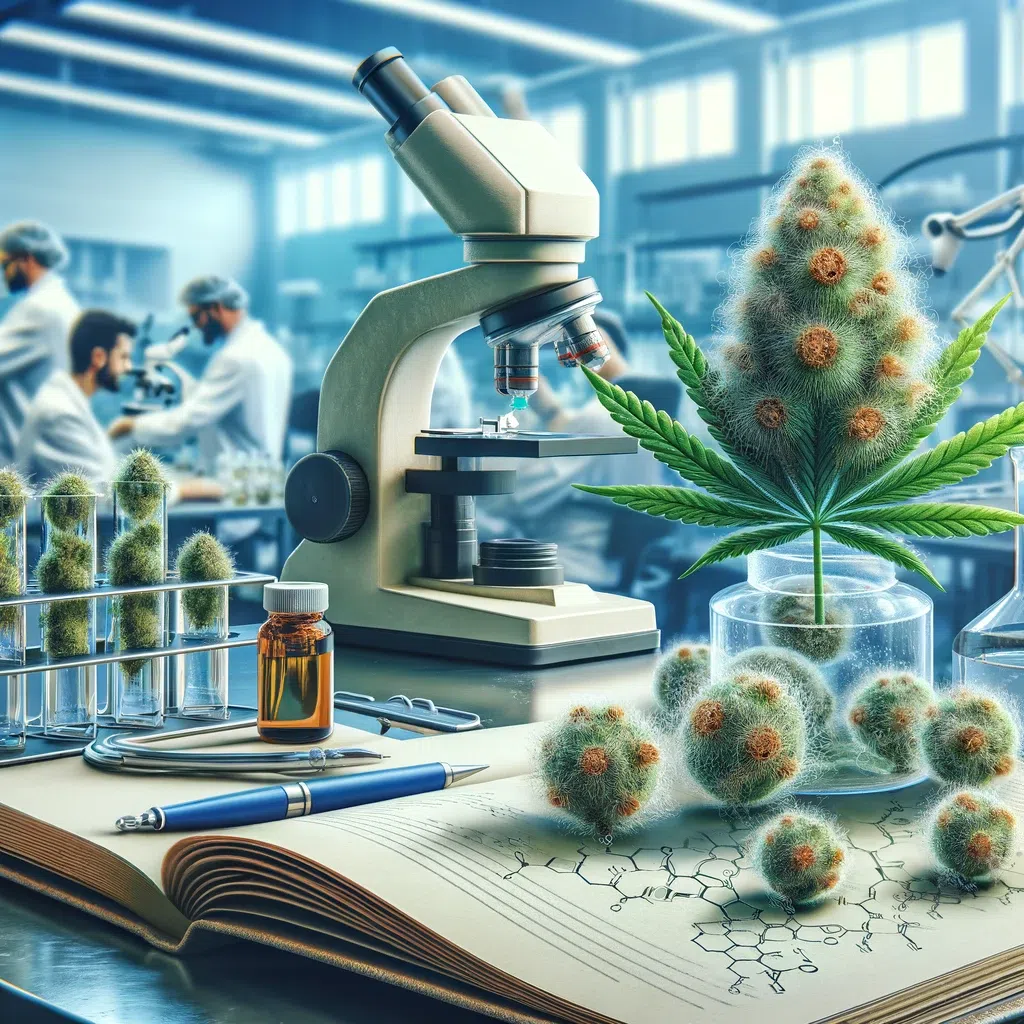
Cannabis cultivation for medical use requires meticulous attention to detail, scientific expertise, and adherence to strict standards. Growing cannabis for medicinal purposes is not merely about producing a high-yield crop; it’s about cultivating plants that consistently meet stringent quality and safety requirements. From genetics to environmental controls, pest management, and post-harvest procedures, every step of the process contributes to producing medical-grade cannabis. This document will outline the key practices involved in ensuring that cannabis meets the highest medical standards, emphasizing medical use and excluding any recreational aspects.
1. The Importance of Medical-Grade Cannabis
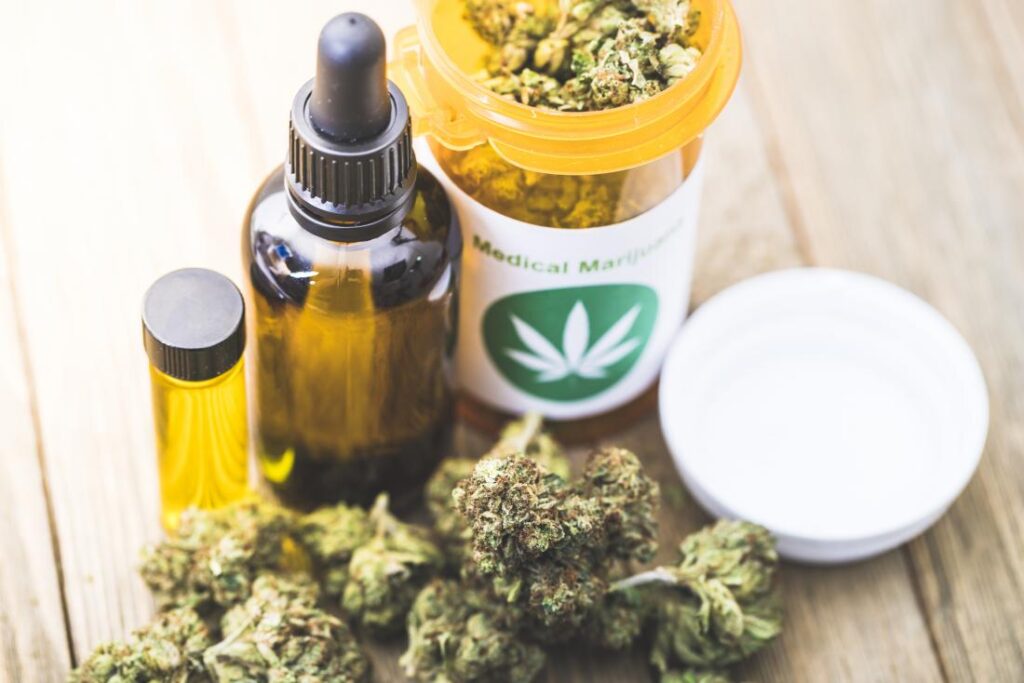
Medical-grade cannabis is distinct from recreational cannabis due to its rigorous cultivation and quality control processes. It must meet specific chemical profiles, free from contaminants, and have consistent therapeutic effects. Unlike recreational cannabis, which may focus on higher tetrahydrocannabinol (THC) levels for psychoactive effects, medical cannabis is often grown for balanced or cannabidiol (CBD)-rich profiles. The primary goal of medical cannabis cultivation is to produce plants that can be used to treat conditions such as chronic pain, epilepsy, multiple sclerosis, and more, ensuring that each dose delivers the intended medical benefits without compromising patient safety.
2. Genetics and Strain Selection
The first and perhaps most critical step in growing medical-grade cannabis is selecting the right strain. Genetics determine a plant’s cannabinoid profile (such as THC, CBD, and other minor cannabinoids), terpene composition, resistance to diseases, and growing conditions. When growing for medical purposes, selecting strains that have consistent medicinal properties is essential.
For example, high-CBD strains like ACDC or Charlotte’s Web are often preferred for patients who require the therapeutic benefits of CBD without the psychoactive effects of THC. Strains with a balanced THC/CBD ratio, such as Harlequin or Cannatonic, are used for patients who benefit from both cannabinoids in specific proportions.
Genetic Stability:
Medical cannabis cultivation requires strains with stable genetics to ensure consistency from one harvest to the next. Unstable genetics can lead to variability in cannabinoid levels, which could affect the efficacy of the medicine.
Phenotype Selection:
After selecting the strain, phenotype selection is essential. Cultivators often grow several plants from the same genetic seed and choose the phenotype that displays the most desirable traits, such as robust cannabinoid production, resistance to diseases, and optimal growth patterns. This phenotype becomes the “mother” plant for future generations, ensuring consistency in the final product.
3. Cultivation Environment and Control
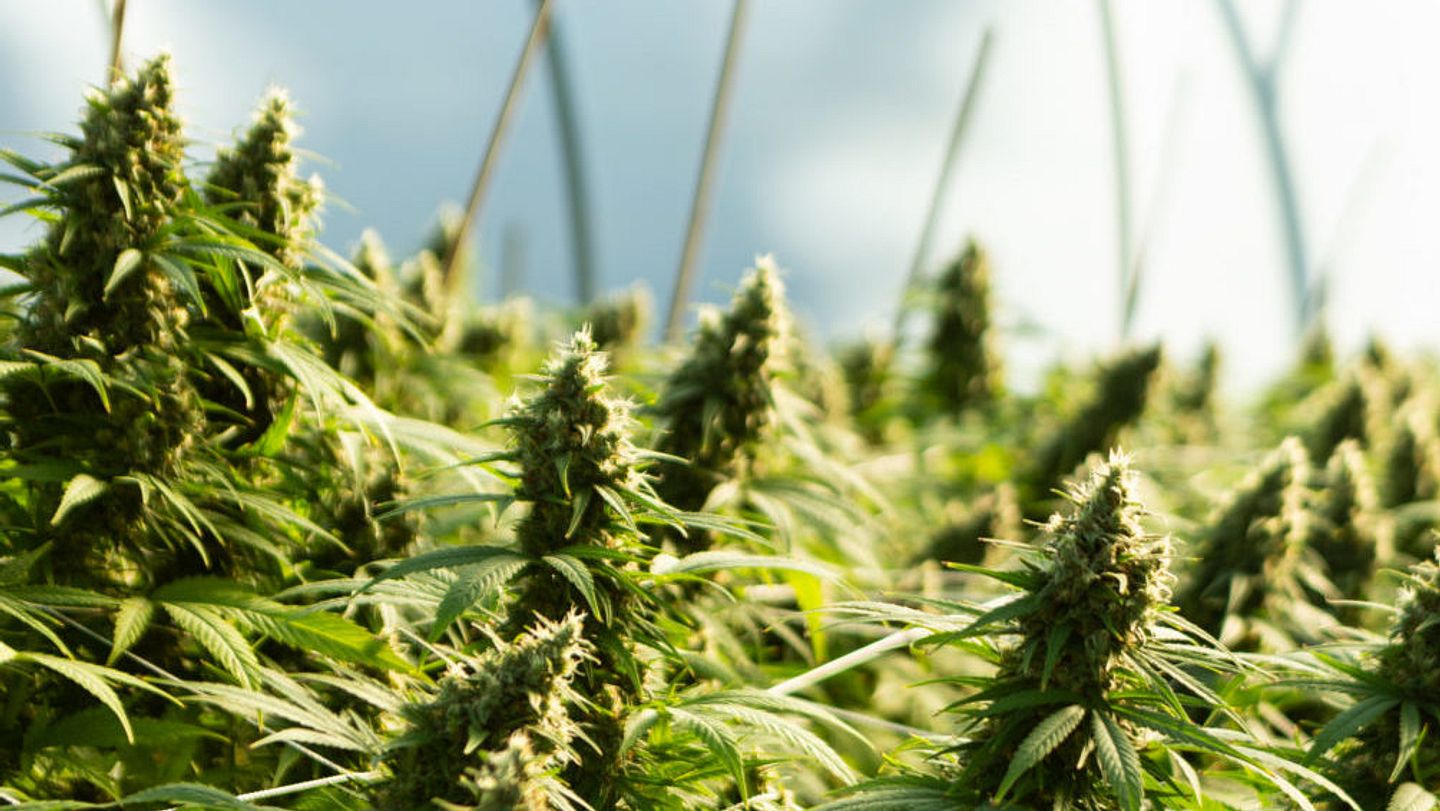
Creating the ideal growing environment is essential to producing medical-grade cannabis. Every aspect of the environment must be controlled to ensure the plants thrive and develop the desired chemical profile. Factors such as light, temperature, humidity, and airflow must be tightly regulated.
Lighting: Medical-grade cannabis requires consistent and optimal lighting throughout the plant’s life cycle. Many cultivators use advanced LED lighting systems that can be adjusted to provide the right spectrum of light at each stage of growth. Proper light levels help optimize photosynthesis and cannabinoid production.
Temperature and Humidity Control: Different strains have specific temperature and humidity requirements. Controlling these factors ensures that the plants do not become stressed, which can affect their growth and chemical profile. Generally, cannabis plants thrive in temperatures between 68°F and 77°F (20°C to 25°C). Humidity should be decreased throughout the flowering period to avoid mold and mildew, which can degrade the quality of the finished product.
Airflow and Ventilation: Proper airflow helps prevent mold, pests, and fungal growth, which can ruin a medical cannabis crop. Ventilation systems must circulate air efficiently, and dehumidifiers should be used to maintain the correct humidity levels. A sterile growing environment is essential to prevent contaminants from affecting the quality of the cannabis.
CO2 Supplementation: CO2 levels in the grow environment can significantly influence the growth rate and yield of cannabis plants. Growers of medical cannabis frequently add extra CO2 to the atmosphere in order to boost photosynthesis, which promotes quicker development and larger harvests. To make sure that the CO2 levels stay within safe ranges for both workers and plants, this needs to be closely watched.
4. Soil, Nutrients, and Water Quality
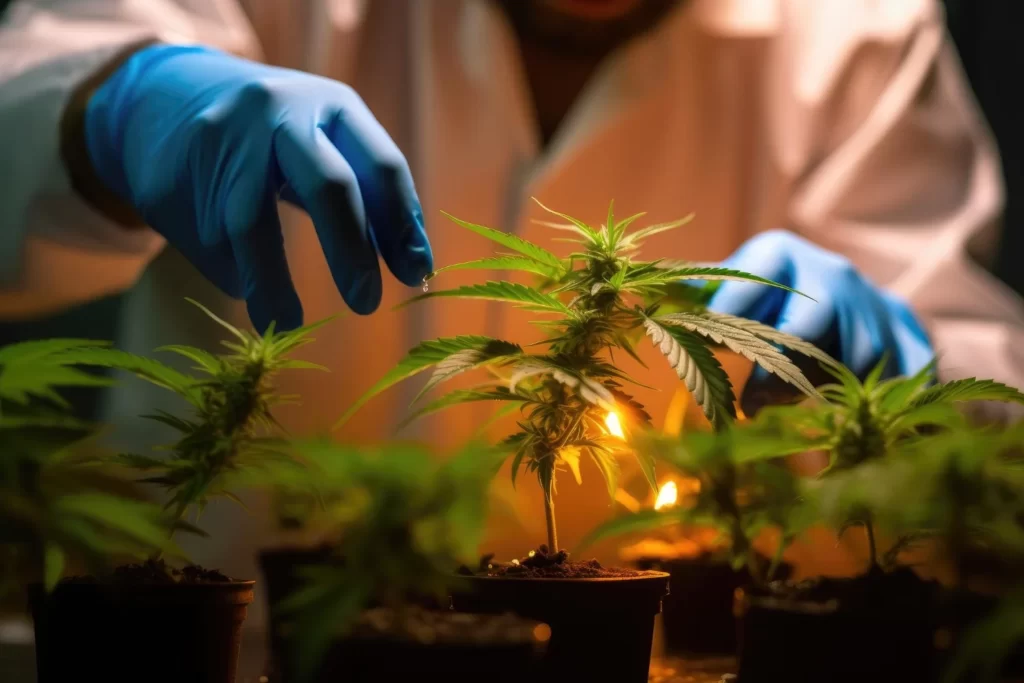
The growing medium is a key factor in cultivating medical-grade cannabis. Whether using soil, hydroponics, or other mediums, the goal is to provide plants with the nutrients they need for optimal growth without introducing contaminants.
Soil vs. Hydroponics: Soil-grown cannabis often has a richer terpene profile due to the natural interactions with the earth, while hydroponically grown cannabis can offer faster growth rates and precise control over nutrient levels. Both methods can produce medical-grade cannabis if managed properly. Organic soil cultivation is preferred by some cultivators to avoid chemical fertilizers, which could leave harmful residues in the plant.
Nutrient Management: Nutrient levels must be precisely controlled to ensure that the plants receive the right amounts of nitrogen, phosphorus, potassium, and other essential elements. Overfeeding or underfeeding can cause nutrient burn or deficiencies, affecting plant health and cannabinoid production. Additionally, medical cannabis must be free of residual fertilizers and pesticides, so organic or food-grade nutrients are often preferred.
Water Quality: Water is a crucial element in cannabis cultivation. Medical cannabis should be irrigated with pure, clean water that is free of harmful contaminants such as heavy metals, chlorine, and pathogens. Some cultivators use reverse osmosis systems to purify water before it is applied to the plants. Maintaining a balanced pH in the water is also essential, as improper pH levels can affect nutrient uptake.
5. Pest and Disease Management
Pest and disease control in medical cannabis cultivation must be handled without the use of harmful chemicals. Since medical cannabis is consumed by patients who may have weakened immune systems, it is critical to avoid using toxic pesticides or fungicides. Integrated Pest Management (IPM) is the preferred approach for controlling pests and diseases in medical cannabis cultivation.
Biological Controls: Introducing beneficial insects, such as ladybugs or predatory mites, can help control pests like spider mites and aphids without the need for chemical interventions. These biological controls maintain a balance in the ecosystem and protect the plants.
Sterile Environment: It is essential to keep the environment sterile and clean in order to stop the spread of illnesses and pests. Regular sanitation of tools, grow rooms, and hydroponic systems helps reduce the risk of contamination. Cultivators often implement biosecurity protocols, such as limiting access to grow areas and requiring workers to wear protective clothing.
Natural Remedies: In cases where intervention is necessary, natural remedies such as neem oil, insecticidal soaps, or essential oils are used to combat pests and fungal infections. These methods are safer for both the plants and the patients who will eventually consume the cannabis.
6. Harvesting and Post-Harvest Procedures
Proper harvesting and post-harvest procedures are essential to preserving the medical qualities of cannabis. Once the plants have reached their optimal maturity, harvesting must be done carefully to avoid damaging the flowers and degrading the cannabinoids and terpenes.
Harvest Timing: Cannabis plants should be harvested at the peak of their cannabinoid and terpene production. Trichomes, the resinous glands on the flowers, provide a visual indicator of when the plant is ready. Trichomes that are milky white with some turning amber signify the optimal time for harvest. Harvesting too early or too late can result in reduced potency or altered effects.
Drying and Curing: After harvesting, the cannabis flowers must be dried and cured to stabilize their chemical profile and prevent mold. For the branches to dry properly, they must be hung in a space that is dark, well-ventilated, and has controlled humidity and temperature. Curing, which takes several weeks, allows the terpenes and cannabinoids to mature and enhances the overall quality of the product.
Trimming: Trimming the cannabis involves removing excess leaves and stems from the flowers. This stage is required to lessen the amount of inactive plant material and enhance the product’s appearance. Because the trichomes are where the majority of the cannabinoids and terpenes are found, trimming must be done carefully to prevent breaking them.
7. Testing for Potency and Contaminants
One of the most important aspects of ensuring medical-grade cannabis is laboratory testing. Every batch of cannabis intended for medical use must be tested to verify its cannabinoid profile and to ensure that it is free from harmful contaminants.
Cannabinoid Testing: Testing for cannabinoid content, including THC, CBD, CBN, CBG, and others, is essential to ensure that the cannabis meets the desired medical requirements. Patients rely on consistent cannabinoid levels for effective treatment, and any deviation from the expected profile could impact their health outcomes.
Terpene Testing: Terpenes play a crucial role in the medicinal effects of cannabis. Testing for terpene content helps cultivators refine their growing methods to enhance the therapeutic properties of the plant. Common medical terpenes include myrcene, limonene, and pinene, each of which offers unique benefits for patients.
Contaminant Testing: Medical cannabis must be free of contaminants such as pesticides, heavy metals, residual solvents, mold, and bacteria. Accredited laboratories test for these substances to ensure that the final product is safe for consumption. Contaminated cannabis can be dangerous, especially for patients with compromised immune systems or other health conditions.
8. Regulatory Compliance and Certification
Medical cannabis cultivators must comply with local and national regulations regarding the cultivation, processing, and distribution of cannabis. In many jurisdictions, medical cannabis operations are subject to strict oversight to ensure patient safety.
Good Manufacturing Practices (GMP): Good Manufacturing Practices (GMP) are guidelines that guarantee products are regularly manufactured and managed according to quality standards. Many nations require medical cannabis manufacturers to follow these criteria. Every facet of production is covered by GMP, including raw materials, personal cleanliness, equipment upkeep, and record-keeping.
Certification Programs: In some regions, medical cannabis cultivators can obtain certifications that demonstrate their adherence to high-quality standards. For example, the Certified Kind or Clean Green certifications focus on organic and sustainable cultivation practices, ensuring that the cannabis is free from synthetic pesticides, herbicides, and other chemicals.
9. Sustainability and Ethical Considerations
Sustainability is becoming increasingly important in the cultivation of medical-grade cannabis. With the growing global demand for medical cannabis, it is essential to adopt practices that reduce the environmental impact of cultivation while maintaining high-quality standards.
Water Conservation: Water is a vital resource for growing cannabis, and sustainable farming methods emphasize conserving water by using effective irrigation systems, collecting rainwater, and reusing used water.
Energy Efficiency: Indoor cultivation can consume large amounts of electricity, especially in terms of lighting and climate control. Medical cannabis cultivators are increasingly adopting energy-efficient technologies such as LED lights and solar power to reduce their carbon footprint.
Waste Management: Cannabis cultivation produces waste in the form of plant material, packaging, and growing medium. Composting organic waste and putting recycling programs into place can help lessen the impact on the environment.
Restrictions on Growing and Using Cannabis in the Medical Field as a Last Resort and Monitoring THC Levels in Medications
1. Regulatory Restrictions on Growing Medical Cannabis
In most countries, growing cannabis for medical purposes is tightly regulated to ensure safety, consistency, and efficacy. The regulations typically include:
- Licensing: Only licensed cultivators can grow medical cannabis. These licenses are issued by government authorities and require adherence to strict standards, including security, quality control, and environmental considerations.
- GMP Compliance: Cultivators must follow Good Manufacturing Practices (GMP) to ensure that cannabis is grown in a clean, controlled environment, free of contaminants.
- Strain Selection: Only specific cannabis strains with verified medical benefits may be allowed for cultivation, especially those high in cannabidiol (CBD) and low in tetrahydrocannabinol (THC), to minimize psychoactive effects.
2. Using Medical Cannabis as a Last Resort
Medical cannabis is often considered a treatment of last resort, meaning it is only prescribed when conventional treatments have failed or are unsuitable. This approach includes:
- Prescription Controls: Medical cannabis is prescribed by a licensed healthcare professional after evaluating the patient’s condition and determining that no other treatments provide adequate relief.
- Medical Necessity: Cannabis may only be recommended for certain conditions like chronic pain, epilepsy, multiple sclerosis, or chemotherapy-induced nausea, where other medications have shown limited effectiveness.
3. Monitoring THC Levels to Prevent Psychoactive Effects
To minimize the risk of psychoactive effects, medical cannabis must be carefully monitored for THC content. This involves:
- Cannabinoid Profile Testing: Laboratories regularly test cannabis products to ensure they contain the prescribed levels of cannabinoids, with strict limits on THC content for certain patients, especially those who are vulnerable, such as children or the elderly.
- CBD-Rich Strains: Many medical products focus on CBD-dominant strains to provide therapeutic benefits without significant psychoactive effects. Formulations are adjusted to maintain a low THC-to-CBD ratio.
- Dosing Regulations: Precise dosing instructions are required for medical cannabis to control THC intake and minimize any psychoactive experience.
4. Global Legal Variations
The restrictions on growing and using cannabis as a last resort vary globally. Some countries, such as Canada and Germany, have national medical cannabis programs with strict oversight, while others may only allow limited cultivation or use under compassionate grounds. Countries often require:
- Doctor Supervision: Prescriptions must be strictly monitored and adjusted by healthcare professionals.
- Follow-Up Care: Patients are often required to undergo regular evaluations to ensure that the cannabis treatment is effective and does not cause unwanted side effects.
Conclusion: Ensuring Safe and Effective Use of Medical Cannabis
The cultivation and use of medical cannabis require stringent protocols and regulatory frameworks to ensure its safety, efficacy, and consistency. Medical cannabis differs fundamentally from recreational cannabis in its purpose, its focus on specific chemical profiles, and the rigorous oversight applied to every aspect of its production and application.
1. Medical Cannabis Cultivation
Cultivating medical-grade cannabis involves careful strain selection, strict environmental controls, and sustainable growing practices. Strain selection is critical as it determines the cannabinoid and terpene profiles necessary to address specific medical conditions. Whether the focus is on high-CBD strains like ACDC or balanced THC/CBD varieties such as Harlequin, cultivators must ensure the consistency and reliability of their product through stable genetics and optimized growing conditions.
Environmental factors like lighting, temperature, humidity, and airflow must be tightly controlled to prevent plant stress and optimize cannabinoid production. Nutrient management, water quality, and organic growing methods further enhance the quality of medical cannabis, ensuring it is free of contaminants. Advanced pest and disease management, often through natural or biological methods, plays a crucial role in protecting the health of the plants without introducing harmful chemicals that could compromise the safety of the final product.
2. Post-Harvest and Testing
Harvesting and post-harvest processes are critical in preserving the medical efficacy of cannabis. Careful timing of the harvest, along with proper drying, curing, and trimming, ensures that cannabinoids and terpenes remain potent and stable. Once harvested, the cannabis undergoes rigorous laboratory testing to verify its cannabinoid and terpene content and ensure it is free from contaminants like pesticides, heavy metals, and mold. Testing is a cornerstone of medical cannabis production, providing assurance that patients receive consistent, safe products that meet their therapeutic needs.
3. Regulatory Restrictions and Medical Use as a Last Resort
Globally, medical cannabis is subject to strict regulations designed to protect patients and ensure the responsible use of cannabis in medicine. Licensing for cultivation is highly regulated, with only authorized growers allowed to produce medical cannabis under Good Manufacturing Practices (GMP) and other compliance requirements. This ensures a controlled, sterile growing environment that consistently produces safe, high-quality cannabis.
Medical cannabis is often considered a treatment of last resort, meaning it is only prescribed when conventional therapies fail to provide relief. This approach reflects the seriousness of its use in medical practice and ensures that patients only receive cannabis when it is truly necessary. In many cases, medical cannabis has been shown to provide relief for chronic conditions like epilepsy, multiple sclerosis, and intractable pain, where other treatments may have been ineffective.
4. Monitoring THC Levels
An essential aspect of ensuring the safety of medical cannabis, especially for vulnerable populations such as children, the elderly, and those with compromised health, is the careful monitoring of THC levels. THC, the psychoactive component of cannabis, must be carefully controlled to prevent unwanted psychoactive effects, especially in medical applications where patients seek therapeutic benefits without impairment. Cannabinoid testing helps cultivators and medical providers maintain precise ratios of THC to CBD, tailoring treatments to individual patient needs.
Medical cannabis products often focus on CBD-rich strains or formulations with low THC content to minimize psychoactive effects while maximizing therapeutic outcomes. This balancing act ensures that patients receive the medical benefits they need, such as pain relief or seizure reduction, without experiencing the cognitive or psychological effects commonly associated with THC.
5. Global Considerations
Around the world, the use of medical cannabis is shaped by local laws, regulatory bodies, and evolving research into its medical benefits. Countries with well-established medical cannabis programs, such as Canada and Germany, enforce strict guidelines that ensure patients receive high-quality products through carefully monitored processes. In other regions, medical cannabis may still be highly restricted or available only under compassionate use clauses, reflecting the caution exercised in its integration into medical practice.
Despite the growing acceptance of medical cannabis, its use remains carefully controlled and is often viewed as a last resort, reinforcing the necessity of ensuring its safe production and application. Monitoring THC levels, testing for contaminants, and adhering to the highest standards of cultivation are essential in guaranteeing that medical cannabis remains a safe, reliable option for patients who need it most.
In conclusion, ensuring medical-grade cannabis in cultivation and use is a complex, multi-faceted process that involves careful attention to every stage, from strain selection to regulatory compliance and THC monitoring. By maintaining these rigorous standards, the medical cannabis industry can continue to provide safe, effective treatment options for patients worldwide, addressing a range of serious health conditions while minimizing risks associated with cannabis use.
