Table of Contents
Electric Blue is a distinctive and captivating cannabis strain celebrated for its unique properties, tantalizing effects, and potential therapeutic benefits. This hybrid strain offers a balanced blend of characteristics inherited from its parent strains, delivering a multifaceted experience suitable for both recreational and medical users. This document explores Electric Blue’s origins, properties, scientific insights, and its specific applications for medical and recreational purposes.
Origins and Genetic Background
Electric Blue is a hybrid strain that combines the genetics of two well-known parent strains: Blueberry and Haze. Each parent contributes unique traits that make Electric Blue stand out:
- Blueberry: A legendary indica-dominant strain known for its sweet, fruity aroma and relaxing effects. Blueberry provides the rich, berry-like flavor and calming properties to Electric Blue.
- Haze: A sativa-dominant strain recognized for its uplifting and energizing effects, along with a spicy, citrusy aroma. Haze contributes to Electric Blue’s cerebral stimulation and dynamic terpene profile.
This genetic combination results in a strain that typically leans slightly towards the sativa side, offering an invigorating yet balanced experience.
Physical Characteristics
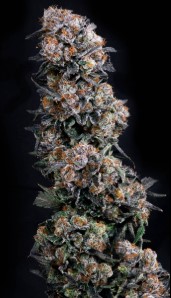
Electric Blue boasts a visually striking appearance that matches its vibrant name:
- Coloration: The buds are a vivid mix of deep greens and blues, often highlighted by streaks of purple. The coloration becomes more pronounced when grown in cooler environments.
- Trichomes: A dense coating of crystalline trichomes gives the buds a frosty appearance, indicative of high cannabinoid content.
- Structure: The buds are moderately dense and conical, typical of a well-balanced hybrid strain.
- Aroma and Flavor: Electric Blue’s terpene profile produces a complex aroma of sweet berries, citrus, and earthy undertones, complemented by a hint of spice. The flavor is equally dynamic, combining fruity sweetness with a smooth, spicy finish.
Chemical Composition
Electric Blue’s chemical composition is key to its effects and therapeutic potential. While exact cannabinoid and terpene levels can vary depending on cultivation practices, typical profiles include:
- Cannabinoids:
- THC: Typically ranges from 18% to 24%, providing potent psychoactive effects.
- CBD: Generally less than 1%, though variations with higher CBD levels may exist for medical purposes.
- CBG and Other Cannabinoids: Trace amounts of cannabinoids like CBG (cannabigerol) enhance the entourage effect.
- Terpenes:
- Myrcene: Contributes to the strain’s relaxing and sedative properties, with an earthy, musky aroma.
- Limonene: Offers uplifting effects and a citrusy scent, promoting mood enhancement.
- Pinene: Provides a pine-like aroma and may improve focus and memory.
- Caryophyllene: Spicy and peppery, this terpene interacts with CB2 receptors and may have anti-inflammatory effects.
Recreational Uses
Electric Blue is a versatile strain that appeals to a wide range of recreational users. Its effects are both cerebral and physical, making it suitable for various activities:
- Euphoric and Uplifting Effects:
- The initial onset of Electric Blue’s effects is characterized by a wave of euphoria and mental clarity. This makes it an excellent choice for social gatherings or creative pursuits.
- Users often report enhanced sensory perception and a feeling of joy, making it ideal for music, art, or nature exploration.
- Balanced High:
- While the sativa influence provides energy and focus, the indica genetics ensure a calming body high. This balance makes Electric Blue suitable for daytime or early evening use.
- Stress Relief and Relaxation:
- Recreational users seeking relief from daily stressors or a way to unwind after work may find Electric Blue’s effects particularly appealing.
Medical Applications
Electric Blue’s diverse cannabinoid and terpene profile make it a valuable option for various medical conditions. Below is a detailed exploration of its therapeutic potential:
- Mental Health:
- Depression: The uplifting and mood-enhancing effects of Electric Blue can help alleviate symptoms of depression. Limonene, a prominent terpene in this strain, is known for its antidepressant properties.
- Anxiety: The calming body high provided by myrcene and caryophyllene can help reduce anxiety and promote relaxation without excessive sedation.
- PTSD: Patients with post-traumatic stress disorder may benefit from Electric Blue’s ability to induce a sense of calm and reduce hyperarousal.
- Pain Management:
- Chronic Pain: The analgesic properties of THC, combined with anti-inflammatory terpenes like caryophyllene, make Electric Blue effective for managing chronic pain conditions such as arthritis or fibromyalgia.
- Migraines: The strain’s ability to relax muscles and reduce tension headaches is particularly beneficial for migraine sufferers.
- Neurological Disorders:
- Epilepsy: While Electric Blue’s low CBD content limits its efficacy for seizure control, strains with higher CBD variations may be useful for epilepsy management.
- Multiple Sclerosis: Electric Blue’s muscle-relaxing properties can alleviate spasticity and discomfort associated with MS.
- Appetite Stimulation and Gastrointestinal Health:
- Patients undergoing treatments like chemotherapy or suffering from conditions like Crohn’s disease may find relief from nausea and appetite loss with Electric Blue.
- Sleep Disorders:
- Although not as sedative as pure indica strains, Electric Blue’s calming effects can help users transition into restful sleep, especially when consumed in moderate doses.
Methods of Ingestion, Duration, Onset, and Effects
Electric Blue, a hybrid cannabis strain with unique chemical and terpene profiles, provides a balanced array of effects. The method of ingestion significantly influences the onset, duration, and overall experience. Here’s a comprehensive breakdown of the key factors to consider:
Methods of Ingestion

- Smoking:
- Description: Involves combusting dried Electric Blue flowers in joints, pipes, or bongs.
- Onset: Effects begin within 1–3 minutes due to rapid absorption through the lungs.
- Duration: Typically lasts 1–3 hours.
- Advantages: Immediate effects, easy to control dosage.
- Drawbacks: Inhalation of smoke may irritate the respiratory system and introduce harmful byproducts like tar.
- Vaporization:
- Description: Involves heating Electric Blue to a temperature where cannabinoids and terpenes vaporize but plant material does not combust.
- Optimal Temperature: 175–200°C (347–392°F) to preserve Electric Blue’s terpene profile.
- Onset: Similar to smoking (1–3 minutes).
- Duration: 1–3 hours.
- Advantages: Cleaner delivery with reduced respiratory irritation, better preservation of flavor and terpenes.
- Drawbacks: Requires specialized equipment (vaporizers).
- Edibles:
- Description: Ingesting cannabis-infused food or beverages containing Electric Blue extracts or oils.
- Onset: Delayed onset, ranging from 30–120 minutes, as THC is metabolized into 11-hydroxy-THC in the liver.
- Duration: Long-lasting effects, typically 6–8 hours, with some users reporting up to 12 hours.
- Advantages: Discreet, no respiratory impact, and longer-lasting effects.
- Drawbacks: Difficult to titrate dosage, risk of overconsumption.
- Tinctures and Sublingual Drops:
- Description: Cannabis extracts suspended in alcohol or oil, administered under the tongue.
- Onset: Rapid absorption through sublingual membranes, effects begin within 15–45 minutes.
- Duration: Typically lasts 4–6 hours.
- Advantages: Precise dosing, faster onset than edibles, discreet usage.
- Drawbacks: Taste may be unappealing to some users.
- Topicals:
- Description: Creams, balms, or patches infused with cannabinoids, applied to the skin.
- Onset: Localized effects felt within 15–30 minutes.
- Duration: Varies but typically lasts 2–4 hours.
- Advantages: Non-psychoactive when used topically, effective for localized pain or inflammation.
- Drawbacks: Limited to surface-level relief unless transdermal patches are used.
- Dabbing:
- Description: Involves vaporizing concentrated forms of Electric Blue (e.g., wax, shatter) on a heated surface.
- Onset: Immediate, within seconds.
- Duration: Shorter than smoking, usually 1–2 hours.
- Advantages: Potent effects, rapid onset.
- Drawbacks: Requires specialized equipment, not beginner-friendly.
Duration and Onset by Method
| Method | Onset Time | Duration | Potency |
|---|---|---|---|
| Smoking | 1–3 minutes | 1–3 hours | High |
| Vaporization | 1–3 minutes | 1–3 hours | High |
| Edibles | 30–120 minutes | 6–8 hours | Very High (11-hydroxy-THC) |
| Tinctures | 15–45 minutes | 4–6 hours | Moderate to High |
| Topicals | 15–30 minutes | 2–4 hours (localized) | Non-Psychoactive |
| Dabbing | Seconds | 1–2 hours | Extremely High |
Effects of Electric Blue
Electric Blue balanced hybrid nature ensures that its effects encompass both cerebral and physical dimensions. These effects are mediated by its high THC content (18–24%) and terpene profile dominated by myrcene, limonene, and caryophyllene.
- Cerebral Effects (Primarily Sativa Traits):
- Euphoria: Users report an uplifted mood and enhanced creativity.
- Focus: Ideal for tasks requiring mental clarity or problem-solving.
- Sensory Enhancement: Colors may appear more vivid, and sounds more immersive, making Electric Blue suitable for artistic activities.
- Physical Effects (Primarily Indica Traits):
- Relaxation: A soothing body high complements the cerebral stimulation, offering relief from physical tension.
- Mild Sedation: At higher doses, the strain indica lineage can induce drowsiness and promote restful sleep.
- Therapeutic Effects:
- Stress and Anxiety Relief: Limonene contributes to anxiolytic properties, while myrcene promotes relaxation.
- Pain Alleviation: Caryophyllene, which interacts with CB2 receptors, helps reduce inflammation and chronic pain.
- Mood Regulation: The entourage effect amplifies Electric Blue ability to alleviate symptoms of depression and mood disorders.
Safety and Side Effects
While Electric Blue is generally well-tolerated, users should be aware of potential side effects, which vary depending on the dosage and method of ingestion:
- Common Side Effects:
- Dry mouth and eyes (can be managed with hydration and eye drops).
- Mild dizziness, particularly for inexperienced users or those using high doses.
- Overdose Symptoms:
- Anxiety or paranoia, especially at high doses of THC.
- Intense sedation with difficulty focusing or performing tasks.
- Long-Term Considerations:
- Chronic smoking may affect respiratory health; opt for vaporization or edibles as safer alternatives.
- Tolerance buildup over time may necessitate breaks to reset sensitivity.
Scientific Insights and Mechanisms of Action
The therapeutic and recreational effects of Electric Blue are rooted in its interaction with the endocannabinoid system (ECS), a network of receptors and signaling molecules that regulate various physiological processes.
- THC and CB1 Receptors:
- THC, the primary psychoactive compound, binds to CB1 receptors in the brain, producing euphoric and mood-enhancing effects. This interaction also modulates pain perception and appetite.
- Terpene Synergy:
- The mutually beneficial relationship between terpenes and cannabinoids is referred to as the entourage effect. For example, limonene’s mood-enhancing properties and caryophyllene’s anti-inflammatory effects are amplified when combined with THC.
- Neuroprotection:
- Emerging research suggests that cannabinoids like THC and CBG may have neuroprotective properties, potentially slowing the progression of neurodegenerative diseases such as Alzheimer’s or Parkinson’s.
- Anti-inflammatory and Analgesic Effects:
- Caryophyllene, a unique terpene that binds to CB2 receptors, plays a significant role in Electric Blue’s anti-inflammatory and pain-relieving properties.
Electric Blue Cannabis Cultivation
Cultivating the Electric Blue strain requires careful attention to its specific needs and growth patterns. Here’s a breakdown of scientifically informed methods to optimize its growth:
Environmental Requirements
- Light Intensity and Photoperiod:
- Vegetative Stage: Requires 18-20 hours of light and 6-4 hours of darkness daily.
- Flowering Stage: Switch to 12 hours of light and 12 hours of darkness to stimulate flowering. Using full-spectrum LED lights ensures consistent light intensity without overheating.
- Light intensity should range between 400–600 μmol/m²/s during flowering to maximize bud density and resin production.
- Temperature and Humidity:
- Vegetative Growth:
- Ideal temperature: 20–25°C (68–77°F).
- Relative humidity: 60–70% to encourage rapid growth.
- Flowering Stage:
- Temperature: 18–24°C (65–75°F).
- Relative humidity: 40–50% to prevent mold and mildew.
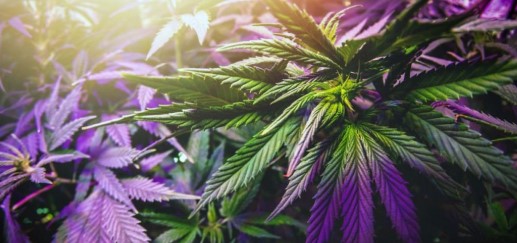
- Night temperatures slightly lower than daytime help enhance color development, bringing out the strain’s characteristic blue and purple hues.
- Vegetative Growth:
- Airflow and Ventilation:
- Electric Blue thrives in environments with steady airflow to prevent pests, mold, and mildew. Oscillating fans and exhaust systems can help maintain a fresh, oxygen-rich atmosphere.
- Maintaining CO₂ levels around 1,200–1,500 ppm during the vegetative stage can boost photosynthesis and plant vigor.
Soil vs. Hydroponics
- Soil Cultivation:
- Use well-aerated soil rich in organic matter. A mix of coco coir, peat moss, and perlite provides optimal drainage and root oxygenation.
- Maintain a pH level of 6.0–6.5 to ensure proper nutrient uptake.
- Add microbial inoculants or mycorrhizae to enhance nutrient absorption and root health.
- Hydroponics:
- Electric Blue responds well to hydroponic systems like Deep Water Culture (DWC) or Nutrient Film Technique (NFT) due to their precise nutrient delivery.
- pH range: 5.5–6.0.
- EC (Electrical Conductivity): Maintain between 1.2–2.2 mS/cm depending on the growth phase.
Nutritional Needs
- Macronutrients:
- Nitrogen (N): Crucial during the vegetative stage for foliage growth.
- Phosphorus (P): Essential during flowering for bud formation and resin production.
- Potassium (K): Supports overall plant health, disease resistance, and flower quality.
- Micronutrients:
- Include calcium (Ca), magnesium (Mg), and iron (Fe) to prevent deficiencies and ensure robust growth.
- Supplement with chelated micronutrients if using a hydroponic system.
- Organic Supplements:
- Use kelp extracts for stress resistance and overall plant vigor.
- Molasses can be added during the flowering stage to feed beneficial microbes and enhance terpene production.
Watering Techniques
- Water Quality:
- Use filtered or reverse osmosis water to eliminate harmful chemicals like chlorine and ensure proper nutrient absorption.
- Ideal water temperature: 18–22°C (64–72°F).
- Irrigation Frequency:
- Watering should be based on the plant stage and environmental conditions. Avoid waterlogging by allowing the top inch of the medium to dry out between watering.
Training and Pruning
- Low-Stress Training (LST):
- Gradually bend branches and tie them down to create an even canopy, improving light penetration and airflow.
- Topping and Fimming:
- These high-stress training techniques encourage multiple cola development, boosting yields.
- Perform topping during the early vegetative stage to allow time for recovery.
- Defoliation:
- Removing excess fan leaves during flowering improves light penetration to lower bud sites, enhancing overall yield and quality.
Pest and Disease Management
- Integrated Pest Management (IPM):
- Regularly inspect plants for signs of pests like spider mites, aphids, or fungus gnats.
- For biological management, introduce beneficial insects such as predatory mites or ladybugs.
- Use organic sprays like neem oil or insecticidal soap as a preventive measure.
- Fungal and Bacterial Issues:
- Powdery mildew and botrytis are common threats. Maintain low humidity and strong airflow to minimize risk.
- Use natural fungicides like potassium bicarbonate or copper-based sprays as needed.
Harvesting and Post-Harvest Techniques
- Harvest Timing:
- Monitor trichomes with a magnifier or jeweler loupe. Harvest when trichomes shift from clear to milky white, with some amber for a balanced effect.
- Optimal harvest time ensures the highest THC and terpene levels.
- Drying:
- Hang buds in a dark, ventilated space at 18–22°C (64–72°F) with a relative humidity of 50–60%.
- Drying typically takes 7–10 days.
- Curing:
- Store dried buds in airtight jars and open daily for the first two weeks to release excess moisture.
- Maintain a stable humidity level of 58–62% using humidity packs.
Safety and Responsible Use
As with any cannabis strain, responsible consumption of Electric Blue is essential to ensure a positive experience:
- Dosing:
- Start with a low dose, especially for novice users, to gauge tolerance and minimize potential side effects such as anxiety or paranoia.
- Potential Side Effects:
- Common side effects include dry mouth, dry eyes, and mild dizziness. Higher doses may lead to anxiety or paranoia in sensitive individuals.
- Legal Considerations:
- Ensure compliance with local cannabis laws and regulations when purchasing or consuming Electric Blue.
Conclusion
Electric Blue is a remarkable cannabis strain that combines the best attributes of its Blueberry and Haze lineage. Its vibrant appearance, complex flavor profile, and balanced effects make it a favorite among recreational users, while its therapeutic potential addresses a wide range of medical conditions. With proper cultivation and responsible use, Electric Blue exemplifies the versatility and richness of modern cannabis strains.
For a complete directory of cultivars, visit our Cannabis Strain Reviews.
