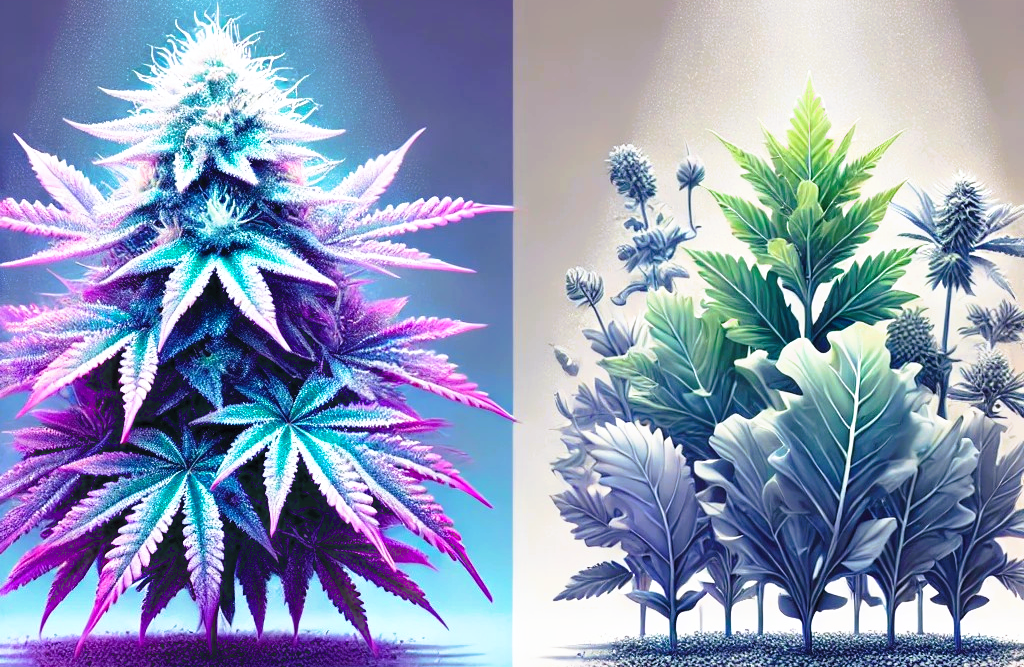
Effects of UV Light on Cannabis vs. Other Crops: A Chemical Perspective
The cultivation of plants under controlled conditions has allowed researchers and cultivators to manipulate environmental factors such as light, humidity, temperature, and nutrient availability to optimize yield and quality. Among these factors, ultraviolet (UV) light stands out as a significant determinant of secondary metabolite production, particularly in medicinal plants like cannabis (Cannabis sativa L.). The unique chemical responses of cannabis to UV radiation, especially its effects on cannabinoid and terpene biosynthesis, make it distinct from other crops. This article provides a comprehensive analysis of the effects of UV light on cannabis versus other crops, focusing solely on medical cannabis cultivation and its therapeutic implications.
Understanding UV Light and Its Subtypes
UV light is an invisible portion of the electromagnetic spectrum, situated between visible light and X-rays, with wavelengths ranging from 100 to 400 nanometers (nm). Based on wavelength, it is separated into three primary categories:
- UV-A (315–400 nm): The least energetic but most abundant form of UV light reaching the Earth’s surface. It penetrates deeply into plant tissues and influences photomorphogenesis, a light-mediated process affecting growth and development.
- UV-B (280–315 nm): Less abundant due to ozone absorption, UV-B is more energetic and capable of inducing stress responses, DNA damage, and the synthesis of protective secondary metabolites in plants.
- UV-C (100–280 nm): The most energetic but largely absorbed by the Earth’s atmosphere, UV-C light has limited natural interaction with crops. Artificial exposure to UV-C is primarily used for sterilization or experimental purposes.
Cannabis, like other crops, responds to UV light through a complex interplay of photoreceptors, signaling pathways, and secondary metabolite biosynthesis. However, the chemical profile of cannabis and its therapeutic relevance make it particularly responsive to UV radiation compared to other plants.
UV Light-Induced Chemical Changes in Cannabis
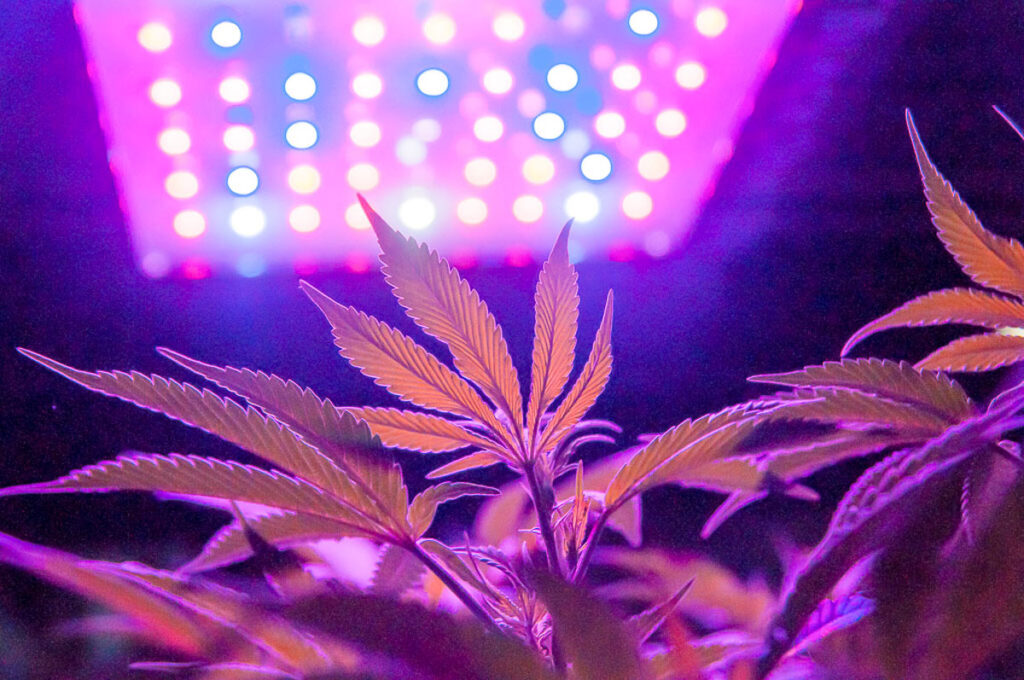
Cannabis sativa is a chemically diverse plant, producing over 500 compounds, including cannabinoids, terpenes, and flavonoids. These compounds are primarily synthesized in glandular trichomes, specialized structures found on the flowers and leaves of the plant. UV light, particularly UV-B, acts as an environmental cue that enhances the production of these secondary metabolites.
Cannabinoid Biosynthesis Under UV Light
Cannabinoids are the primary pharmacologically active compounds in cannabis, with delta-9-tetrahydrocannabinol (THC) and cannabidiol (CBD) being the most well-known. These compounds are synthesized via the mevalonate and polyketide pathways, which converge to produce cannabigerolic acid (CBGA), the precursor to all major cannabinoids. The impact of UV light on cannabinoid production is mediated through two main mechanisms:
- Stress-Induced Biosynthesis: UV-B light is a form of abiotic stress that activates the plant’s defense mechanisms. In response, cannabis increases the production of secondary metabolites, including THC and CBD, to protect itself from radiation-induced damage. THC, in particular, acts as a UV-B absorbent, shielding plant tissues from harmful rays. Studies have shown that UV-B exposure can significantly enhance THC concentration in trichomes, making it a critical factor in medical cannabis cultivation.
- Gene Regulation: UV light influences the expression of key genes involved in cannabinoid biosynthesis. Enzymes such as tetrahydrocannabinolic acid synthase (THCAS) and cannabidiolic acid synthase (CBDAS) are upregulated under UV-B exposure, leading to an increase in the corresponding cannabinoid acids. This gene-level regulation underscores the role of UV light in tailoring the chemical profile of cannabis for therapeutic purposes.
Terpene and Flavonoid Enhancement
Terpenes are aromatic compounds that contribute to the flavor, aroma, and potential therapeutic effects of cannabis. UV light, particularly UV-B, enhances terpene synthesis by activating the methylerythritol phosphate (MEP) pathway. Terpenes such as myrcene, limonene, and pinene show increased concentrations under UV-B exposure, potentially amplifying the entourage effect—a synergistic interaction between cannabinoids and terpenes that enhances therapeutic outcomes.
Flavonoids, another class of secondary metabolites, also exhibit increased production under UV-B radiation. Compounds like cannflavins A and B, which possess anti-inflammatory properties, are upregulated in response to UV stress. These flavonoids contribute to the overall pharmacological potential of medical cannabis, making UV light an essential tool for optimizing its therapeutic value.
Comparative Effects of UV Light on Other Crops
While UV light influences secondary metabolite production in many crops, the extent and nature of these effects vary significantly between cannabis and other plants. To highlight these differences, it is essential to examine UV-induced chemical changes in medicinal and aromatic plants, as well as food crops.
Medicinal Plants
Medicinal plants such as Echinacea, Ginseng, and St. John’s Wort produce secondary metabolites that are pharmacologically active. Like cannabis, these plants respond to UV-B exposure by upregulating the synthesis of protective compounds such as phenolics, flavonoids, and alkaloids. However, the mechanisms and chemical outcomes differ:
- Echinacea: UV-B exposure increases the production of phenolic acids such as cichoric acid, which enhances the plant’s antioxidant and immunomodulatory properties.
- Ginseng: Ginsenosides, the active compounds in ginseng, are moderately influenced by UV-B, but the response is less pronounced compared to cannabis.
- St. John’s Wort: Hypericin and hyperforin, the primary active compounds, are upregulated under UV-B stress, demonstrating a similar protective response as observed in cannabis.
Despite these similarities, cannabis exhibits a uniquely robust response to UV-B radiation, particularly in terms of cannabinoid and terpene synthesis. This distinction is attributable to the specialized role of cannabinoids in UV protection, a feature that is absent in most other medicinal plants.
Aromatic Crops
Aromatic crops such as lavender, peppermint, and basil also respond to UV light by increasing the production of essential oils and phenolic compounds. For instance:
- Lavender: UV-B exposure enhances the synthesis of linalool and camphor, two key components of lavender oil.
- Peppermint: The concentration of menthol and menthone, the primary constituents of peppermint oil, increases under UV-B radiation.
- Basil: UV-B induces the production of eugenol and other phenylpropanoids, contributing to the plant’s flavor and medicinal properties.
While these responses are analogous to the terpene enhancement observed in cannabis, the magnitude and complexity of the chemical changes are less pronounced. Cannabis’s unique ability to simultaneously upregulate cannabinoids, terpenes, and flavonoids under UV-B stress sets it apart from other aromatic crops.
Food Crops
Food crops such as tomatoes, lettuce, and wheat exhibit UV-induced changes primarily in phenolic and antioxidant compounds. For example:
- Tomatoes: UV-B exposure increases the production of lycopene and flavonoids, enhancing the fruit’s antioxidant capacity.
- Lettuce: Phenolic compounds such as chlorogenic acid are upregulated under UV-B, improving the plant’s stress tolerance and nutritional value.
- Wheat: UV-B induces the accumulation of flavonoids and phenolic acids, contributing to the grain’s resilience and health benefits.
While these changes are beneficial, they are largely restricted to phenolics and do not involve the diverse array of secondary metabolites seen in cannabis. Moreover, the primary focus in food crops is on yield and nutritional quality rather than pharmacological potency, further distinguishing cannabis from other plants.
Implications for Medical Cannabis Cultivation
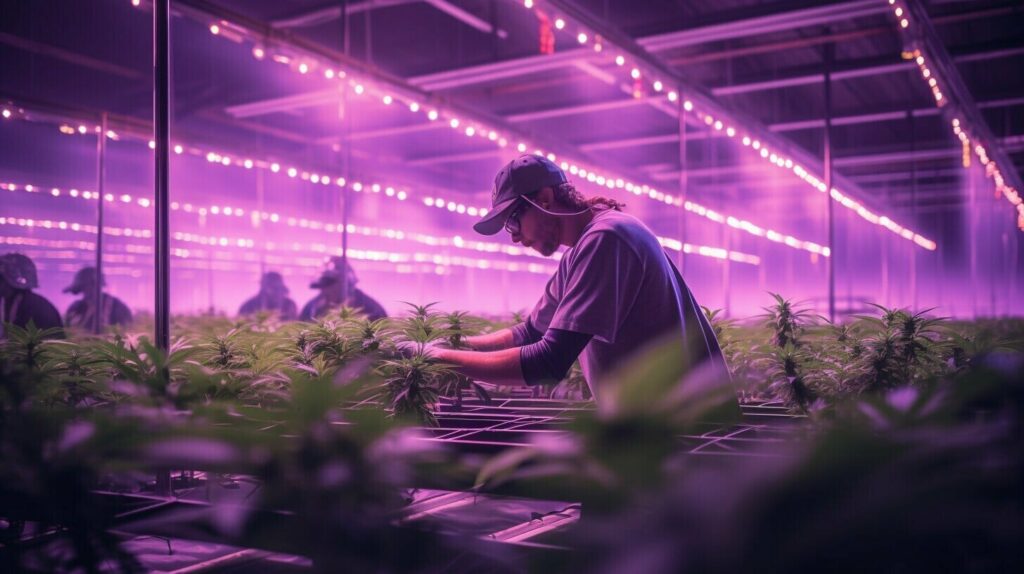
The unique chemical responses of cannabis to UV light have significant implications for medical cannabis cultivation. By manipulating UV exposure, cultivators can optimize the production of cannabinoids, terpenes, and flavonoids, tailoring the chemical profile of the plant to meet specific therapeutic needs.
Controlled UV-B Supplementation
In indoor and greenhouse cultivation, where natural UV exposure is limited, artificial UV-B supplementation is a valuable tool for enhancing secondary metabolite production. Studies have shown that controlled UV-B exposure can increase THC and CBD concentrations by up to 25%, depending on the intensity and duration of exposure. However, excessive UV-B can cause photoinhibition, oxidative stress, and reduced growth, necessitating precise calibration of UV light intensity and photoperiod.
Strain-Specific Responses
Different cannabis strains exhibit varying sensitivities to UV light, reflecting their genetic diversity and environmental adaptation. For instance, landrace strains originating from high-altitude regions with intense UV exposure, such as those from the Hindu Kush mountains, naturally produce higher levels of cannabinoids and terpenes. By selecting strains with specific UV-responsive traits, cultivators can further enhance the therapeutic potential of medical cannabis.
Integration with Other Environmental Factors
The effects of UV light on cannabis are influenced by other environmental factors, including temperature, humidity, and nutrient availability. For example, elevated temperatures can exacerbate UV-induced stress, while optimal nutrient levels can mitigate oxidative damage. Integrating UV light with other environmental controls allows for a holistic approach to medical cannabis cultivation.
Broader Implications for Therapeutic Use
The enhanced chemical profile of UV-exposed cannabis has direct implications for its medical use. Increased concentrations of THC, CBD, and terpenes can amplify the plant’s therapeutic effects, offering improved treatment outcomes for a range of conditions, including chronic pain, inflammation, anxiety, and epilepsy. Furthermore, the upregulation of flavonoids such as cannflavins A and B under UV-B stress expands the pharmacological repertoire of medical cannabis, providing additional anti-inflammatory and antioxidant benefits.
Restrictions on Growing and Using Cannabis in the Medical Field: A Focus on Responsible Application
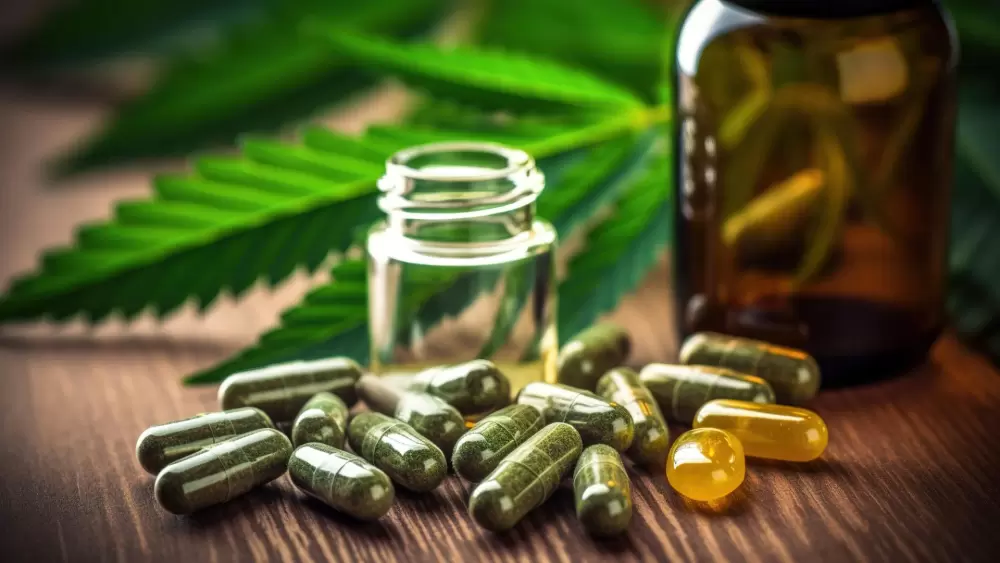
Because of its proven therapeutic potential for treating a wide range of illnesses, cannabis use in the medical field is becoming more and more accepted. However, significant restrictions remain in place to ensure its application is safe, ethical, and effective. Many medical systems worldwide mandate that cannabis-based treatments are used as a last resort after conventional therapies have failed. In addition, strict monitoring of tetrahydrocannabinol (THC) levels is implemented to minimize psychoactive effects and ensure patient safety. This article explores the restrictions on growing and using cannabis exclusively for medical purposes, emphasizing regulatory controls, the concept of last-resort use, and the necessity of managing THC concentrations.
Legal Framework Governing Medical Cannabis Cultivation
Medical cannabis cultivation is heavily regulated to ensure its use aligns with healthcare objectives rather than recreational or illegal purposes. Governments and health authorities impose rigorous standards on who can grow medical cannabis, how it is grown, and the conditions under which it is processed.
- Licensed Growers Only: Only individuals or entities with government-issued licenses are permitted to grow cannabis for medical purposes. These licenses are typically granted to pharmaceutical companies, research institutions, or specialized cannabis farms that meet strict compliance standards.
- Regulated Cultivation Practices: Cannabis for medical use must be grown in controlled environments that ensure consistent quality, safety, and chemical composition. Regulations often require cultivators to employ good agricultural practices (GAP) and maintain sterile, contaminant-free growing conditions.
- Monitoring and Record-Keeping: Cultivators are required to document every stage of the growth process, including seed sourcing, nutrient use, light cycles, and harvesting methods. These records are subject to audits by regulatory bodies to ensure compliance with national and international standards.
- Security Measures: Due to its high value and potential for misuse, medical cannabis facilities are typically outfitted with advanced security systems, including surveillance cameras, access controls, and inventory management protocols.
- Waste Management: Regulations also govern the disposal of cannabis plant waste to prevent its diversion for unauthorized use. Proper destruction methods, such as incineration, are often mandated.
These restrictions ensure that cannabis grown for medical purposes is of pharmaceutical-grade quality and free from contamination, thereby safeguarding patient health.
Medical Cannabis as a Last Resort: Ethical and Clinical Justification
One of the core principles guiding the use of cannabis in medicine is its designation as a treatment of last resort. This restriction is rooted in the ethical obligation to exhaust all proven and conventional therapies before considering cannabis, which remains a controlled substance with potential side effects.
- Conventional Therapies First: Before prescribing cannabis-based medications, healthcare providers must ensure that patients have tried and failed to achieve relief through standard treatments such as pharmaceuticals, physical therapy, or psychological interventions. This approach minimizes unnecessary exposure to cannabis and ensures it is reserved for cases where other options have proven inadequate.
- Documentation of Treatment History: Physicians are often required to document the patient’s medical history, including a detailed record of failed treatments, before recommending cannabis. This documentation ensures transparency and accountability in clinical decision-making.
- Patient-Specific Evaluation: Even in cases where conventional treatments have failed, cannabis use is not automatic. Each patient undergoes an individualized evaluation to determine whether the benefits of cannabis outweigh its potential risks. Factors such as age, medical condition, and potential for psychoactive side effects are carefully considered.
- Restricting Long-Term Use: In many cases, cannabis is prescribed for short-term or intermittent use rather than as a permanent solution. This minimizes the risk of dependency or side effects associated with prolonged exposure to cannabinoids.
The last-resort designation reflects a cautious and evidence-based approach to cannabis in medicine, ensuring that its use is justified and ethical.
Monitoring THC Levels to Minimize Psychoactive Effects
The psychoactive impact of THC, the substance that causes cannabis-induced euphoria or intoxication, is one of the biggest obstacles to the use of cannabis for medical purposes. While THC has therapeutic benefits, including pain relief and appetite stimulation, its psychoactive properties can impair cognitive function and lead to undesirable side effects. To address this concern, regulatory systems impose strict controls on THC levels in medical cannabis products.
- Low-THC Strains and Products: Many countries mandate the use of low-THC, high-CBD (cannabidiol) cannabis strains for medical purposes. CBD is a non-psychoactive compound that offers therapeutic benefits without intoxication, making it ideal for medical applications. Products such as oils, capsules, and tinctures are often formulated to contain minimal THC.
- THC Limit Thresholds: Regulators set maximum allowable THC levels for medical cannabis products. For example, some jurisdictions cap THC concentrations at 0.2% to 1%, depending on the product type and intended use. These thresholds help minimize the risk of psychoactive effects while preserving therapeutic efficacy.
- Standardized Testing: All cannabis-based medications must undergo rigorous chemical analysis to verify THC levels before reaching patients. Testing is conducted by certified laboratories, which measure THC, CBD, and other cannabinoids to ensure compliance with regulatory limits.
- Dosage Control: Physicians are required to prescribe cannabis at the lowest effective dose, reducing the likelihood of psychoactive effects. Dosing guidelines are informed by clinical research and tailored to the patient’s medical condition.
- Patient Education: Patients receiving medical cannabis are educated about potential side effects, including the risk of mild intoxication, and are advised to avoid activities such as driving or operating heavy machinery while using THC-containing products.
By carefully monitoring THC levels and prioritizing non-psychoactive alternatives, medical systems ensure that cannabis-based treatments remain focused on therapeutic benefits rather than recreational or mind-altering effects.
Conclusion
The use of cannabis in the medical field is governed by stringent restrictions to ensure its application remains ethical, effective, and safe. From cultivation to patient use, every stage is carefully regulated. Licensed growers are required to adhere to strict protocols that guarantee the quality, consistency, and safety of cannabis produced for medical purposes. Advanced monitoring systems, record-keeping, and security measures ensure that medical cannabis cultivation stays within legal and ethical boundaries.
The principle of using cannabis as a last resort highlights the ethical foundation of medical cannabis practices. By mandating that cannabis treatments only be considered after conventional therapies have failed, this approach minimizes unnecessary risks and preserves cannabis for patients with no other viable options. Physicians are required to document treatment histories and tailor cannabis prescriptions to individual needs, balancing therapeutic potential with potential side effects.
A key focus in medical cannabis is the strict monitoring of THC levels to prevent unwanted psychoactive effects. Regulatory caps, low-THC strains, and meticulous product testing ensure that cannabis treatments emphasize therapeutic benefits while minimizing cognitive impairment or intoxication. Together, these restrictions reflect a cautious, research-driven approach to medical cannabis, safeguarding patient welfare while maximizing its medical potential.
