Table of Contents
Edelweiss cannabis is a hybrid cannabis strain that has gained attention in the cannabis community due to its balanced effects, appealing aroma, and therapeutic potential. With a genetic composition that combines both indica and sativa traits, Edelweiss offers a unique experience for both recreational users and medical patients. Its name is derived from the Edelweiss flower, which is famous for its resilient nature and its ability to thrive in harsh, high-altitude environments. This name not only reflects the strain’s potent effects but also hints at its pure, refreshing characteristics.
In terms of genetics, Edelweiss is often cited as a cross between an Afghani Indica and a Haze Sativa strain. The influence of these two parental strains results in a well-rounded hybrid that combines the relaxing body effects of indica with the uplifting cerebral effects of sativa. This balanced genetic background makes Edelweiss a versatile strain, ideal for a wide variety of users, from those seeking stress relief to those looking for creativity and social energy.
- Type: Hybrid (Indica-Sativa)
- THC Content: 18% – 24%
- CBD Content: 0.2% – 1%
- Terpene Profile: Myrcene, Limonene, Caryophyllene, Pinene
- Origin: Derived from a mix of indica and sativa genetics, often cited as a cross between Afghani Indica and Haze Sativa.
- Genetic Composition: Balanced hybrid with both relaxing and uplifting effects.
Appearance and Characteristics
A. Visual Characteristics
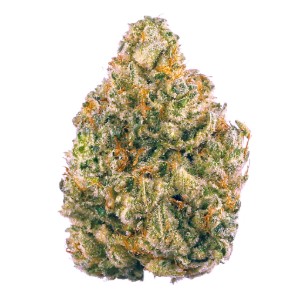
- Bud Structure: Dense, compact buds typical of hybrid strains.
- Trichomes: Covered with a thick layer of white trichomes, giving the buds a frosty, sparkling appearance.
- Pistils: Prominent orange or red pistils contrast with the green and frosty buds.
- Resin Production: High resin content, sticky texture, indicating potency.
B. Aroma
- Scent Profile: Floral, earthy with hints of citrus and pine.
- Notes: Subtle sweetness with musky and citrus undertones.
- Overall: Refreshing and clean, often compared to the crisp air of high-altitude regions.
C. Flavor
- Taste Profile: Floral, earthy, and mildly citrusy.
- Aftertaste: Slightly sweet with a lingering fresh, pine-like finish.
Effects and Recreational Uses
A. General Effects
- Mental Effects: Uplifting, euphoric, and mentally clear.
- Physical Effects: Relaxing body high, tension relief, but not overly sedating.
- Duration: Moderate-lasting effects, typically lasting 1.5 to 2 hours.
B. Positive Effects
- Euphoria: Creates a joyful, carefree mood that lifts spirits.
- Creativity Boost: Enhances focus and creativity, good for artistic and intellectual pursuits.
- Socialization: Users feel more talkative, sociable, and relaxed, ideal for group settings.
- Relaxation: Provides mild physical relaxation, without leading to heavy sedation.
C. Negative Effects
- Dry Mouth: Common with most cannabis strains.
- Dry Eyes: Can occur with prolonged use.
- Dizziness: Especially in new users or those sensitive to THC.
- Anxiety/Paranoia: Potentially in high doses or for users with a sensitivity to THC.
Medical Uses
A. Pain Management
- Chronic Pain: Effective for managing conditions like arthritis, fibromyalgia, and general muscle pain.
- Muscle Relaxation: Relieves tension and spasms due to its relaxing body effects.

B. Stress and Anxiety Relief
- Stress Reduction: The euphoric, calming effects help alleviate both mental and physical stress.
- Anxiety: The mental clarity and relaxation reduce anxious thoughts and symptoms of generalized anxiety.
C. Depression
- Mood Enhancement: Helps lift mood and reduce feelings of sadness or low energy, promoting overall well-being.
- Euphoria: The uplifting effects are beneficial for those struggling with depression-related fatigue.
D. Appetite Stimulation
- Increase in Appetite: Often used by individuals with eating disorders or those undergoing treatments like chemotherapy that suppress appetite.
E. Sleep Aid
- Mild Sedation: While not as sedative as pure indicas, Edelweiss can help ease insomnia or promote relaxation before bed.
Scientific and Cannabinoid Profile
A. Cannabinoid Composition
- THC: 18% – 24% (primary psychoactive compound, responsible for euphoria, mental stimulation, and pain relief).
- CBD: 0.2% – 1% (low in CBD, contributing more to the psychoactive effects than therapeutic ones).
- CBG: Small amounts, potentially offering anti-inflammatory benefits.
B. Terpene Profile
- Myrcene: Provides earthy, musky aroma and contributes to the sedative, relaxing effects.
- Limonene: Adds a citrusy note and is believed to promote mood enhancement and stress relief.
- Caryophyllene: Peppery, spicy aroma with anti-inflammatory properties, also acts as a cannabinoid receptor agonist.
- Pinene: Pine aroma, known for its potential memory-enhancing and anti-inflammatory benefits.
Cultivation and Growth Information
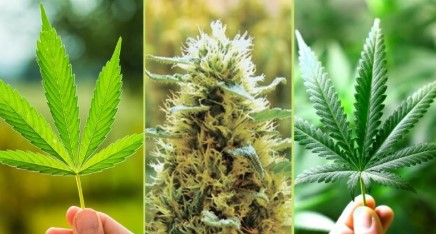
Edelweiss cannabis is a hybrid strain that can be successfully cultivated both indoors and outdoors, though optimal conditions can vary depending on the grower’s environment. The strain’s moderate difficulty level in terms of cultivation requires attention to certain factors such as light, humidity, temperature, and proper nutrient management. The plant is resilient and adaptable, but its high resin content makes it particularly sensitive to some environmental changes.
Below, we will explore the cultivation methods and conditions that are most effective for growing Edelweiss cannabis.
A. Environmental Conditions
1. Temperature
- Ideal Range: Edelweiss cannabis thrives in a temperature range of 68°F to 80°F (20°C to 27°C) during the day, with slight drops at night. The strain is relatively adaptable to varying temperatures, but maintaining a consistent temperature is key to promoting healthy growth.
- Nighttime Temperatures: A slight drop in nighttime temperature (around 10-15°F cooler than daytime) mimics the natural diurnal temperature variation found in many of its genetic origins, enhancing resin production and overall plant health.
2. Humidity
- Early Growth Stage: During the vegetative phase, the humidity should be kept between 50% and 70%. This helps the plant’s leaves and stems stay hydrated and promotes vigorous growth.
- Flowering Stage: As the plant enters the flowering stage, it is essential to lower humidity to around 40%-50%. High humidity during flowering can lead to mold, mildew, and bud rot, especially in the dense buds that Edelweiss tends to produce.
3. Light
- Indoor Cultivation: Edelweiss cannabis prefers high-intensity lighting during the vegetative stage. LED or high-pressure sodium (HPS) lights are commonly used, with a light cycle during the vegetative phase, there are 18 hours of light and 6 hours of darkness. Once the plant starts flowering, it requires a 12/12 light cycle to induce flowering and mimic the natural seasonal changes.
- Outdoor Cultivation: When grown outdoors, Edelweiss benefits from long periods of sunlight. It is best to plant it in regions where the growing season offers consistent sunlight for 14-16 hours a day during its vegetative and early flowering stages.
B. Growth Characteristics and Structure
1. Plant Height and Size
- Height: Edelweiss is typically a medium-sized plant, growing to heights of 3 to 6 feet. Its height can be managed through pruning, topping, or low-stress training (LST) techniques.
- Bushy Structure: This strain can develop into a bushy plant with multiple lateral branches, which can be advantageous for maximizing yields, especially in indoor setups where space might be limited.
2. Flowering Time
- Indoor Flowering: Edelweiss typically has a flowering period of 8 to 9 weeks. This duration may vary slightly depending on environmental factors such as light intensity and nutrients.
- Outdoor Flowering: When grown outdoors, Edelweiss is ready for harvest in mid to late October, depending on the climate and latitude.
3. Bud Formation
- Dense Buds: Edelweiss produces tight, dense buds that are characteristic of its hybrid nature. The dense structure requires careful attention to airflow and humidity, as it is susceptible to moisture retention within the buds, which can encourage mold growth.
- Resin Production: Known for high resin production, Edelweiss cannabis is ideal for making concentrates such as hash or extracts. The frosty trichomes on the buds are rich in cannabinoids (primarily THC) and terpenes, which contribute to both its effects and its aroma.
C. Nutrient Requirements
1. Soil vs. Hydroponics
- Soil Cultivation: Growing Edelweiss in soil is a common method that allows for a more natural growth cycle. Healthy, well-drained soil with proper pH levels (around 6.0 to 6.5) will allow the plants to thrive, as soil provides essential trace minerals and organic matter.
- Hydroponic Cultivation: Hydroponic systems, including deep water culture (DWC) and aeroponics, can be used for faster growth cycles and higher yields. However, hydroponic systems demand more precise control over pH, EC (electrical conductivity), and nutrient solutions. In hydroponics, it is essential to provide a balanced nutrient solution with adequate amounts of nitrogen, phosphorus, and potassium during the vegetative phase, and a higher phosphorus and potassium content during the flowering stage to promote healthy bud development.
2. Nutrient Management
- Vegetative Stage: Edelweiss requires higher nitrogen levels during the vegetative phase to support leaf and stem growth. Nitrogen encourages leafy growth and helps the plant build strong structural foundations.
- Flowering Stage: During the flowering period, nutrient needs shift to a higher ratio of phosphorus and potassium to support bud formation, resin production, and overall plant development.
- Micronutrients: Additionally, the plant requires micronutrients such as calcium, magnesium, and iron to ensure proper metabolism and healthy bud growth.
D. Training Techniques for Optimal Yield
1. Topping and Pruning
- Topping is a common technique to increase the number of main branches on the plant, which helps maximize the yield per plant. By cutting the top of the main stem, the plant directs its growth to side branches, increasing the overall number of colas (flowering tops).
- Pruning involves cutting away excess foliage to improve airflow and light penetration, especially in indoor grow tents. Proper pruning can help prevent mold or mildew build-up by reducing overcrowding in the canopy.
2. Low-Stress Training (LST)
- To achieve an equal canopy, LST entails carefully bending and tying down branches. This technique encourages the plant to grow horizontally rather than vertically, resulting in a more even distribution of light across all parts of the plant. The technique can help increase yields while avoiding the risk of stressing the plant with more aggressive training methods like topping.
3. Screen of Green (ScrOG)
- ScrOG is a popular technique used in indoor growing to maximize yields by training the branches through a mesh screen. This method helps ensure an even canopy, allowing for optimal light distribution across all plant sections. It’s particularly beneficial for strains like Edelweiss that may benefit from even exposure to light.
E. Pest and Disease Management
- Mold and Mildew: Due to its dense buds, Edelweiss cannabis is susceptible to bud rot and mold in high-humidity environments, especially during the flowering stage. Regular airflow, dehumidifiers, and careful monitoring of humidity levels can help prevent these issues.
- Pests: Common pests that affect cannabis plants, such as spider mites, aphids, and whiteflies, can damage the plant and reduce yield. Organic pest control methods like neem oil or diatomaceous earth are recommended to combat pests without harming the plant.
- Integrated Pest Management (IPM): A well-rounded approach that includes regular inspections, using beneficial insects, and natural pesticides can help reduce pest populations without harming the environment or the plant.
F. Harvesting and Curing
1. Harvest Timing
- Trichome Maturity: The best time to harvest Edelweiss is when trichomes (the resin-producing glands) have turned from clear to cloudy white with some amber trichomes present. This indicates the peak of THC production.
- Timing for Potency: Harvesting when trichomes are mostly milky will provide a more euphoric, energetic high, while harvesting when trichomes have turned amber results in a more relaxing effect.
2. Drying and Curing
- Drying: After harvesting, the buds should be hung in a cool, dark, and well-ventilated area to dry. This process usually takes 7-14 days, depending on humidity and airflow conditions.
- Curing: After drying, Edelweiss buds should be cured in glass jars for 2-4 weeks to enhance flavor, aroma, and potency. The curing process also helps smooth out the smoke and reduces harshness.
Side Effects and Considerations
A. Common Side Effects
- Dry Mouth (Cottonmouth): A common side effect with most cannabis strains.
- Dry Eyes: Eye drops that are available over-the-counter can help relieve it.
- Dizziness: Mild dizziness may occur, especially with higher doses.
- Paranoia or Anxiety: In higher doses, it can trigger feelings of anxiety or paranoia in susceptible users.
B. Precautions
- Moderation is Key: New users or those with low THC tolerance should start with small doses to avoid overwhelming effects.
- Hydration: Keeping hydrated can help alleviate the common side effect of dry mouth.
- Not for Heavy Sleep Issues: For users seeking intense sedation or deep sleep aid, Edelweiss might not be the best course of action.
Summary and Conclusion
Edelweiss cannabis stands out as a balanced hybrid strain that offers a mix of uplifting mental effects and relaxing physical relaxation. With moderate to high THC content, it is suitable for recreational and medicinal use alike, addressing conditions like anxiety, depression, chronic pain, and appetite loss. The high resin content also makes it suitable for concentrates and extractions.
For recreational use, Edelweiss is perfect for social gatherings, creative pursuits, and relaxation. It provides a clear-headed high that keeps users engaged without inducing heavy sedation. Medicinally, it offers pain relief, stress reduction, and can help with insomnia or loss of appetite.
Edelweiss’s well-balanced effects, pleasant aroma, and moderate THC levels make it a versatile strain suitable for both new and experienced users. Whether you’re looking for relief from medical conditions or simply seeking a smooth, enjoyable cannabis experience, Edelweiss is a great choice for both medical patients and recreational users.
For a complete directory of cultivars, visit our Cannabis Strain Reviews.
