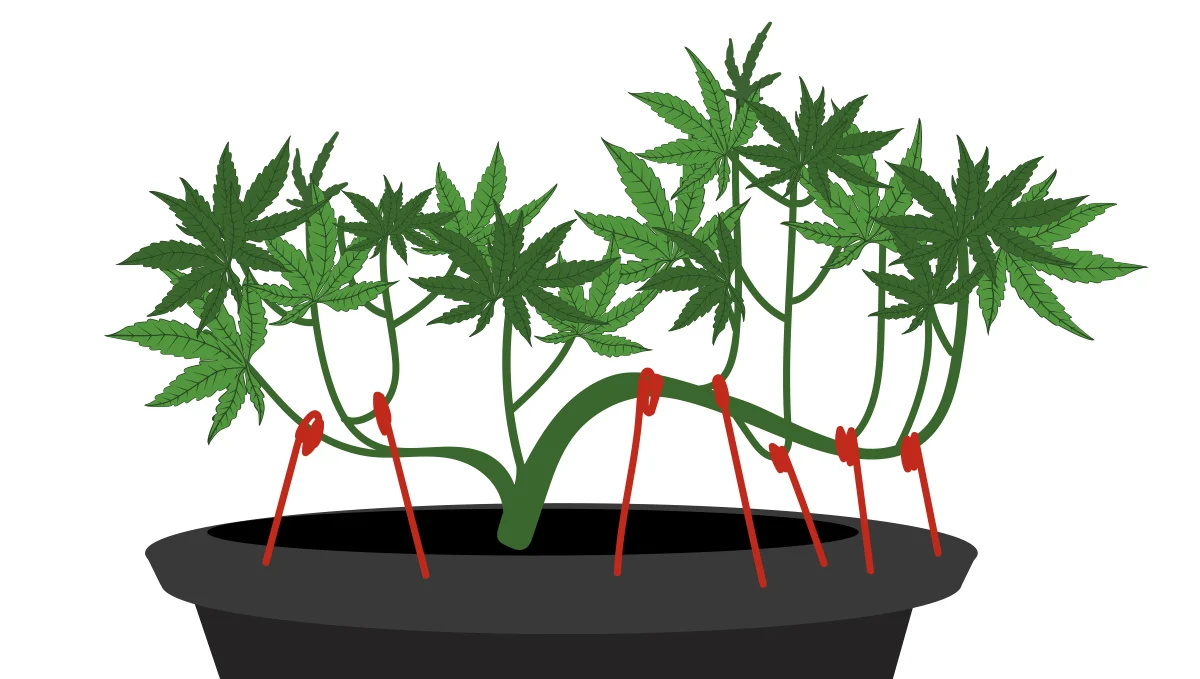
Training cannabis plants involves techniques to manipulate plant growth, such as topping, low-stress training (LST), and high-stress training (HST). Some cannabis strains are more receptive to training than others due to their growth characteristics. Here are a few strains known to be easy to train:
1. Blue Dream
- Type: Hybrid (Sativa-dominant)
- Traits: Blue Dream is a popular strain known for its balanced effects and ease of cultivation. It responds well to various training methods, making it a favorite among growers.
-
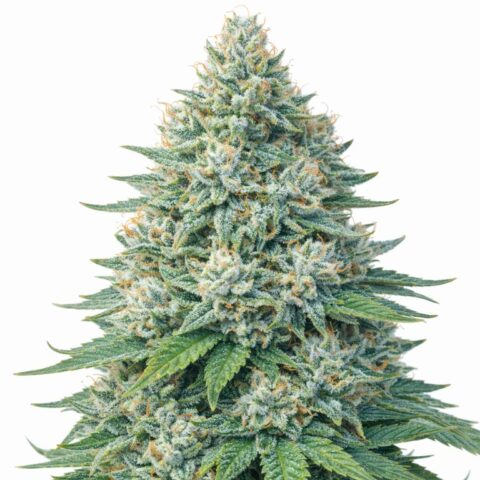 Blue Dream Cannabis SeedsFrom: $24.99
2. Northern Lights
- Type: Indica
- Traits: This classic strain is known for its resilience and low-maintenance nature. Northern Lights can handle various training techniques and still produce a robust yield.
-
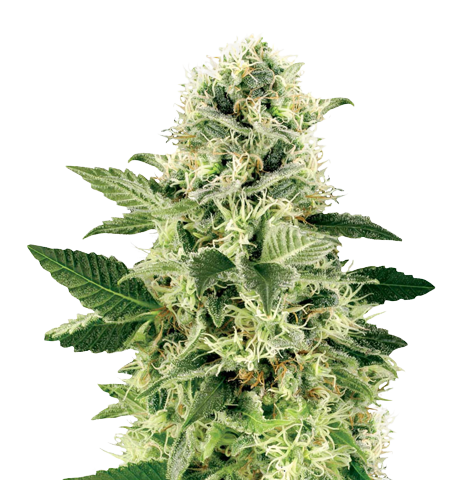 Northern Lights Cannabis SeedsFrom: $24.99
3. White Widow
- Type: Hybrid
- Traits: White Widow is another well-known strain that’s easy to grow and train. It adapts well to both indoor and outdoor environments and responds positively to LST and topping.
-
 White Widow Cannabis SeedsFrom: $24.99
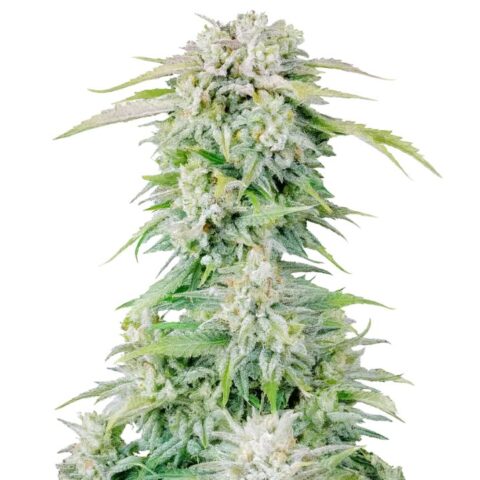
4. Super Lemon Haze
- Type: Sativa-dominant Hybrid
- Traits: Super Lemon Haze is a vigorous grower that responds well to training techniques. Its strong branches and resilience make it a good choice for both novice and experienced growers.
-
Super Lemon Haze Cannabis SeedsFrom: $24.99
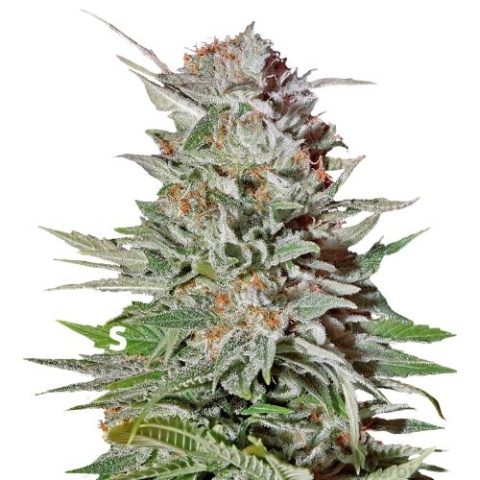
5. Gorilla Glue #4 (GG4)
- Type: Hybrid
- Traits: GG4 is a robust strain that can handle a variety of training methods. It’s known for its heavy yield and sticky, resinous buds.
-
Gorilla Glue Cannabis SeedsFrom: $24.99
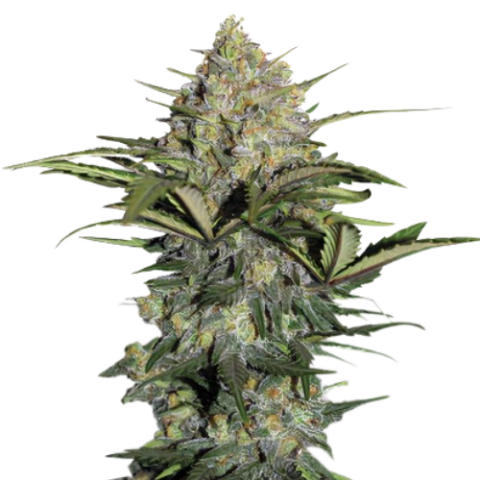
6. AK-47
- Type: Hybrid
- Traits: AK-47 is an easy-to-grow strain that responds well to training. It has a balanced growth pattern and can thrive under various conditions.
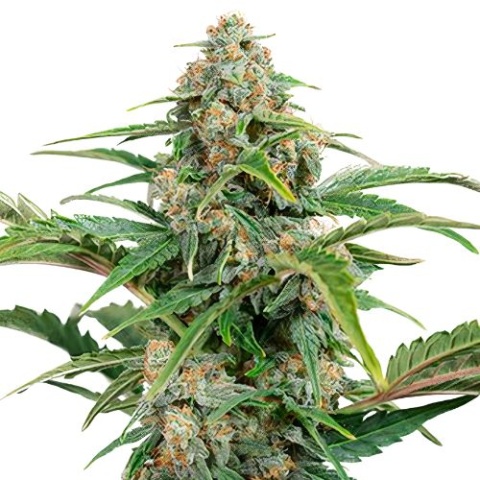
7. Trainwreck
- Type: Sativa-dominant Hybrid
- Traits: Trainwreck is a fast-growing strain that benefits from training to control its height and improve yield. It is renowned for growing quickly and being flexible.
-
Trainwreck Cannabis SeedsFrom: $24.99
These strains are not only easier to train but also known for their potency and yield, making them suitable for both beginners and experienced growers.
Blue Dream
1. Vigorous Growth
- Trait: Blue Dream is known for its robust growth, making it adaptable to various training techniques. Its vigorous vegetative growth allows for better recovery from training stress.
2. Branching Structure
- Trait: This strain naturally has a good branching structure, which is ideal for techniques like topping and low-stress training (LST). The even distribution of branches helps in maximizing light exposure and improving overall yield.
3. Resilience to Stress
- Trait: Blue Dream is relatively resilient to stress, making it more forgiving when subjected to training methods like topping or super cropping. It can quickly bounce back from minor damage and continue healthy growth.
4. Responsive to LST and HST
- Trait: Blue Dream responds well to both low-stress training (LST) and high-stress training (HST). It can handle being bent, tied down, and pruned without significant issues, promoting better light penetration and air circulation.
5. Adaptability
- Trait: This strain is adaptable to both indoor and outdoor growing environments. Its flexibility makes it suitable for various training setups, whether you have limited space indoors or a larger area outdoors.
6. Consistent Yield
- Trait: Blue Dream consistently produces high yields, even when subjected to training. The training techniques can enhance yield further by promoting more bud sites and better light distribution.
7. Disease Resistance
- Trait: Blue Dream has a relatively high resistance to common pests and diseases. This trait makes it easier for growers to focus on training without worrying excessively about plant health issues.
Practical Experience
- Trait: Many growers have reported positive experiences with training Blue Dream, noting its cooperative growth pattern and rewarding yields. The collective experience and shared knowledge in the growing community contribute to its reputation as an easy-to-train strain.
Northern Lights
1. Compact Structure
- Trait: Northern Lights has a naturally compact and bushy structure, making it manageable in terms of height and width. This makes it easier to train and control compared to more leggy strains.
2. Sturdy Branches
- Trait: The strain has sturdy branches that can support the weight of its buds, making it suitable for training techniques like topping and low-stress training (LST). The strong branches reduce the risk of breakage during training.
3. Resilience to Stress
- Trait: Northern Lights is known for its resilience to stress. It can recover quickly from training techniques such as topping, super cropping, and LST, which is crucial for maintaining healthy growth and maximizing yield.
4. Minimal Maintenance
- Trait: This strain requires minimal maintenance, which is beneficial for growers who may not have extensive experience with training techniques. Its low-maintenance nature makes it more forgiving and easier to manage.
5. Adaptability
- Trait: Northern Lights is highly adaptable to both indoor and outdoor growing conditions. Its versatility allows growers to use various training methods regardless of the growing environment.
6. High Resistance to Pests and Diseases
- Trait: Northern Lights has a high resistance to common pests and diseases, which reduces the risk of issues that could complicate the training process. This allows growers to focus more on training without worrying excessively about plant health.
7. Consistent Growth
- Trait: Northern Lights exhibits consistent and predictable growth patterns, making it easier to plan and execute training techniques. Predictability in growth helps in achieving uniform results when training multiple plants.
8. Quick Recovery
- Trait: This strain has a fast recovery rate from training stress, allowing it to continue healthy growth with minimal downtime. Quick recovery is essential for maintaining the plant’s overall health and productivity.
9. High Yield Potential
- Trait: Northern Lights is known for its high yield potential, and training can enhance this further. Techniques like LST and topping can increase the number of bud sites and improve light penetration, leading to higher yields.
Practical Experience
- Trait: Many growers have shared positive experiences with training Northern Lights, citing its cooperative growth behavior and rewarding outcomes. This collective experience reinforces its reputation as an easy-to-train strain.
White Widow
1. Robust Growth
- Trait: White Widow is known for its vigorous and robust growth. This strong growth pattern allows it to recover quickly from training techniques and continue to thrive.
2. Bushy Structure
- Trait: The strain naturally develops a bushy and well-branched structure, which is ideal for training methods like low-stress training (LST) and topping. This structure helps in maximizing light exposure to all parts of the plant.
3. High Resilience
- Trait: White Widow is highly resilient to stress caused by training. Whether it’s topping, super cropping, or LST, this strain can handle the stress and bounce back quickly, making it suitable for various training techniques.
4. Easy Maintenance
- Trait: This strain requires relatively low maintenance, which is beneficial for growers who are not highly experienced. Its forgiving nature makes it easier to manage and train without complications.
5. Adaptability
- Trait: White Widow is adaptable to both indoor and outdoor growing environments. Its flexibility allows growers to use different training techniques depending on their specific growing conditions.
6. Resistance to Pests and Diseases
- Trait: The strain has a high resistance to common pests and diseases, which minimizes potential issues that could complicate the training process. This resistance allows growers to focus more on training and less on pest control.
7. Consistent Yield
- Trait: White Widow consistently produces high yields, and training can enhance this further. Techniques like topping and LST can increase bud sites and improve overall yield.
8. Fast Recovery
- Trait: White Widow has a fast recovery rate from training stress, allowing it to continue growing healthily without significant downtime. This quick recovery is crucial for maintaining the plant’s productivity and health.
9. Positive Grower Experiences
- Trait: Many growers have reported positive experiences with training White Widow, noting its cooperative growth pattern and rewarding yields. These shared experiences reinforce its reputation as an easy-to-train strain.
Practical Examples
- Trait: Techniques like topping and LST are commonly used with White Widow to enhance light penetration and airflow, leading to better bud development and higher yields. Growers often find that this strain responds well to being tied down and pruned.
Super Lemon Haze
1. Vigorous Growth
- Trait: Super Lemon Haze is known for its vigorous growth. This rapid and strong growth allows it to recover quickly from training techniques and continue to develop healthily.
2. Flexible Branches
- Trait: The strain has flexible branches that respond well to training methods such as low-stress training (LST) and high-stress training (HST). The branches can be bent and manipulated easily without breaking.
3. High Resilience to Stress
- Trait: Super Lemon Haze is highly resilient to stress caused by various training techniques. It can handle topping, super cropping, and LST, bouncing back quickly and maintaining healthy growth.
4. Adaptable Structure
- Trait: This strain has a structure that is highly adaptable to training. It naturally forms a good number of side branches, which can be spread out to maximize light exposure and improve airflow.
5. Responsive to Training
- Trait: Super Lemon Haze is very responsive to training techniques. Growers often find that it reacts positively to being topped, pruned, and tied down, resulting in more bud sites and an overall increase in yield.
6. Adaptability to Various Environments
- Trait: The strain adapts well to both indoor and outdoor growing conditions. This versatility allows growers to implement training techniques suited to their specific environment, whether it’s a small indoor space or a larger outdoor area.
7. Disease and Pest Resistance
- Trait: Super Lemon Haze has a good resistance to common pests and diseases. This resilience reduces the risk of issues that could interfere with the training process, allowing growers to focus more on training and less on plant health problems.
8. High Yield Potential
- Trait: The strain has a high yield potential, which can be further enhanced through training. Techniques like LST and topping can increase the number of bud sites, leading to a more substantial harvest.
9. Positive Grower Experiences
- Trait: Many growers have reported successful training experiences with Super Lemon Haze. The collective feedback highlights its cooperative growth behavior and rewarding yields, reinforcing its reputation as an easy-to-train strain.
Practical Examples
- Trait: Techniques such as topping and LST are commonly used with Super Lemon Haze to control its height and promote a more even canopy. This results in better light distribution and improved bud development, ultimately leading to higher yields.
Gorilla Glue #4 (GG4)
1. Robust Growth
- Trait: GG4 is known for its strong and vigorous growth. This robustness allows it to withstand and quickly recover from various training techniques, ensuring continuous healthy development.
2. Sturdy Branches
- Trait: GG4 has sturdy branches that can support the weight of its dense, resinous buds. This makes it suitable for training methods like topping and low-stress training (LST), as the branches are less likely to break under the strain.
3. High Resilience to Stress
- Trait: The strain is highly resilient to stress caused by training. Techniques such as topping, super cropping, and LST are well-tolerated by GG4, and the plants tend to recover quickly, maintaining their vigor.
4. Bushy Structure
- Trait: GG4 naturally develops a bushy structure with plenty of side branches. This characteristic is ideal for training, as it allows for better light penetration and air circulation when branches are spread out.
5. Responsive to Training
- Trait: GG4 responds positively to various training techniques. Growers often find that it reacts well to being topped, pruned, and tied down, resulting in more bud sites and improved overall yield.
6. Adaptability
- Trait: GG4 is highly adaptable to both indoor and outdoor growing environments. This versatility enables growers to implement training techniques that best suit their specific setup, whether in a confined indoor space or a more expansive outdoor area.
7. Resistance to Pests and Diseases
- Trait: The strain has a good resistance to common pests and diseases, reducing the likelihood of issues that could complicate the training process. This allows growers to focus more on training and less on pest and disease management.
8. High Yield Potential
- Trait: GG4 is known for its high yield potential, which can be further enhanced through training. Techniques like LST and topping can increase the number of bud sites, leading to a larger harvest.
9. Positive Grower Experiences
- Trait: Many growers have reported successful training experiences with GG4. The collective feedback from the growing community highlights its cooperative growth behavior and rewarding yields, reinforcing its reputation as an easy-to-train strain.
Practical Examples
- Trait: Growers commonly use techniques like topping to control GG4’s height and promote a more even canopy. Low-stress training (LST) is also employed to spread out the branches, allowing for better light distribution and airflow. These techniques help maximize the yield and quality of the buds.
AK-47
1. Vigorous Growth
- Trait: AK-47 is known for its strong and vigorous growth. This robust growth pattern allows the plant to quickly recover from training techniques, ensuring healthy development throughout its life cycle.
2. Flexible Branches
- Trait: The strain has flexible branches that respond well to training methods such as low-stress training (LST) and high-stress training (HST). This flexibility reduces the risk of branch breakage when bending and manipulating the plant.
3. High Resilience to Stress
- Trait: AK-47 is highly resilient to the stress caused by various training techniques. Whether it’s topping, super cropping, or LST, the plant can handle these methods and bounce back quickly, maintaining its growth and health.
4. Adaptable Structure
- Trait: The strain naturally develops a balanced structure with a good number of side branches. This characteristic is ideal for training, as it allows for better light penetration and improved air circulation when the branches are spread out.
5. Responsive to Training
- Trait: AK-47 is very responsive to different training techniques. Growers often find that it reacts positively to being topped, pruned, and tied down, resulting in more bud sites and an overall increase in yield.
6. Adaptability to Various Environments
- Trait: The strain adapts well to both indoor and outdoor growing conditions. This versatility allows growers to use training techniques suited to their specific environment, whether in a small indoor space or a larger outdoor area.
7. Disease and Pest Resistance
- Trait: AK-47 has good resistance to common pests and diseases. This resilience minimizes potential issues that could interfere with the training process, allowing growers to focus more on training and less on managing plant health problems.
8. Consistent Yield
- Trait: The strain consistently produces high yields, and training can further enhance this potential. Techniques like LST and topping can increase the number of bud sites and improve overall yield.
9. Positive Grower Experiences
- Trait: Many growers have reported positive experiences with training AK-47, noting its cooperative growth pattern and rewarding yields. These shared experiences reinforce its reputation as an easy-to-train strain.
Practical Examples
- Trait: Techniques such as topping and LST are commonly used with AK-47 to control its height and promote a more even canopy. This results in better light distribution and improved bud development, ultimately leading to higher yields.
Trainwreck
1. Vigorous Growth
- Trait: Trainwreck is known for its rapid and vigorous growth. This strong growth allows the plant to recover quickly from training techniques, ensuring robust development.
2. Flexible Branches
- Trait: The strain has flexible branches that can be easily manipulated using training methods like low-stress training (LST) and high-stress training (HST). The flexibility of the branches helps prevent breakage when bending and tying them down.
3. High Resilience to Stress
- Trait: Trainwreck is highly resilient to the stress caused by various training techniques. It can handle topping, super cropping, and LST, bouncing back quickly and continuing healthy growth.
4. Open Structure
- Trait: Trainwreck naturally develops an open structure with plenty of side branches. This characteristic is ideal for training, as it allows for better light penetration and air circulation when the branches are spread out.
5. Responsive to Training
- Trait: The strain is very responsive to different training techniques. Growers often find that Trainwreck reacts positively to being topped, pruned, and tied down, resulting in more bud sites and an overall increase in yield.
6. Adaptability to Various Environments
- Trait: Trainwreck adapts well to both indoor and outdoor growing conditions. This versatility allows growers to implement training techniques suited to their specific environment, whether it’s a confined indoor space or a more expansive outdoor area.
7. Disease and Pest Resistance
- Trait: Trainwreck has good resistance to common pests and diseases. This resilience reduces the risk of issues that could complicate the training process, allowing growers to focus more on training and less on managing plant health problems.
8. High Yield Potential
- Trait: Trainwreck is known for its high yield potential, which can be further enhanced through training. Techniques like LST and topping can increase the number of bud sites, leading to a more substantial harvest.
9. Positive Grower Experiences
- Trait: Many growers have reported successful training experiences with Trainwreck. The collective feedback highlights its cooperative growth behavior and rewarding yields, reinforcing its reputation as an easy-to-train strain.
Practical Examples
- Trait: Techniques such as topping and LST are commonly used with Trainwreck to control its height and promote a more even canopy. This results in better light distribution and improved bud development, ultimately leading to higher yields.
Here’s an overview of some common cannabis training techniques to optimize plant growth, yield, and quality:
1. Topping
- Purpose: To create a bushier plant with multiple colas instead of a single main cola.
- How to Do It:
- Cut the main stem just above a node (where a pair of leaves meet the stem).
- This redirects the plant’s energy to the side branches, encouraging them to grow upwards.
- Benefits: Increases the number of bud sites and can lead to higher yields.
- When to Do It: Typically done during the vegetative stage when the plant has at least 4-5 nodes.
2. Low-Stress Training (LST)
- Purpose: To create an even canopy and maximize light penetration to all parts of the plant.
- How to Do It:
- Gently bend the main stem and side branches downwards and secure them with soft ties or plant ties.
- Gradually adjust the ties as the plant grows.
- Benefits: Minimizes stress on the plant, increases light exposure to lower bud sites, and can improve yields.
- When to Do It: Can be started early in the vegetative stage and continued as the plant grows.
3. Screen of Green (ScrOG)
- Purpose: To create a flat, horizontal canopy that maximizes light exposure and encourages uniform bud development.
- How to Do It:
- Place a screen or net above the plants during the vegetative stage.
- Train the branches to grow horizontally along the screen by tucking them under as they grow through the holes.
- Benefits: Efficient use of space, increased light exposure, and higher yields.
- When to Do It: Begin during the vegetative stage and continue training through the early flowering stage.
4. Sea of Green (SOG)
- Purpose: To maximize yields in a limited space by growing many small plants instead of a few large ones.
- How to Do It:
- Grow a high number of plants close together.
- Start flowering them early to keep them small and compact.
- Benefits: Faster harvests, efficient use of space, and high yields from multiple small plants.
- When to Do It: Begin flowering early, usually when plants are 6-12 inches tall.
5. Super Cropping
- Purpose: To strengthen branches and increase bud production.
- How to Do It:
- Gently pinch and bend the stems until they slightly break (but not completely snap).
- The plant will repair itself, often resulting in stronger branches and more bud sites.
- Benefits: Can lead to larger, more potent buds and a more resilient plant.
- When to Do It: Best done during the vegetative stage, but can also be done early in the flowering stage.
6. Lollipopping
- Purpose: To direct the plant’s energy to the top buds by removing lower, non-productive branches.
- How to Do It:
- Trim away the lower branches and leaves that receive little light.
- Benefits: Increases the size and quality of the top buds, improves air circulation, and reduces the risk of mold.
- When to Do It: Typically done just before or early in the flowering stage.
7. Main-Lining (Manifolding)
- Purpose: To create a symmetrical plant structure with evenly spaced colas.
- How to Do It:
- Top the plant at an early age and train the new growth to form two main branches.
- Continue topping and training these branches to create a manifold structure.
- Benefits: Uniform growth, efficient nutrient distribution, and high yields.
- When to Do It: Start early in the vegetative stage and continue shaping the plant as it grows.
Conclusion
In conclusion, when looking for cannabis strains that are easy to train, consider options like Blue Dream, Northern Lights, White Widow, Super Lemon Haze, Gorilla Glue #4 (GG4), AK-47, and Trainwreck. These strains are well-known for their resilience, adaptability to various training techniques, and robust yields. Whether you are a novice or an experienced grower, these strains provide an excellent balance of ease of cultivation and high-quality results.
