Table of Contents
East Coast Sour Diesel (ECSD) is a potent and highly regarded cannabis strain known for its energizing effects, distinctive diesel-like aroma, and therapeutic benefits. This strain has become popular both in recreational and medicinal cannabis communities, particularly on the East Coast of the United States. Below, we will explore its genetic background, appearance, effects, medicinal and recreational uses, scientific insights, and more, providing a well-rounded understanding of this iconic strain.
Origins and Genetic Background
East Coast Sour Diesel is a hybrid strain primarily descended from Sour Diesel, which is renowned for its energizing properties and strong scent. Sour Diesel itself has a genetic lineage tracing back to Chemdawg 91 and Super Skunk, two powerful strains known for their potency.
The East Coast variant of Sour Diesel is thought to have been developed and stabilized on the Eastern United States, earning it the “East Coast” label. While it shares a lot of similarities with its West Coast cousin, East Coast Sour Diesel is often considered to be a more potent and refined version. This variant is prized for its higher THC content, consistent effects, and strong aroma.
Appearance of East Coast Sour Diesel
East Coast Sour Diesel buds are typically dense, with a mix of green and purple hues. These vibrant buds are coated in frosty trichomes, which contain cannabinoids like THC and CBD. The pistils of the buds, which are the hair-like structures on the flowers, are often bright orange or red, adding to the strain’s striking visual appeal.
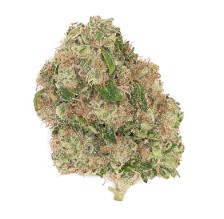
When broken apart, the buds tend to have a sticky texture, signifying a high resin content, and they are known to have a potent aroma that fills the room with its diesel-like, sour scent.
Aroma and Flavor Profile
The most distinctive characteristic of East Coast Sour Diesel is its pungent, fuel-like scent. The aroma is a mix of sour citrus, earthy musk, and diesel, with a hint of skunkiness. This strong scent makes East Coast Sour Diesel highly recognizable and a favorite among those who appreciate bold aromas.
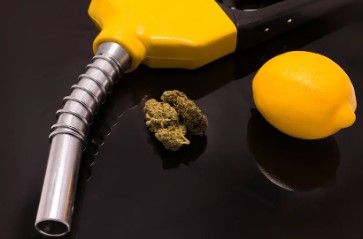
When smoked or vaporized, the flavor profile remains true to the aroma, offering a sharp, tangy, and diesel-like taste with subtle citrus and earthy undertones. Some users might also detect herbal or piney flavors in the background. The aftertaste is often described as sour and lingering.
THC and CBD Content
East Coast Sour Diesel is a high-THC strain, typically ranging from 18% to 24% THC, depending on the cultivation and growing conditions. This makes East Coast Sour Diesel a potent strain that delivers a strong psychoactive effect. However, it contains very little CBD, making it unsuitable for those who are seeking the therapeutic benefits of CBD or a non-psychoactive experience.
Due to its high THC content, East Coast Sour Diesel is generally recommended for more experienced users, as beginners or those sensitive to THC might experience adverse effects like anxiety or paranoia.
Effects and Potency
Recreational Effects:
East Coast Sour Diesel is known for its uplifting, energizing, and cerebral effects. It is perfect for daytime use due to its stimulating nature. Users typically report a surge of energy and euphoria that can help with focus, creativity, and motivation. East Coast Sour Diesel is often used by those looking to tackle tasks requiring mental clarity, such as work or artistic endeavors.
While the strain’s effects are initially uplifting and euphoric, they can also lead to a relaxed body high. However, it is not a sedative strain, so users will still feel energized and alert rather than sleepy. For social users, it can also foster conversation and an overall sense of well-being.
Possible Side Effects:
Common side effects include:
- Dry Mouth and Dry Eyes – typical of most cannabis strains.
- Anxiety or Paranoia – especially in higher doses, due to the strain’s potent THC content.
- Dizziness or Headaches – can occur if too much is consumed too quickly.
Medical Effects and Uses
East Coast Sour Diesel has several medical benefits, making it a popular choice for those seeking relief from various conditions.
Chronic Pain Relief:
The strain’s combination of a body high and cerebral stimulation makes it an excellent choice for treating chronic pain. It can help alleviate discomfort from conditions such as arthritis, fibromyalgia, or muscle spasms without causing sedation, allowing users to remain active and functional throughout the day.
Mood Enhancement:
The energizing and euphoric effects of East Coast Sour Diesel can be particularly beneficial for individuals suffering from depression or stress. The strain’s uplifting effects can promote feelings of happiness and well-being, helping to counteract symptoms of mood disorders.
Fatigue and Low Energy:
Due to its stimulating effects, East Coast Sour Diesel is ideal for individuals dealing with fatigue or low energy. It can help people dealing with chronic fatigue syndrome, fibromyalgia, or those recovering from illness or surgery feel more motivated and energized.
Appetite Stimulation:
Like many cannabis strains, East Coast Sour Diesel can stimulate the appetite, making it useful for patients undergoing chemotherapy or those with conditions that cause a loss of appetite, such as HIV/AIDS or gastrointestinal issues.
Growing East Coast Sour Diesel
Optimal Environmental Conditions
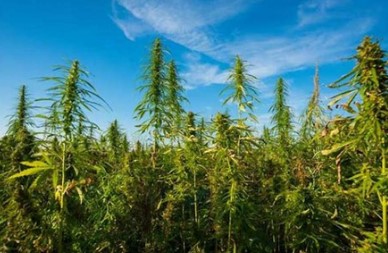
East Coast Sour Diesel is a temperamental strain that requires specific environmental conditions for optimal growth. These conditions encompass temperature, humidity, light cycles, and airflow—each of which plays a critical role in the plant’s development, potency, and yield.
Temperature:
- East Coast Sour Diesel thrives in warm, temperate climates.
- Daytime temperatures should be kept between 70°F to 80°F (21°C to 27°C), which helps ensure robust vegetative growth.
- During the nighttime, cooler temperatures around 60°F to 70°F (15°C to 21°C) are ideal. This helps promote the production of terpenes, which enhance the plant’s aroma and flavor profile.
- Temperatures over 85°F (29°C) can cause heat stress, potentially leading to lower yields, compromised potency, and stunted growth.
Humidity:
- East Coast Sour Diesel’s humidity needs fluctuate between growth stages:
- During vegetative growth, the ideal humidity is 50-60%. This helps encourage strong leaf and stem development.
- In the flowering stage, humidity should be reduced to 40-50% to prevent mold and mildew growth, which can be problematic for ECSD’s dense buds.
Air Circulation:
- Air circulation is crucial, especially in indoor setups. Good ventilation prevents stagnant air, which can trap humidity and increase the risk of mold. Plants require proper airflow to optimize photosynthesis and reduce the likelihood of pest infestations.
Soil vs. Hydroponics
Soil Cultivation:
- East Coast Sour Diesel can be grown in soil for optimal flavor and terpene profiles. Organic, well-draining soil supports microbial life that enhances nutrient availability. Using rich, nutrient-dense soil will help develop the characteristic aroma and flavor of ECSD.
- pH level: The soil should maintain a pH level between 6.0 and 7.0, which is ideal for nutrient uptake.
Hydroponics:
- While soil is often preferred for its flavor benefits, ECSD can be grown in hydroponic systems for faster growth rates and higher yields. Hydroponics requires a carefully controlled nutrient solution and regular monitoring of pH and water temperature.
- In hydroponic setups, roots are submerged in water instead of soil, and nutrients are delivered directly to them, promoting quicker growth and larger buds.
Lighting:
Lighting is a critical factor for ECSD cultivation, especially indoors. The plant requires different light cycles at different stages of its growth cycle.
Vegetative Stage:
- During this phase, ECSD needs 18–24 hours of light per day. High-intensity LED lights or Metal Halide (MH) lights work well during vegetative growth.
- These lights provide the necessary spectrum (mainly blue light) to promote strong, healthy vegetative growth. High-intensity lighting helps ECSD grow tall and develop large leaves.
Flowering Stage:
- As ECSD enters the flowering stage, the light cycle should be changed to 12 hours of light and 12 hours of darkness to mimic the changing seasons.
- The High-Pressure Sodium (HPS) lights are preferred during flowering due to their red and orange spectrum, which encourages flower and resin production.
- Light intensity should be adjusted to avoid light burn. Typically, 24–36 inches from the canopy is an optimal starting distance, with the option to lower the light as the plant matures.
4. Nutrient Management:
ECSD is a heavy feeder, meaning it requires a lot of nutrients, particularly nitrogen, phosphorus, and potassium, along with other micronutrients. The plant’s nutrient needs will change throughout the growth cycle.
Vegetative Stage:
- During the vegetative phase, ECSD requires a higher concentration of nitrogen (N), which supports healthy leaf growth and overall development.
- Nutrient ratios like 3:1:2 (N:P:K) are typical during this stage.
Flowering Stage:
- As the plant begins to flower, it will require an increase in phosphorus (P) and potassium (K) to help with flower development and resin production.
- Nutrient ratios shift to something like 1:2:3 (N:P:K) during flowering. This encourages bud formation and density.
Micronutrients:
- ECSD also needs micronutrients like calcium, magnesium, sulfur, and iron, which help with chlorophyll production and photosynthesis. These micronutrients are often found in nutrient solutions designed for cannabis plants.
Nutrient Monitoring:
- Careful monitoring is required to avoid overfeeding or underfeeding ECSD. Nutrient burn can result from excessive feeding, while deficiencies can stunt growth or affect the overall quality of the buds.
- pH levels should be consistently tested, with pH 6.0-7.0 being ideal for soil and 5.5-6.5 for hydroponic systems.
Pruning and Training Techniques
Proper training and pruning techniques are crucial to maximize the yield of East Coast Sour Diesel, especially since the plant can grow tall and bushy.
Topping and Fimming:
- Topping involves cutting the main stem just above a node, which promotes lateral branching and results in multiple primary colas. This technique encourages the plant to focus on developing multiple main buds instead of just one dominant cola.
- Fimming is similar but involves removing only part of the growing tip, leading to more branching and multiple main buds. Both techniques are useful in maximizing yield and helping plants develop evenly.
Low-Stress Training (LST):
- Low-Stress Training (LST) involves gently bending and tying the plant’s branches to promote horizontal growth. This exposes more of the plant to light, promoting larger buds and more colas. LST also helps to control the plant’s height, preventing it from becoming too tall and difficult to manage.
Screen of Green (ScrOG):
- ScrOG (Screen of Green) uses a mesh screen to train branches to grow horizontally. This method helps distribute light evenly, increasing bud sites and maximizing overall yield. ScrOG is particularly effective for ECSD due to its natural tendency to grow tall and bushy.
Pest and Disease Management
East Coast Sour Diesel is vulnerable to pests and diseases, so maintaining a healthy environment is key to successful cultivation.
Common Pests:
- Spider Mites: These tiny pests can infest plants, sucking out nutrients and causing damage. They are often managed using predatory mites or organic insecticidal soaps.
- Aphids: Another common pest, aphids can weaken the plant by feeding on the sap. Aphid populations can be managed with the aid of natural predators such as ladybugs.
- Thrips: These small insects can cause significant damage by feeding on the plant’s leaves. Infestations can be treated with neem oil or insecticidal soap.
Diseases:
- Powdery Mildew: This fungal infection can spread rapidly, especially in high-humidity environments. Proper airflow and lowering humidity during the flowering stage help prevent this disease.
- Bud Rot: This is a concern in high-humidity environments and can quickly ruin entire crops. Proper ventilation and ensuring buds do not become overly dense are key preventive measures.
- Botrytis: A fungal disease that causes rot in the flowers, usually brought on by excessive humidity and poor airflow. Maintaining proper temperature and humidity is essential.
Integrated Pest Management (IPM):
- Using biological controls, like introducing beneficial insects, helps maintain a balanced ecosystem in the grow space. Neem oil and diatomaceous earth can be used as organic insecticides.
- Regularly inspecting plants and maintaining optimal environmental conditions (temperature, humidity, airflow) can significantly reduce the likelihood of pest and disease issues.
Harvesting and Curing
Once ECSD reaches its flowering phase (typically around 10-11 weeks), the plant will require close keeping an eye on everything to figure out when to harvest.
Signs of Ripeness:
- Trichomes: The small, glandular structures on the buds will change color from clear to milky white and then to amber. Harvesting when most of the trichomes are milky and some are amber ensures a potent and balanced effect.
- Pistils: The pistils, or hairs, will turn from white to orange or red, indicating that the flowers are maturing.
Curing:
- After harvesting, the buds should be properly dried and cured to maintain potency and flavor. Proper curing involves placing the buds in glass jars and opening them periodically (known as “burping”) to allow excess moisture to escape while preventing mold growth.
- A slow drying and curing process (around 7-14 days for drying and 2-4 weeks for curing) enhances the final product’s flavor and aroma.
Terpene Profile and Scientific Insights
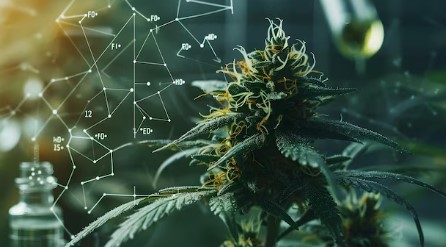
The effects, aroma, and overall experience of East Coast Sour Diesel are largely influenced by its terpene profile. Terpenes are aromatic compounds found in cannabis and contribute not only to the strain’s scent but also to its medicinal and psychoactive effects.
Limonene:
Limonene is a dominant terpene in ECSD and is responsible for the strain’s citrus-like aroma. Limonene is also known for its mood-elevating and anti-anxiety properties.
Myrcene:
Myrcene is another prevalent terpene in ECSD and is often associated with relaxing effects. It can help balance out the strain’s energizing properties by providing mild sedative effects that promote relaxation without excessive sedation.
Caryophyllene:
Caryophyllene is well-known for its anti-inflammatory qualities and has a peppery, spicy scent. Interestingly, caryophyllene is the only terpene known to directly interact with CB2 receptors in the body’s endocannabinoid system, potentially offering pain relief and anti-inflammatory benefits.
Pinene:
Pinene is responsible for the piney aroma found in some ECSD buds. It is associated with improved memory retention, alertness, and focus. This terpene complements the strain’s cerebral effects, promoting a clear-headed high.
Conclusion
East Coast Sour Diesel is a highly revered cannabis strain with a potent mix of effects, therapeutic benefits, and an unmistakable aroma. Its energizing and uplifting nature makes it a perfect choice for recreational users seeking a boost in creativity and focus, while its medical properties offer relief from chronic pain, fatigue, and mood disorders.
The strain’s distinct flavor and aroma profile, coupled with its high THC content, have earned ECSD a loyal following among both medical patients and recreational users. With its rich genetic background, therapeutic potential, and powerful effects, East Coast Sour Diesel will continue to be a staple in the cannabis community for years to come.
For a complete directory of cultivars, visit our Cannabis Strain Reviews.
