Table of Contents
The Dynamite cannabis strain is a hybrid that has earned its reputation for delivering a balanced, effective experience for both medical and recreational users. It is particularly sought after for its combination of potency and pleasant effects, which result in its popularity across diverse user groups. This strain is a cross between two known cannabis varieties, offering a potent blend of characteristics that cater to both body and mind.
In this detailed exploration, we will discuss Dynamite‘s origins, its genetic makeup, its effects, and its medical and recreational uses, along with some scientific insights into its chemical components.
Genetics and Origins
Dynamite is typically classified as an indica-dominant hybrid, though its exact lineage can sometimes vary depending on the breeder. It has roots in several hybrid strains known for their potent effects and high THC content, which contributes to Dynamite’s popularity among cannabis enthusiasts.
The strain is often associated with a balanced effect profile, with its genetics promoting both physical relaxation and cerebral stimulation. The combination of indica and sativa genetics in Dynamite allows it to produce a wide range of effects, making it versatile and adaptable to different users’ needs.
Appearance
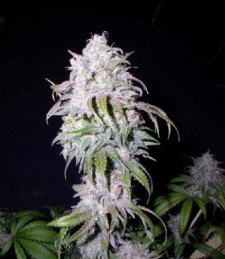
Dynamite cannabis plants are characterized by their dense, medium-to-large buds, which are typically coated in a thick layer of trichomes. The buds are generally green with orange or brown pistils that weave through the plant. The trichomes give the buds a frosted, sticky texture and contain the essential compounds responsible for the strain’s effects.
The flowers are compact and tend to cluster, with a rich coating of crystals that contain the primary active compounds, including tetrahydrocannabinol (THC) and cannabidiol (CBD), along with various terpenes that contribute to the strain’s aroma and effects.
Cannabinoid Content
The THC content of Dynamite cannabis can range from 18% to 22%, making it a moderately potent strain. Usually, the CBD concentrations are low—often less than 1%. The high THC content is the primary reason Dynamite is so popular, providing an uplifting and potent experience. However, its THC content is generally lower than more potent strains, which makes it a good option for those who are newer to cannabis or prefer moderate THC levels.
In addition to THC and CBD, Dynamite contains a variety of other cannabinoids, including CBG (cannabigerol) and CBC (cannabichromene), both of which contribute to the strain’s overall therapeutic profile.
Terpene Profile
Terpenes are aromatic compounds found in cannabis that not only provide distinctive flavors and smells but also interact with cannabinoids to enhance or modulate effects. Dynamite’s terpene profile includes:
- Myrcene: Known for its sedative effects, myrcene is one of the most common terpenes in cannabis. It is associated with muscle relaxation and pain relief, making it beneficial for medical users dealing with stress or insomnia.
- Caryophyllene: This terpene has a spicy, peppery aroma and is known for its anti-inflammatory properties. It binds to CB2 receptors in the endocannabinoid system, which can help with pain management and overall inflammation.
- Limonene: Providing a citrusy aroma, limonene is often used for its mood-enhancing and anti-anxiety properties. It can also aid in digestive issues, making it beneficial for both recreational and medical purposes.
- Pinene: With its piney scent, pinene is known for its anti-inflammatory and bronchodilator effects. It can help to open the airways and improve breathing, which may benefit those with respiratory issues.
The combination of these terpenes gives Dynamite its distinct fragrance and taste profile, ranging from earthy and piney to citrusy and spicy, with a touch of sweetness.
Effects of Dynamite Cannabis
Recreational Use
For recreational users, Dynamite offers a balanced high that caters to both the body and mind. It produces a gentle, relaxing euphoria that begins with an uplifting cerebral rush. This initial effect is typically described as creative, motivating, and happy, making it a excellent option for creative or social endeavors.
After the initial uplift, the strain transitions into a more physically relaxing state. Users may experience a gentle body high that provides relief from tension and mild pain, making it ideal for evening relaxation. The balance of mind and body effects makes Dynamite an excellent choice for users who want to unwind without becoming overly sedated or couch-locked.
Medical Use
Dynamite has a range of medical applications, thanks to its blend of cannabinoids and terpenes. Among the principal applications are:

- Pain Relief: Dynamite’s high THC content and the presence of caryophyllene make it useful for managing chronic pain, muscle spasms, and inflammation. The strain’s ability to relax the body and reduce pain is highly beneficial for medical cannabis users seeking relief from conditions like arthritis or fibromyalgia.
- Stress and Anxiety Relief: Dynamite is often chosen by medical cannabis users for its ability to reduce anxiety and stress. The limonene and myrcene in the terpene profile contribute to its calming and mood-elevating effects, which help to alleviate tension and anxiety.
- Insomnia: Due to its relaxing, sedative qualities, Dynamite is an excellent option for those dealing with sleep issues. The myrcene terpene is particularly known for promoting relaxation and sleep, helping to combat insomnia and improve sleep quality.
- Appetite Stimulation: Like many THC-dominant strains, Dynamite can stimulate appetite, making it useful for those undergoing treatments like chemotherapy or those suffering from conditions that cause appetite loss.
- Muscle Relaxation: The combination of body relaxation and anti-inflammatory effects makes Dynamite ideal for those with muscle spasms or tension. It helps to ease muscle soreness and promote physical relaxation.
Other Potential Therapeutic Uses
In addition to the primary uses mentioned above, Dynamite may also help with:
- Nausea: THC is known for its antiemetic properties, helping to reduce nausea and vomiting, which is especially useful for patients undergoing cancer treatments or those with gastrointestinal issues.
- Depression: The mood-enhancing effects of limonene and caryophyllene may provide a lift for users struggling with mild to moderate depression.
Cultivating Dynamite cannabis requires an understanding of its genetic makeup and the ideal growing conditions to optimize its yield, potency, and overall quality. Cannabis cultivation is an intricate process involving various factors, including genetics, environmental conditions, feeding schedules, and pest management. Below is a more scientific and detailed breakdown of the methods and best practices for growing Dynamite cannabis.
1. Genetic Considerations
Since Dynamite is a hybrid strain—often an indica-dominant one—its growth habits typically combine elements of both indica and sativa plants. These traits influence factors such as:
- Size and shape: Indica-dominant plants tend to be bushier and shorter, while sativa-dominant plants grow taller and more elongated. Dynamite plants will usually fall somewhere in between, with medium-sized plants that require attention to pruning and training techniques to prevent overcrowding.
- Flowering time: Indicas tend to have a shorter flowering period, typically between 7 and 9 weeks, while sativas often require longer. Dynamite’s flowering time will generally be in the middle of this range.
2. Environmental Conditions
Dynamite cannabis thrives in a controlled indoor environment or outdoor climates that replicate its ideal growing conditions.
Indoor Cultivation:
- Temperature: The optimal temperature range for growing Dynamite indoors is between 70°F and 80°F (21°C to 27°C) during the light cycle. During the dark cycle, temperatures can drop to around 60°F to 70°F (15°C to 21°C). Maintaining temperature stability is crucial to prevent plant stress and to ensure proper growth.
- Humidity: During the vegetative stage, relative humidity should be kept between 40% and 60%. As the plant transitions into the flowering stage, it’s important to reduce humidity to around 40% to 50% to prevent mold and mildew growth, which can be detrimental to bud development.
- Light: Dynamite cannabis requires a high-intensity light source, such as high-pressure sodium (HPS) or LED grow lights, to thrive indoors. The plants should be exposed to light for 18 to 24 hours per day when they are in the vegetative stage. When transitioning to the flowering stage, the light cycle should be reduced to 12 hours of light and 12 hours of darkness to encourage flower production.
Outdoor Cultivation:
- Climate: Dynamite cannabis does best in a temperate climate with warm summers. It can handle moderate humidity, but like most cannabis strains, it is sensitive to extreme weather conditions. For outdoor growing, a location with sun exposure for 6-8 hours a day is ideal.
- Soil and pH: For both indoor and outdoor cultivation, loamy, well-draining soil is recommended. Cannabis thrives in soils with a slightly acidic pH range between 6.0 and 7.0. A pH that is too high or too low can interfere with nutrient uptake, potentially stunting plant growth or affecting bud development.
3. Feeding and Nutrient Management
Dynamite cannabis, like most cannabis strains, requires a balanced supply of nutrients throughout its growth cycle. The key nutrients to consider are nitrogen (N), phosphorus (P), and potassium (K), as well as various secondary and micronutrients like calcium, magnesium, and sulfur. The nutrient needs will change at different stages of growth.
Vegetative Stage:
- Nitrogen is particularly important in the vegetative stage, as it promotes healthy foliage growth. A nitrogen-rich fertilizer will ensure the plant develops a robust structure before transitioning to flowering.
- The ideal nutrient ratio for this stage is generally 3:1:2 (N-P-K) or something similar, as plants are focusing on building their biomass.
Flowering Stage:
- As Dynamite enters the flowering phase, the plant shifts its focus from vegetative growth to flower production. At this stage, phosphorus becomes more important, as it aids in the development of healthy buds. A nutrient ratio like 1:2:3 (N-P-K) is commonly used during this stage to promote proper bud formation.
- Potassium also plays a crucial role during flowering, supporting the plant’s ability to resist disease, enhance bud density, and improve overall plant health.
Micronutrients:
- In addition to the macronutrients (N, P, K), cannabis also requires trace amounts of other elements like iron, boron, manganese, molybdenum, copper, and zinc. These micronutrients are essential for various enzymatic processes and help the plant absorb and use the primary nutrients effectively.
Organic vs. Synthetic Fertilizers:
- Some cultivators prefer using organic fertilizers for a more sustainable and natural approach, while others opt for synthetic fertilizers, which can deliver nutrients more quickly to the plants. Both methods can be effective when used correctly, but organic methods tend to lead to more robust flavors and terpene profiles in the final product.
4. Training Techniques
Given the nature of Dynamite’s hybrid genetics, effective plant training is important to ensure optimal growth and yield. Some of the most common techniques used in cannabis cultivation include:
Low-Stress Training (LST):
This method involves gently bending and tying the plant’s stems to encourage horizontal growth. LST helps to create an even canopy and allows light to reach more buds, ultimately increasing yield. It’s also beneficial for preventing plants from becoming too tall and unwieldy.
Topping:
Topping involves cutting off the top growth of the plant to promote the growth of multiple branches. This technique encourages lateral growth, resulting in a bushier plant with more flowering sites. Topping can be done once the plant reaches a certain height, usually during the vegetative stage.
ScrOG (Screen of Green):
ScrOG is a method where a horizontal screen or mesh is placed over the plants to encourage them to grow along the screen. This ensures that the plant receives even exposure to light, which improves bud production. The technique works particularly well with Dynamite, as it helps manage its bushy growth while maximizing light penetration.
Defoliation:
During the flowering stage, it may be beneficial to remove some of the plant’s leaves (particularly fan leaves) to allow better airflow and light penetration to the lower parts of the plant. This can also help reduce the risk of mold and mildew, especially in dense buds.
5. Pest and Disease Management
Dynamite cannabis, like other strains, is susceptible to common pests and diseases. Growers must be vigilant in managing these risks to ensure healthy plants and maximize yield.
- Common pests include spider mites, aphids, whiteflies, and thrips, all of which can damage the plant by feeding on its leaves, stems, and buds. Neem oil and insecticidal soap are two examples of organic pest management techniques that can assist control these pests without harming the plant.
- Fungal diseases like powdery mildew and bud rot can be a concern, especially in humid environments. To reduce the risk of fungal infections, proper ventilation and humidity control are essential, as well as regular inspections of the plant.
- Mold and mildew are more likely to affect Dynamite’s dense buds, so it’s important to ensure that the growing area is dry enough to prevent these issues but not so dry as to stress the plant.
6. Harvesting
Dynamite’s flowering time typically ranges from 7 to 9 weeks, but it is essential to to choose the ideal harvest period, track the development of the trichomes. The trichomes should be mostly milky white with a few amber-colored trichomes. This signals the peak potency of the buds.
- Trichome Inspection: Using a magnifying tool (like a jeweler’s loupe), growers can inspect the trichomes on the plant’s buds. A high concentration of milky white trichomes indicates that the plant is ready to be harvested for maximum THC content. If more amber-colored trichomes are visible, the effects of the strain may be more sedative.
- Curing: It is essential to adequately dry and cure the buds after harvest. Drying typically takes around 7-14 days, depending on environmental conditions. Once dried, the buds should be stored in airtight jars for curing, which helps enhance the flavor, aroma, and potency of the buds. Curing can take anywhere from 2 to 4 weeks and is essential for achieving the full potential of the strain.
Consumption Methods
Dynamite can be consumed in a variety of ways, depending on the user’s preference:
- Smoking/Vaping: One of the most popular methods of consumption. Smoking or vaping the buds allows the cannabinoids and terpenes to be rapidly absorbed into the bloodstream, which causes the effects to start working quickly.
- Edibles: Dynamite-infused edibles can offer longer-lasting effects, though the onset time is slower. Edibles are a good choice for those who need extended relief from pain or insomnia.
- Tinctures: A sublingual tincture provides a fast-acting way to consume Dynamite, with effects typically felt within 15 to 30 minutes.
- Topicals: While not as commonly used, Dynamite-based topicals can offer localized pain relief and relaxation, particularly for muscle soreness or joint pain.
Side Effects
Though Dynamite is generally considered to have a smooth and manageable high, some side effects may occur, especially in users who are sensitive to THC. These can include:
- Dry Mouth: Often referred to as “cottonmouth,” dry mouth is a common side effect of many cannabis strains, including Dynamite. This can be lessened by drinking plenty of water.
- Dry Eyes: Like dry mouth, dry eyes can also occur. Using eye drops can relieve this discomfort.
- Dizziness/Paranoia: In higher doses, some users may experience dizziness or paranoia, particularly if they are not accustomed to high-THC strains.
- Increased Heart Rate: Some users may notice an increased heart rate, especially during the initial cerebral high. Users with a sensitivity to heart rate changes should be cautious when using this strain.
Conclusion
Dynamite is a versatile and potent cannabis strain, offering a unique balance of uplifting, cerebral effects with physical relaxation. Its combination of THC and terpenes makes it a favorite for both medical and recreational users. Whether for relieving pain, reducing stress, improving sleep, or enhancing social experiences, Dynamite has established itself as a dependable strain with broad appeal.
For those seeking a strain with balanced effects that can be enjoyed throughout the day or night, Dynamite offers a highly effective option. It is particularly useful for those dealing with anxiety, insomnia, chronic pain, and muscle tension. However, as with any cannabis strain, it is important to understand the potential side effects and to adjust usage according to individual tolerance levels.
For a complete directory of cultivars, visit our Cannabis Strain Reviews.
